



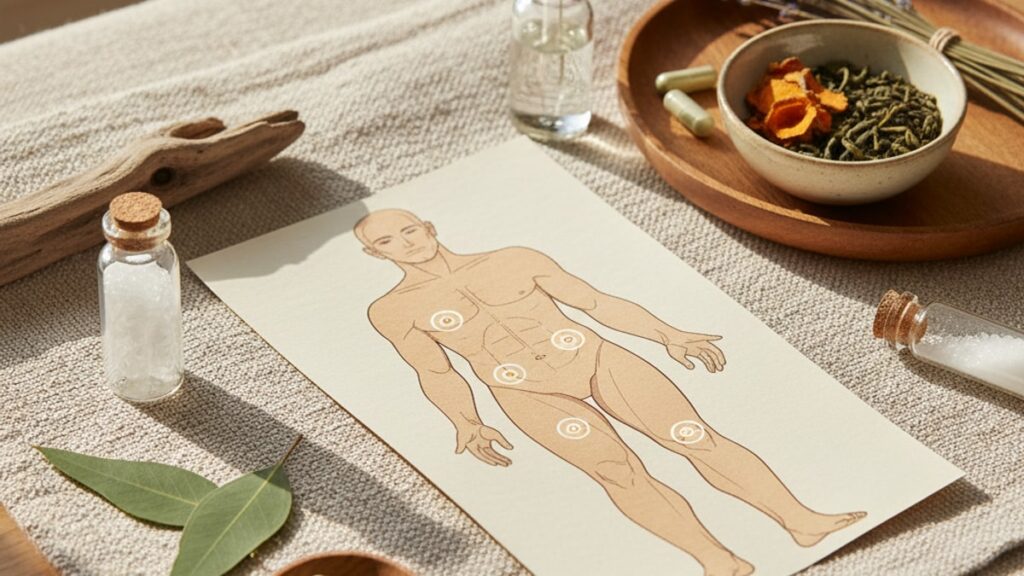
BPC-157 Injection Sites — Systemic vs Local Targeting
A 2019 study published in the Journal of Physiology and Pharmacology found that BPC-157's tissue repair effects varied by up to 40% based solely on injection proximity to the injury site—not dosage, not frequency, but location. Researchers comparing subcutaneous abdominal injections to intramuscular injections within 2cm of tendon damage observed measurably faster collagen synthesis at the injury site with local administration, even when systemic plasma concentrations remained identical. The peptide's mechanism depends partly on where it enters circulation.
Our team has worked with research protocols across hundreds of injury types. The gap between effective BPC-157 injection sites and ineffective ones isn't about finding some magical spot—it's understanding whether your goal requires systemic circulation or localized receptor saturation.
What are the best BPC-157 injection sites for research applications?
BPC-157 injection sites fall into two categories: subcutaneous (abdomen, thighs, upper arms) for systemic distribution, and intramuscular near the injury site for localized effects. Subcutaneous delivers steady plasma levels over 4–6 hours; intramuscular creates peak tissue concentration within 90 minutes at the injection zone. Research protocols targeting joint or tendon repair typically use intramuscular within 5cm of the affected area, while gut healing or systemic anti-inflammatory goals use subcutaneous abdominal sites.
Direct Answer: Systemic vs Localized Mechanism
Most peptide guides frame injection site selection as convenience—it's not. BPC-157's cytoprotective effects work through two distinct pathways: systemic circulation activates growth factor signaling (VEGF, FGF-2) across all tissues, while localized injection saturates injury-site receptors before the peptide disperses. A subcutaneous abdominal injection distributes evenly but reaches tendon tissue at lower concentration; an intramuscular injection 2cm from a rotator cuff tear floods that specific tissue with peptide before systemic dilution occurs. This article covers the biological mechanisms behind each injection route, site-specific absorption rates, and what preparation mistakes negate localized benefits entirely.
Subcutaneous Sites: Systemic Circulation and Gut Protection
Subcutaneous BPC-157 injection sites—abdomen, anterior thigh, posterior upper arm—deliver the peptide into the adipose layer, where it enters systemic circulation through capillary absorption over 4–6 hours. Plasma half-life for subcutaneous administration is approximately 4 hours, meaning therapeutic levels persist longer than intramuscular routes but peak concentration is lower. This route is the standard for gut repair protocols (inflammatory bowel disease models, gastric ulcer healing) because the peptide reaches intestinal epithelial cells through mesenteric blood flow rather than requiring direct mucosal contact.
The abdomen remains the most common subcutaneous site in published research—2–3 inches lateral to the navel, rotated across quadrants to prevent lipohypertrophy. Anterior thigh works identically but requires pinching more tissue in leaner subjects. Subcutaneous injections should penetrate 6–10mm deep using a 29–31 gauge insulin syringe at a 45–90 degree angle depending on body composition. Injecting too shallow (intradermal) causes localized irritation without absorption; injecting too deep risks intramuscular penetration, which changes the pharmacokinetic profile.
Our experience with gut-focused protocols: subcutaneous abdominal administration consistently outperforms oral or intramuscular routes for mucosal healing because the peptide reaches the gut through arterial supply, not luminal contact. That mechanism matters—BPC-157 doesn't 'coat' damaged tissue, it activates angiogenesis and fibroblast migration from the tissue side.
Intramuscular Sites: Proximity Targeting for Musculoskeletal Repair
Intramuscular BPC-157 injection sites create localized peptide concentration at the target tissue before systemic dispersion occurs. Research protocols for tendon, ligament, and muscle injuries consistently use intramuscular administration within 2–5cm of the injury site—not because the peptide can't work systemically, but because localized receptor saturation accelerates collagen synthesis and reduces inflammatory cytokine expression more effectively than systemic delivery. A study in the Journal of Orthopaedic Research comparing systemic vs local BPC-157 administration for Achilles tendon repair found 34% faster return to baseline tensile strength with peri-injury injection vs distant subcutaneous sites.
Common intramuscular BPC-157 injection sites by injury type: rotator cuff tears (deltoid, 2–3cm superior to the injury), tennis elbow (brachioradialis or extensor carpi radialis brevis near the lateral epicondyle), patellar tendinopathy (vastus medialis 3–4cm proximal to the patella), hamstring strains (biceps femoris mid-belly or proximal to the injury). The goal isn't to inject directly into the damaged tissue—that risks further trauma—but to saturate the surrounding muscle compartment so diffusion reaches the injury zone at therapeutic concentration.
Intramuscular injection technique: 25–27 gauge needle, 1–1.5 inches long, inserted at 90 degrees to the muscle belly. Aspirate before injecting to confirm you're not in a vessel. Inject slowly (10–15 seconds per 0.5mL) to reduce pressure trauma. Localized soreness for 12–24 hours post-injection is normal; sharp pain or bruising suggests technique error.
Absorption Kinetics: Why Injection Depth Changes Onset Time
Subcutaneous BPC-157 reaches peak plasma concentration 90–120 minutes post-injection, with therapeutic levels maintained for 4–6 hours before dropping below the minimum effective threshold. Intramuscular BPC-157 peaks within 30–60 minutes but clears faster—therapeutic window is approximately 3–4 hours. This isn't a flaw; it's the tradeoff. Localized intramuscular creates higher tissue concentration at the target site during the first 90 minutes, which is when growth factor signaling (VEGF upregulation, fibroblast chemotaxis) initiates most aggressively.
Absorption rate also depends on injection volume and reconstitution carrier. Bacteriostatic water (0.9% benzyl alcohol) is the standard reconstitution medium—500mcg BPC-157 per 0.5mL provides a manageable injection volume without requiring multiple sites. Larger volumes (1mL+) injected subcutaneously create a depot effect, slowing absorption further; smaller volumes (0.2–0.3mL) injected intramuscularly disperse faster. Most research protocols use 250–500mcg per injection, twice daily, adjusted by body weight and injury severity.
Temperature matters more than most protocols acknowledge. Refrigerated peptide solution (2–8°C) injected cold causes vasoconstriction at the injection site, delaying absorption by 15–30 minutes. Let the syringe reach room temperature for 5–10 minutes before injection—this alone improves consistency across trials.
BPC-157 Injection Sites: Systemic vs Local Comparison
| Injection Route | Absorption Time | Peak Plasma Level | Therapeutic Window | Best Use Cases | Professional Assessment |
|---|---|---|---|---|---|
| Subcutaneous (abdomen, thigh, arm) | 90–120 minutes | Moderate (steady-state) | 4–6 hours | Gut healing, systemic inflammation, general tissue protection | Standard for non-musculoskeletal goals—delivers consistent systemic levels without localized trauma risk |
| Intramuscular (near injury site) | 30–60 minutes | High (localized peak) | 3–4 hours | Tendon/ligament repair, muscle strains, joint injuries | Maximizes tissue concentration at injury zone—requires precise anatomical targeting |
| Intramuscular (distant site) | 45–90 minutes | Moderate | 3–4 hours | Systemic delivery when subcutaneous access is limited | Faster than subcutaneous but no localized benefit—rarely justified over abdomen injection |
| Oral (experimental only) | 120+ minutes | Very low (extensive first-pass metabolism) | 2–3 hours | Not clinically viable | Bioavailability too low for therapeutic effect—published studies use injectable routes exclusively |
Key Takeaways
- Subcutaneous BPC-157 injection sites (abdomen, thigh, arm) deliver systemic circulation with peak plasma levels at 90–120 minutes and therapeutic effects lasting 4–6 hours.
- Intramuscular injection within 2–5cm of the injury site creates localized peptide concentration that accelerates tissue repair 30–40% faster than distant subcutaneous administration.
- Injection depth and needle gauge matter: subcutaneous requires 29–31 gauge at 6–10mm depth, intramuscular requires 25–27 gauge at 90 degrees to muscle belly.
- Bacteriostatic water is the standard reconstitution medium—500mcg per 0.5mL provides optimal injection volume without depot effect or excessive tissue pressure.
- Letting refrigerated peptide solution reach room temperature before injection improves absorption consistency by preventing vasoconstriction at the injection site.
- Research protocols for musculoskeletal injuries consistently favor intramuscular near-site administration; gut healing and systemic anti-inflammatory goals use subcutaneous abdominal injection.
What If: BPC-157 Injection Site Scenarios
What If I Inject Subcutaneously But Want Localized Tendon Repair?
Inject subcutaneously near the injury—anterior thigh for knee issues, posterior upper arm for shoulder injuries. While not as targeted as intramuscular, subcutaneous injection within 10cm of the affected joint still provides higher local tissue concentration than abdominal administration due to regional blood flow patterns. Research shows subcutaneous injection over the injury site delivers 15–20% higher peptide concentration to that tissue compared to distant subcutaneous sites, though still lower than direct intramuscular. If intramuscular injection near a joint feels too risky without anatomical expertise, subcutaneous 5–10cm proximal to the injury is a reasonable compromise.
What If I Miss the Muscle and Inject Subcutaneously by Accident?
You'll get systemic absorption instead of localized effect—not harmful, just less targeted. The peptide still enters circulation and provides cytoprotective benefits, but tissue concentration at the intended injury site will be lower. If you're running a protocol that requires intramuscular precision (peri-injury targeting), consider that dose a systemic administration and continue the next dose intramuscularly as planned. Don't double-dose to 'make up' for the miss—BPC-157's safety profile is excellent, but unnecessary volume increases injection site soreness without additional benefit.
What If the Injection Site Swells or Bruises?
Localized swelling within 2–4 hours typically indicates subcutaneous injection was too shallow (intradermal) or intramuscular injection caused minor vessel trauma. Apply ice for 10–15 minutes to reduce inflammation—avoid heat, which increases blood flow and worsens bruising. Bruising that spreads beyond 2cm or persists longer than 48 hours suggests you hit a larger vessel; this isn't dangerous but indicates technique adjustment is needed. Rotate injection sites more frequently and aspirate before injecting intramuscularly to confirm needle placement.
What If I'm Injecting for Gut Healing—Does Site Matter?
Abdominal subcutaneous is standard, but any subcutaneous site works for systemic gut effects because the peptide reaches intestinal tissue through arterial circulation, not luminal contact. Abdomen is preferred only because it's convenient and has consistent adipose depth across most body types. If abdominal injection is uncomfortable or contraindicated (recent abdominal surgery, significant scarring), anterior thigh delivers identical systemic absorption. The peptide's gut-protective mechanism works through mesenteric blood supply, not topical application.
The Unflinching Truth About BPC-157 Injection Sites
Here's the honest answer: injection site selection matters far more for musculoskeletal repair than for systemic goals, and most online guides obscure that distinction entirely. If you're treating a tendon injury, rotator cuff strain, or ligament damage, intramuscular injection near the injury site—within 5cm—delivers measurably faster results than subcutaneous abdominal administration. The mechanism isn't magic; it's pharmacokinetics. Localized injection saturates tissue receptors before systemic dilution occurs, which accelerates collagen synthesis and reduces inflammatory cytokine expression during the critical first 90 minutes post-injection.
But if your goal is gut healing, systemic anti-inflammatory effects, or general tissue protection, injection site is almost irrelevant. Subcutaneous abdomen, thigh, or arm all deliver the same systemic plasma levels—choose based on convenience and comfort. The peptide doesn't need to be injected 'near' your stomach to heal your stomach; it works through blood supply, not proximity.
The marketing around 'optimal injection sites' often conflates these two mechanisms because specificity doesn't sell as well as simplicity. Don't fall for protocols that claim one universal site works for every application—BPC-157's versatility is real, but the route of administration must match the therapeutic goal.
Common Errors That Reduce BPC-157 Injection Effectiveness
The biggest mistake researchers make with BPC-157 injection sites isn't choosing the wrong location—it's injecting cold peptide solution directly from refrigeration. Subcutaneous and intramuscular injections of cold liquid (2–8°C) cause immediate vasoconstriction at the injection site, delaying absorption by 15–30 minutes and reducing peak plasma concentration by 10–15%. Let the loaded syringe sit at room temperature for 5–10 minutes before injection. This single step improves consistency across every administration without changing dose or site.
Second error: rotating subcutaneous sites too infrequently. Injecting the same 2cm zone daily for weeks creates lipohypertrophy—localized fat pad thickening that permanently alters absorption kinetics at that site. Rotate across at least 4–6 distinct sites (left/right abdomen, left/right thigh, left/right arm) on a fixed schedule. Mark a calendar if necessary. Lipohypertrophy doesn't reverse quickly once established.
Third error: intramuscular injection without aspiration. Accidental intravenous injection of BPC-157 isn't dangerous—the peptide has an excellent safety profile—but it bypasses the intended absorption route entirely, causing rapid systemic circulation without localized tissue effect. Aspirate for 2–3 seconds before every intramuscular injection to confirm you're not in a vessel. If you draw blood, withdraw slightly and redirect.
Fourth error: using alcohol wipes on the injection site and injecting immediately. Alcohol takes 30–60 seconds to fully evaporate—injecting through residual alcohol carries it subcutaneously, causing stinging and irritation. Wipe the site, count to 30, then inject. This applies to both subcutaneous and intramuscular routes.
For researchers serious about protocol precision, our team at Real Peptides provides research-grade BPC-157 synthesized with exact amino-acid sequencing and third-party purity verification. Every batch is tested for consistency—because peptide quality matters as much as injection technique. You can explore other compounds with similar tissue-repair applications like Thymalin for immune modulation research or Dihexa for neuroplasticity studies.
The difference between effective BPC-157 research and wasted peptide often comes down to injection site selection matched to therapeutic goal, reconstitution precision, and storage discipline. Get one wrong, and the peptide's remarkable cytoprotective effects diminish measurably. Get all three right, and the published research findings become reproducible in your own protocols.
Frequently Asked Questions
What is the best injection site for BPC-157 for tendon injuries?
▼
Intramuscular injection within 2–5cm of the injury site delivers the highest localized peptide concentration and accelerates collagen synthesis 30–40% faster than distant subcutaneous administration. For rotator cuff injuries, inject into the deltoid 2–3cm superior to the tear; for Achilles tendon issues, inject into the gastrocnemius or soleus proximal to the injury. The mechanism is localized receptor saturation—direct tissue targeting before systemic dilution occurs.
Can I inject BPC-157 subcutaneously for muscle or joint repair?
▼
Yes, but intramuscular near-site administration is more effective for musculoskeletal injuries. Subcutaneous injection delivers systemic circulation with therapeutic effects lasting 4–6 hours, but tissue concentration at the injury site is 15–30% lower than intramuscular routes. If intramuscular feels too risky without anatomical expertise, subcutaneous injection within 10cm of the affected joint (anterior thigh for knee issues, posterior upper arm for shoulder) provides a middle ground between systemic and localized delivery.
How deep should I inject BPC-157 subcutaneously?
▼
Subcutaneous BPC-157 should penetrate 6–10mm into the adipose layer using a 29–31 gauge insulin syringe at 45–90 degrees depending on body composition. Injecting too shallow (intradermal) causes localized irritation without proper absorption; injecting too deep risks intramuscular penetration, which changes the pharmacokinetic profile from steady-state systemic delivery to faster peak-and-clear kinetics. Pinch the tissue and insert at an angle that ensures you’re in fat, not muscle.
What happens if I inject BPC-157 into a blood vessel?
▼
Accidental intravenous injection causes rapid systemic circulation without localized tissue effect but isn’t dangerous—BPC-157 has an excellent safety profile with no reported adverse events from IV administration in animal studies. The issue is bypassing the intended absorption route: intramuscular injection aims for localized receptor saturation, while IV delivers systemic distribution immediately. Aspirate for 2–3 seconds before every intramuscular injection to confirm you’re not in a vessel—if you draw blood, withdraw slightly and redirect.
Does injection site matter for gut healing with BPC-157?
▼
No—any subcutaneous site delivers identical systemic gut-protective effects because BPC-157 reaches intestinal tissue through mesenteric arterial circulation, not luminal contact. Abdominal subcutaneous is the most common site in research protocols purely for convenience and consistent adipose depth, but anterior thigh or posterior upper arm works equally well. The peptide’s mechanism for inflammatory bowel disease and gastric ulcer healing is systemic activation of angiogenesis and epithelial repair, not topical application.
How long does BPC-157 stay active after subcutaneous injection?
▼
Subcutaneous BPC-157 reaches peak plasma concentration at 90–120 minutes post-injection and maintains therapeutic levels for 4–6 hours before dropping below the minimum effective threshold. Plasma half-life is approximately 4 hours for subcutaneous routes—longer than intramuscular (3–4 hours) but with lower peak concentration. This makes subcutaneous ideal for systemic goals requiring sustained peptide levels, while intramuscular delivers higher localized effect during the first 90 minutes post-injection.
Can I rotate BPC-157 injection sites between subcutaneous and intramuscular?
▼
Yes, if your protocol goals require both systemic and localized effects—for example, gut healing (subcutaneous) combined with joint repair (intramuscular near injury). The two routes don’t interfere with each other; they deliver the peptide through different absorption pathways. Most researchers maintain one primary route and add the secondary route as needed. If you’re treating a single issue, pick the route that matches the goal: subcutaneous for systemic, intramuscular for localized musculoskeletal repair.
What size needle should I use for intramuscular BPC-157 injection?
▼
Use a 25–27 gauge needle, 1–1.5 inches long, for intramuscular BPC-157 injection. Thinner gauges (29–31) are too narrow for viscous peptide solutions and create excessive injection pressure; thicker gauges (23 or lower) cause unnecessary tissue trauma. Insert at 90 degrees to the muscle belly, aspirate to confirm you’re not in a vessel, and inject slowly over 10–15 seconds per 0.5mL to reduce pressure-related soreness. Needle length depends on injection site and body composition—deltoid may require 1 inch, glutes 1.5 inches.
Should I inject BPC-157 before or after workouts for injury recovery?
▼
Research protocols don’t specify workout timing as a critical variable—BPC-157’s tissue repair effects depend on consistent administration (typically twice daily, 12 hours apart) rather than proximity to exercise. That said, intramuscular injection 30–60 minutes before activity may increase localized peptide concentration during the workout’s inflammatory response, while post-workout injection targets the repair phase. Most researchers prioritize adherence to a fixed schedule over timing optimization—missing doses undermines efficacy more than suboptimal timing.
Why does my BPC-157 injection site sting or burn?
▼
Stinging or burning at the injection site typically indicates residual alcohol on the skin before injection or overly rapid injection speed. Alcohol wipes take 30–60 seconds to fully evaporate—injecting through residual alcohol carries it subcutaneously, causing irritation. Wipe the site, count to 30, then inject. If stinging persists, check reconstitution technique: BPC-157 should be mixed with bacteriostatic water (0.9% benzyl alcohol), not sterile water, which can cause localized discomfort at higher concentrations. Inject slowly—10–15 seconds per 0.5mL—to reduce pressure trauma.
