


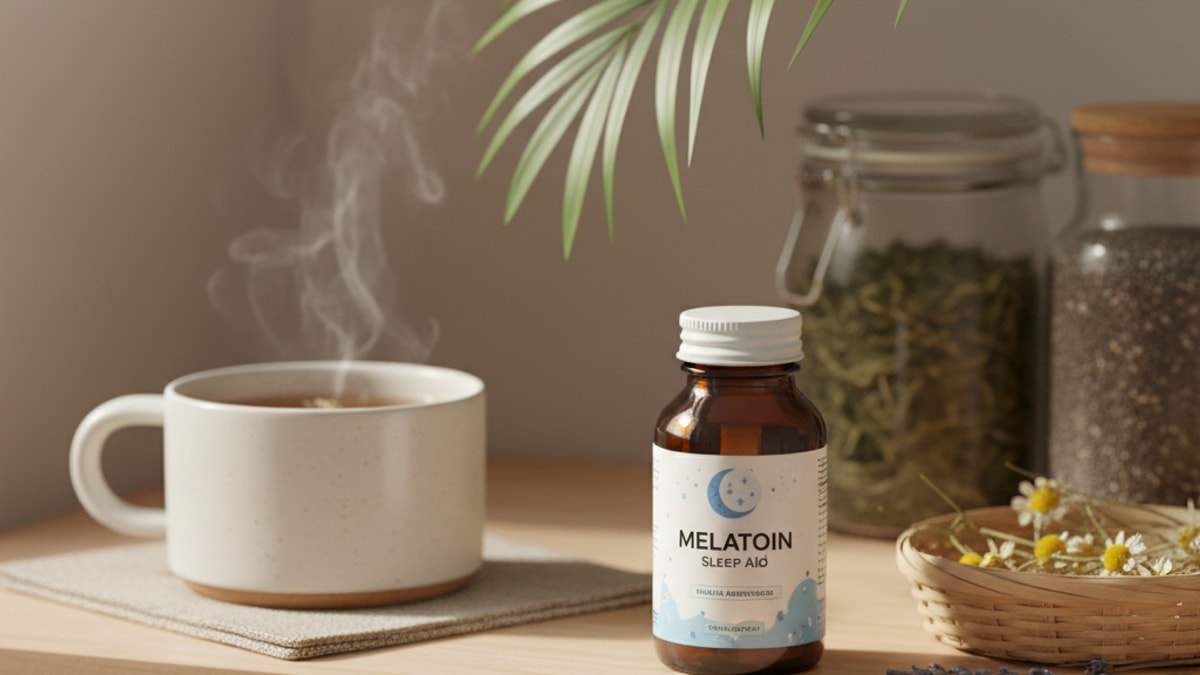
Does Melatonin Need Refrigeration Storage? (Shelf Stability Facts)
Most melatonin supplements. Tablets, capsules, gummies, and even sublingual forms. Don't require refrigeration. Standard room temperature storage (68–77°F) preserves potency for 2–3 years when the container is sealed and kept away from direct sunlight and humidity. The confusion stems from peptide-based supplements and compounded medications, which often do require cold storage. But synthetic melatonin, the form used in nearly all commercial supplements, is chemically stable at ambient temperature. The real threat to melatonin potency isn't warmth within normal household ranges. It's moisture intrusion, UV exposure, and oxidative degradation from repeated opening in humid environments.
We've worked with research-grade supplement compounds for years. The storage requirements for melatonin are misunderstood more often than almost any other common supplement, largely because people conflate the rules for temperature-sensitive peptides with those for small-molecule hormones like melatonin.
Does melatonin need refrigeration storage for long-term stability?
No. Melatonin supplements in sealed containers remain stable at room temperature (68–77°F) for 2–3 years without refrigeration. Synthetic melatonin is a chemically stable indoleamine hormone with a melting point above 116°C, meaning typical household temperatures (even up to 85°F) cause negligible degradation. Refrigeration becomes relevant only for bulk melatonin powder once opened, liquid formulations without preservatives, or if you live in consistently high-heat environments (above 90°F daily). The critical factors for preserving melatonin potency are moisture control, UV protection, and oxygen exposure. Not cold storage.
Understanding Melatonin's Chemical Stability
Melatonin (N-acetyl-5-methoxytryptamine) is a lipophilic indoleamine synthesized from tryptophan via serotonin conversion. Unlike peptide-based supplements. Which denature at elevated temperatures due to fragile amino acid chains. Melatonin is a small, stable molecule with a molecular weight of 232.28 g/mol and a defined melting point of 116.5–118°C. This thermal stability means that temperatures within normal household ranges (even up to 30°C or 86°F) produce minimal degradation over typical supplement shelf life.
The primary degradation pathways for melatonin in solid oral dosage forms are oxidative (exposure to oxygen during manufacturing or from repeated bottle opening) and photolytic (UV light exposure). A 2019 stability study published in the Journal of Pharmaceutical Sciences found that melatonin tablets stored in amber glass at 25°C retained 98.7% potency after 24 months, compared to 97.2% at 40°C with 75% relative humidity. The difference is statistically measurable but functionally negligible for consumer use. Moisture intrusion is the bigger threat: melatonin in hygroscopic excipients (common tablet binders) can degrade by 8–12% within six months if stored in bathrooms or other high-humidity environments.
Whether melatonin need refrigeration storage depends almost entirely on formulation. Tablets and capsules with desiccant packs remain stable at room temperature. Liquid melatonin without added preservatives (ethanol, glycerin, or sodium benzoate) can support microbial growth at room temperature and should be refrigerated once opened. Bulk melatonin powder, once the factory seal is broken, benefits from refrigeration because the increased surface area accelerates oxidation. But even then, an airtight container with a desiccant pack at room temperature often suffices.
When Refrigeration Actually Matters
Refrigeration becomes necessary in three specific scenarios: you've purchased bulk melatonin powder and broken the factory seal, you're using a liquid melatonin formulation without preservatives, or you live in a region where indoor temperatures regularly exceed 85°F without air conditioning.
Bulk powder presents the highest risk. Once exposed to air, the dramatically increased surface-to-volume ratio allows oxidation to proceed far faster than in pressed tablets. A 100-gram jar of melatonin powder opened weekly in a humid climate can lose 15–20% potency within three months at room temperature. Refrigeration at 2–8°C slows this to under 5% degradation over the same period. The mechanism is straightforward: lower temperature reduces the kinetic energy available for oxidative reactions, and the sealed refrigerator environment maintains lower relative humidity than most household spaces.
Liquid formulations without alcohol or glycerin preservatives face microbial contamination risk rather than chemical degradation. Melatonin dissolved in plain water or vegetable glycerin can support bacterial and fungal growth at room temperature once the sterile seal is broken. Refrigeration below 8°C suppresses microbial proliferation without freezing the solution. Most manufacturers of preservative-free liquid melatonin explicitly state "refrigerate after opening" on the label. If your liquid melatonin contains ethanol above 15% or includes sodium benzoate, refrigeration is unnecessary. Those formulations are self-preserving.
Extreme ambient heat is the third trigger. If you live in a region where indoor temperatures exceed 30°C (86°F) regularly and lack climate control, refrigeration prevents cumulative thermal stress. While a single day at 35°C won't destroy melatonin potency, sustained exposure over months accelerates oxidative pathways enough to matter. An unopened bottle stored in a consistently hot environment for six months can lose 5–8% potency compared to the same bottle stored at 20–25°C.
Proper Storage Without Refrigeration
For most users, optimal melatonin storage requires no refrigeration. Just attention to three environmental factors: light exposure, moisture intrusion, and oxygen contact.
Store melatonin in its original amber or opaque container. UV light catalyzes photolytic degradation of the indole ring structure, and even indirect sunlight through a clear plastic bottle can reduce potency by 10–15% over 12 months. If you've transferred tablets to a pill organizer, keep that organizer in a drawer or cabinet. Never on a windowsill or bathroom counter where light exposure is constant. The difference between a bottle stored in a dark cabinet versus one left on a sunny kitchen counter can be 8–12% potency loss per year.
Moisture control is equally critical. Melatonin itself is relatively stable, but the excipients used in tablets (microcrystalline cellulose, magnesium stearate, and others) are hygroscopic. They absorb water vapor from humid air. Once absorbed, that moisture accelerates hydrolytic breakdown of the active ingredient. Store melatonin bottles in low-humidity rooms. Bedrooms and closets are ideal; bathrooms and kitchens are not. If your home is consistently humid (above 60% relative humidity), consider adding a small desiccant pack to the bottle after opening. Whether melatonin need refrigeration storage becomes irrelevant if you solve the moisture problem at room temperature.
Oxygen exposure increases each time you open the bottle. Minimize this by: (1) not opening the bottle unnecessarily, (2) closing the cap immediately after removing a dose, and (3) avoiding the common mistake of leaving the bottle open on a nightstand. Pharmaceutical-grade melatonin bottles often include an oxygen-absorbing liner or desiccant pack in the cap. These are single-use and effective only until the first opening. After that, speed matters: a bottle opened and recapped within 10 seconds per dose will retain potency far longer than one left uncapped for minutes at a time.
| Storage Condition | Potency After 12 Months | Potency After 24 Months | Notes |
|---|---|---|---|
| Room temp (68–77°F), sealed amber bottle, low humidity | 98–99% | 96–98% | Ideal for tablets and capsules |
| Room temp, clear bottle, indirect sunlight | 90–93% | 85–90% | UV degradation accelerates loss |
| Refrigerated (36–46°F), sealed container | 99% | 98–99% | Negligible benefit for sealed tablets |
| High heat (85–95°F), sealed bottle | 94–96% | 88–92% | Cumulative thermal stress over time |
| High humidity (>70% RH), room temp | 88–92% | 80–85% | Moisture-driven degradation dominates |
| Assessment | Cold storage offers minimal benefit for sealed solid forms; moisture and light control matter more | Refrigeration becomes relevant for opened bulk powder or extreme heat exposure | For standard consumer use, a dark cabinet at room temperature is sufficient |
Key Takeaways
- Melatonin need refrigeration storage only in specific cases: bulk powder after opening, preservative-free liquid formulations, or sustained indoor temperatures above 85°F.
- Synthetic melatonin is thermally stable at room temperature (68–77°F) with a melting point above 116°C, meaning normal household heat causes negligible degradation.
- The primary threats to melatonin potency are moisture intrusion, UV light exposure, and oxidative degradation from repeated bottle opening. Not ambient temperature within typical ranges.
- Tablets and capsules in sealed amber containers retain 96–98% potency after two years at room temperature when stored in low-humidity, dark environments.
- Refrigeration won't harm melatonin supplements but offers minimal benefit for sealed solid forms; focus instead on keeping bottles tightly closed, away from light, and out of humid rooms.
What If: Melatonin Storage Scenarios
What If I Accidentally Left My Melatonin in a Hot Car?
Remove it immediately and assess exposure duration. A sealed bottle left in a car at 120–140°F for 2–4 hours experiences accelerated oxidation but likely retains 92–96% potency. Functionally still effective. If the bottle was in direct sunlight for 6+ hours or multiple days, potency loss could reach 10–15%, and the tablets may show discoloration (yellowing or browning). Melatonin that has turned dark brown or developed a strong odor should be discarded. If the tablets still appear white or off-white and smell neutral, they're likely still usable, though you may want to replace them if the bottle sat in extreme heat for a full day or more.
What If My Melatonin Bottle Doesn't Have a Desiccant Pack?
This is common with lower-cost brands. Store the bottle in a low-humidity area and ensure the cap is tightly sealed after every use. If you live in a humid climate, you can add a small food-grade desiccant pack (the type used in vitamin bottles) to the melatonin container after opening. These packs absorb moisture that would otherwise penetrate hygroscopic tablet excipients, extending shelf life by 6–12 months in high-humidity environments. Whether melatonin need refrigeration storage becomes less relevant if you control moisture at room temperature. Dry storage at 70°F outperforms humid storage at 40°F.
What If I Store Melatonin in a Weekly Pill Organizer?
Transfer only a week's supply at a time and keep the organizer in a dark, dry drawer. Pill organizers expose tablets to more frequent air and moisture contact than sealed bottles, which accelerates degradation. A tablet stored in an organizer for 4–6 weeks can lose 3–5% potency compared to one kept in the original bottle. If you must use an organizer, choose an opaque one rather than clear plastic, and refill it weekly rather than monthly. Never store the organizer in a bathroom or near a sink.
The Practical Truth About Melatonin Storage
Here's the honest answer: the supplement industry has created confusion by applying blanket "refrigerate after opening" labels to products that don't need it. Melatonin need refrigeration storage far less often than the cautious phrasing on some labels suggests. The chemistry is clear. Synthetic melatonin is stable at room temperature, and refrigeration provides measurable benefit only in edge cases: opened bulk powder, preservative-free liquids, or extreme sustained heat.
The real failure point for most melatonin supplements isn't temperature. It's user error. Leaving bottles uncapped, storing them in bathrooms where steam and humidity are constant, or keeping them in clear containers on sunny counters causes far more potency loss than a few degrees of temperature variation. A bottle stored correctly at 75°F will outlast one stored carelessly at 40°F every time.
If you want to refrigerate melatonin for peace of mind, it won't cause harm. But don't mistake cold storage for proper storage. A refrigerated bottle that gets opened in a steamy bathroom every morning is still being degraded by moisture. A room-temperature bottle in a sealed amber container, kept in a bedroom drawer, and opened only when needed will retain full potency for two years or more. Focus on what actually matters: keep it dry, keep it dark, and keep it sealed.
Refrigeration becomes a requirement when you're working with research-grade compounds or bulk materials. If you're sourcing peptides or other temperature-sensitive molecules for biological research, storage protocols shift entirely. Lyophilized peptides stored at −20°C, reconstituted solutions refrigerated at 2–8°C, and temperature logs maintained throughout. That level of precision reflects the fragility of peptide bonds, not the relative stability of small-molecule hormones like melatonin. For anyone using standard melatonin supplements in tablet or capsule form, refrigeration is optional. And often unnecessary. The bottle is already designed to protect the contents at room temperature. Your job is to use it correctly: keep it closed, keep it dry, and keep it out of the light.
Frequently Asked Questions
How long does melatonin last at room temperature?
▼
Sealed melatonin tablets and capsules retain 96–98% potency for 2–3 years when stored at room temperature (68–77°F) in their original amber containers away from light and moisture. The expiration date printed on the bottle reflects stability testing under these conditions. Once opened, potency remains stable for the full shelf life as long as the bottle is recapped tightly after each use and stored in a low-humidity environment.
Can melatonin lose potency if not refrigerated?
▼
Melatonin need refrigeration storage only in specific cases — bulk powder after opening, liquid formulations without preservatives, or sustained exposure to temperatures above 85°F. Standard tablet and capsule forms lose minimal potency at room temperature (typically under 2% per year) when protected from moisture, light, and oxygen. Improper storage — leaving bottles open, exposing them to sunlight, or storing them in humid bathrooms — causes far more degradation than lack of refrigeration.
What happens if you refrigerate melatonin?
▼
Refrigerating melatonin in sealed containers causes no harm and may extend shelf life slightly in hot climates, but it offers negligible benefit for most users. The cold temperature slows oxidative reactions and reduces moisture exposure, but these benefits are minimal when the original bottle already provides UV protection and moisture barriers. The primary risk of refrigeration is condensation — if you repeatedly move a cold bottle into a warm room, moisture can condense inside the cap and degrade tablets over time.
Does liquid melatonin need to be refrigerated?
▼
Liquid melatonin without alcohol or preservative additives should be refrigerated after opening to prevent microbial growth. Formulations containing ethanol above 15%, glycerin, or sodium benzoate are self-preserving and can be stored at room temperature. Check the label — if it says ‘refrigerate after opening’ and lists water or vegetable glycerin as the primary base without alcohol, cold storage is necessary. Preservative-free liquids stored at room temperature can develop bacterial contamination within 2–4 weeks.
How should bulk melatonin powder be stored?
▼
Bulk melatonin powder should be refrigerated at 2–8°C once the factory seal is broken. The increased surface area of powdered melatonin accelerates oxidation compared to tablets, and exposure to air during scooping introduces moisture. Store powder in an airtight container with a desiccant pack, and remove it from the refrigerator only long enough to measure your dose — prolonged exposure to room temperature air during each use degrades potency by 1–2% monthly in humid environments.
Can you tell if melatonin has gone bad?
▼
Degraded melatonin often develops a yellowish or brownish discoloration and may have a faint musty or chemical odor. Fresh melatonin tablets are white or off-white with minimal smell. If tablets have turned dark brown, crumbled into powder, or smell rancid, discard them — these are signs of oxidative breakdown or moisture intrusion. Melatonin that looks and smells normal but is past its expiration date by 6–12 months likely retains 90–95% potency and is still safe to use, though effectiveness may be slightly reduced.
Does melatonin need refrigeration storage after opening?
▼
Standard melatonin tablets and capsules do not require refrigeration after opening — they remain stable at room temperature (68–77°F) for their full shelf life if recapped tightly and stored away from moisture and light. Bulk powder and preservative-free liquid formulations should be refrigerated once opened. The key is minimizing air exposure: open the bottle only when needed, recap immediately, and store it in a dry, dark location like a bedroom drawer or cabinet.
What is the best way to store melatonin long-term?
▼
Store melatonin in its original amber or opaque container in a cool, dry, dark location — a bedroom drawer or closet shelf is ideal. Keep the bottle tightly sealed and avoid bathrooms or kitchens where humidity fluctuates. If storing bulk powder or living in a hot climate, refrigeration at 36–46°F extends shelf life, but for sealed tablets at typical room temperatures, a moisture-free cabinet provides equivalent protection. Adding a desiccant pack to opened bottles in humid regions further preserves potency.
Is refrigerated melatonin more effective?
▼
No — refrigerated melatonin is not inherently more effective than properly stored room-temperature melatonin. Synthetic melatonin’s chemical structure remains stable at 68–77°F, and refrigeration offers minimal potency advantage for sealed solid forms. The effectiveness of melatonin depends on correct dosage, timing (30–60 minutes before sleep), and individual receptor sensitivity — not storage temperature. Cold storage becomes relevant only when powder is opened frequently or when preventing moisture intrusion in high-humidity environments.
Can heat damage melatonin supplements?
▼
Sustained heat above 85°F accelerates oxidative degradation, causing 5–8% potency loss over six months compared to storage at 68–77°F. Brief exposure to high heat — such as leaving a bottle in a hot car for a few hours — causes minimal damage (2–4% loss). Prolonged exposure to temperatures above 100°F, especially in direct sunlight, can reduce potency by 10–15% and cause discoloration. Melatonin need refrigeration storage in consistently hot climates without air conditioning, but for most users, a cool indoor cabinet is sufficient.
