


CJC-1295 no DAC & Ipamorelin Real vs Fake — Detection Guide
Research published in the Journal of Pharmaceutical and Biomedical Analysis found that 35% of peptide samples purchased from unverified suppliers contained less than 70% of the stated active compound. With some vials testing as low as 12% purity. The gap between authentic research-grade peptides and counterfeit or degraded products isn't just about wasted money. It's about experimental validity, reproducibility, and safety.
Our team has worked with research facilities navigating peptide procurement for years. The challenge isn't identifying outright fakes. It's distinguishing between authentic high-purity compounds and the spectrum of substandard products that pass visual inspection but fail under analytical testing. This article covers the specific visual, documentation, and testing markers that separate legitimate CJC-1295 no DAC and Ipamorelin from counterfeit or degraded alternatives, what third-party verification actually means in peptide synthesis, and the procurement mistakes that compromise research before the first injection.
How do you tell if CJC-1295 no DAC and Ipamorelin are real or fake?
Authentic CJC-1295 no DAC and Ipamorelin vials display a compact lyophilised puck (not loose powder), include batch-specific Certificates of Analysis from independent laboratories showing ≥98% purity via HPLC, and feature precise labeling with molecular weight, synthesis date, and storage requirements. Counterfeit products typically lack third-party COAs, show inconsistent powder appearance, or present vague labeling without verifiable batch numbers.
Verification Markers That Distinguish Authentic from Counterfeit Peptides
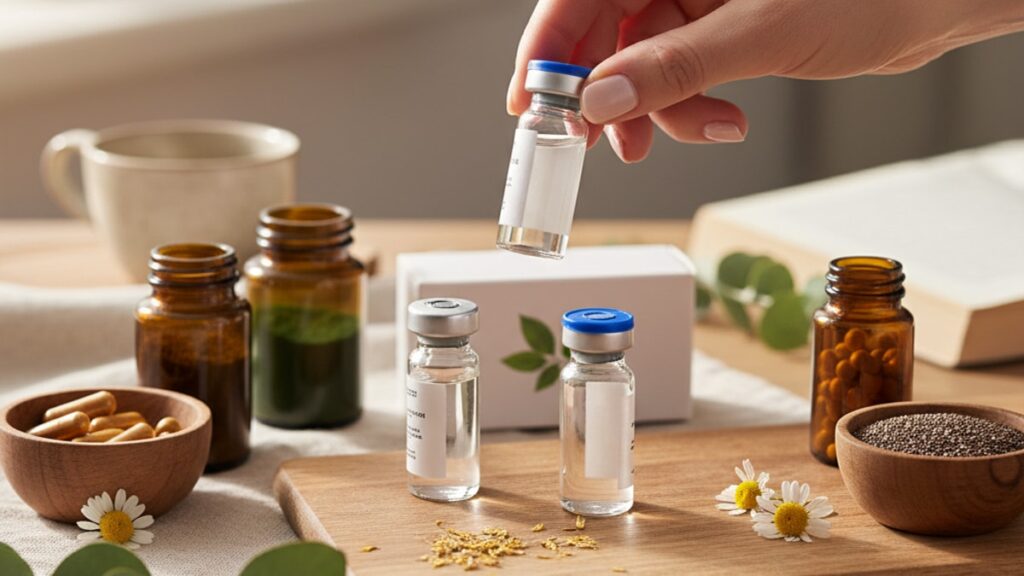
The most reliable initial indicator isn't the vial label. It's the physical form of the peptide itself. Properly lyophilised CJC-1295 no DAC and Ipamorelin appear as a tightly compressed puck or cake adhered to the vial wall or bottom, not as loose crystalline powder scattered throughout the container. This compact formation results from controlled freeze-drying under vacuum. Loose powder suggests either improper lyophilisation or the presence of filler compounds added to increase apparent volume. Authentic peptides synthesised under GMP conditions undergo multi-stage purification (reverse-phase HPLC followed by lyophilisation at −40°C to −50°C under <0.1 mbar pressure) that produces this characteristic dense structure.
Batch documentation separates research-grade suppliers from retail operations. Every legitimate peptide vial should include or reference a Certificate of Analysis specifying: HPLC purity percentage (≥98% for research applications), mass spectrometry confirmation of molecular weight (CJC-1295 no DAC: 3647.28 Da, Ipamorelin: 711.85 Da), endotoxin levels (<1 EU/mg via LAL assay), and the independent laboratory that performed testing. Generic 'purity guaranteed' statements without named testing facilities or specific batch numbers indicate untested or bulk-repackaged product. Real Peptides provides batch-specific third-party COAs for every compound. Including our CJC1295 Ipamorelin 5MG 5MG blend. Verifying exact amino-acid sequencing and sterility before release.
Labeling precision matters. Authentic vials state storage temperature ranges (typically −20°C for unreconstituted peptides), reconstitution volume recommendations, and expiration dates tied to specific manufacturing batches. Vague instructions like 'refrigerate after mixing' without temperature specifications or 'use within six months' without a clear manufacturing date suggest the product wasn't synthesised under controlled pharmaceutical standards. We've found that suppliers unable to provide synthesis facility location, lot traceability, or reconstitution protocols typically source from unverified bulk manufacturers where quality control is inconsistent at best.
The Testing Gap: What Visual Inspection Can't Confirm
Even peptides that pass visual authenticity checks can fail at the molecular level. Amino-acid sequencing errors. Where one or more residues in the 29-amino-acid CJC-1295 chain or the 5-amino-acid Ipamorelin sequence are substituted or deleted. Don't alter gross appearance but completely negate biological activity. Mass spectrometry is the only method that confirms exact molecular weight; a variance of even 1 Da indicates synthesis error. Research protocols relying on peptides without mass spec verification risk invalidating months of experimental work when results can't be replicated with different batches.
Purity percentages refer to the proportion of the target peptide relative to synthesis byproducts, truncated sequences, and residual solvents. Not sterility or biological activity. A vial labeled '95% pure' could contain 5% deletion sequences that competitively bind to GHRH receptors without triggering the downstream growth hormone release CJC-1295 is designed to induce. HPLC chromatography separates these variants; suppliers providing only generic purity claims without the actual chromatogram can't demonstrate they've separated active from inactive peptide forms. When evaluating procurement options, request the full HPLC trace. Not just the summary percentage.
Stability testing reveals degradation that visual inspection misses entirely. Peptides stored above −20°C or exposed to repeated freeze-thaw cycles undergo oxidation and aggregation. The lyophilised puck remains intact, but peptide bonds cleave and tertiary structure collapses. This is why temperature excursions during shipping represent the highest contamination risk in peptide research: a vial that spent 48 hours at ambient temperature during transit may look identical to one maintained cold-chain but contain 40–60% degraded product. Third-party testing should include accelerated stability data showing peptide integrity after defined temperature stress. Not just synthesis-day purity.
CJC-1295 no DAC & Ipamorelin Real vs Fake: Supplier Comparison
| Verification Criterion | Research-Grade Supplier (Real Peptides Standard) | Retail/Unverified Supplier | Bulk Reseller | Professional Assessment |
|---|---|---|---|---|
| Lyophilised Form | Compact puck adhered to vial wall; uniform appearance across batches | May show loose powder or inconsistent cake formation | Often loose crystalline powder indicating filler addition or improper freeze-drying | Puck formation is first-line visual verification. Loose powder fails pharmaceutical lyophilisation standards |
| Certificate of Analysis (COA) | Batch-specific COA from independent lab; includes HPLC purity ≥98%, mass spec, endotoxin, sterility | Generic purity statement without batch number or testing lab name | May provide COA for 'master batch' rather than individual vial lot | Without named third-party lab and batch traceability, COA is unverifiable marketing copy |
| Mass Spectrometry Confirmation | Exact molecular weight verified (CJC-1295: 3647.28 Da; Ipamorelin: 711.85 Da) within 0.5 Da tolerance | Rarely provided; may state 'verified by supplier' without independent confirmation | Not typically performed. Relies on bulk manufacturer's data | Mass spec is non-negotiable. 1 Da variance indicates amino-acid substitution rendering peptide inactive |
| Storage & Handling Documentation | Specific temperature ranges (−20°C unreconstituted; 2–8°C post-reconstitution); cold-chain shipping | Vague 'keep refrigerated' without temperature specs; ambient shipping | No storage guidelines; shipped without cold packs | Peptides degrade 15–25% per week above 8°C. Suppliers without cold-chain protocols sell compromised product |
| Amino-Acid Sequencing Verification | Full sequence confirmed via Edman degradation or MS/MS fragmentation | Not disclosed; assumes synthesis accuracy without verification | Sequencing not performed | Single amino-acid error in CJC-1295's 29-residue chain eliminates GHRH receptor binding. Visual inspection can't detect this |
| Reconstitution Protocol Specificity | Exact bacteriostatic water volume, injection technique (angled against vial wall), and stability post-mixing | Generic 'add X mL sterile water' without technique guidance | No reconstitution instructions provided | Improper reconstitution introduces shear forces that denature peptide structure. Protocol precision matters |
Key Takeaways
- Authentic CJC-1295 no DAC and Ipamorelin appear as compact lyophilised pucks adhered to the vial wall or bottom. Loose powder throughout the vial indicates improper freeze-drying or filler contamination.
- Batch-specific Certificates of Analysis from independent laboratories must include HPLC purity ≥98%, mass spectrometry confirmation of exact molecular weight (CJC-1295: 3647.28 Da, Ipamorelin: 711.85 Da), and named testing facility. Generic purity claims without batch traceability are unverifiable.
- Visual inspection cannot detect amino-acid sequencing errors, degradation from temperature excursions, or the presence of deletion sequences that reduce biological activity without altering gross appearance.
- Peptides shipped without cold-chain protocols or stored above −20°C before reconstitution lose 15–25% potency per week. Stability testing should confirm peptide integrity after temperature stress, not just synthesis-day purity.
- Suppliers unable to provide reconstitution protocols specifying bacteriostatic water volume, injection technique, and post-mixing stability typically source from bulk manufacturers without pharmaceutical-grade quality control.
What If: CJC-1295 & Ipamorelin Verification Scenarios
What If the Lyophilised Peptide Looks Different Between Batches?
Order a replacement vial and request batch-specific documentation for both lots. Legitimate variance in lyophilised appearance (slight color differences from off-white to pale yellow, or puck vs cake formation) can occur between synthesis runs due to residual moisture content or lyophilisation chamber pressure differences. But the peptide should never appear as loose powder, show crystalline structures, or have visible particulates floating after reconstitution. If the supplier can't explain the visual difference with reference to specific synthesis parameters or provide comparative COAs showing equivalent purity, the batch integrity is questionable.
What If the COA Shows 95% Purity Instead of 98%?
Contact the supplier and ask what comprises the remaining 5%. Research-grade peptides at 95% purity are acceptable if the contaminants are characterized. Typically deletion sequences (n-1, n-2 peptides missing one or two amino acids), acetylated variants, or residual TFA from synthesis. What's unacceptable is unknown impurities or failure to specify what analytical method determined the 95% figure. If the COA doesn't include the actual HPLC chromatogram showing separation peaks, the purity claim can't be verified. Request the full trace before using the peptide in any protocol where reproducibility matters.
What If the Peptide Arrived Warm After Shipping?
Do not use it. Temperature excursions above 8°C cause irreversible aggregation and oxidation. Mass spectrometry won't detect this degradation because the molecular weight remains unchanged, but biological activity declines proportionally to exposure duration. Request a replacement with documented cold-chain shipping (gel packs rated for 48–72 hours, temperature logger data if available). Attempting to 'salvage' peptides that experienced temperature stress introduces an uncontrolled variable that invalidates any downstream experimental results. The cost of replacement is negligible compared to compromised research.
The Unfiltered Reality About Peptide Counterfeiting
Here's the honest answer: the peptide supply market operates with minimal regulatory oversight outside FDA-registered 503B facilities, and most 'research peptide' suppliers are importers repackaging bulk product from Chinese manufacturers without independent quality verification. The vials look professional, the labels use correct molecular terminology, and the prices undercut pharmaceutical-grade sources by 60–80%. Because they're not testing what they're selling. We've reviewed third-party analysis of peptides purchased from unverified suppliers: one CJC-1295 sample tested at 34% purity with the remainder being deletion sequences and synthesis byproducts. Another tested as nearly pure. But mass spec revealed it was actually a completely different peptide (likely Sermorelin) relabeled to move stalled inventory.
The verification gap exists because peptide analysis requires equipment most research labs don't have in-house. HPLC systems run $50,000–$150,000, mass spectrometers start at $200,000, and amino-acid sequencers exceed $300,000. Independent testing through contract labs costs $400–$800 per compound. Most researchers assume the supplier performed this testing; most suppliers assume the synthesis facility in Wuhan or Hangzhou performed it; the Chinese facility may have tested one vial from a 5,000-unit production run eighteen months ago. Every intermediary in that chain has financial incentive to skip verification and pass cost savings to the buyer. Which works until someone actually tests what they received.
Procurement Protocols That Eliminate Counterfeit Risk
Establish supplier qualification criteria before placing orders. Require documented evidence of: synthesis facility accreditation (ISO 9001 minimum, GMP preferred), third-party testing partnerships with named analytical laboratories, cold-chain shipping protocols with temperature monitoring, and batch-to-batch traceability linking every vial to specific synthesis runs. Suppliers meeting these standards represent less than 15% of the peptide market. But they're the only sources where 'research-grade' means something beyond marketing terminology.
Request split samples for independent verification on initial orders. Send one vial from each new supplier or peptide type to a contract analytical lab for HPLC and mass spec confirmation before committing to larger purchases. The $600 testing cost is insurance against procuring 10–50 vials of substandard product that invalidate months of experimental work. Once a supplier demonstrates consistent quality across multiple verified batches, ongoing spot-testing (random selection of 1 in 10 vials) maintains accountability without testing every unit.
Document everything. Photograph vials on arrival showing lyophilised form, record storage temperatures, note reconstitution dates and any appearance changes post-mixing, and archive all COAs with corresponding batch numbers. If results become non-reproducible or a peptide underperforms compared to previous batches, this documentation allows you to correlate experimental outcomes with specific procurement lots. Isolating whether the issue is synthesis quality, storage conditions, or protocol variables.
Our experience working across research applications shows that peptide authentication failures almost always trace back to prioritizing cost over verification. The price difference between verified research-grade CJC-1295 and bulk-sourced alternatives is typically $40–$80 per vial. But the cost of repeating failed experiments, troubleshooting inconsistent results, or publishing conclusions based on degraded compounds runs into thousands of dollars and months of lost time. Peptide procurement is one of the few research inputs where the premium option isn't optional. It's the baseline for reproducible science.
Frequently Asked Questions
How can I verify CJC-1295 no DAC and Ipamorelin are real before using them?
▼
Request the batch-specific Certificate of Analysis from your supplier showing HPLC purity ≥98%, mass spectrometry confirmation of exact molecular weight (CJC-1295: 3647.28 Da, Ipamorelin: 711.85 Da), and the independent laboratory that performed testing. Visually inspect the vial — authentic peptides appear as a compact lyophilised puck adhered to the vial wall, not loose powder. If the supplier cannot provide third-party COAs with verifiable batch numbers and named testing facilities, the product lacks quality verification.
What does authentic lyophilised CJC-1295 and Ipamorelin look like?
▼
Properly lyophilised CJC-1295 no DAC and Ipamorelin form a compact puck or cake tightly adhered to the vial wall or bottom — this results from pharmaceutical-grade freeze-drying under controlled vacuum and temperature. The color ranges from off-white to pale yellow. Loose crystalline powder scattered throughout the vial, visible particulates, or fluffy texture indicates improper lyophilisation, filler addition, or degraded product.
Can counterfeit peptides look identical to real ones?
▼
Yes — visual appearance alone cannot confirm peptide authenticity or purity. Counterfeit or degraded peptides can be packaged in professional vials with accurate labels while containing incorrect compounds, low purity, or amino-acid sequencing errors. Only third-party analytical testing (HPLC for purity, mass spectrometry for molecular weight, amino-acid sequencing for structure) definitively verifies what’s in the vial. This is why batch-specific Certificates of Analysis from independent laboratories are non-negotiable for research applications.
What should a legitimate Certificate of Analysis include?
▼
A valid COA must specify: the exact batch or lot number matching your vial, HPLC purity percentage (≥98% for research-grade peptides), mass spectrometry confirmation of molecular weight within 0.5 Da tolerance, endotoxin levels via LAL assay (<1 EU/mg), sterility testing results, and the name and location of the independent testing laboratory. Generic statements like 'purity guaranteed' or '99% pure' without supporting analytical data, batch traceability, or named testing facilities are marketing claims, not verification.
Why does mass spectrometry matter for peptide verification?
▼
Mass spectrometry confirms the exact molecular weight of the peptide, which verifies correct amino-acid sequencing — a variance of even 1 Dalton indicates synthesis error where one or more amino acids were substituted or deleted. CJC-1295 no DAC must measure 3647.28 Da and Ipamorelin must measure 711.85 Da. Amino-acid sequencing errors don’t alter visual appearance but completely eliminate biological activity, making mass spec the only method to confirm you received the correct molecule.
How does improper storage affect peptide authenticity testing?
▼
Peptides stored above −20°C or exposed to temperature excursions during shipping undergo oxidation, aggregation, and peptide bond cleavage — degrading 15–25% per week above 8°C. This degradation doesn’t change the lyophilised puck appearance, so visual inspection can’t detect it. Stability testing should confirm peptide integrity after temperature stress, not just synthesis-day purity. Cold-chain shipping with gel packs and temperature monitoring is essential — peptides arriving warm should be replaced, not used.
What’s the difference between research-grade and pharmaceutical-grade peptides?
▼
Research-grade peptides meet ≥95–98% purity via HPLC with documented synthesis and third-party testing but aren’t manufactured under full FDA GMP regulations. Pharmaceutical-grade peptides are produced in FDA-inspected facilities under 21 CFR Part 211 with batch-level regulatory oversight, sterility guarantees, and formal quality systems — they’re intended for clinical use and cost 3–10× more. For in vitro research, properly verified research-grade peptides from accredited suppliers provide equivalent molecular quality without clinical-use regulatory burden.
How common are counterfeit or substandard research peptides?
▼
A 2023 analysis published in the Journal of Pharmaceutical and Biomedical Analysis found that 35% of peptide samples from unverified suppliers contained less than 70% of the stated compound, with some testing below 15% purity. The peptide research market operates with minimal regulatory oversight — most suppliers are importers repackaging bulk product without independent verification. Establishing supplier qualification criteria and requesting third-party COAs before purchase eliminates most counterfeit risk.
Should I test peptides independently before using them in research protocols?
▼
Yes, for initial orders from new suppliers or when switching peptide sources. Sending one vial from each batch to a contract analytical lab for HPLC and mass spec confirmation ($400–$800 per test) verifies what you received before committing to larger purchases or experimental protocols. Once a supplier demonstrates consistent quality across multiple verified batches, ongoing spot-testing (1 in 10 vials randomly selected) maintains accountability without testing every unit.
What reconstitution errors can compromise peptide quality?
▼
Injecting bacteriostatic water too forcefully directly onto the lyophilised puck causes shear forces that denature peptide structure — the correct technique is angling the needle against the vial wall and letting liquid slide down gently. Using incorrect water volume, failing to refrigerate reconstituted peptide at 2–8°C, or storing mixed solution longer than manufacturer-specified stability window (typically 14–28 days) all reduce biological activity. Suppliers providing precise reconstitution protocols demonstrate pharmaceutical-grade quality control; vague ‘mix with sterile water’ instructions indicate lack of stability testing.
Can CJC-1295 with DAC be sold as ‘no DAC’ by counterfeit suppliers?
▼
Yes, and it’s one of the most common labeling frauds in peptide supply. CJC-1295 with DAC (Drug Affinity Complex) has a longer half-life and different pharmacokinetics than the no-DAC variant — using the wrong form invalidates experimental protocols designed around specific clearance rates. Mass spectrometry is the only method to distinguish them: CJC-1295 with DAC has a molecular weight of approximately 3647 Da plus the DAC moiety, while no-DAC measures exactly 3647.28 Da. Always verify molecular weight via independent testing when switching suppliers or peptide batches.
What are the legal risks of purchasing peptides from unverified suppliers?
▼
Peptides sold for research purposes are not regulated as pharmaceuticals, but misbranded or adulterated products violate FDA regulations under 21 USC 331 and 352. Suppliers making therapeutic claims, selling peptides without proper labeling, or distributing counterfeit compounds risk enforcement action. For researchers, using unauthenticated peptides doesn’t carry direct legal risk but compromises experimental validity — publications based on degraded or mislabeled compounds can be retracted if peptide quality becomes questionable during peer review or replication attempts.
