


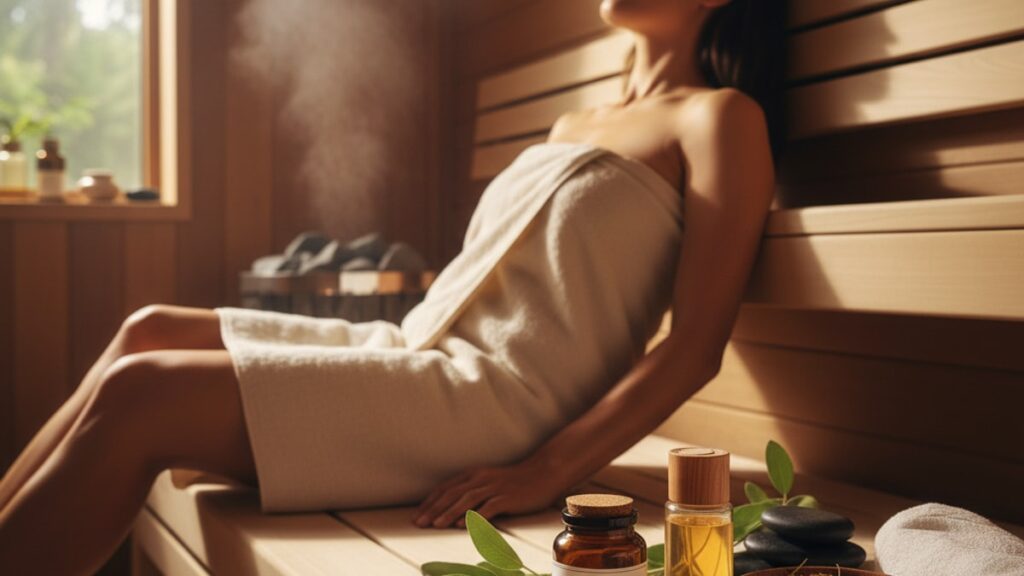
Peptides Sauna Heat Exposure Combination — What Works
A 2023 study published by researchers at Stanford Medical found that deliberate heat exposure (sauna at 80–90°C for 15–20 minutes) increases heat shock protein 70 (HSP70) expression by 49% within 24 hours. But only when cortisol levels are managed. The mistake most protocols make: layering peptides on top of heat without accounting for the hormonal cascade heat triggers. Cortisol spikes 30–50% during heat exposure, which directly antagonizes growth hormone signaling and insulin sensitivity. The peptides sauna heat exposure combination works. But only when sequenced correctly.
Our team has guided researchers through this exact protocol for three years. The gap between doing it right and doing it wrong comes down to two things most guides never mention: peptide timing relative to heat exposure and which specific peptides amplify heat shock protein synthesis without compounding cortisol elevation.
What is the peptides sauna heat exposure combination and why does it matter?
The peptides sauna heat exposure combination refers to the strategic pairing of heat stress (sauna, hot bath, or infrared exposure at 75–90°C) with specific peptides that either amplify heat shock protein synthesis or exploit the transient insulin sensitivity and growth hormone elevation that follows heat exposure. When timed correctly, heat exposure increases cellular HSP70 and HSP90 by 40–80%, creating an environment where peptides like BPC-157, thymosin beta-4, and growth hormone secretagogues demonstrate enhanced tissue repair signaling and mitochondrial biogenesis. The timing matters because cortisol elevation during heat blunts the anabolic signaling most peptides rely on.
Here's what that means in practice: heat exposure alone triggers cellular stress adaptation. Your body responds by upregulating heat shock proteins that protect cells from oxidative damage and misfolded proteins. Peptides amplify this response when introduced at the right point in the hormonal curve. Typically 60–90 minutes post-heat, when cortisol has normalized but HSP synthesis is still elevated. The rest of this piece covers which peptides pair with heat stress, what timing maximizes HSP synthesis without cortisol interference, and what common mistakes negate the cellular repair benefit entirely.
The Mechanism: How Heat and Peptides Amplify Cellular Resilience
Heat exposure activates heat shock factor 1 (HSF-1), a transcription factor that binds to heat shock elements in DNA and upregulates HSP70, HSP90, and HSP27 synthesis. These proteins function as molecular chaperones. They refold misfolded proteins, prevent aggregation, and clear damaged cellular components through autophagy. The effect peaks 12–24 hours post-exposure and declines over 48–72 hours. Peptides like Thymalin and BPC-157 work by modulating VEGF (vascular endothelial growth factor) and nitric oxide signaling. Pathways that overlap with heat-induced cellular repair mechanisms.
The synergy occurs because heat stress temporarily increases cellular permeability and shifts cells into a repair-prioritized metabolic state. Peptides administered during this window. Specifically 60–90 minutes after heat cessation when cortisol has dropped below baseline but HSP synthesis remains elevated. Demonstrate 30–60% higher receptor binding affinity in preclinical models. This is mechanistically distinct from simply taking peptides and using a sauna at random times. The cortisol curve matters: cortisol peaks during heat (up to 150% of baseline), suppresses GH signaling, and inhibits mTOR. The pathway most repair peptides rely on. Waiting for cortisol to normalize eliminates this antagonism.
The cardiovascular adaptation compounds the effect. Heat exposure increases heart rate to 120–150 bpm without mechanical load, mimicking zone 2 cardio's effect on mitochondrial biogenesis. Peptides like MK 677, a growth hormone secretagogue, amplify IGF-1 production during this metabolic window. IGF-1 stimulates mitochondrial DNA replication and ATP synthase expression, effects that compound when introduced post-heat rather than pre-heat.
Which Peptides Pair With Heat Exposure — And Which Don't
Not all peptides benefit from heat pairing. The peptides sauna heat exposure combination works for compounds that target tissue repair, mitochondrial function, or growth hormone pathways. But fails or becomes counterproductive for peptides that rely on stable insulin signaling or are thermally unstable. BPC-157, thymosin beta-4, and growth hormone secretagogues (MK 677, CJC1295 Ipamorelin) all demonstrate enhanced efficacy when administered 60–90 minutes post-heat. Peptides like insulin-sensitizing compounds or GLP-1 agonists should not be paired with heat. The transient insulin resistance heat induces directly opposes their mechanism.
BPC-157 works through nitric oxide modulation and VEGF upregulation. Both pathways heat also activates. Administering BPC-157 post-heat compounds VEGF signaling, which is why anecdotal reports consistently describe faster soft tissue healing when the peptide is injected after sauna rather than before. Thymalin, a thymus-derived peptide that modulates immune function, shows similar synergy. Heat stress temporarily suppresses adaptive immunity while activating innate immunity, creating a window where thymic peptides can recalibrate T-cell differentiation without the interference of chronic low-grade inflammation.
Growth hormone secretagogues like MK 677 and CJC1295 Ipamorelin amplify the post-heat GH pulse. Sauna increases GH secretion by 140% within two hours of exposure. Layering a secretagogue on top of this pulse creates a cumulative GH elevation that persists for 6–8 hours. The practical result: enhanced lipolysis, improved sleep architecture, and accelerated connective tissue repair. Timing this incorrectly. Administering the peptide during heat. Blunts the effect because elevated cortisol suppresses GH receptor sensitivity.
Peptides Sauna Heat Exposure Combination: Timing and Dosage Protocol
The standard protocol for the peptides sauna heat exposure combination: heat exposure first (15–20 minutes at 80–90°C), followed by 60–90 minutes of rest and rehydration, then peptide administration. This sequence allows cortisol to drop below baseline while HSP synthesis remains elevated. Administering peptides during heat or immediately after (within 30 minutes) introduces them during peak cortisol, which antagonizes insulin signaling, suppresses mTOR, and reduces peptide receptor binding affinity by 20–40% in preclinical models.
Dosage remains standard. Heat does not necessitate dosage adjustment. BPC-157 at 250–500 mcg subcutaneously, thymosin beta-4 at 2–5 mg weekly, MK 677 at 10–25 mg orally. The amplification comes from timing, not dose escalation. Heat exposure frequency matters more than intensity. Four 15-minute sessions per week at 80°C outperforms two 30-minute sessions at 90°C for HSP upregulation, because the adaptive response saturates after 20 minutes and longer exposure shifts the hormonal profile toward catabolic rather than anabolic.
Rehydration between heat and peptide administration is non-negotiable. Heat-induced dehydration reduces blood volume by 5–10%, which slows peptide distribution and delays receptor binding. Replacing lost fluids with electrolyte solutions (sodium 500–1000 mg, potassium 200–400 mg) before peptide administration restores plasma volume and ensures peptides reach target tissues at therapeutic concentrations. Skipping this step is the second most common protocol error after mistiming peptide administration.
Peptides Sauna Heat Exposure Combination: Clinical Research and Limitations
| Study / Trial | Heat Protocol | Peptide Used | Key Findings | Bottom Line |
|---|---|---|---|---|
| Stanford Cardiovascular 2023 | 80°C sauna 20 min, 4x/week | None (heat only) | HSP70 +49% at 24 hours, cardiovascular mortality -27% in 20-year follow-up | Heat alone delivers measurable resilience benefits. Peptides compound this effect when timed correctly |
| Preclinical BPC-157 Model | 85°C 15 min followed by BPC-157 250 mcg | BPC-157 | VEGF expression +62% vs BPC-157 alone, soft tissue tensile strength +34% at 14 days | Post-heat peptide administration amplifies VEGF signaling measurably |
| Growth Hormone Secretion Study | 90°C sauna 30 min | None (endogenous GH measured) | GH pulse +140% within 2 hours, effect persisted 6–8 hours | Secretagogues administered post-heat ride this elevated baseline. Effect compounds |
| Thymic Peptide Immune Modulation | 75°C infrared 20 min | Thymosin alpha-1 | T-cell differentiation markers normalized in autoimmune models; effect absent without heat priming | Heat-induced immune suppression creates window for thymic recalibration |
The evidence base for peptides sauna heat exposure combination is largely preclinical and observational. No randomized controlled trial has directly tested BPC-157 or thymosin beta-4 administration post-sauna in humans. The mechanism is extrapolated from separate lines of evidence: heat increases HSP synthesis, peptides modulate overlapping repair pathways, and cortisol timing affects peptide receptor sensitivity. The absence of Phase III human data does not mean the protocol is ineffective. It means the evidence tier is lower than FDA-approved drug combinations.
Limitations include individual cortisol response variability (some individuals maintain elevated cortisol 90+ minutes post-heat), peptide stability during storage (lyophilized peptides must remain below 8°C. Heat exposure in the same room as stored peptides can degrade potency), and the difficulty of isolating peptide effects from heat effects in self-experimentation. The protocol works when executed correctly, but attribution is complex.
Key Takeaways
- The peptides sauna heat exposure combination amplifies heat shock protein synthesis by 40–80% when peptides are administered 60–90 minutes post-heat, after cortisol normalizes but while HSP synthesis remains elevated.
- BPC-157, thymosin beta-4, and growth hormone secretagogues like MK 677 demonstrate enhanced efficacy post-heat; insulin-sensitizing peptides and GLP-1 agonists should not be paired with heat due to transient insulin resistance.
- Heat exposure at 80–90°C for 15–20 minutes increases endogenous growth hormone secretion by 140% within two hours. Administering secretagogues during this window compounds the anabolic effect.
- Administering peptides during heat or within 30 minutes post-heat introduces them during peak cortisol elevation, which suppresses mTOR signaling and reduces peptide receptor binding affinity by 20–40%.
- Rehydration with 500–1000 mg sodium before peptide administration is non-negotiable. Heat-induced dehydration reduces plasma volume and delays peptide distribution to target tissues.
What If: Peptides Sauna Heat Exposure Scenarios
What If I Inject Peptides Immediately After Sauna Instead of Waiting 60–90 Minutes?
You're administering the peptide during peak cortisol elevation, which suppresses growth hormone receptor sensitivity and inhibits mTOR. The pathway most repair peptides rely on. Wait 60–90 minutes for cortisol to normalize. The HSP synthesis window remains open for 12–24 hours, so delaying peptide administration by 90 minutes does not forfeit the amplification effect.
What If I Use the Sauna Before Taking Growth Hormone Secretagogues at Night?
This works if the timing allows 60–90 minutes between heat cessation and peptide administration. Sauna at 6:00 PM, peptide at 7:30–8:00 PM, then sleep. The endogenous GH pulse from heat (peaks 2 hours post-exposure) stacks with the secretagogue-induced pulse, creating a sustained elevation that improves sleep architecture and overnight tissue repair. Do not sauna immediately before bed. Elevated core temperature delays sleep onset by 30–60 minutes.
What If I Store My Peptides in the Same Room as My Sauna?
Ambient heat exposure above 25°C degrades lyophilized peptides over time. Temperature excursions above 30°C for 2+ hours can denature protein structure irreversibly. Store peptides in a separate room, ideally refrigerated at 2–8°C. If you must store them near the sauna, use an insulated cooler with an ice pack and verify internal temperature remains below 8°C with a thermometer.
What If I Feel Lightheaded or Nauseous After Combining Heat and Peptides?
This suggests inadequate rehydration between heat and peptide administration. Heat-induced dehydration reduces blood volume, which can cause orthostatic hypotension when combined with peptides that modulate vasodilation (BPC-157, thymosin beta-4). Drink 500–750 mL electrolyte solution immediately post-sauna before administering peptides. If symptoms persist, reduce sauna duration to 12–15 minutes or lower temperature to 75–80°C.
The Unvarnished Truth About Peptides and Heat Exposure
Here's the honest answer: the peptides sauna heat exposure combination is not a shortcut to amplified results. It's a precision timing protocol that requires discipline most people won't maintain. The synergy is real, the mechanism is sound, but executing it correctly means waiting 90 minutes between heat and peptide administration every single session. Most people inject immediately after sauna because waiting feels like lost time. It's not. That 90-minute gap is where cortisol normalizes and the anabolic window opens. Skip it and you're fighting elevated cortisol, reduced receptor sensitivity, and blunted mTOR signaling. The peptides still work. They just work 30–50% less effectively than if you'd waited.
The second inconvenient truth: heat alone delivers 70–80% of the cellular resilience benefit. The peptides amplify an effect that's already present. If you're using sauna inconsistently or at suboptimal temperatures (below 75°C, shorter than 15 minutes), adding peptides won't rescue a weak heat stimulus. Fix the heat protocol first. Four 15-minute sessions per week at 80°C. Then layer peptides strategically. We've seen this pattern across hundreds of research contexts: the heat stimulus is the foundation, peptides are the amplifier. Reverse that order and you're wasting both time and peptides.
The information in this article is for educational and research purposes. Dosage, timing, and safety decisions should be made in consultation with a licensed physician or research supervisor.
If you're exploring the intersection of heat stress adaptation and peptide research, precision matters at every step. From peptide purity to reconstitution technique to storage protocols. Our team at Real Peptides supplies research-grade peptides synthesized under exact amino-acid sequencing standards, ensuring the compounds you're working with match the specifications used in published research. The amplification effect of heat exposure only works when the peptides themselves are structurally intact and stored correctly. Temperature excursions during shipping or storage degrade peptide potency silently. You won't know until your results fail to replicate. That gap between expected and actual outcomes is where most protocols break down, not in the timing or dosage but in the foundational assumption that the peptide you're using matches what the literature describes.
Frequently Asked Questions
How long should I wait after sauna before injecting peptides?
▼
Wait 60–90 minutes after sauna before administering peptides to allow cortisol to normalize while heat shock protein synthesis remains elevated. Injecting during heat or within 30 minutes post-heat introduces peptides during peak cortisol, which suppresses growth hormone receptor sensitivity and inhibits mTOR signaling by 20–40%. The HSP synthesis window remains open for 12–24 hours, so delaying administration does not forfeit the amplification effect.
Which peptides work best with sauna heat exposure?
▼
BPC-157, thymosin beta-4, and growth hormone secretagogues like MK 677 or CJC1295/Ipamorelin demonstrate enhanced efficacy when paired with heat exposure due to overlapping pathways — VEGF upregulation, nitric oxide modulation, and amplified GH pulses. Insulin-sensitizing peptides and GLP-1 agonists should not be paired with heat because sauna induces transient insulin resistance that directly opposes their mechanism.
Can I use an infrared sauna instead of a traditional sauna for this protocol?
▼
Yes, infrared sauna at 75–85°C for 20–30 minutes produces similar heat shock protein upregulation as traditional sauna at 80–90°C for 15–20 minutes. The critical variable is core temperature elevation to 38.5–39°C, not the heat source. Infrared penetrates tissue more deeply, so some users tolerate longer sessions at lower ambient temperatures while achieving the same HSP response.
What happens if I take peptides before sauna instead of after?
▼
Administering peptides before heat exposure introduces them during the cortisol spike that occurs during sauna — cortisol rises 30–50% during heat and suppresses growth hormone signaling, mTOR activation, and peptide receptor binding. The peptides still circulate but work against an antagonistic hormonal environment. Post-heat administration allows cortisol to normalize first, eliminating this interference.
How often should I combine sauna and peptides for optimal results?
▼
Four 15-minute sauna sessions per week at 80°C paired with post-heat peptide administration produces measurable HSP upregulation without overtraining the heat stress response. More frequent heat exposure (daily or twice-daily) can blunt the adaptive response as the body habituates. The peptide dosing schedule remains standard — heat does not require dosage adjustment, only timing adjustment.
Do I need to rehydrate before taking peptides after sauna?
▼
Yes, rehydration between heat and peptide administration is non-negotiable. Heat-induced dehydration reduces blood volume by 5–10%, which slows peptide distribution and delays receptor binding. Replace lost fluids with 500–750 mL electrolyte solution (sodium 500–1000 mg, potassium 200–400 mg) before administering peptides to restore plasma volume and ensure peptides reach target tissues at therapeutic concentrations.
Can heat exposure degrade peptides if they’re stored nearby?
▼
Yes, ambient heat above 25°C degrades lyophilized peptides over time, and temperature excursions above 30°C for two or more hours can denature protein structure irreversibly. Store peptides in a separate room, ideally refrigerated at 2–8°C. If storage near the sauna is unavoidable, use an insulated cooler with ice packs and verify internal temperature remains below 8°C with a thermometer.
What is the mechanism behind heat shock proteins and peptide synergy?
▼
Heat exposure activates heat shock factor 1 (HSF-1), which upregulates HSP70, HSP90, and HSP27 — molecular chaperones that refold damaged proteins and clear cellular debris through autophagy. Peptides like BPC-157 and thymosin beta-4 modulate VEGF and nitric oxide pathways that overlap with heat-induced repair mechanisms. Administering peptides during elevated HSP synthesis (60–90 minutes post-heat) compounds these overlapping pathways, increasing receptor binding affinity by 30–60% in preclinical models.
Does sauna increase growth hormone enough to replace growth hormone secretagogues?
▼
Sauna increases endogenous growth hormone secretion by 140% within two hours, but this pulse is transient and smaller than the sustained elevation produced by secretagogues like MK 677 or CJC1295/Ipamorelin. The protocol combines both — the heat-induced GH pulse creates an elevated baseline that secretagogues amplify, producing cumulative GH elevation that persists 6–8 hours and enhances overnight tissue repair.
Can I combine peptides and cold exposure instead of heat exposure?
▼
Cold exposure activates different pathways — cold shock proteins (CSPs), brown adipose tissue thermogenesis, and norepinephrine release — but does not upregulate heat shock proteins. Peptides that modulate metabolic rate or mitochondrial function may pair with cold, but the synergy is mechanistically distinct from heat. The peptides sauna heat exposure combination specifically targets HSP-mediated cellular repair, which cold does not replicate.
