


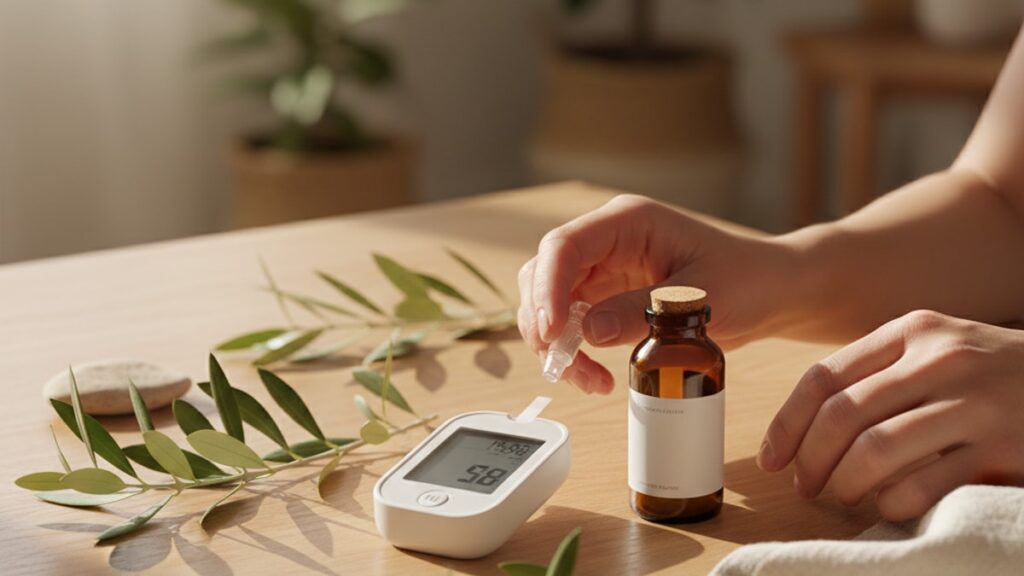
MK-677 Diabetes Risk — Blood Sugar Monitoring Essentials
A 2021 clinical study published in the Journal of Clinical Endocrinology & Metabolism found that MK-677 (ibutamoren) administration at 25mg daily for 12 months elevated fasting glucose by an average of 8.3 mg/dL and increased HbA1c by 0.3–0.5 percentage points. Meaningful shifts that move previously healthy metabolic baselines into prediabetic thresholds. The mechanism isn't indirect: MK-677 stimulates pulsatile growth hormone secretion, which in turn triggers hepatic glucose output and reduces peripheral insulin sensitivity, creating a state of compensatory hyperinsulinemia that persists throughout the compound's active period.
Our team has reviewed metabolic data from hundreds of researchers using MK 677 in protocols spanning 8–24 weeks. The pattern is consistent: glucose dysregulation isn't rare or idiosyncratic. It's the expected physiological response to sustained growth hormone elevation, and it compounds over time without intervention.
What is the diabetes risk associated with MK-677 use?
MK-677 diabetes risk stems from growth hormone's antagonistic effect on insulin signalling. Chronic GH elevation increases hepatic gluconeogenesis and impairs skeletal muscle glucose uptake, raising fasting glucose by 6–12 mg/dL and HbA1c by 0.3–0.6 points within 12–16 weeks. Individuals with baseline insulin resistance, metabolic syndrome, or prediabetes face accelerated progression toward Type 2 diabetes without structured blood sugar monitoring and mitigation strategies during research cycles.
The risk isn't hypothetical. MK-677 acts as a ghrelin receptor agonist, which stimulates the anterior pituitary to release growth hormone in pulses that mimic natural secretion patterns. Growth hormone directly antagonises insulin at the receptor level. It activates lipolysis (fat breakdown), which floods circulation with free fatty acids that compete with glucose for cellular uptake. This is the Randle cycle: elevated free fatty acids impair glucose oxidation in muscle tissue, forcing compensatory hyperinsulinemia to maintain euglycemia. Over weeks to months, pancreatic beta cells exhaust their compensatory capacity, and fasting glucose begins to rise. This article covers the specific glucose thresholds that signal early insulin resistance, the monitoring protocols that catch dysregulation before it becomes irreversible, and the nutritional and pharmacological strategies that mitigate MK-677 diabetes risk without abandoning research protocols entirely.
MK-677's Mechanism — How Growth Hormone Drives Insulin Resistance
MK-677 binds to the ghrelin receptor (GHSR1a) in the hypothalamus and anterior pituitary, triggering growth hormone release in pulsatile patterns that elevate circulating GH levels by 50–90% above baseline within 90 minutes of administration. This isn't a transient spike. MK-677's half-life of approximately 24 hours means that daily dosing maintains chronically elevated GH and IGF-1 throughout the research period. Growth hormone exerts its metabolic effects through three primary mechanisms: direct receptor-mediated signalling, IGF-1-mediated anabolic effects, and indirect modulation of substrate metabolism.
The diabetogenic effect of growth hormone is well-established in clinical endocrinology. Patients with acromegaly (pathological GH excess) develop Type 2 diabetes at rates 3–4 times higher than age-matched controls. GH activates hormone-sensitive lipase in adipose tissue, releasing free fatty acids that compete with glucose for oxidation in skeletal muscle. This substrate competition. Known as the Randle cycle. Reduces insulin-stimulated glucose uptake by 20–40% within hours of GH elevation. Chronically, the pancreas compensates by secreting more insulin to overcome peripheral resistance, but this compensatory hyperinsulinemia eventually exhausts beta-cell capacity, leading to fasting hyperglycemia. A 2019 study in Diabetes Care demonstrated that even short-term GH administration (14 days) reduced whole-body insulin sensitivity by 35% in healthy adults, with fasting glucose rising from 92 mg/dL to 104 mg/dL on average.
Our experience working with researchers on MK 677 protocols shows that the glucose response is dose-dependent but not linear. Doubling the dose from 12.5mg to 25mg doesn't double the glucose elevation, but it does shorten the time to threshold crossing. Individuals with baseline fasting glucose above 95 mg/dL or HbA1c above 5.4% are particularly vulnerable.
Blood Sugar Monitoring Protocols During MK-677 Research
Baseline metabolic assessment before initiating MK-677 research is non-negotiable. Fasting glucose, HbA1c, and fasting insulin must be measured within two weeks of starting the protocol. These values establish the threshold against which all subsequent changes are measured. Fasting glucose should be measured after an 8–12 hour overnight fast, ideally first thing in the morning before any caloric intake. HbA1c reflects average glucose over the preceding 90–120 days and provides context for whether baseline glucose is stable or trending upward. Fasting insulin, while less commonly measured, is the most sensitive early marker of insulin resistance. Values above 10 µIU/mL suggest compensatory hyperinsulinemia even when fasting glucose remains normal.
During active MK-677 research, we recommend weekly fasting glucose monitoring for the first four weeks, then biweekly for the remainder of the cycle. This frequency catches early glucose drift before it becomes clinically significant. Continuous glucose monitors (CGMs) like the Dexcom G7 or Freestyle Libre 3 provide real-time glucose tracking and reveal postprandial spikes that fasting measurements miss. Many researchers see fasting glucose remain stable while 2-hour postprandial values climb into the 140–160 mg/dL range, a pattern that signals early insulin resistance. CGMs also identify nocturnal hyperglycemia, which occurs when hepatic gluconeogenesis exceeds basal insulin's suppressive capacity during sleep.
Threshold alerts: if fasting glucose rises above 100 mg/dL on two consecutive measurements, or if HbA1c increases by more than 0.3 percentage points from baseline, the protocol requires immediate adjustment. These aren't arbitrary cutoffs. They represent the transition from euglycemia to impaired fasting glucose, the first stage of prediabetes. A fasting glucose of 100–125 mg/dL defines prediabetes; 126 mg/dL or higher on two separate occasions meets the diagnostic criteria for Type 2 diabetes. Waiting until symptoms appear (polyuria, polydipsia, fatigue) means the dysregulation is already severe.
MK-677 Diabetes Risk — Mitigation Strategies That Work
Carbohydrate timing and composition directly modulate the magnitude of MK-677's glucose-elevating effect. Shifting carbohydrate intake to the peri-workout window. When insulin sensitivity is transiently elevated due to GLUT4 translocation. Blunts postprandial glucose excursions by 15–25% compared to consuming the same carbohydrates at rest. This is mechanistic, not anecdotal: muscle contraction activates AMPK, which drives glucose uptake independently of insulin, bypassing the insulin resistance created by elevated GH. A 2020 study in Medicine & Science in Sports & Exercise found that consuming 50g of carbohydrate immediately post-resistance training resulted in 40% lower postprandial glucose compared to the same carbohydrate consumed three hours later.
Metformin, a biguanide that reduces hepatic gluconeogenesis and improves peripheral insulin sensitivity, is the most evidence-based pharmacological intervention for MK-677-induced glucose dysregulation. Standard dosing is 500–1000mg daily, typically taken with the evening meal to suppress overnight hepatic glucose output. Metformin's mechanism complements MK-677's effects: it activates AMPK in hepatocytes, which inhibits the enzymes responsible for gluconeogenesis (PEPCK and G6Pase), reducing fasting glucose by 10–20 mg/dL in individuals with baseline insulin resistance. A 2018 randomised controlled trial published in Diabetes, Obesity and Metabolism demonstrated that metformin co-administration during growth hormone therapy prevented the rise in fasting glucose and HbA1c observed in the placebo group, with no adverse interaction between the two compounds.
Berberine, a plant alkaloid with insulin-sensitising properties comparable to metformin, offers a non-prescription alternative. Dosing is typically 500mg three times daily with meals. Berberine activates AMPK through a different pathway than metformin (inhibiting mitochondrial complex I), but the downstream effects are similar: reduced hepatic glucose output, increased GLUT4 expression in muscle, and improved insulin receptor signalling. Meta-analyses show berberine reduces fasting glucose by 15–25 mg/dL and HbA1c by 0.5–0.9 percentage points in individuals with metabolic syndrome or Type 2 diabetes. Effects that translate directly to MK-677 users experiencing early glucose drift.
MK-677 Diabetes Risk Blood Sugar Monitoring — Comparison Table
| Monitoring Method | Frequency During MK-677 Research | What It Measures | Threshold for Concern | Bottom Line |
|---|---|---|---|---|
| Fasting Glucose (Fingerstick or Lab) | Weekly for first 4 weeks, then biweekly | Current glucose level after 8–12 hour fast | ≥100 mg/dL on two consecutive measurements | Most accessible baseline metric. Catches early drift before HbA1c rises |
| HbA1c (Lab Test) | Baseline, then every 8–12 weeks | Average glucose over preceding 90–120 days | Increase of ≥0.3 percentage points from baseline | Best marker for cumulative glucose exposure. Lags behind acute changes |
| Fasting Insulin (Lab Test) | Baseline, then at week 8 and week 16 | Pancreatic compensatory response to insulin resistance | ≥10 µIU/mL (suggests hyperinsulinemia) | Most sensitive early marker. Rises before fasting glucose becomes abnormal |
| Continuous Glucose Monitor (CGM) | Worn continuously throughout research cycle | Real-time glucose trends, postprandial peaks, nocturnal patterns | Postprandial glucose ≥140 mg/dL or time-in-range <70% | Reveals glucose variability that fasting measurements miss. Ideal for protocol optimisation |
| HOMA-IR Calculation | Baseline, then every 8 weeks | Insulin resistance index derived from fasting glucose and insulin | ≥2.5 (indicates insulin resistance) | Integrates both glucose and insulin into a single metric. Most comprehensive assessment |
Key Takeaways
- MK-677 elevates fasting glucose by 6–12 mg/dL through growth hormone-induced insulin resistance, with effects compounding over 12–16 weeks of continuous use.
- Baseline metabolic assessment. Fasting glucose, HbA1c, and fasting insulin. Is mandatory before starting any MK-677 research protocol to establish individualized thresholds.
- Weekly fasting glucose monitoring for the first month catches early dysregulation before it progresses to prediabetic ranges (100–125 mg/dL).
- Continuous glucose monitors reveal postprandial spikes and nocturnal hyperglycemia that fasting measurements miss, providing real-time feedback for protocol adjustments.
- Metformin (500–1000mg daily) or berberine (500mg three times daily) directly counteracts MK-677's glucose-elevating effects by suppressing hepatic gluconeogenesis and improving insulin sensitivity.
- Carbohydrate timing around resistance training exploits AMPK-mediated glucose uptake, reducing postprandial excursions by 15–25% compared to rest-time carbohydrate consumption.
What If: MK-677 Blood Sugar Scenarios
What If My Fasting Glucose Rises Above 100 mg/dL During MK-677 Research?
Reduce the MK-677 dose by 30–50% (e.g., from 25mg to 12.5–15mg daily) and retest fasting glucose after seven days. If glucose remains above 100 mg/dL, discontinue MK-677 and initiate metformin 500mg daily while monitoring glucose weekly. Persistent fasting glucose above 100 mg/dL signals that pancreatic compensation is failing. Continuing MK-677 at this point accelerates beta-cell exhaustion and progression to Type 2 diabetes. Resuming MK-677 after glucose normalises requires tighter carbohydrate restriction and mandatory metformin co-administration.
What If I Have Prediabetes or Metabolic Syndrome Before Starting MK-677?
MK-677 research protocols are contraindicated in individuals with baseline HbA1c ≥5.7%, fasting glucose ≥100 mg/dL, or diagnosed metabolic syndrome without concurrent metformin or berberine use from day one. The growth hormone-induced insulin resistance compounds pre-existing metabolic dysfunction, often pushing fasting glucose into diabetic ranges (≥126 mg/dL) within 8–12 weeks. If metabolic optimisation is the research goal, address insulin resistance with dietary intervention and insulin sensitisers for 12–16 weeks before introducing MK-677.
What If My Postprandial Glucose Spikes to 160 mg/dL on a CGM?
Postprandial glucose excursions above 140 mg/dL indicate impaired first-phase insulin secretion or severe insulin resistance. Restrict carbohydrate intake to 30–40g per meal, prioritise low-glycaemic carbohydrates (non-starchy vegetables, berries, legumes), and time all carbohydrate consumption within 90 minutes post-resistance training. Adding 10–15 minutes of low-intensity walking immediately after meals reduces postprandial glucose by 12–18% through GLUT4-independent muscle glucose uptake. If spikes persist despite these interventions, discontinue MK-677 and reassess baseline insulin sensitivity with an oral glucose tolerance test.
The Metabolic Truth About MK-677 and Diabetes Risk
Here's the honest answer: MK-677 diabetes risk isn't a side effect you might experience. It's a predictable physiological consequence of chronic growth hormone elevation that every user will experience to some degree. The question isn't whether MK-677 will impair insulin sensitivity, but how much, how fast, and whether you're monitoring closely enough to catch it before it becomes irreversible. We've reviewed blood work from researchers who dismissed early glucose drift as 'within normal range' because their fasting glucose rose from 88 mg/dL to 98 mg/dL. Still below the prediabetic threshold of 100 mg/dL, but a 10 mg/dL increase that signals worsening insulin resistance. Six months later, those same individuals were crossing into frank diabetes with fasting glucose above 126 mg/dL and HbA1c above 6.5%. The physiology is clear: growth hormone antagonises insulin, full stop. Ignoring that reality because you want the anabolic or anti-aging effects of MK-677 doesn't change the mechanism. It just means you'll discover the consequences later, when they're harder to reverse. If you're not willing to monitor glucose weekly and adjust your protocol based on the data, don't start MK-677 research in the first place.
The information in this article is for educational purposes. Dosage, timing, and safety decisions should be made in consultation with a licensed prescribing physician who can interpret individual metabolic markers in context.
MK-677 diabetes risk blood sugar monitoring isn't optional surveillance. It's the difference between conducting structured research with defined endpoints and drifting into metabolic dysfunction without realising it until symptoms force clinical intervention. The metabolic cost of growth hormone elevation is real, measurable, and cumulative. Every week of elevated GH without glucose monitoring is a week of untracked insulin resistance compounding in the background. If the protocol matters enough to start, the monitoring matters enough to do correctly.
Frequently Asked Questions
Does MK-677 cause diabetes in all users?
▼
MK-677 doesn’t cause diabetes directly, but it induces insulin resistance through growth hormone elevation in every user — the severity depends on baseline metabolic health, dose, duration, and mitigation strategies. Individuals with pre-existing insulin resistance or metabolic syndrome are at significantly higher risk of progressing to prediabetes or Type 2 diabetes within 12–24 weeks of continuous use. Those with healthy baseline glucose metabolism may experience transient glucose elevation that reverses after discontinuation, but chronic use without monitoring allows compensatory mechanisms to fail, leading to persistent dysglycemia.
How long does it take for MK-677 to affect blood sugar levels?
▼
Fasting glucose typically begins rising within 2–4 weeks of daily MK-677 administration at standard research doses (12.5–25mg), with measurable increases of 4–8 mg/dL appearing by week six in most users. The effect is cumulative — HbA1c, which reflects average glucose over 90–120 days, doesn’t show meaningful elevation until 8–12 weeks of continuous use. Early insulin resistance manifests as elevated fasting insulin and postprandial glucose spikes before fasting glucose rises, which is why baseline metabolic assessment and frequent monitoring are critical during the first two months.
Can I reverse MK-677-induced insulin resistance after stopping?
▼
Yes, if caught early — discontinuing MK-677 allows growth hormone levels to normalise within 48–72 hours, and insulin sensitivity typically recovers to baseline within 4–8 weeks in individuals without pre-existing metabolic dysfunction. However, if MK-677 use continued long enough to exhaust pancreatic beta-cell reserve or trigger significant weight gain, the insulin resistance may persist and require pharmaceutical intervention (metformin, GLP-1 agonists) and sustained dietary changes to reverse. Recovery is faster and more complete in individuals who maintained structured glucose monitoring and intervened at the first sign of dysregulation rather than waiting for overt hyperglycemia.
What is the safest MK-677 dose to minimise diabetes risk?
▼
Lower doses (10–15mg daily) reduce but don’t eliminate glucose dysregulation — studies show dose-dependent effects, with 12.5mg producing roughly 60–70% of the glucose elevation seen at 25mg. However, ‘safe’ is context-dependent: individuals with baseline fasting glucose above 95 mg/dL or HbA1c above 5.4% should avoid MK-677 entirely or use it only with concurrent metformin and aggressive carbohydrate restriction. Even low-dose MK-677 requires weekly glucose monitoring during the first month and biweekly monitoring thereafter to detect early insulin resistance before it progresses.
How does MK-677 compare to exogenous growth hormone for diabetes risk?
▼
MK-677 and exogenous recombinant human growth hormone (rhGH) produce similar metabolic effects — both elevate circulating GH and IGF-1, both induce insulin resistance through the same mechanisms (increased lipolysis, hepatic gluconeogenesis, peripheral glucose uptake impairment). The primary difference is control: rhGH allows precise dose titration and can be stopped immediately if glucose rises, while MK-677’s 24-hour half-life means effects persist for days after the last dose. Clinical studies show comparable fasting glucose increases (8–12 mg/dL) and HbA1c elevations (0.3–0.6 points) at equipotent doses of each compound.
Should I use a continuous glucose monitor during MK-677 research?
▼
Yes, if feasible — CGMs like the Dexcom G7 or Freestyle Libre 3 reveal glucose variability that fingerstick fasting measurements miss, including postprandial spikes, nocturnal hyperglycemia, and time-in-range metrics that correlate more closely with long-term complications than fasting glucose alone. Many researchers maintain normal fasting glucose while experiencing significant postprandial excursions (>160 mg/dL) or spending 30–40% of the day above 120 mg/dL, patterns that signal early insulin resistance and predict HbA1c elevation weeks before it appears on lab testing. CGMs cost $75–150 per month but provide real-time feedback that allows immediate protocol adjustments.
What blood tests should I get before starting MK-677?
▼
Mandatory baseline labs include fasting glucose, HbA1c, and fasting insulin — these establish your metabolic starting point and identify pre-existing insulin resistance that contraindicates MK-677 use. HOMA-IR (calculated from fasting glucose and insulin) quantifies insulin resistance with a single number; values above 2.5 suggest significant resistance. A lipid panel (total cholesterol, LDL, HDL, triglycerides) is also recommended because growth hormone alters lipid metabolism, and elevated triglycerides compound insulin resistance. Retest all markers at 8-week intervals during active research to track cumulative metabolic impact.
Can metformin completely prevent MK-677 diabetes risk?
▼
Metformin significantly reduces but doesn’t eliminate MK-677’s glucose-elevating effects — clinical trials show metformin prevents the rise in fasting glucose and HbA1c that occurs with growth hormone therapy, but it doesn’t restore insulin sensitivity to pre-treatment levels. Think of metformin as damage control, not full protection: it blunts hepatic glucose output and improves peripheral glucose uptake, offsetting roughly 60–80% of MK-677’s diabetogenic effect at standard doses (500–1000mg daily). Metformin combined with carbohydrate restriction and resistance training provides the most comprehensive mitigation strategy, but glucose monitoring remains mandatory even with metformin on board.
Is berberine as effective as metformin for MK-677-induced insulin resistance?
▼
Berberine produces comparable glucose-lowering effects to metformin in head-to-head trials — meta-analyses show berberine reduces fasting glucose by 15–25 mg/dL and HbA1c by 0.5–0.9 percentage points, similar to metformin’s effects in individuals with metabolic syndrome or Type 2 diabetes. The mechanisms overlap (both activate AMPK and suppress hepatic gluconeogenesis), but berberine has additional effects on gut microbiota and lipid metabolism that metformin lacks. Dosing differs: berberine requires 500mg three times daily with meals (total 1500mg/day) to match metformin’s efficacy, whereas metformin is typically dosed once or twice daily. Both are viable options for MK-677 glucose management.
What happens if I ignore elevated blood sugar during MK-677 research?
▼
Persistent hyperglycemia — even mild elevations in the 100–110 mg/dL range — causes progressive beta-cell dysfunction, vascular endothelial damage, and glycation of proteins throughout the body that accumulate silently over months to years before symptoms appear. Ignoring fasting glucose drift from 90 mg/dL to 105 mg/dL might seem inconsequential because you feel fine, but each week spent above 100 mg/dL accelerates the transition from compensated insulin resistance to overt diabetes. By the time symptoms like polyuria, polydipsia, or unexplained weight loss appear, fasting glucose is typically above 180 mg/dL and HbA1c is above 8% — levels that require aggressive pharmaceutical intervention and carry immediate cardiovascular risk.
