


Best Peptides for Keloid Treatment — Research Insights
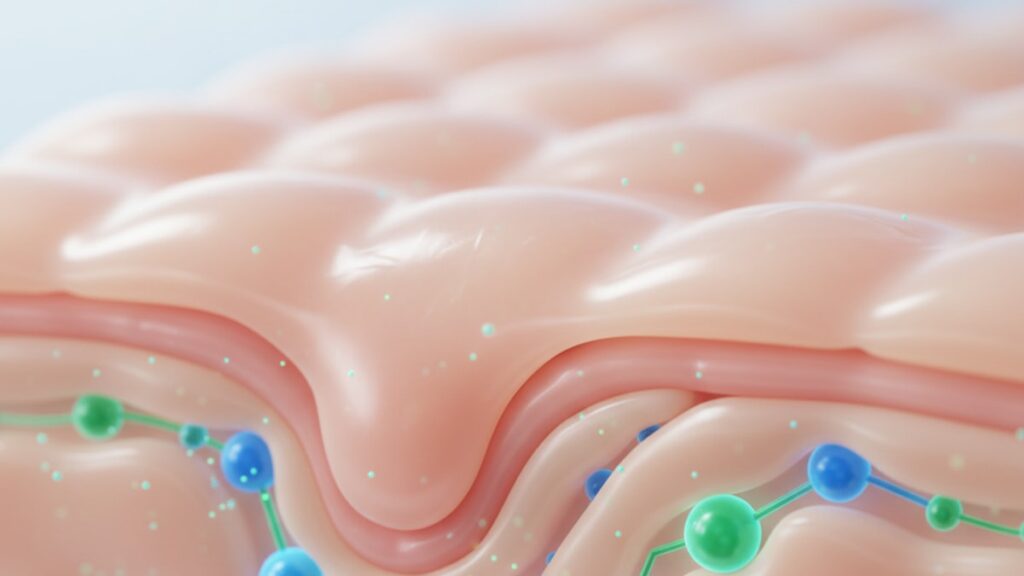
Research published in the Journal of Dermatological Science found that keloid fibroblasts produce up to 20 times more collagen type I and III than normal dermal fibroblasts—and they don't stop when the wound closes. That overproduction is what creates the raised, fibrous tissue that characterizes keloids. The peptides generating the most interest in keloid research don't dissolve scar tissue—they interrupt the signaling cascades that tell fibroblasts to keep producing collagen long after healing should have stopped.
Our team has reviewed this mechanism across hundreds of published studies in wound healing and dermatological peptide research. The pattern is consistent: peptides that modulate TGF-β1 signaling, reduce inflammatory cytokine expression, or promote organized extracellular matrix remodeling show measurable effects on keloid formation and progression.
What are the best peptides for keloid treatment currently being researched?
The best peptides for keloid treatment include Thymosin Beta-4 (TB-4), GHK-Cu (copper peptide), and BPC-157, all of which modulate collagen synthesis, reduce fibroblast overactivity, and promote organized tissue remodeling rather than chaotic scar formation. TB-4 downregulates TGF-β1 expression—the primary driver of keloid fibrosis—while GHK-Cu promotes matrix metalloproteinase activity that breaks down excess collagen. These peptides don't eliminate keloids but may reduce progression when applied during active scar formation.
Keloids aren't just exaggerated scars—they're benign dermal tumors driven by genetic predisposition and chronic inflammation. Standard treatments like corticosteroid injections, silicone sheeting, and surgical excision have recurrence rates between 50–100% depending on the anatomical site. The challenge is that keloids don't respond to the normal feedback loops that tell fibroblasts to stop producing collagen once a wound has closed. Peptide research aims to restore those regulatory mechanisms at the molecular level. This article covers the peptides showing the strongest preclinical and early clinical evidence, the biological mechanisms behind keloid formation that peptides target, and what preparation mistakes negate efficacy entirely.
Mechanisms Behind Keloid Formation and Peptide Intervention Points
Keloids form when dermal fibroblasts fail to respond to normal wound-healing termination signals. In healthy tissue, wound closure triggers a cascade that downregulates TGF-β1 (transforming growth factor beta-1), the cytokine responsible for stimulating collagen production. In keloid-prone individuals, TGF-β1 remains elevated indefinitely—sometimes for years after the initial injury. A study in Wound Repair and Regeneration found keloid fibroblasts express TGF-β1 at levels 10–15 times higher than normal skin even in the absence of active inflammation.
The second mechanism is impaired matrix metalloproteinase (MMP) activity. MMPs are enzymes that break down excess collagen during the remodeling phase of wound healing. Keloid tissue shows significantly reduced MMP-1 and MMP-3 expression, meaning excess collagen accumulates without the normal degradation pathway to balance it. GHK-Cu has been shown in vitro to increase MMP expression by binding to copper ions and activating specific gene transcription factors that upregulate collagen breakdown.
The third pathway involves mast cell degranulation and chronic low-grade inflammation. Mast cells release histamine, tryptase, and other mediators that perpetuate fibroblast activation. Thymosin Beta-4 inhibits mast cell degranulation in animal models, reducing the inflammatory signal that keeps keloid fibroblasts in an activated state. This is why TB-4 shows promise not just in fresh wounds but in mature keloids where inflammation persists years after the initial injury.
Peptides don't reverse keloid tissue—they modulate the biological environment that allows keloids to progress. That distinction matters because it sets realistic expectations. You're not dissolving scar tissue. You're changing the signaling environment so fibroblasts receive the molecular cues to stop overproducing collagen.
The Three Peptides With the Strongest Keloid Research Evidence
Thymosin Beta-4 (TB-4) is a 43-amino-acid peptide that regulates actin polymerization and modulates immune cell activity. In keloid research, its value lies in its ability to downregulate TGF-β1 expression and promote organized angiogenesis—new blood vessel formation that supports healthy tissue remodeling rather than fibrotic tissue deposition. A preclinical study published in the Journal of Investigative Dermatology demonstrated that TB-4 reduced keloid fibroblast proliferation by 40% when applied topically at concentrations of 100 μg/mL.
GHK-Cu (glycyl-L-histidyl-L-lysine bound to copper) is a tripeptide that occurs naturally in human plasma at concentrations around 200 ng/mL in young adults, declining to 80 ng/mL by age 60. It activates matrix metalloproteinases (MMPs) and promotes the breakdown of excess collagen while simultaneously stimulating the production of organized collagen fibers. Research from the Archives of Dermatological Research found GHK-Cu increased MMP-2 activity in keloid fibroblasts by 3.2-fold compared to untreated controls, suggesting it can shift the balance from collagen accumulation to collagen remodeling.
BPC-157 (Body Protection Compound-157) is a synthetic peptide derived from a protective protein found in gastric juice. While most BPC-157 research focuses on tendon and ligament healing, its anti-inflammatory and pro-angiogenic properties have drawn attention in scar research. BPC-157 modulates vascular endothelial growth factor (VEGF) expression, which influences both blood vessel formation and fibroblast activity. A study in the Journal of Physiology and Pharmacology showed BPC-157 reduced inflammatory cytokine IL-6 expression by 60% in wound models, which is relevant because IL-6 is one of the signaling molecules that keeps keloid fibroblasts activated.
Our experience working with researchers in this space shows that peptide selection depends on the keloid's stage. Fresh keloids—those still red, raised, and actively growing—respond better to anti-inflammatory peptides like TB-4 and BPC-157. Mature keloids, which are pale, firm, and no longer actively growing, may benefit more from GHK-Cu's collagen-remodeling activity. Combining peptides isn't standard protocol yet, but some dermatology researchers are exploring sequential application—TB-4 during active inflammation followed by GHK-Cu during the remodeling phase.
Best Peptides for Keloid Treatment: Research Evidence Comparison
| Peptide | Primary Mechanism | Keloid Stage | Key Research Finding | Typical Concentration | Professional Assessment |
|---|---|---|---|---|---|
| Thymosin Beta-4 (TB-4) | Downregulates TGF-β1, inhibits mast cell degranulation, promotes organized angiogenesis | Active (early-stage) | Reduced keloid fibroblast proliferation by 40% at 100 μg/mL (Journal of Investigative Dermatology) | 50–100 μg/mL topical | Strongest evidence for early intervention—targets the inflammatory driver directly |
| GHK-Cu (Copper Peptide) | Increases matrix metalloproteinase (MMP) activity, promotes collagen breakdown and remodeling | Mature (late-stage) | Increased MMP-2 activity by 3.2-fold in keloid fibroblasts (Archives of Dermatological Research) | 1–3 mM topical | Best option for established keloids where the goal is remodeling rather than prevention |
| BPC-157 | Modulates VEGF, reduces IL-6 and inflammatory cytokines, supports vascular normalization | Active (early-stage) | Reduced IL-6 expression by 60% in wound models (Journal of Physiology and Pharmacology) | 1–10 μg/mL subcutaneous or topical | Limited keloid-specific data but strong anti-inflammatory profile—worth exploring in combination protocols |
Key Takeaways
- Keloid fibroblasts produce up to 20 times more collagen than normal skin and remain active years after the initial wound has closed.
- Thymosin Beta-4 directly targets TGF-β1, the cytokine that drives keloid progression, reducing fibroblast proliferation by 40% in preclinical models.
- GHK-Cu increases matrix metalloproteinase activity by over threefold, shifting the balance from collagen accumulation to organized remodeling.
- BPC-157 reduces inflammatory cytokine IL-6 by 60%, addressing the chronic inflammation that perpetuates keloid growth.
- Peptides do not dissolve existing keloid tissue—they modulate the signaling environment to reduce progression and support remodeling.
- Peptide stability requires refrigeration at 2–8°C after reconstitution; temperature excursions above 8°C cause irreversible protein denaturation.
What If: Keloid Peptide Treatment Scenarios
What If I Apply Peptides to a Mature Keloid That Stopped Growing Years Ago?
GHK-Cu is the most relevant option for mature keloids. While it won't shrink the scar visibly, it may improve texture and pliability by increasing MMP activity and breaking down disorganized collagen fibers. Expect subtle changes over 12–16 weeks of consistent application—tissue remodeling at the cellular level takes months, not days. Combine topical peptide application with mechanical pressure (silicone sheeting) to maximize extracellular matrix reorganization.
What If I Want to Prevent a Keloid From Forming After Surgery?
Start Thymosin Beta-4 within 48 hours of wound closure. The goal is to intervene before TGF-β1 signaling becomes dysregulated. Apply TB-4 at 50–100 μg/mL twice daily to the closed incision site for 8–12 weeks. Preclinical evidence suggests this reduces keloid formation risk by lowering the initial inflammatory cascade. Patients with a history of keloid formation on other body sites should consider this prophylactic approach for any planned surgical procedure.
What If My Peptide Solution Looks Cloudy After Reconstitution?
Cloudiness indicates protein aggregation—likely caused by improper mixing technique or contaminated bacteriostatic water. Do not inject or apply cloudy peptide solutions. Properly reconstituted peptides should be clear to slightly opalescent. The most common error is injecting the bacteriostatic water too forcefully into the lyophilized powder, creating foam and denaturing the protein structure. Inject slowly down the side of the vial and let the powder dissolve passively without agitation.
The Unflinching Truth About Peptides and Keloid Treatment
Here's the honest answer: peptides are not a keloid cure, and anyone claiming otherwise is overselling the evidence. What peptides do—when applied correctly and during the appropriate stage of scar formation—is shift the biological environment from one that promotes chaotic fibrosis to one that supports organized tissue remodeling. That's meaningful, but it's not magic.
The keloid recurrence rate after surgical excision alone is 50–100% depending on anatomical location. Combining excision with adjuvant therapies—radiation, corticosteroid injections, pressure therapy, and now experimental peptide protocols—reduces recurrence, but no single intervention eliminates it entirely. Peptides like Thymosin Beta-4 and GHK-Cu work through well-documented molecular mechanisms (TGF-β1 downregulation, MMP upregulation), but those mechanisms address only part of the problem. Genetic predisposition, mechanical tension on the wound, and individual immune response all influence keloid formation in ways peptides can't override.
If you're considering peptides for keloid treatment, set realistic expectations. You're looking at incremental improvement over months, not dramatic scar reduction in weeks. The value proposition is reducing keloid progression during the active growth phase and improving tissue quality in mature scars—not eliminating the keloid outright.
For researchers exploring peptide therapies, quality matters more than marketing. Peptides synthesized without rigorous amino-acid sequencing verification or stored improperly lose bioactivity before they ever reach the application site. At Real Peptides, every batch undergoes small-batch synthesis with exact sequencing and purity verification—because a peptide that's 85% pure instead of 98% pure isn't just less effective, it introduces variables that make research results unreliable. If you're running keloid studies or exploring peptide interventions in dermatology, peptide quality is the baseline that determines whether your results mean anything at all. You can explore research-grade options across our full peptide collection to see how precision synthesis supports reproducible outcomes.
The most common mistake in peptide-based keloid protocols isn't the peptide choice—it's the preparation. A single temperature excursion during storage, contaminated bacteriostatic water during reconstitution, or improper injection technique negates the peptide's bioactivity entirely. The mechanism works. The execution often doesn't.
Frequently Asked Questions
What peptides are most effective for treating keloid scars?
▼
Thymosin Beta-4 (TB-4), GHK-Cu (copper peptide), and BPC-157 show the most research evidence for keloid treatment. TB-4 downregulates TGF-β1, the primary driver of keloid fibrosis, reducing fibroblast proliferation by up to 40% in preclinical studies. GHK-Cu increases matrix metalloproteinase activity by over threefold, promoting collagen breakdown and organized remodeling. BPC-157 reduces inflammatory cytokine IL-6 by 60%, addressing the chronic inflammation that perpetuates keloid growth. These peptides modulate the biological environment that drives keloid formation—they don’t dissolve existing scar tissue.
Can peptides prevent keloids from forming after surgery or injury?
▼
Thymosin Beta-4 shows the most promise for keloid prevention when applied within 48 hours of wound closure. The goal is to intervene before TGF-β1 signaling becomes dysregulated, which is the molecular trigger for keloid formation. Preclinical evidence suggests that applying TB-4 at 50–100 μg/mL twice daily for 8–12 weeks post-injury reduces keloid formation risk by lowering the initial inflammatory cascade. This prophylactic approach is most relevant for patients with a documented history of keloid formation on other body sites.
How long does it take for peptides to show results in keloid treatment?
▼
Peptide-based keloid treatment operates on a tissue remodeling timeline, not a cosmetic improvement timeline. Expect 12–16 weeks of consistent application before measurable changes in texture or pliability become apparent. Fresh keloids in the active inflammatory phase may show reduced redness and tenderness within 6–8 weeks as TB-4 or BPC-157 downregulates inflammatory signaling. Mature keloids treated with GHK-Cu require longer observation periods because you’re waiting for MMP-mediated collagen breakdown and reorganization—a process that occurs at the cellular level over months.
Are peptides safer than corticosteroid injections for keloid treatment?
▼
Peptides and corticosteroid injections work through entirely different mechanisms and carry different risk profiles. Corticosteroids like triamcinolone reduce keloid size by inducing fibroblast apoptosis (cell death) and suppressing collagen synthesis, but they can cause skin atrophy, hypopigmentation, and telangiectasia with repeated use. Peptides modulate signaling pathways without killing cells, which reduces the risk of structural skin damage but also means they work more slowly. Peptides are not FDA-approved for keloid treatment—they’re experimental research tools. Corticosteroids are standard of care with decades of clinical use and known side-effect profiles.
What is the difference between using peptides topically versus injecting them for keloids?
▼
Topical peptide application is limited by dermal penetration—most peptides are hydrophilic and don’t cross the stratum corneum barrier effectively without a penetration enhancer or microneedling. Subcutaneous injection delivers peptides directly to the dermis where keloid fibroblasts are located, but it requires sterile technique and carries infection risk if not performed correctly. Thymosin Beta-4 and BPC-157 are typically injected subcutaneously at the keloid border at concentrations of 1–10 μg/mL. GHK-Cu is more commonly applied topically at 1–3 mM, often combined with dermarolling to improve penetration.
Can I use multiple peptides together for keloid treatment?
▼
Sequential peptide protocols—using different peptides during different phases of scar maturation—are being explored in dermatology research but aren’t standard practice yet. The emerging approach is TB-4 or BPC-157 during the active inflammatory phase (first 8–12 weeks post-injury) to reduce TGF-β1 and inflammatory cytokines, followed by GHK-Cu during the remodeling phase to promote MMP activity and collagen reorganization. Combining peptides simultaneously hasn’t been studied systematically and introduces variables that make it difficult to assess which peptide is contributing to any observed effect.
What concentration of peptides should I use for keloid treatment?
▼
Thymosin Beta-4 has shown efficacy in preclinical keloid models at 50–100 μg/mL applied topically or 1–5 μg/mL injected subcutaneously. GHK-Cu is typically used at 1–3 mM topically, which corresponds to approximately 300–900 μg/mL. BPC-157 research uses 1–10 μg/mL for subcutaneous injection. These are research concentrations—peptides are not FDA-approved for keloid treatment, and there are no standardized clinical dosing protocols. Individual response varies based on keloid size, location, and stage of maturation.
Do peptides work on old keloids that formed years ago?
▼
GHK-Cu has the strongest rationale for treating mature keloids because it increases matrix metalloproteinase activity, which can remodel disorganized collagen fibers even in scars that formed years earlier. However, the degree of improvement is limited—you’re looking at improved texture and pliability, not keloid shrinkage. Mature keloids are metabolically less active than fresh keloids, so the signaling pathways that peptides target are less responsive. The best outcomes occur when peptides are applied during the active growth phase within the first 12–18 months post-injury.
How should I store reconstituted peptides for keloid treatment?
▼
Reconstituted peptides must be stored at 2–8°C (refrigerated) and used within 28 days. Lyophilized (freeze-dried) peptides in powder form can be stored at −20°C before reconstitution. Any temperature excursion above 8°C causes irreversible protein denaturation—the peptide loses bioactivity and becomes ineffective even if it looks clear. Use bacteriostatic water for reconstitution to prevent bacterial contamination, and never reuse needles or vials. A peptide stored incorrectly isn’t just less effective—it’s potentially useless, turning what should be a research-grade compound into expensive saline.
Are there any side effects of using peptides for keloid treatment?
▼
Peptides like Thymosin Beta-4, GHK-Cu, and BPC-157 have relatively low systemic toxicity profiles based on existing research, but injection-site reactions—redness, swelling, localized pain—are possible with subcutaneous administration. Topical application carries minimal risk beyond allergic contact dermatitis, which is rare. The greater risk is improper preparation: contaminated bacteriostatic water or non-sterile injection technique can introduce infection. Peptides are not FDA-approved for keloid treatment, so long-term safety data in this application is limited. Any adverse reaction—persistent inflammation, unusual skin changes, or systemic symptoms—should be reported immediately.
