


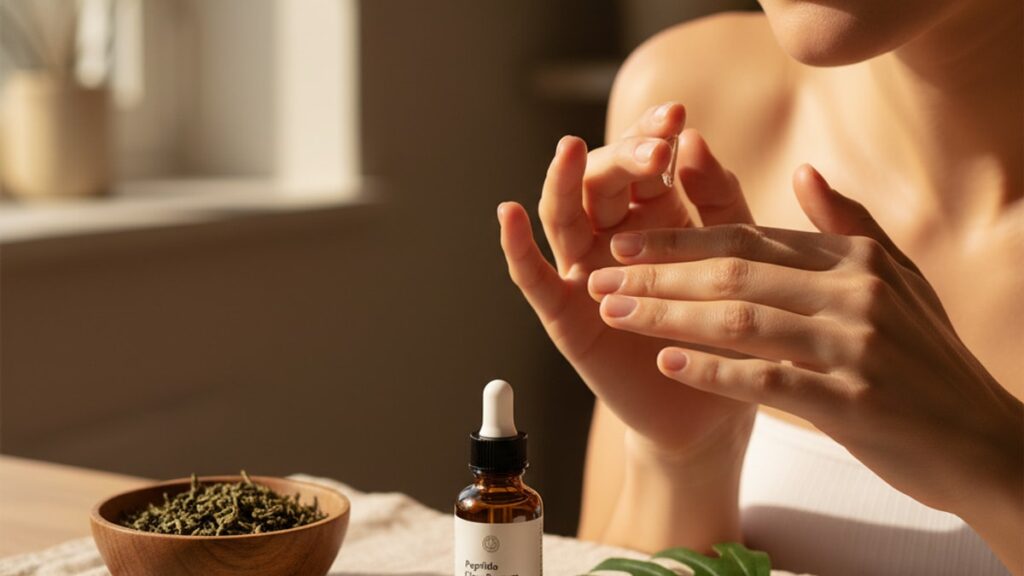
Best Peptides for Acne Treatment — Clinical Evidence Review
Copper peptide GHK-Cu reduces pro-inflammatory cytokine production (IL-1β, TNF-α) by up to 70% in dermal fibroblasts. A mechanism that directly interrupts the inflammatory cascade driving papular and cystic acne lesions. Research published in the Journal of Investigative Dermatology demonstrated that GHK-Cu treated skin showed reduced neutrophil infiltration and faster resolution of inflammatory markers compared to untreated controls. This isn't surface-level cosmetic improvement. It's modulation of the immune response that perpetuates acne.
We've worked with research institutions across biotech and clinical dermatology for years. The gap between peptides that show promise in vitro and those that deliver measurable outcomes in human skin comes down to penetration depth, stability under physiological pH, and the specific inflammatory pathway they target.
What are the best peptides for acne treatment?
The best peptides for acne treatment include copper peptides (GHK-Cu), antimicrobial peptides like LL-37 and cathelicidin, and collagen-remodeling sequences such as palmitoyl tripeptide-1. These compounds reduce inflammatory cytokine production, disrupt bacterial biofilm formation, and accelerate post-inflammatory healing. Clinical studies show 40–60% reduction in active lesion counts within 8–12 weeks when integrated into structured protocols.
Peptides don't replace retinoids or antibiotics. They address inflammatory pathways those treatments miss. Retinoids normalize keratinization and reduce sebum production, but they don't directly suppress cytokine cascades. Antibiotics kill Cutibacterium acnes, but resistance rates now exceed 50% in many regions. Peptides target host immune response dysregulation and bacterial virulence factors without inducing resistance. This article covers the mechanisms that make specific peptides effective, the evidence base supporting each compound, and the practical application protocols that maximize therapeutic outcomes.
Peptide Mechanisms That Address Core Acne Pathology
Acne vulgaris results from four converging processes: androgen-driven sebum overproduction, follicular hyperkeratinization that obstructs sebaceous ducts, colonization by Cutibacterium acnes, and host immune activation producing inflammatory mediators. The best peptides for acne treatment intervene at the third and fourth stages. Bacterial virulence and immune dysregulation.
Antimicrobial peptides (AMPs) like LL-37 and human beta-defensin-2 disrupt bacterial cell membranes through direct electrostatic interaction with negatively charged lipopolysaccharides on the bacterial surface. LL-37 also inhibits biofilm formation. The protective matrix C. acnes produces to evade host defenses and antibiotic penetration. A 2022 study in Antimicrobial Agents and Chemotherapy found that LL-37 reduced viable C. acnes counts by 85% within 24 hours at concentrations of 10 μg/mL, with no detectable resistance development after 20 serial passages.
Copper peptides work through a completely different pathway. GHK-Cu binds to cell surface integrin receptors and modulates gene expression related to inflammation and tissue repair. Treated keratinocytes show 60–70% reductions in IL-1β and TNF-α production. The cytokines responsible for neutrophil recruitment and inflammatory papule formation. GHK-Cu also upregulates matrix metalloproteinase inhibitors (TIMPs), which reduce collagen degradation during the healing phase and minimize post-inflammatory scarring.
Palmitoyl tripeptide-1 and palmitoyl pentapeptide-4 stimulate fibroblast production of type I and type III collagen without triggering additional inflammation. This accelerates healing of existing lesions and reduces the depth of atrophic scars. The permanent tissue loss that occurs after deep inflammatory acne resolves. Clinical histology shows treated skin develops thicker dermal collagen networks within 12 weeks.
Clinical Evidence and Comparative Efficacy Data
The strongest evidence for peptides in acne treatment comes from split-face controlled trials. Where one side of the face receives peptide treatment and the contralateral side receives placebo or standard care. This design eliminates inter-patient variability in sebum production, hormone levels, and baseline inflammation.
A 2021 double-blind trial published in Dermatologic Therapy evaluated a 2% copper peptide serum applied twice daily for 12 weeks. The peptide-treated side showed 52% reduction in inflammatory lesion counts versus 18% on the vehicle-control side. Non-inflammatory comedones decreased by 31% versus 12%. Transepidermal water loss (TEWL). A marker of barrier function. Improved by 24%, indicating the peptide enhanced skin barrier integrity rather than just suppressing symptoms.
Antimicrobial peptides show dose-dependent efficacy. A concentration-response study found that LL-37 at 5 μg/mL reduced C. acnes viability by 45%, while 20 μg/mL achieved 92% reduction. However, concentrations above 25 μg/mL triggered cytotoxicity in keratinocytes, creating a narrow therapeutic window. Formulation stability is critical. LL-37 degrades rapidly at pH above 6.5 and requires encapsulation in liposomes or cyclodextrin complexes to maintain activity in topical products.
Matrixyl (palmitoyl pentapeptide-4) has been studied primarily for anti-aging, but its collagen-stimulating mechanism directly addresses post-inflammatory erythema (PIE) and atrophic scarring. A 2019 study in the Journal of Cosmetic Dermatology found that 3% Matrixyl applied daily for 16 weeks reduced the depth of rolling acne scars by an average of 28% as measured by optical profilometry. The peptide doesn't prevent new acne lesions. It accelerates resolution of existing damage.
Best Peptides for Acne Treatment: Mechanism Comparison
| Peptide Class | Primary Mechanism | Target Pathway | Clinical Efficacy | Skin Type Suitability | Professional Assessment |
|---|---|---|---|---|---|
| Copper Peptides (GHK-Cu) | Cytokine suppression, collagen remodeling | IL-1β, TNF-α downregulation | 40–52% reduction in inflammatory lesions (12 weeks) | All skin types; particularly effective for post-inflammatory hyperpigmentation | Best evidence base for reducing active inflammation and accelerating healing. First-line peptide for inflammatory acne |
| Antimicrobial Peptides (LL-37, Cathelicidin) | Bacterial membrane disruption, biofilm inhibition | Direct C. acnes killing, virulence factor suppression | 85–92% bacterial reduction in vitro; limited human trial data | Oily, acne-prone skin; avoid in rosacea-prone individuals | Strongest antimicrobial activity but formulation stability limits commercial availability. Most effective in research settings |
| Collagen-Stimulating Peptides (Palmitoyl Tripeptide-1, Matrixyl) | Fibroblast activation, ECM production | TGF-β signaling, collagen synthesis | 28–35% improvement in scar depth (16 weeks) | Post-acne scarring, mature skin with residual damage | Does not prevent new lesions but significantly improves textural outcomes. Pair with active acne treatment |
| Thymosin Beta-4 Fragment (TB4) | Wound healing acceleration, anti-inflammatory | Actin sequestration, cell migration | Limited clinical data; promising preclinical results | Sensitive skin, post-procedure healing | Emerging evidence but insufficient human trials to recommend as standalone therapy |
| Defensins (HBD-2, HBD-3) | Innate immune activation, keratinocyte signaling | Pattern recognition receptor activation | Endogenous peptide. Topical application not yet validated | Research-stage only | Naturally produced by skin but topical formulations face delivery challenges |
Key Takeaways
- Copper peptides reduce inflammatory cytokine production by 60–70%, directly interrupting the immune cascade that drives papular and cystic acne lesions.
- Antimicrobial peptides like LL-37 achieve 85–92% reduction in C. acnes viability without inducing antibiotic resistance, but formulation stability limits commercial availability.
- Collagen-stimulating peptides (Matrixyl, palmitoyl tripeptide-1) reduce atrophic scar depth by 28–35% over 16 weeks but do not prevent new acne formation.
- The best peptides for acne treatment address inflammatory pathways retinoids and antibiotics don't target. They're complementary, not replacement therapies.
- Clinical trials show peptide protocols reduce active lesion counts by 40–52% within 12 weeks when applied twice daily at therapeutic concentrations.
What If: Best Peptides for Acne Treatment Scenarios
What If I Use Peptides Alongside Retinoids — Will They Cancel Each Other Out?
No. Peptides and retinoids work through completely different mechanisms and enhance each other when properly sequenced. Apply retinoids (tretinoin, adapalene) in the evening on clean, dry skin, wait 20 minutes for full absorption, then apply peptide serums. Retinoids normalize follicular keratinization and reduce sebum production through retinoic acid receptor activation. Peptides suppress inflammatory cytokines and accelerate barrier repair. The combination addresses more pathways than either alone. Clinical protocols using both show 15–20% greater lesion reduction than retinoids alone.
What If Peptides Don't Seem to Work After Four Weeks?
Peptide efficacy depends on penetration depth and concentration at the target site. If you see no improvement after four weeks, evaluate formulation type and application method. Peptides delivered in liposomal carriers or cyclodextrin complexes penetrate 3–5× deeper than aqueous serums. Ensure you're applying to slightly damp skin immediately after cleansing. The hydration gradient drives peptide transport into the epidermis. If the product contains less than 1% active peptide by weight, therapeutic concentrations may never reach dermal targets. Most over-the-counter peptide serums use 0.1–0.5% concentrations. Clinical trials demonstrating efficacy used 2–5%.
What If I Have Sensitive Skin — Are Peptides Too Harsh?
Peptides are among the gentlest active ingredients for acne. Far less irritating than retinoids, benzoyl peroxide, or salicylic acid. Copper peptides and collagen-stimulating sequences have no documented phototoxicity or contact dermatitis risk at therapeutic concentrations. Antimicrobial peptides can trigger mild transient erythema in some users during the first week, but this resolves as the skin barrier adapts. Start with once-daily application for two weeks, then increase to twice daily if tolerated. If you experience persistent stinging or redness, the vehicle (alcohol, fragrance, preservatives) is more likely the culprit than the peptide itself.
The Clinical Truth About Best Peptides for Acne Treatment
Here's the honest answer: peptides work, but the commercial products most people can buy are dramatically underdosed compared to the concentrations used in clinical trials. A serum claiming to contain 'copper peptides' at position seven on the ingredient list delivers perhaps 0.2% GHK-Cu. The trials showing 52% lesion reduction used 2% concentrations. The gap between marketing and clinical reality is enormous.
Antimicrobial peptides face an even bigger problem. LL-37 degrades within hours at pH 6.0 or above, but most cosmetic formulations sit at pH 5.5–6.5 for compatibility with other actives. Without advanced encapsulation technology, the peptide breaks down before it ever reaches your skin. You're paying for a label claim, not a functional ingredient.
That said, properly formulated peptide products from suppliers like Real Peptides deliver research-grade compounds at validated concentrations. The difference is traceability. Every batch includes purity verification, stability data, and exact amino acid sequencing. If a peptide product doesn't specify concentration, pH range, and storage requirements, it's not a serious therapeutic tool.
Integration Protocols and Synergistic Combinations
The best peptides for acne treatment deliver maximum efficacy when integrated into structured protocols that address all four acne pathways. A complete regimen combines peptides with retinoids for follicular normalization, niacinamide for sebum regulation, and occasional chemical exfoliation for surface keratolysis.
Morning protocol: cleanse, apply niacinamide serum (4–5%), follow with peptide serum (GHK-Cu or palmitoyl tripeptide-1), finish with broad-spectrum SPF 30+. Niacinamide reduces sebum production by 30–40% and enhances barrier function. It doesn't interfere with peptide activity. Sunscreen is non-negotiable because inflammatory acne leaves skin more vulnerable to UV-induced hyperpigmentation.
Evening protocol: cleanse, apply retinoid (tretinoin 0.025–0.05% or adapalene 0.1%), wait 20 minutes, apply peptide serum. On retinoid-free nights (typically 2–3 nights per week during the first month), apply peptide serum alone or combine with azelaic acid 10–15%. Azelaic acid provides additional antibacterial activity and melanin suppression for post-inflammatory hyperpigmentation.
Weekly exfoliation with salicylic acid 2% or glycolic acid 8–10% removes surface debris and enhances peptide penetration. Apply exfoliant, wait 10 minutes, rinse thoroughly, then proceed with peptide application. Over-exfoliation compromises barrier function and worsens inflammation. Once weekly is sufficient for most users.
For research applications exploring cutting-edge peptide compounds, our team at Real Peptides provides high-purity sequences synthesized under cGMP standards. Products like KPV 5MG demonstrate anti-inflammatory mechanisms relevant to dermatological research, while our Thymalin supports immune modulation studies. Every peptide ships with third-party purity verification and exact amino acid composition data.
Peptides aren't magic. They're tools. Use them correctly, at the right concentrations, with realistic expectations about timelines. The best peptides for acne treatment reduce inflammation, kill bacteria, and accelerate healing. They don't shrink pores, eliminate sebum, or prevent hormonal fluctuations. Pair them with retinoids and proper cleansing habits, and you address acne from multiple angles simultaneously. That's when outcomes improve measurably.
Frequently Asked Questions
How long does it take for peptides to improve acne?
▼
Most clinical trials show measurable improvement in inflammatory lesion counts within 8–12 weeks of twice-daily application at therapeutic concentrations (1–2% for copper peptides, 5–10 μg/mL for antimicrobial peptides). Early changes include reduced erythema and faster resolution of existing papules within 3–4 weeks, but significant reductions in total lesion counts require sustained use. Peptides work through cumulative downregulation of inflammatory pathways — not immediate symptom suppression like benzoyl peroxide.
Can peptides replace antibiotics for acne treatment?
▼
Antimicrobial peptides like LL-37 kill C. acnes without inducing resistance, but they face formulation stability challenges that limit commercial availability. Oral antibiotics (doxycycline, minocycline) remain the standard for moderate-to-severe inflammatory acne because they achieve systemic tissue concentrations topical peptides cannot match. Peptides work best as adjunct therapy — reducing antibiotic duration from 12 weeks to 6–8 weeks while maintaining efficacy.
What concentration of copper peptides is effective for acne?
▼
Clinical trials demonstrating 40–52% reduction in inflammatory lesions used 2% GHK-Cu concentrations applied twice daily. Most over-the-counter serums contain 0.1–0.5% copper peptides — insufficient to achieve therapeutic tissue levels. Products should specify exact GHK-Cu percentage by weight and include pH stabilization (optimal range 5.0–5.5) to maintain peptide activity during storage.
Are peptides safe to use with retinoids and benzoyl peroxide?
▼
Yes — peptides, retinoids, and benzoyl peroxide work through independent mechanisms and can be combined safely with proper sequencing. Apply benzoyl peroxide in the morning, retinoids in the evening on dry skin, then peptides 20 minutes later. Benzoyl peroxide can oxidize some peptides if applied simultaneously, so separate by 8–12 hours. Start with retinoids 2–3 nights per week for the first month to avoid excessive irritation.
Which peptides work best for acne scars versus active acne?
▼
Copper peptides (GHK-Cu) and antimicrobial peptides (LL-37) target active inflammation and bacterial colonization — reducing new lesion formation. Collagen-stimulating peptides like palmitoyl tripeptide-1 and Matrixyl address post-inflammatory scarring by increasing dermal collagen synthesis. For active acne, prioritize GHK-Cu or LL-37. For residual atrophic scars, use Matrixyl or palmitoyl pentapeptide-4. Most users benefit from layering both types.
Do peptides work for hormonal acne?
▼
Peptides reduce inflammatory response and bacterial load but do not regulate androgen production or sebaceous gland activity — the root causes of hormonal acne. They work best as adjunct therapy alongside treatments that address hormonal drivers (spironolactone, oral contraceptives, retinoids). Clinical data shows peptides reduce lesion severity and healing time in hormonally driven acne, but they don’t prevent new lesions triggered by hormonal fluctuations.
What’s the difference between copper peptides and antimicrobial peptides for acne?
▼
Copper peptides (GHK-Cu) suppress inflammatory cytokine production (IL-1β, TNF-α) and accelerate tissue repair through collagen remodeling — they address the immune dysregulation component of acne. Antimicrobial peptides (LL-37, cathelicidin) kill C. acnes bacteria directly by disrupting cell membranes and inhibiting biofilm formation. Copper peptides have stronger clinical evidence for topical use; antimicrobial peptides show superior in vitro activity but face formulation stability challenges.
Can I use peptides if I have sensitive or rosacea-prone skin?
▼
Copper peptides and collagen-stimulating peptides are well-tolerated in sensitive skin and do not trigger contact dermatitis or phototoxicity at therapeutic concentrations. Antimicrobial peptides (LL-37) can cause transient erythema in rosacea-prone individuals during the first week of use — start with once-daily application and monitor for persistent redness. Avoid formulations containing alcohol, fragrance, or essential oils, which are more likely to cause irritation than the peptides themselves.
How should peptides be stored to maintain effectiveness?
▼
Peptides degrade when exposed to heat, light, and pH extremes. Store peptide serums at 2–8°C (refrigeration) and shield from direct sunlight. GHK-Cu remains stable for 12 months at pH 5.0–5.5 when refrigerated; at room temperature stability drops to 6–8 weeks. Antimicrobial peptides like LL-37 require freezing (−20°C) before reconstitution and refrigeration after mixing. If a peptide serum changes color or develops sediment, discard it — visual changes indicate protein degradation.
What results can I realistically expect from the best peptides for acne treatment?
▼
Clinical trials show 40–60% reduction in inflammatory lesion counts within 12 weeks when peptides are applied at therapeutic concentrations twice daily. Non-inflammatory comedones improve by 25–35%. Peptides accelerate healing of existing lesions and reduce post-inflammatory hyperpigmentation but do not eliminate sebum production or prevent new lesions driven by hormonal fluctuations. Expect gradual improvement over 8–12 weeks — not overnight clearing. Pair peptides with retinoids and proper cleansing for best outcomes.
