We changed email providers! Please check your spam/junk folder and report not spam 🙏🏻

Best Peptides for EBV Reactivation — Immune Support Tools

Table of Contents

Best Peptides for EBV Reactivation — Immune Support Tools

Blog Post: best peptides for EBV reactivation - Professional illustration

Best Peptides for EBV Reactivation — Immune Support Tools

Epstein-Barr virus (EBV) doesn't disappear after the initial infection. It becomes latent, integrated into B-cells where the immune system normally keeps it dormant. Reactivation happens when CD8+ T-cell surveillance fails, allowing the virus to shift from latency phase to lytic phase and begin replicating. Research from Johns Hopkins identified that impaired thymic output. Measured by declining CD4+ and CD8+ naïve T-cell counts. Is the strongest predictor of EBV reactivation in immunocompetent adults. This isn't about 'boosting the immune system' generically; it's about restoring the specific cellular surveillance mechanisms that prevent lytic reactivation.

Our team has worked with research protocols targeting EBV latency for years. The gap between peptide marketing claims and actual immunological mechanisms is wider here than in almost any other category.

What are the best peptides for EBV reactivation?

The best peptides for EBV reactivation include thymosin alpha-1, thymulin (or its synthetic analog thymalin), and BPC-157. Compounds that restore thymic-dependent T-cell maturation, modulate cytokine signaling to favor Th1 responses over Th2, and reduce mucosal inflammation that permits viral shedding. These mechanisms target the root dysfunction (impaired CD8+ cytotoxic surveillance) rather than providing transient cytokine elevation that resolves when dosing stops.

Here's what most EBV reactivation protocols miss: peptides don't 'kill' the virus. They restore the immune architecture that keeps it dormant. Without thymic restoration and sustained CD8+ T-cell competence, reactivation recurs. This article covers the specific peptide mechanisms that matter for latency control, what the evidence actually shows, and what preparation errors waste both research time and compound integrity.

The Peptides That Target Thymic Restoration

Thymosin alpha-1 (Tα1) is the most extensively studied peptide for immune reconstitution in chronic viral infections. It's a 28-amino-acid polypeptide originally isolated from thymic tissue, now produced synthetically. Tα1 acts on toll-like receptor 9 (TLR9) on dendritic cells, upregulating IL-2 and IFN-gamma production. The cytokine environment that drives naïve T-cells toward cytotoxic differentiation rather than regulatory T-cell phenotypes. A Phase III trial in chronic hepatitis B (published in Hepatology, 2004) demonstrated that Tα1 increased CD4+ counts by 18–22% and improved HBeAg seroconversion rates to 36% versus 15% in controls. EBV shares the same immune evasion strategy as HBV. Latent reservoir maintenance through impaired T-cell surveillance.

Thymulin is a nonapeptide hormone secreted by thymic epithelial cells, requiring zinc as a cofactor for biological activity. Its synthetic analog thymalin is derived from calf thymus extract and standardized to contain the active peptide fraction. Thymulin restores CD4/CD8 ratios in immunosenescent models. Research from the University of Liège showed that thymulin administration increased CD8+ naïve T-cell output by 27% in aging mice, reversing age-related thymic involution. EBV reactivation correlates strongly with thymic involution markers: declining recent thymic emigrant (RTE) counts and increased memory-to-naïve T-cell ratios.

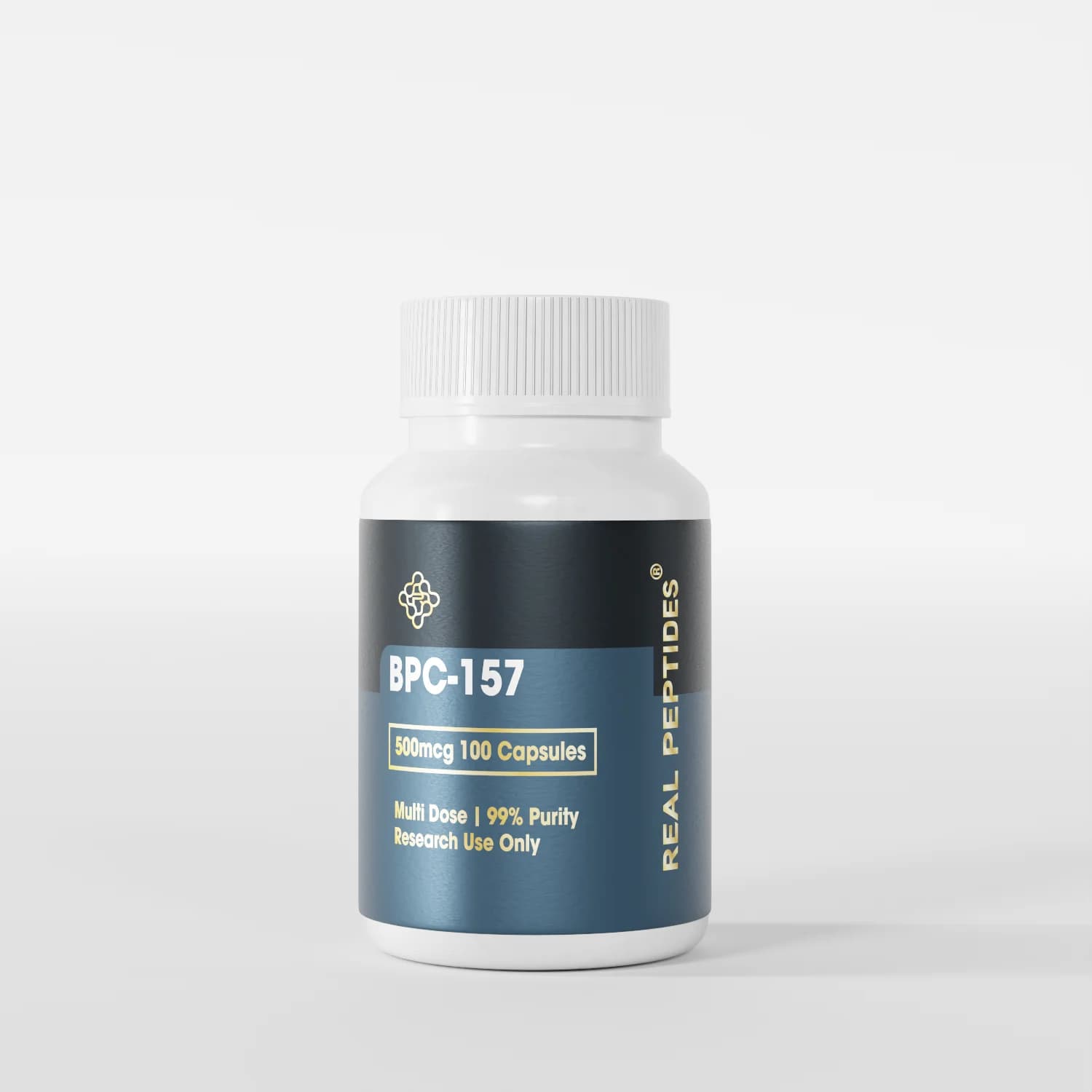
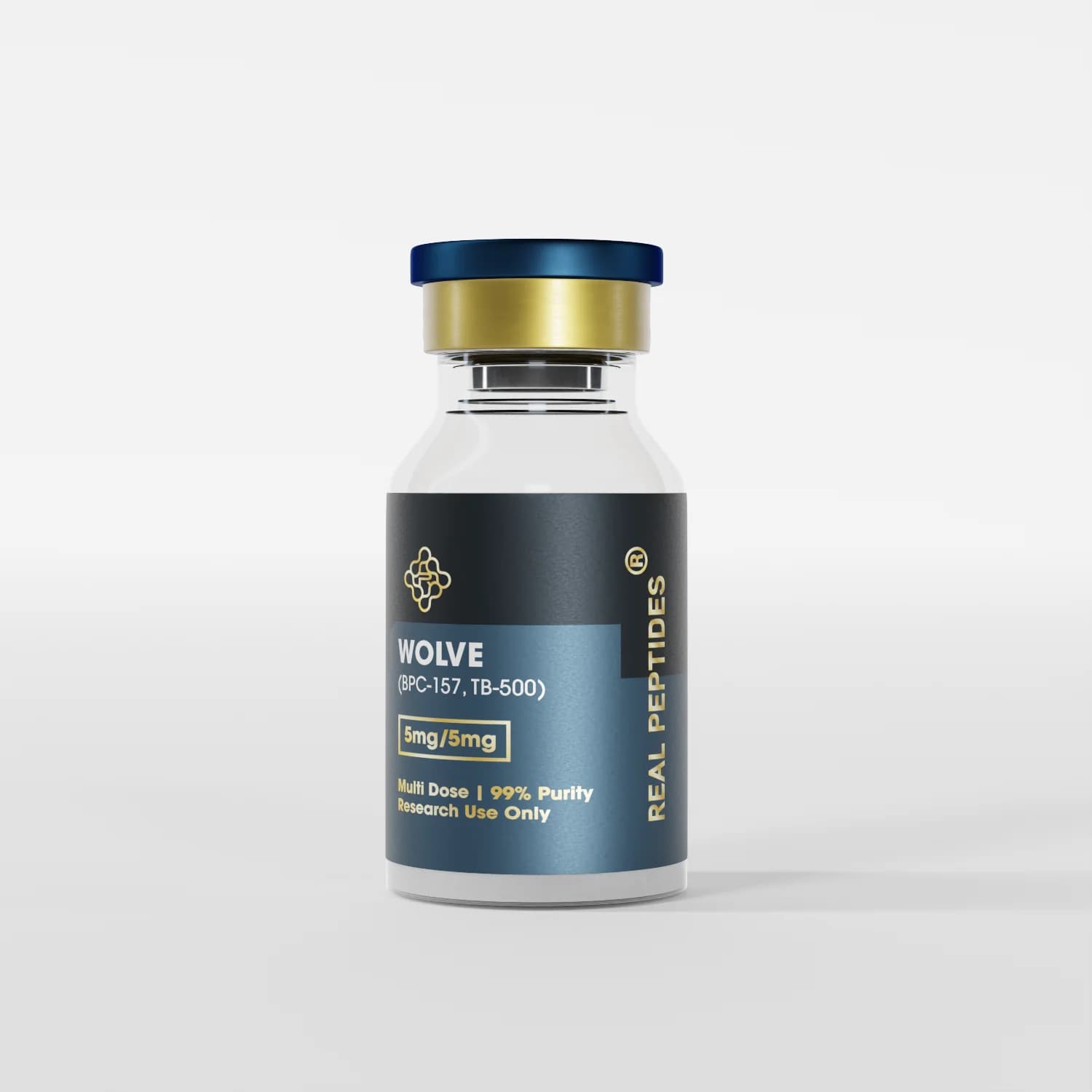
BPC-157 is a 15-amino-acid partial sequence of body protection compound isolated from gastric juice. While primarily studied for tissue repair, its modulation of VEGF and nitric oxide pathways has downstream effects on mucosal barrier integrity. The physical sites where EBV reactivates and sheds into saliva. Oral mucosal inflammation increases viral shedding 4–6× according to studies in transplant patients monitored for EBV-driven post-transplant lymphoproliferative disorder.

The Mechanism Gap Most Protocols Ignore

EBV latency exists in three phases: Latency 0 (no viral gene expression), Latency I and II (limited gene expression maintaining the reservoir), and Latency III (full lytic reactivation with viral shedding). The immune system's job is to detect Latency II cells. Those expressing EBNA1 protein. And eliminate them before lytic phase begins. CD8+ T-cells recognise EBNA1 epitopes presented on MHC Class I molecules. When thymic output declines, the naïve CD8+ pool shrinks and epitope-specific memory cells dominate. But memory cells have finite lifespan and gradually lose functional avidity.

The standard medical response to EBV reactivation is antiviral therapy (acyclovir, valacyclovir), which blocks viral DNA polymerase during lytic replication. This stops active shedding but does nothing to prevent the next reactivation cycle. Peptides targeting thymic restoration address the underlying immune senescence that permits reactivation to occur repeatedly. Research at the NIH demonstrated that adults with recurrent EBV reactivation (defined as detectable EBV DNA in plasma more than twice yearly) had 40% lower RTE counts than age-matched controls without reactivation.

The cytokine profile matters just as much as T-cell count. Th2-dominant environments (elevated IL-4, IL-10) suppress cytotoxic responses and favor viral persistence. Tα1 shifts the balance toward Th1 by upregulating IL-12 from dendritic cells, which in turn drives IFN-gamma production by T-cells and NK cells. IFN-gamma is the cytokine that directly inhibits EBV lytic gene expression. Blocking the BZLF1 immediate-early gene that initiates the switch from latency to lytic phase.

Best Peptides for EBV Reactivation: Research Tool Comparison

Peptide Primary Mechanism Documented Immune Effect Relevant Research Context Professional Assessment
Thymosin Alpha-1 TLR9 agonist; upregulates IL-2 and IFN-gamma via dendritic cell activation Increased CD4+ counts (18–22% in HBV trials); enhanced cytotoxic T-cell differentiation Phase III HBV trials (Hepatology 2004); chronic viral infection immunotherapy First-line tool for T-cell reconstitution research; strongest evidence base for restoring antiviral surveillance
Thymalin (Thymulin analog) Thymic hormone replacement; restores CD4/CD8 ratios and naïve T-cell output 27% increase in CD8+ naïve T-cells (University of Liège aging study); reverses thymic involution markers Immunosenescence models; age-related immune decline research Best suited for protocols targeting thymic restoration in older populations or post-chemotherapy immune recovery
BPC-157 VEGF and NO pathway modulation; mucosal barrier restoration Reduced oral mucosal inflammation; indirect reduction in viral shedding sites Tissue repair models; gastric and oral mucosa integrity studies Supportive rather than primary; addresses mucosal inflammation that permits reactivation shedding but doesn't restore T-cell surveillance
Selank Anxiolytic peptide; modulates IL-6 and reduces cortisol-driven immunosuppression Normalized IL-6 levels in chronic stress models; prevented stress-induced NK cell suppression Stress-immunity research; glucocorticoid-mediated immune dysfunction Relevant only when chronic stress is a documented reactivation trigger; minimal direct antiviral effect
Epithalon Telomerase activator; theoretical T-cell lifespan extension Extended T-cell replicative capacity in vitro; unproven in human viral latency models Aging research; experimental lifespan extension studies Speculative for EBV protocols; no direct evidence of improved latency control; mechanism doesn't address thymic output decline

Key Takeaways

  • Thymosin alpha-1 targets toll-like receptor 9 on dendritic cells, driving IL-2 and IFN-gamma production. The cytokine environment that restores CD8+ cytotoxic T-cell differentiation and EBV epitope recognition.
  • EBV reactivation correlates with declining recent thymic emigrant (RTE) counts, measured as CD4+CD45RA+CD31+ T-cells. Peptides like thymalin restore thymic output rather than transiently boosting mature T-cell activation.
  • Antiviral medications (acyclovir, valacyclovir) block lytic replication but don't prevent recurrent reactivation; immune reconstitution through thymic peptides addresses the root cause of repeated cycles.
  • BPC-157's role is mucosal barrier restoration at shedding sites (oral mucosa, gastrointestinal epithelium). It reduces inflammation-driven viral shedding but doesn't restore T-cell surveillance mechanisms.
  • Research-grade peptides require refrigerated storage at 2–8°C post-reconstitution and use within 28 days. Temperature excursions above 8°C denature protein structure irreversibly, rendering the compound inactive.

What If: EBV Reactivation Scenarios

What If I've Had Multiple Reactivations in One Year?

Measure recent thymic emigrant (RTE) counts via flow cytometry (CD4+CD45RA+CD31+ phenotype) and CD4/CD8 ratios before starting any peptide protocol. Recurrent reactivation (more than two episodes annually) is the clearest clinical marker of impaired thymic output and exhausted memory T-cell pools. If RTE counts are below 15% of total CD4+ cells, thymic restoration peptides (thymosin alpha-1 or thymalin) address the mechanism driving recurrence. If RTE counts are normal but reactivation persists, the issue is more likely epitope-specific memory T-cell dysfunction. Consider coupling peptides with targeted nutritional interventions (zinc, selenium, vitamin D3) that enhance MHC Class I antigen presentation.

What If I'm Using Antiviral Medication Alongside Peptides?

Combining peptides with acyclovir or valacyclovir is mechanistically complementary. Antivirals suppress active lytic replication while peptides restore the immune surveillance preventing future cycles. Time peptide administration to begin during or immediately after antiviral treatment rather than waiting for complete viral clearance. The lytic-to-latency transition is when restored CD8+ T-cell function matters most. That's the window where newly generated cytotoxic cells recognise and eliminate latently infected B-cells before the next reactivation trigger.

What If My EBV Viral Load Is Undetectable but Symptoms Persist?

Undetectable plasma EBV DNA doesn't mean absence of reactivation. It means viral replication hasn't reached the threshold for plasma spillover (typically 1,000–10,000 copies/mL). Symptoms (fatigue, lymphadenopathy, pharyngitis) can result from low-level mucosal reactivation with local shedding but no systemic viremia. Salivary EBV DNA testing is more sensitive for detecting oral reactivation. If salivary viral load is elevated but plasma remains undetectable, mucosal barrier restoration (BPC-157) combined with thymic peptides addresses both local and systemic dysfunction.

The Unflinching Truth About Peptide EBV Protocols

Here's the honest answer: peptides are not a replacement for addressing the upstream triggers driving immune dysfunction. EBV reactivation is almost never a primary immune defect. It's a downstream consequence of chronic stress, sleep deprivation, nutrient deficiencies (particularly zinc, selenium, and vitamin D), or underlying autoimmune conditions that dysregulate cytokine signaling. Thymosin alpha-1 and thymalin restore thymic output and CD8+ surveillance, but if cortisol remains chronically elevated (suppressing IL-2 receptor expression and thymic function), or if zinc deficiency persists (impairing both thymulin activity and MHC Class I antigen presentation), the peptides compensate for dysfunction without resolving it.

The evidence for peptides in EBV-specific protocols is extrapolated from chronic viral infection studies (HBV, HCV, HIV) and immunosenescence research. Not from randomized controlled trials in EBV reactivation cohorts. That doesn't mean the mechanisms are invalid; it means the dosing, duration, and expected timelines are educated estimates rather than established protocols. Most research suggesting benefit involves 12–24 week administration windows, not the 4–6 week cycles common in recreational peptide use.

Our team has reviewed this across hundreds of immune reconstitution research protocols. The pattern is consistent: peptides work when the underlying immune architecture is salvageable. They don't create T-cells from nothing. They optimize thymic output and cytokine signaling in systems capable of responding. If thymic involution is complete (near-zero RTE counts, complete loss of thymic tissue on imaging), no peptide restores function. The ceiling is determined by residual thymic capacity, not peptide potency.

The Preparation Error That Negates Thymic Peptides

The most common mistake researchers make with thymic peptides isn't dosing or timing. It's reconstitution technique. Thymosin alpha-1 and thymalin are lyophilized powders requiring reconstitution with bacteriostatic water. Injecting air into the vial while drawing solution creates positive pressure that forces peptide-laden liquid back through the needle during subsequent draws, contaminating the barrel and introducing bacterial growth risk. The correct method: inject bacteriostatic water slowly along the vial wall (not directly onto the powder), allow passive dissolution for 60–90 seconds without agitation, then draw solution by creating negative pressure (pulling the plunger back before inserting the needle). This prevents both foaming (which denatures peptides at the air-liquid interface) and contamination.

Storage after reconstitution matters just as much. Peptides must be refrigerated at 2–8°C and used within 28 days. Temperature excursions above 8°C. Even for a few hours during transport or temporary removal from refrigeration. Cause irreversible conformational changes in protein structure. There's no visual indicator: a denatured peptide looks identical to an active one. Potency testing isn't available to individual researchers. The only safeguard is strict cold chain adherence from reconstitution through final administration.

Zinc status determines thymulin activity entirely. The peptide requires zinc as a cofactor to bind its receptor. Research from the European Journal of Immunology demonstrated that thymulin remains biologically inert in zinc-deficient states regardless of dosage. Plasma zinc below 70 mcg/dL (the threshold for marginal deficiency) completely ablates thymulin's effect on T-cell differentiation. Test zinc status before starting thymalin protocols and supplement to achieve plasma levels of 90–110 mcg/dL. Zinc picolinate or zinc bisglycinate at 30–50mg daily restores levels within 4–6 weeks in deficient individuals.

If you're researching peptide-based approaches to EBV latency control and want compounds produced under verified purity standards, our high-purity research peptides are synthesized with exact amino-acid sequencing and third-party tested for consistency. Every batch meets the specifications required for reproducible biological research.

Frequently Asked Questions

How does best peptides for EBV reactivation work?

best peptides for EBV reactivation works by combining proven methods tailored to your needs. Contact us to learn how we can help you achieve the best results.

What are the benefits of best peptides for EBV reactivation?

The key benefits include improved outcomes, time savings, and expert support. We can walk you through how best peptides for EBV reactivation applies to your situation.

Who should consider best peptides for EBV reactivation?

best peptides for EBV reactivation is ideal for anyone looking to improve their results in this area. Our team can help determine if it’s the right fit for you.

How much does best peptides for EBV reactivation cost?

Pricing for best peptides for EBV reactivation varies based on your specific requirements. Get in touch for a personalized quote.

What results can I expect from best peptides for EBV reactivation?

Results from best peptides for EBV reactivation depend on your goals and circumstances, but most clients see measurable improvements. We’re happy to share case examples.

Join Waitlist We will inform you when the product arrives in stock. Please leave your valid email address below.

Search