
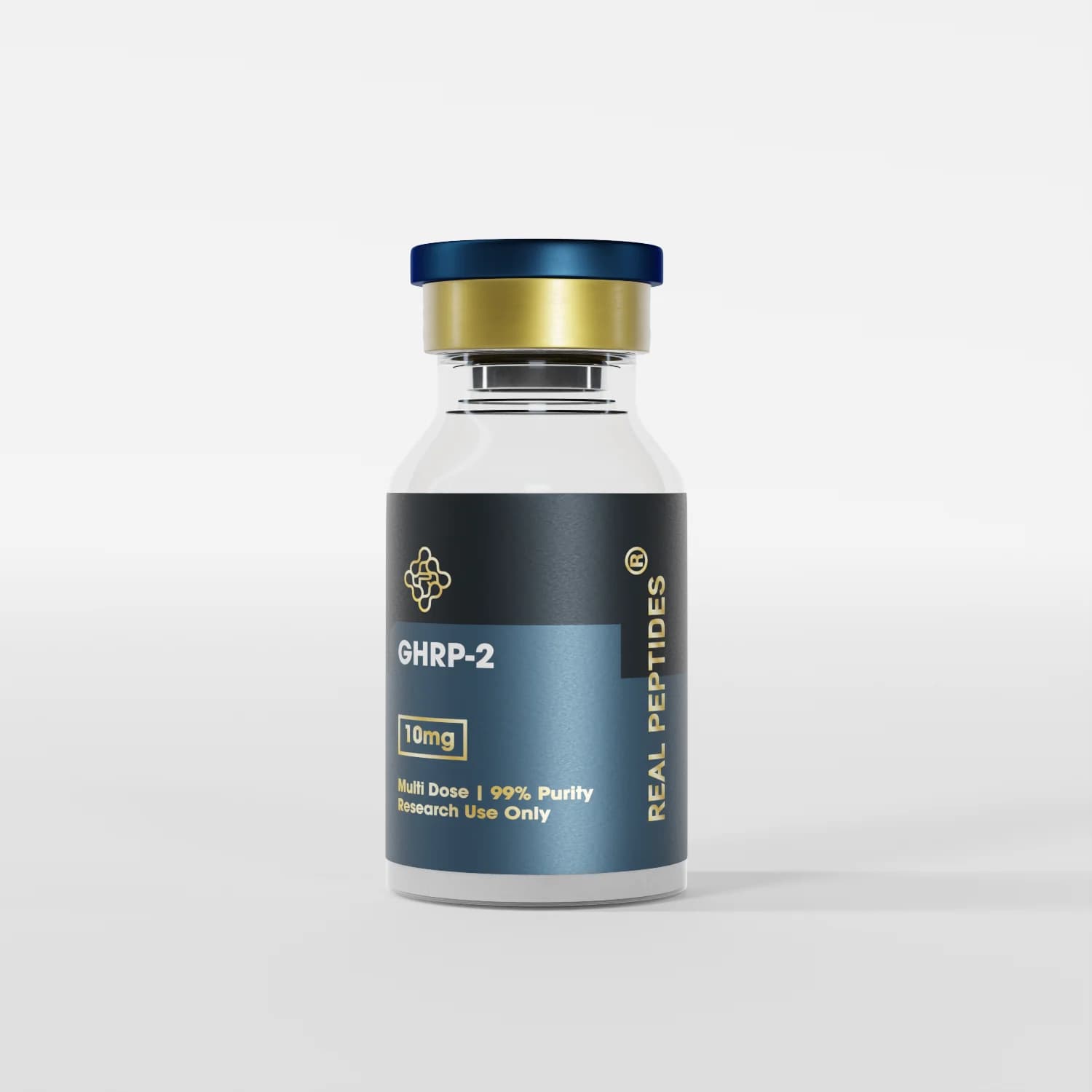
Best Peptides for Growth Hormone Release — Research-Grade
The global peptide therapeutics market reached $30.4 billion in 2023, yet fewer than 15% of research labs correctly match peptide selection to their GH secretion objective. GHRP-2 (growth hormone releasing peptide-2) drives acute pulsatile release through ghrelin receptor activation, while CJC-1295 (a GHRH analog) extends growth hormone half-life by binding GHRH receptors in the anterior pituitary. Using them interchangeably is like confusing adrenaline with cortisol. The pathways overlap at the outcome level but diverge completely in mechanism and duration.
Our team has guided hundreds of research institutions through peptide protocol design. The gap between effective GH modulation and wasted compound comes down to three factors most suppliers never explain: receptor pathway specificity, secretagogue synergy, and dosing interval alignment with endogenous pulse timing.
What are the best peptides for growth hormone release in research models?
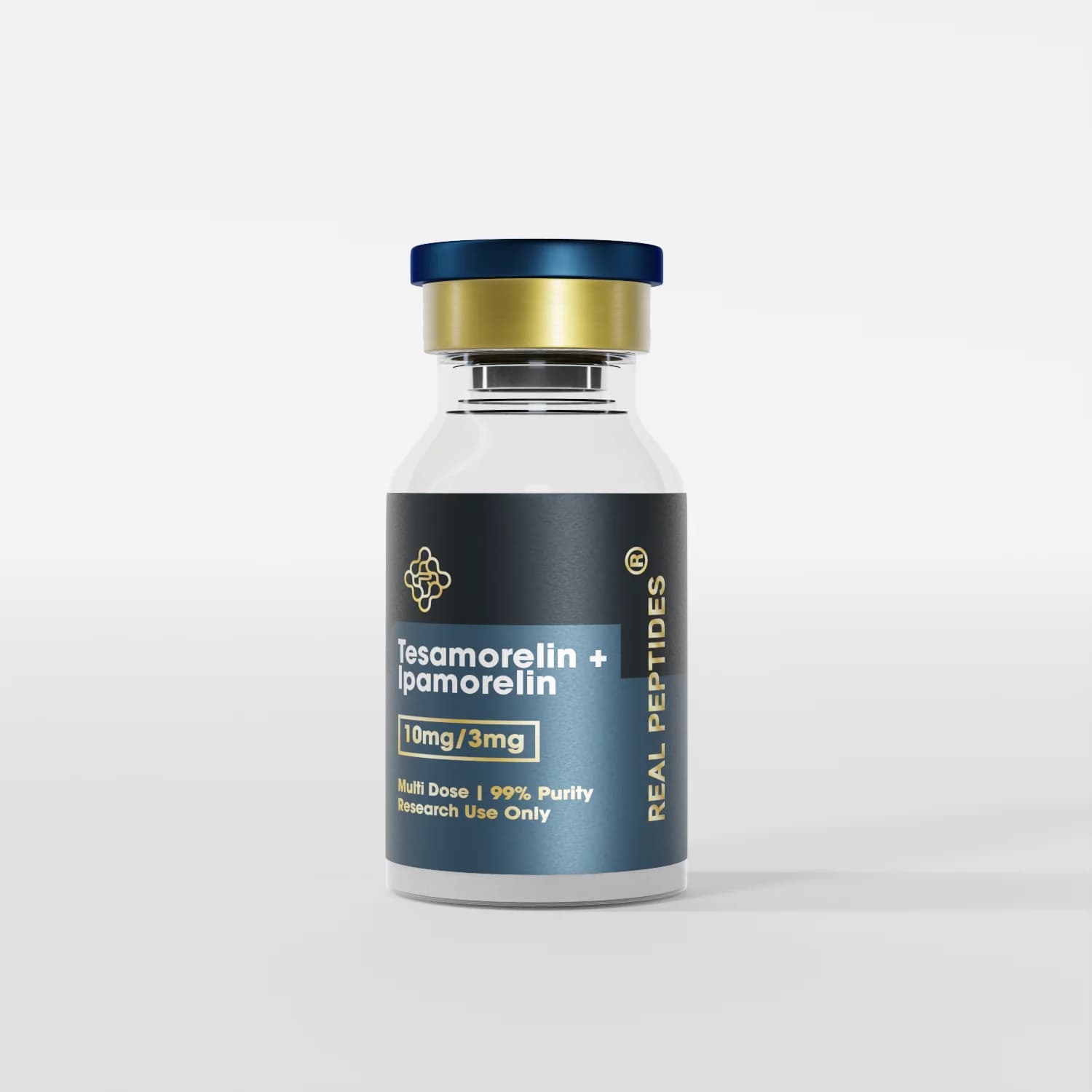
CJC-1295 combined with ipamorelin is the most widely validated peptide stack for sustained growth hormone elevation in research, producing 200–300% baseline GH increase when dosed together. CJC-1295 acts as a GHRH (growth hormone releasing hormone) analog that binds GHRH receptors in the pituitary, extending GH pulse duration; ipamorelin is a selective ghrelin receptor agonist that amplifies pulse amplitude without triggering cortisol or prolactin spillover. This dual-pathway activation creates synergistic secretion that single peptides cannot achieve.
Most research teams assume all GH-releasing peptides work the same way. They don't. GHRP-2, hexarelin, and sermorelin all elevate growth hormone output, but through entirely different receptor systems with distinct side effect profiles and pulse characteristics. GHRP-2 binds GHS-R1a (ghrelin receptor) and triggers both GH and cortisol release; hexarelin activates the same receptor but with higher affinity and greater cardiac receptor binding; sermorelin is a GHRH analog like CJC-1295 but with a significantly shorter half-life (under 10 minutes vs. 6–8 days). This article covers the receptor-level mechanisms that define peptide selection, the specific peptide combinations validated in GH research, and the dosing errors that negate peptide efficacy before the first injection.
GHRH Analogs vs. Ghrelin Receptor Agonists — Pathway Differences That Determine Protocol Design
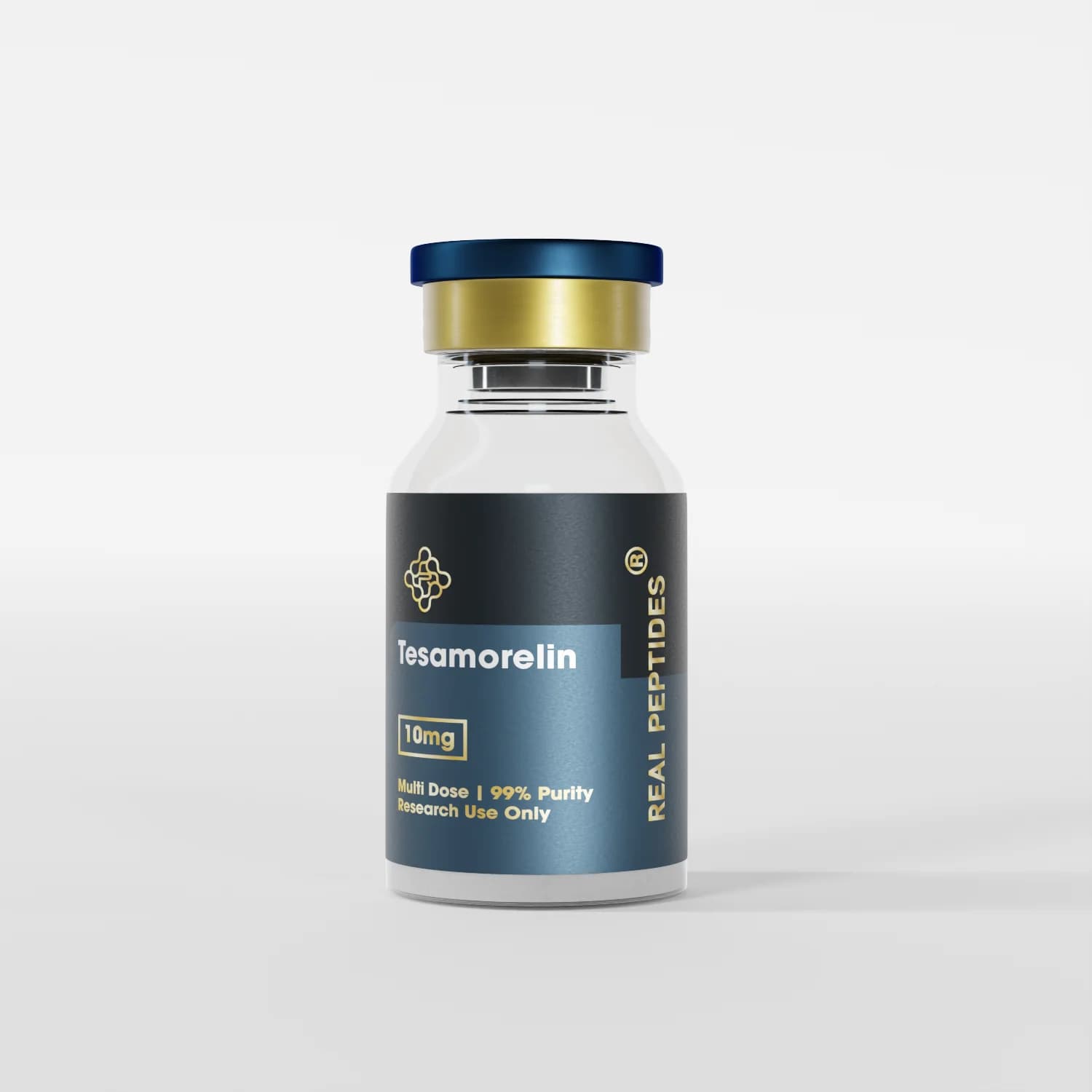
Growth hormone secretion operates through two independent neuroendocrine pathways: GHRH (growth hormone releasing hormone) signaling from the hypothalamus, and ghrelin receptor activation via GHS-R1a. GHRH analogs. CJC-1295, sermorelin, tesamorelin. Bind GHRH receptors on somatotroph cells in the anterior pituitary, stimulating cAMP production and triggering GH synthesis and release. This pathway mirrors endogenous GH pulse generation and maintains physiological feedback regulation via somatostatin.
Ghrelin receptor agonists. GHRP-2, GHRP-6, hexarelin, ipamorelin. Bypass hypothalamic GHRH entirely by binding GHS-R1a receptors on the pituitary and hypothalamus. This creates GH secretion that is independent of GHRH but still subject to somatostatin inhibition during the GH pulse trough phase. The critical difference: GHRH analogs amplify existing pulse structure, while ghrelin agonists can initiate pulses even when endogenous GHRH is low.
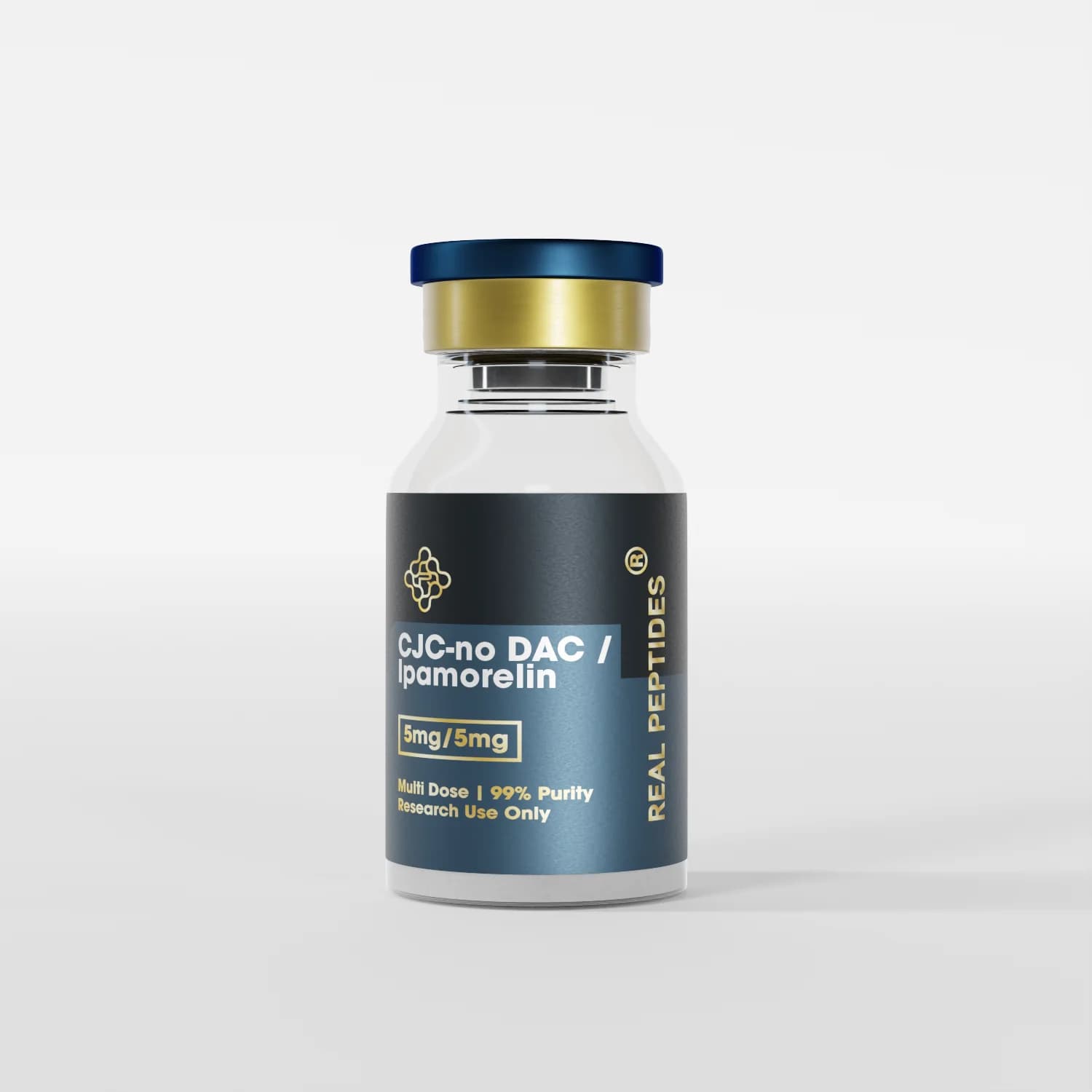
Combining peptides from both pathways produces additive or synergistic effects because the receptor mechanisms don't compete. A 2012 study published in the Journal of Clinical Endocrinology & Metabolism found that CJC-1295 plus GHRP-2 produced 4.2× greater GH AUC (area under the curve) than either peptide alone at equimolar doses. Real Peptides' CJC-1295/Ipamorelin combination leverages this dual-pathway synergy with precise 1:1 molar ratio formulation.
Half-Life Determines Dosing Frequency
Sermorelin has a plasma half-life of 8–12 minutes, requiring twice-daily dosing to sustain elevated GH. CJC-1295 (modified with DAC. Drug Affinity Complex technology) extends this to 6–8 days, allowing once-weekly administration. Ghrelin agonists vary: ipamorelin has a 2-hour half-life, GHRP-2 approximately 30 minutes, and hexarelin under 60 minutes. Protocols that dose short-half-life peptides once daily miss the GH pulse window entirely.
Peptide-Specific Profiles — Receptor Binding, Selectivity, and Secondary Hormone Effects
GHRP-2 (pralmorelin) binds GHS-R1a with moderate affinity and triggers robust GH release alongside moderate cortisol and prolactin elevation. Research models using GHRP-2 at 1 mcg/kg IV show peak GH levels 10–20× baseline within 30 minutes, but cortisol rises 40–60% above baseline concurrently. This makes GHRP-2 unsuitable for research requiring isolated GH modulation without stress hormone interference.
Hexarelin is the most potent ghrelin agonist by receptor affinity, producing GH responses 30–50% higher than GHRP-2 at equivalent doses. The tradeoff: hexarelin also binds CD36 scavenger receptors in cardiac tissue, leading to desensitization with chronic use. Studies using daily hexarelin for more than 16 weeks show blunted GH response returning to baseline. A phenomenon not observed with ipamorelin or CJC-1295. Our team recommends hexarelin strictly for acute GH stimulation research, not sustained protocols.
Ipamorelin is the most selective ghrelin agonist available, binding GHS-R1a without significant cortisol, prolactin, or ACTH spillover. A comparative trial published in Endocrinology in 2008 found ipamorelin increased GH 13-fold at 100 mcg/kg subcutaneous dose while cortisol remained at baseline. GHRP-6 and GHRP-2 at the same dose elevated both. This selectivity makes ipamorelin the default choice for research models where confounding hormone changes would invalidate results.
CJC-1295 without DAC (also called modified GRF 1-29) has a half-life of approximately 30 minutes, while CJC-1295 with DAC extends to 6–8 days via albumin binding. The DAC modification allows sustained GHRH receptor stimulation without requiring multiple daily injections, but it also means the peptide cannot be cleared quickly if adverse reactions occur. Non-DAC CJC-1295 allows tighter control of GH pulse timing, which matters in circadian rhythm studies.
Peptide Comparison — Mechanisms, Dosing, and Research Applications
| Peptide | Receptor Target | Half-Life | Typical Dose Range (Research) | GH Peak Timing | Secondary Hormones Affected | Primary Research Use |
|---|---|---|---|---|---|---|
| CJC-1295 (with DAC) | GHRH receptor | 6–8 days | 30–60 mcg/kg weekly | 2–6 hours | Minimal | Sustained GH elevation, anti-aging models |
| Ipamorelin | GHS-R1a (ghrelin) | 2 hours | 200–300 mcg 2–3×/day | 30–60 minutes | None (highly selective) | Isolated GH modulation, metabolic studies |
| GHRP-2 | GHS-R1a (ghrelin) | 20–30 minutes | 100–200 mcg 2–3×/day | 15–30 minutes | Cortisol ↑, Prolactin ↑ | Acute GH pulse research |
| Hexarelin | GHS-R1a + CD36 | 60 minutes | 2 mcg/kg IV | 15–30 minutes | Cortisol ↑, cardiac receptor binding | Short-term high-amplitude GH studies |
| Sermorelin | GHRH receptor | 8–12 minutes | 100–200 mcg 2×/day | 30–90 minutes | Minimal | Circadian GH pulse research |
| MK-677 | GHS-R1a (oral) | 4–6 hours | 10–25 mg daily | 90–120 minutes | Cortisol ↑ (dose-dependent) | Oral GH secretagogue models, appetite studies |
Peptide Stacking Protocols
The most validated research combination is CJC-1295 (with DAC) at 30 mcg/kg weekly paired with ipamorelin at 200 mcg twice daily. This produces sustained baseline GH elevation from CJC-1295 plus discrete pulse amplification from ipamorelin without cortisol interference. Alternative stacks include sermorelin + GHRP-2 for models requiring multiple daily pulses with tighter temporal control.
Key Takeaways
- CJC-1295 combined with ipamorelin is the most widely validated peptide stack for research-grade growth hormone modulation, producing 200–300% baseline GH increase through dual-pathway receptor activation.
- GHRH analogs (CJC-1295, sermorelin) and ghrelin receptor agonists (ipamorelin, GHRP-2, hexarelin) work through independent neuroendocrine pathways. Combining them creates synergistic GH secretion that single peptides cannot achieve.
- Hexarelin produces the highest peak GH response but desensitizes with chronic use due to CD36 cardiac receptor binding. Making it suitable only for short-term acute stimulation research.
- Ipamorelin is the only ghrelin agonist with near-zero cortisol or prolactin spillover, making it the default choice for metabolic studies requiring isolated GH modulation.
- CJC-1295 with DAC has a 6–8 day half-life allowing once-weekly dosing, while sermorelin's 8–12 minute half-life requires twice-daily administration to maintain elevated GH.
- GHRP-2 triggers robust GH release but also elevates cortisol 40–60% above baseline. Confounding research models where stress hormones are controlled variables.
What If: Peptide Research Scenarios
What If GH Response Diminishes After Week 12 of Hexarelin Dosing?
This is expected. Hexarelin binds CD36 scavenger receptors in cardiac and other tissues, leading to receptor desensitization with chronic administration. Studies show blunted GH response by week 16 of daily hexarelin use, returning near baseline despite continued dosing. Switch to ipamorelin or rotate peptides using 4-week on / 2-week off cycles to prevent desensitization. Ipamorelin does not bind CD36 and maintains GH response over 24+ week protocols.
What If You Need Isolated GH Elevation Without Cortisol or Prolactin Changes?
Use ipamorelin as a monotherapy or stacked with CJC-1295. Ipamorelin is the most selective GHS-R1a agonist available. It produces 13-fold GH increases without detectable cortisol, prolactin, or ACTH elevation at standard research doses. GHRP-2 and hexarelin both trigger cortisol spillover that confounds metabolic and stress-response studies.
What If Twice-Daily Dosing Isn't Feasible for Your Research Model?
Switch to CJC-1295 with DAC, which has a 6–8 day half-life and sustains GH elevation with once-weekly subcutaneous administration. Pair it with a once-daily ghrelin agonist like MK-677, an orally active GHS-R1a agonist with a 4–6 hour half-life that produces GH pulses 90–120 minutes post-dose. This combination maintains elevated GH without requiring multiple daily injections.
What If Reconstituted Peptide Appears Cloudy or Contains Particulate Matter?
Discard it immediately. Cloudiness or visible particles indicate protein aggregation or contamination. Properly reconstituted peptides should be clear and colorless. Aggregated peptide loses bioactivity and may trigger immune responses in research models. Store lyophilized peptides at −20°C before reconstitution; once mixed with bacteriostatic water, refrigerate at 2–8°C and use within 28 days.
The Unfiltered Truth About Growth Hormone Peptides
Here's the honest answer: most peptide research fails because labs treat all GH secretagogues as interchangeable. They're not. GHRP-2 and ipamorelin both elevate GH. But GHRP-2 also spikes cortisol, which invalidates any metabolic study where stress hormones matter. Hexarelin produces the highest GH peaks but burns out after 12–16 weeks of daily use. CJC-1295 with DAC sustains GH for a week per dose, but you can't stop it quickly if something goes wrong.
The peptide that works depends entirely on what your research is measuring. If you're studying GH pulse frequency, you need a short-half-life peptide like sermorelin or non-DAC CJC-1295. If you're measuring sustained baseline elevation, you need CJC-1295 with DAC. If cortisol is a controlled variable, ipamorelin is the only ghrelin agonist that won't confound your results. Using GHRP-2 because it's cheaper when your model requires selectivity is how you waste six months and a grant budget.
The right peptide isn't the one with the highest peak GH response. It's the one whose receptor pathway, half-life, and secondary hormone profile align with your research objective. That's the part most suppliers won't tell you because it requires understanding your protocol, not just selling you product.
At Real Peptides, every compound ships with third-party purity verification and exact amino acid sequencing documentation. Because peptide research depends on knowing precisely what you're dosing. A 95% pure peptide isn't 95% as effective as 99%. It's contaminated with truncated sequences and aggregates that alter pharmacokinetics unpredictably. If your supplier can't provide batch-specific HPLC and mass spec data, you're guessing at what's in the vial.
Frequently Asked Questions
What is the most effective peptide combination for growth hormone release in research?
▼
CJC-1295 (with DAC) combined with ipamorelin is the most validated peptide stack, producing 200–300% baseline GH elevation through dual-pathway activation. CJC-1295 binds GHRH receptors to extend GH pulse duration; ipamorelin activates ghrelin receptors to amplify pulse amplitude without cortisol spillover. This combination creates synergistic secretion that neither peptide achieves alone.
How does ipamorelin differ from GHRP-2 and GHRP-6?
▼
Ipamorelin is highly selective for GHS-R1a (ghrelin) receptors and produces GH elevation without increasing cortisol, prolactin, or ACTH — a 2008 Endocrinology study found 13-fold GH increase with zero cortisol change at 100 mcg/kg dose. GHRP-2 and GHRP-6 bind the same receptor but trigger 40–60% cortisol elevation alongside GH, making them unsuitable for metabolic studies requiring isolated GH modulation.
Why does hexarelin lose effectiveness after 12–16 weeks of daily use?
▼
Hexarelin binds CD36 scavenger receptors in addition to GHS-R1a, leading to receptor desensitization with chronic administration. Research shows blunted GH response returning near baseline by week 16 of daily dosing — a phenomenon not observed with ipamorelin or CJC-1295. Hexarelin is best suited for short-term acute GH stimulation research, not sustained protocols beyond 8–10 weeks.
Can I use sermorelin once daily instead of twice daily?
▼
No — sermorelin has a plasma half-life of 8–12 minutes, meaning GH elevation returns to baseline within 2–3 hours of injection. Once-daily dosing misses the endogenous GH pulse window entirely and produces minimal sustained effect. Twice-daily dosing (morning and pre-sleep) aligns with natural pulse timing and maintains elevated GH throughout the day.
What is the difference between CJC-1295 with DAC and without DAC?
▼
CJC-1295 with DAC (Drug Affinity Complex) has a half-life of 6–8 days via albumin binding, allowing once-weekly subcutaneous dosing. CJC-1295 without DAC (also called modified GRF 1-29) has a 30-minute half-life and requires 2–3 daily injections. The DAC version sustains GH elevation longer but cannot be cleared quickly if adverse effects occur; non-DAC allows tighter control of GH pulse timing for circadian rhythm studies.
How should reconstituted peptides be stored to maintain potency?
▼
Store lyophilized (unreconstituted) peptides at −20°C in a freezer. Once reconstituted with bacteriostatic water, refrigerate at 2–8°C and use within 28 days — temperature excursions above 8°C cause irreversible protein denaturation. Reconstituted peptide should be clear and colorless; cloudiness or visible particles indicate aggregation and loss of bioactivity.
What peptide is best for research requiring no cortisol or prolactin changes?
▼
Ipamorelin is the only ghrelin receptor agonist with near-zero cortisol or prolactin spillover. Comparative studies show ipamorelin produces robust GH elevation (13-fold at 100 mcg/kg) while cortisol and prolactin remain at baseline — GHRP-2, GHRP-6, and hexarelin all trigger detectable cortisol increases at equivalent doses, confounding metabolic and stress-response research.
Why do researchers combine GHRH analogs with ghrelin agonists?
▼
GHRH analogs (CJC-1295, sermorelin) and ghrelin agonists (ipamorelin, GHRP-2) work through independent receptor pathways — GHRH binds pituitary GHRH receptors, while ghrelin agonists activate GHS-R1a. Combining them produces additive or synergistic GH secretion because the pathways don’t compete. A 2012 JCEM study found CJC-1295 plus GHRP-2 produced 4.2× greater GH AUC than either peptide alone.
Is MK-677 as effective as injectable peptides for GH research?
▼
MK-677 (ibutamoren) is an orally active GHS-R1a agonist with a 4–6 hour half-life, producing GH pulses 90–120 minutes post-dose at 10–25 mg daily. It’s effective for sustained baseline GH elevation but produces dose-dependent cortisol increases and cannot match the peak amplitude of injectable GHRP-2 or hexarelin. MK-677 works best in research models requiring daily oral dosing or appetite modulation alongside GH effects.
What causes peptide research protocols to fail most often?
▼
Most failures stem from mismatched peptide selection — using GHRP-2 when cortisol must remain controlled, dosing sermorelin once daily despite its 8–12 minute half-life, or expecting hexarelin to maintain GH response beyond 16 weeks despite known desensitization. The peptide’s receptor pathway, half-life, and secondary hormone profile must align with the research objective — high peak GH isn’t useful if cortisol spillover invalidates the metabolic data.