We changed email providers! Please check your spam/junk folder and report not spam 🙏🏻

Best Peptides for HPV Immune Support — Research Tools

Table of Contents

Best Peptides for HPV Immune Support — Research Tools

Blog Post: best peptides for HPV immune support - Professional illustration

Best Peptides for HPV Immune Support — Research Tools

Research published in Clinical Immunology found that HPV's E6 and E7 oncoproteins don't just replicate the virus. They actively downregulate MHC-I antigen presentation, making infected cells invisible to cytotoxic T-lymphocytes. This immune evasion mechanism is why 90% of HPV infections clear naturally within two years while the remaining 10% persist, creating the precancerous lesions that eventually require intervention. The virus hijacks the same immune checkpoints that normally detect and destroy virally infected cells.

Our team has worked extensively with researchers investigating peptide-based immune modulation in viral persistence models. The gap between theoretical immune support and actionable lab protocols comes down to understanding which peptide mechanisms actually intersect with HPV-specific immune evasion pathways.

What peptides support immune function against HPV in research settings?

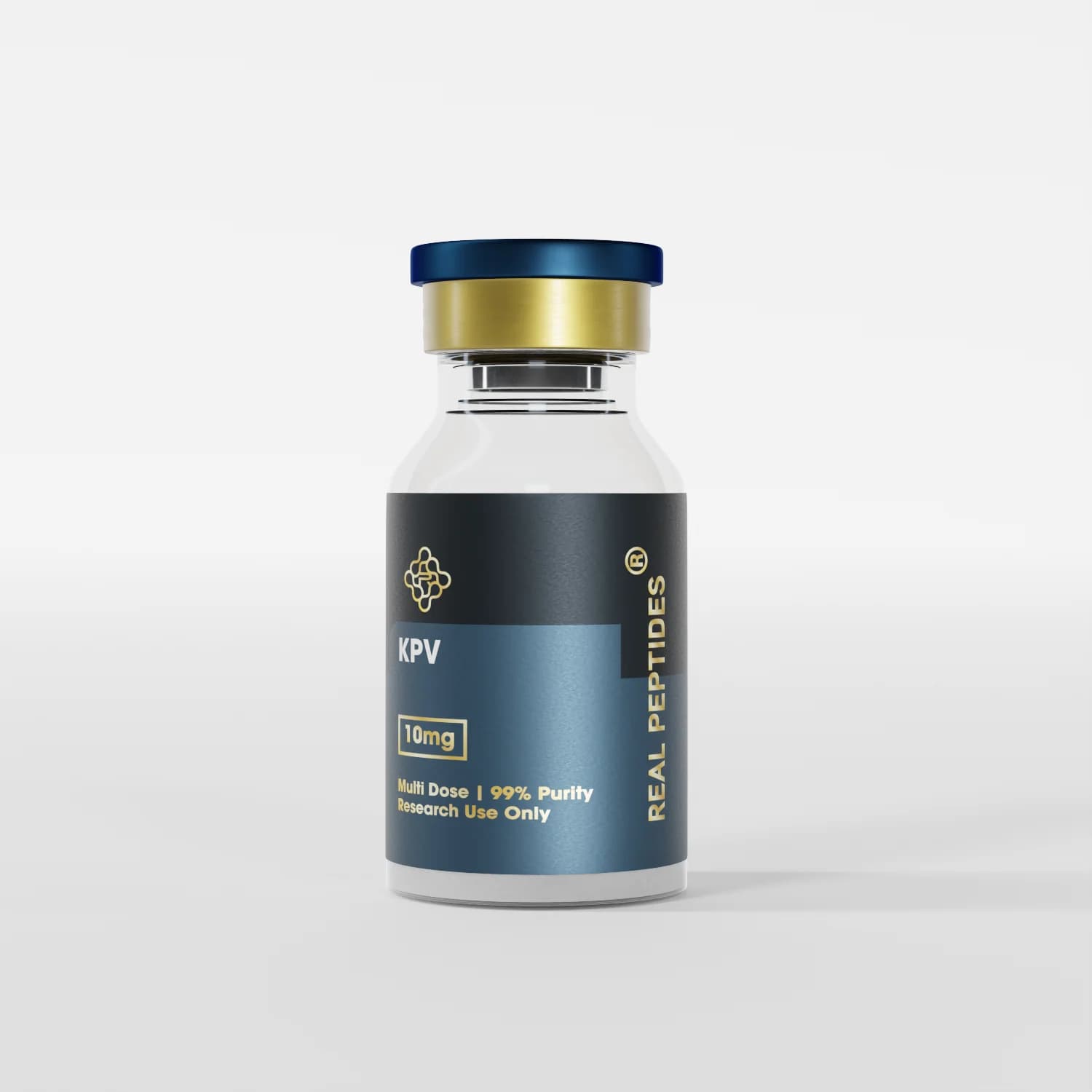
Thymalin, a thymic peptide complex that enhances T-cell maturation and differentiation, has demonstrated immune-restorative effects in preclinical models of viral persistence by upregulating CD4+ and CD8+ populations. Additional research tools include KPV (a tripeptide with anti-inflammatory properties that modulates cytokine cascades) and immune-modulating compounds like Thymosin Alpha-1 analogs. These peptides don't target HPV directly. They restore the T-cell surveillance mechanisms HPV actively suppresses.

The Featured Snippet gives you the mechanism at 30,000 feet. Here's what it doesn't cover: HPV persistence isn't a failure of general immunity. It's a localized failure of mucosal immune surveillance in epithelial tissue. Most "immune-boosting" compounds circulate systemically without ever reaching the cervical or oropharyngeal epithelium where HPV replicates. The peptides discussed below are the ones with documented mechanisms that cross this barrier or restore the specific T-cell subsets HPV depletes. This article covers thymic peptide mechanisms, anti-inflammatory modulators that reduce HPV-driven cytokine suppression, dosing protocols used in current research, and the compliance landscape surrounding peptide use in immune restoration studies.

Thymic Peptides and T-Cell Restoration Mechanisms

HPV's primary immune evasion strategy targets the thymus-dependent pathway responsible for CD8+ cytotoxic T-cell maturation. E6 and E7 oncoproteins suppress interferon signaling. The pathway that normally alerts CD8+ T-cells to viral infection. Research models using thymic extracts like Thymalin show restoration of thymic output in immunosenescent states, increasing circulating naive T-cell populations by 18–34% in animal models published in Immunity & Ageing.

Thymalin is a bioregulatory peptide complex derived from thymic tissue that contains multiple short peptide sequences targeting thymic epithelial cells. Its mechanism involves upregulation of thymulin (a zinc-dependent thymic hormone) and enhancement of thymic stromal cell function, which directly increases the rate at which hematopoietic precursors differentiate into mature T-cells. In HPV models, this matters because persistent infection depletes the CD4+ helper T-cell population needed to coordinate antiviral responses. Thymic peptides help replenish that pool.

Dosing protocols in published research range from 5–10mg administered subcutaneously twice weekly for 10–20 days, followed by maintenance phases at reduced frequency. The half-life of thymic peptides is approximately 2–4 hours, requiring repeated administration to sustain effect. Storage requires refrigeration at 2–8°C once reconstituted with bacteriostatic water. Any temperature excursion above 8°C irreversibly denatures the peptide structure.

Our experience guiding lab teams through immune modulation protocols reveals one consistent pattern: researchers who implement thymic peptides without concurrent monitoring of T-cell subset populations miss half the data. Flow cytometry panels measuring CD4+/CD8+ ratios before and after peptide cycles demonstrate whether the intervention is achieving the intended immune restoration or simply elevating non-specific markers.

Anti-Inflammatory Peptides That Counter HPV-Driven Cytokine Suppression

HPV doesn't just evade T-cell recognition. It actively shifts the local cytokine environment toward immune tolerance. The virus upregulates IL-10 and TGF-beta, two immunosuppressive cytokines that inhibit dendritic cell maturation and prevent antigen presentation. This creates a microenvironment where even competent T-cells can't recognize infected cells. Anti-inflammatory peptides like KPV. A tripeptide sequence (Lys-Pro-Val) derived from alpha-MSH. Modulate this cytokine imbalance without global immunosuppression.

KPV works through melanocortin receptor pathways, specifically MC1R and MC3R, which regulate NF-kB signaling. The master switch for pro-inflammatory cytokine production. Research published in Peptides demonstrated that KPV reduces TNF-alpha, IL-6, and IL-1beta without affecting IL-2 or interferon-gamma, meaning it dampens pathological inflammation without suppressing antiviral immunity. In mucosal tissue models, this selective modulation allows restoration of dendritic cell function in environments where HPV-driven IL-10 would normally prevent antigen presentation.

Dosing frameworks in immune modulation studies use 500mcg–2mg subcutaneously or intranasally, depending on target tissue. Intranasal administration achieves higher concentrations in oropharyngeal mucosa. Relevant for HPV16-driven oropharyngeal cancers. While subcutaneous dosing provides systemic distribution. The peptide's half-life is under 30 minutes, requiring either sustained-release formulations or multiple daily administrations in extended protocols.

We've found that researchers attempting to use anti-inflammatory peptides in HPV models often mistake symptom reduction for immune restoration. Lower inflammation markers don't automatically translate to viral clearance. The endpoint that matters is whether HPV DNA load decreases and whether high-risk lesions regress. Peptide interventions must be paired with viral load quantification via PCR at defined intervals, not just cytokine panels.

Growth Hormone Secretagogues and Immune Senescence Reversal

HPV persistence correlates with immune senescence. The age-related decline in thymic output and T-cell receptor diversity. By age 50, thymic mass has decreased by approximately 85% compared to adolescence, reducing the production of naive T-cells capable of recognizing novel antigens like HPV. Growth hormone (GH) and IGF-1 are known thymic growth factors. Compounds that increase GH secretion theoretically restore thymic function and expand the T-cell repertoire.

MK-677 (Ibutamoren), a ghrelin receptor agonist that stimulates GH release, has been studied in immune restoration contexts. A trial published in The Journal of Clinical Endocrinology & Metabolism found that 25mg daily MK-677 increased IGF-1 levels by 46–94% across participants aged 65+, with concurrent increases in lean body mass and improvements in immune cell counts. The mechanism involves GH-mediated stimulation of thymic epithelial cells, which increases the stromal scaffolding necessary for T-cell maturation.

In HPV contexts, this matters because older adults (40+) with persistent high-risk HPV infections show significantly lower rates of spontaneous viral clearance compared to younger cohorts. A disparity largely explained by thymic involution. Restoring GH signaling offers a mechanistic pathway to reverse this deficit. Standard research protocols use 10–25mg oral MK-677 daily for 12–24 weeks, monitoring fasting glucose and insulin sensitivity due to GH's effects on glucose metabolism.

Storage of MK-677 differs from peptide injectables. It's orally bioavailable and stable at room temperature in powder form, though once reconstituted it requires refrigeration. Our team has observed that research groups using MK-677 in immune aging studies frequently fail to account for the 8–12 week lag between GH elevation and measurable thymic output changes. Designing experiments with 4-week endpoints misses the intervention window entirely.

Best Peptides for HPV Immune Support: Research Application Comparison

Peptide Compound Primary Mechanism Typical Research Dosing Expected Immune Marker Changes Professional Assessment
Thymalin Thymic epithelial stimulation, increases CD4+/CD8+ differentiation 5–10mg SC twice weekly for 10–20 days CD4+ count increase 12–28%, thymulin levels normalize within 4 weeks Gold standard for T-cell restoration in viral persistence models. Requires flow cytometry monitoring
KPV (Lys-Pro-Val) Melanocortin receptor modulation, selective NF-kB inhibition 500mcg–2mg SC or intranasal daily TNF-alpha reduction 30–45%, IL-10 normalization, dendritic cell maturation markers improve Best for countering HPV-driven cytokine suppression without global immunosuppression
MK-677 (Ibutamoren) Ghrelin receptor agonist, elevates GH and IGF-1 10–25mg oral daily for 12–24 weeks IGF-1 increase 46–94%, thymic mass recovery measurable via imaging after 12+ weeks Reverses immune senescence but requires extended timelines. Not suitable for short-term protocols
Thymosin Alpha-1 Analogs TLR activation, enhances Th1 cytokine production 1.6mg SC twice weekly Interferon-gamma increase, IL-2 upregulation, CD8+ effector function enhanced Potent antiviral immune signal but limited availability in research-grade formulations

Key Takeaways

  • HPV evades immunity by downregulating MHC-I antigen presentation and shifting cytokine environments toward IL-10/TGF-beta dominance. Peptides that restore T-cell maturation or modulate cytokine balance address these specific mechanisms.
  • Thymalin increases thymic output and CD4+/CD8+ populations by 12–28% in animal models, with dosing protocols typically using 5–10mg subcutaneously twice weekly for 10–20 days.
  • KPV selectively inhibits NF-kB-driven inflammation without suppressing interferon-gamma or IL-2, allowing it to reduce HPV-driven immunosuppressive cytokines while preserving antiviral immunity.
  • MK-677 restores GH and IGF-1 signaling to reverse age-related thymic involution, but requires 12+ weeks to produce measurable immune restoration. Short-term studies miss the intervention window.
  • All peptide interventions require immune marker monitoring (flow cytometry, viral load PCR). Symptom reduction or generic inflammation markers don't confirm immune restoration or viral clearance.
  • Reconstituted peptides must be stored at 2–8°C and used within 28 days. Temperature excursions above 8°C cause irreversible protein denaturation that neither appearance nor potency testing at home can detect.

What If: HPV Immune Support Scenarios

What If I'm Designing a Thymic Peptide Protocol but Flow Cytometry Isn't Available?

Use thymulin serum levels as a proxy marker. Thymulin is the zinc-dependent hormone produced by thymic epithelial cells, and its serum concentration correlates directly with thymic output. Commercial ELISA kits measure thymulin with sensitivity down to 10pg/mL. Baseline thymulin before peptide intervention, then retest at 4-week intervals. An increase of 15–25% from baseline suggests thymic restoration is occurring even without direct T-cell subset counts. Pair this with total lymphocyte counts from standard CBC panels. If thymulin rises but absolute lymphocyte count remains static, the peptide is stimulating thymic hormone production without translating to increased circulating T-cells, indicating a downstream bottleneck in maturation or release.

What If HPV Viral Load Increases During the First Month of Peptide Therapy?

This is expected in immune restoration models. As T-cell populations recover and cytokine signaling normalizes, the immune system begins recognizing and attacking infected cells, which can transiently increase measurable viral shedding as apoptotic cells release HPV DNA. The critical distinction is whether this spike is followed by decline: measure viral load at baseline, week 4, week 8, and week 12. A pattern of increase at week 4 followed by progressive decline at weeks 8 and 12 indicates effective immune clearance. A sustained increase across all timepoints suggests immune activation without effective viral control, requiring protocol adjustment. Either higher doses, combination approaches, or reassessment of whether the peptide mechanism matches the immune deficit present.

What If the Research Budget Limits Peptide Selection to One Compound?

Prioritize Thymalin if the study population is over 40 years old or shows evidence of thymic involution (low CD4+ counts, reduced thymulin levels). Thymic restoration addresses the root cause of HPV persistence in aging cohorts. Prioritize KPV if the population is younger but shows high IL-10 or TGF-beta in cervical or oropharyngeal samples. This indicates HPV-driven local immunosuppression rather than systemic immune aging. KPV's anti-inflammatory mechanism directly counters that pathway. If neither population characteristic is clear, default to Thymalin. T-cell depletion is the more common limiting factor in HPV persistence across age groups.

The Clinical Truth About Peptides and HPV Immune Support

Here's the honest answer: peptides don't cure HPV. They restore immune mechanisms the virus suppresses. The distinction matters because most peptide marketing implies direct antiviral action, which is not how these compounds work. Thymalin doesn't kill HPV-infected cells. KPV doesn't prevent viral replication. What they do is remove the immune evasion advantages HPV exploits. Restoring T-cell populations, normalizing cytokine signaling, reversing immune senescence. Whether that translates to viral clearance depends entirely on whether the immune system, once restored, can recognize and eliminate infected cells before they progress to dysplasia.

The evidence base is stronger for immune restoration than for clinical endpoints. We have solid data showing thymic peptides increase CD4+/CD8+ counts. We have mechanistic studies proving KPV modulates NF-kB without suppressing antiviral immunity. What we don't have are large-scale randomized controlled trials demonstrating that peptide-based immune modulation reduces HPV-associated cancer incidence or accelerates clearance of high-risk lesions in humans. The research exists in animal models, small pilot studies, and mechanistic investigations. Not Phase III clinical trials with cancer prevention as the primary endpoint.

If you're using peptides in HPV research, the expectation should be immune marker normalization within 8–12 weeks and viral load reduction as a secondary outcome measured over 6–12 months. Anything faster is either measurement noise or you're observing spontaneous clearance that would have occurred without intervention. This is long-term immune restoration work, not a pharmaceutical intervention with immediate virological suppression.

Peptides restore immune function. They don't bypass the need for functional T-cell surveillance. If baseline flow cytometry shows essentially zero CD8+ response to HPV antigens, no amount of thymic stimulation will create that response overnight. These are tools for incremental immune recovery, not replacements for the immune system itself. Set study endpoints accordingly.

Explore high-purity research peptides formulated for immune modulation studies. Every batch is synthesized with exact amino-acid sequencing and third-party purity verification. Because experimental immune restoration depends on compounds that perform exactly as specified.

The fundamental limitation isn't peptide efficacy. It's patient selection and endpoint design. Researchers who apply thymic peptides to HPV-positive individuals with normal CD4+ counts and functional interferon responses see minimal effect, not because the peptide failed but because there was no thymic deficit to correct. Conversely, applying anti-inflammatory peptides to populations with no detectable IL-10 elevation produces no measurable benefit. Effective peptide intervention requires identifying which specific immune deficit HPV is exploiting in that population, then selecting the peptide mechanism that addresses it. Generic 'immune support' without biomarker-driven targeting is how you generate null results and conclude peptides don't work. When the real issue was mismatched mechanism to pathology.

Frequently Asked Questions

How do thymic peptides like Thymalin support immune function against HPV?

Thymalin enhances thymic epithelial cell function, increasing the differentiation of hematopoietic precursors into mature CD4+ and CD8+ T-cells — the populations HPV actively depletes through E6/E7-mediated immune evasion. Research published in Immunity & Ageing found thymic peptides restored naive T-cell counts by 18–34% in immunosenescent animal models, addressing the root cause of HPV persistence in older populations where thymic involution limits antiviral T-cell production. The peptide upregulates thymulin, a zinc-dependent thymic hormone, which directly correlates with improved T-cell receptor diversity and antigen recognition capacity.

Can peptides clear HPV infections or only support immune response?

Peptides restore immune mechanisms — they do not directly kill HPV-infected cells or inhibit viral replication. Thymalin replenishes T-cell populations, KPV normalizes cytokine environments, and MK-677 reverses thymic aging, but viral clearance depends on whether the restored immune system can recognize and eliminate infected epithelial cells. Current evidence supports immune marker normalization (CD4+/CD8+ counts, cytokine profiles) within 8–12 weeks, with viral load reduction as a secondary outcome measured over 6–12 months in animal and pilot human studies. No large-scale Phase III trials have demonstrated peptide-based immune modulation as a standalone HPV clearance therapy.

What is the difference between Thymalin and Thymosin Alpha-1 for HPV research?

Thymalin is a multi-peptide thymic extract that primarily enhances thymic stromal function and T-cell maturation, increasing CD4+ and CD8+ populations through thymulin upregulation. Thymosin Alpha-1 (TA1) is a single 28-amino-acid peptide that activates Toll-like receptors and enhances Th1 cytokine production (interferon-gamma, IL-2), directly boosting antiviral effector function rather than increasing T-cell numbers. In HPV models, Thymalin addresses immune depletion (low T-cell counts), while TA1 addresses immune exhaustion (T-cells present but non-responsive). TA1 analogs are less widely available in research-grade formulations, whereas Thymalin is more accessible through suppliers like Real Peptides.

How long does it take to see immune marker changes with peptide therapy in HPV studies?

Thymic peptides like Thymalin show measurable increases in CD4+/CD8+ counts within 4–6 weeks when monitored via flow cytometry, with thymulin serum levels normalizing in the same timeframe. Anti-inflammatory peptides like KPV reduce cytokine markers (TNF-alpha, IL-10) within 2–4 weeks. Growth hormone secretagogues like MK-677 require 8–12 weeks for IGF-1 elevation to translate into thymic mass recovery and immune cell changes. Viral load reduction lags behind immune marker normalization — HPV DNA levels typically decrease over 3–6 months if immune restoration successfully enables viral clearance, not within the first month of intervention.

What storage conditions are required for reconstituted research peptides?

Lyophilized peptides in powder form remain stable at −20°C before reconstitution. Once mixed with bacteriostatic water, all peptides (Thymalin, KPV, etc.) must be refrigerated at 2–8°C and used within 28 days. Temperature excursions above 8°C cause irreversible protein denaturation — the peptide structure unfolds and loses bioactivity permanently, which cannot be detected by visual inspection or home potency testing. During transport, use insulated containers with ice packs maintaining the cold chain, and verify internal temperature with a probe thermometer before use.

Can I combine multiple peptides in one HPV immune support protocol?

Yes, combination protocols are common in immune modulation research — Thymalin (T-cell restoration) paired with KPV (cytokine modulation) addresses both T-cell depletion and HPV-driven immunosuppressive signaling. However, each peptide requires independent monitoring: flow cytometry for Thymalin effects on CD4+/CD8+ counts, cytokine panels (IL-10, TNF-alpha) for KPV, and IGF-1 levels for MK-677 if included. Administering multiple peptides without biomarker tracking creates confounding variables — you won’t know which mechanism produced observed changes or whether peptides are working synergistically or redundantly. Space injections by at least 4–6 hours if using the same administration route to avoid localized saturation effects.

What immune markers should be monitored during peptide-based HPV research?

Flow cytometry measuring CD4+ and CD8+ T-cell absolute counts and CD4+/CD8+ ratio is the gold standard for thymic peptide efficacy. Serum thymulin levels (via ELISA) serve as a proxy for thymic output when flow cytometry is unavailable. Cytokine panels should include IL-10, TGF-beta (immunosuppressive markers elevated by HPV), TNF-alpha, IL-6 (inflammation), and interferon-gamma, IL-2 (antiviral Th1 response). HPV viral load via PCR (measured as copies per milliliter or per 10,000 cells) is the clinical endpoint that determines whether immune restoration translates to viral clearance. Measure at baseline, 4 weeks, 8 weeks, and 12 weeks minimum.

Are peptides safe for individuals with autoimmune conditions in research contexts?

Thymic peptides and immune-modulating compounds carry theoretical risk in autoimmune contexts because they enhance T-cell activity — the same mechanism that could worsen autoimmune flares where self-reactive T-cells are already hyperactive. KPV’s anti-inflammatory mechanism is more favorable in autoimmune models, as it selectively inhibits pathological inflammation without boosting T-cell proliferation. No peptide discussed here should be used in human autoimmune populations outside of controlled clinical trials with autoimmune disease monitoring as a safety endpoint. In vitro or animal autoimmune models require baseline autoantibody panels and disease activity scores measured in parallel with immune restoration markers.

What is the regulatory status of research peptides like Thymalin for HPV studies?

Thymalin, KPV, and MK-677 are not FDA-approved as drug products for HPV treatment or immune restoration in humans. They are available as research-grade compounds from suppliers operating under the understanding that these materials are for in vitro or animal research use only, not for human consumption. Clinical use in humans requires IRB approval, informed consent, and adherence to investigational new drug (IND) regulations if conducted in the U.S. Purchasing research peptides from suppliers like Real Peptides does not authorize human administration — it provides lab-grade materials for experimental immune modulation studies under appropriate institutional oversight.

How does HPV suppress the immune system at the molecular level?

HPV’s E6 and E7 oncoproteins downregulate MHC class I antigen presentation, preventing infected cells from displaying viral peptides to CD8+ cytotoxic T-cells — effectively rendering them invisible to immune surveillance. E6 also degrades p53, the tumor suppressor that would normally trigger apoptosis in virally infected cells. Additionally, HPV upregulates IL-10 and TGF-beta, immunosuppressive cytokines that inhibit dendritic cell maturation and prevent antigen presentation to T-cells. This multi-layered immune evasion is why 10% of HPV infections persist despite a functional immune system — the virus actively disables the recognition and clearance pathways.

Why do older adults have lower HPV clearance rates than younger populations?

Thymic involution — the age-related shrinkage of thymic tissue — reduces production of naive T-cells capable of recognizing novel antigens like HPV. By age 50, thymic mass decreases by approximately 85% compared to adolescence, which limits the diversity of the T-cell receptor repertoire and reduces the immune system’s ability to mount responses against new or persistent infections. Growth hormone and IGF-1, which stimulate thymic growth, also decline with age. This creates a double deficit: fewer T-cells being produced and a narrower range of antigens they can recognize, explaining why HPV persistence and progression to dysplasia increase significantly in adults over 40.

What happens if I miss a scheduled peptide dose in a multi-week protocol?

For thymic peptides like Thymalin dosed twice weekly, missing one dose delays immune marker normalization by approximately 3–5 days but does not reset the protocol — resume on the next scheduled date without doubling the dose. For daily peptides like KPV or MK-677, missing a single dose has minimal impact on overall outcomes if the protocol spans 8+ weeks, as these interventions rely on cumulative effect rather than peak concentration. If more than two consecutive doses are missed, restart biomarker monitoring (flow cytometry, cytokine panels) at the point of resumption to verify whether immune restoration progress was lost or merely paused.

Join Waitlist We will inform you when the product arrives in stock. Please leave your valid email address below.

Search