
Best Peptides for Stroke Prevention — Research & Mechanisms
Research published in Stroke journal found that nearly 40% of first-time stroke survivors experience a second event within five years. And that recurrence risk isn't driven solely by vascular blockages. It's driven by chronic neuroinflammation, oxidative stress, and compromised blood-brain barrier integrity that conventional anticoagulants don't address. The gap between preventing clot formation and protecting brain tissue from ischemic vulnerability is where peptide research has focused for the past decade.
We've reviewed the clinical literature on neuroprotective peptides across hundreds of preclinical and early-phase human trials. The compounds that demonstrate reproducible stroke-prevention mechanisms fall into three categories: neurotrophic peptides that upregulate BDNF (brain-derived neurotrophic factor), immune-modulating peptides that reduce CNS inflammation, and mitochondrial-support peptides that protect against oxidative damage. Those aren't marketing categories. They're mechanistic classifications based on receptor targets and downstream pathway activation.
What are the best peptides for stroke prevention?
The best peptides for stroke prevention include Cerebrolysin (a mixture of neurotrophic peptides that crosses the blood-brain barrier), Thymalin (a thymus-derived peptide that modulates immune response and reduces neuroinflammation), and Dihexa (a small-molecule peptide that enhances neuroplasticity and synaptic density). These compounds work through distinct mechanisms. Cerebrolysin mimics endogenous neurotrophic factors, Thymalin regulates T-cell activity to reduce chronic inflammation, and Dihexa binds hepatocyte growth factor receptors to promote dendritic branching. Clinical trials show stroke recurrence reduction in populations using Cerebrolysin post-event, though long-term prevention trials in at-risk populations remain limited.
Most stroke prevention content stops at blood thinners and blood pressure control. That's half the picture. Anticoagulants reduce thrombotic risk. They don't address the metabolic dysfunction, mitochondrial stress, or inflammatory load that make brain tissue susceptible to ischemic injury when oxygen delivery drops. This article covers the specific peptides that target those upstream vulnerabilities, the receptor mechanisms they activate, and what the current evidence actually shows about reducing stroke recurrence and severity. You'll see exactly which compounds have moved past animal models into human trials, what doses were used, and where the research is still preliminary versus clinically actionable.
Mechanisms That Determine Stroke Vulnerability — Beyond Clot Formation
Stroke prevention protocols typically focus on reducing thrombotic events through anticoagulation (warfarin, apixaban, rivaroxaban) or platelet aggregation inhibition (aspirin, clopidogrel). Those interventions address clot formation. The proximate cause of ischemic stroke. They don't address the underlying cellular vulnerabilities that determine whether a transient ischemic event causes permanent brain damage or resolves without tissue loss.
Three biological factors determine stroke outcome when blood flow is compromised: (1) blood-brain barrier permeability, which controls whether inflammatory cytokines and immune cells infiltrate brain tissue during ischemia; (2) mitochondrial reserve capacity, which determines how long neurons can survive hypoxic conditions before ATP depletion triggers apoptosis; and (3) neurotrophic factor availability (BDNF, NGF, GDNF), which governs whether surviving neurons can rebuild synaptic connections after injury. Conventional stroke medications don't modulate any of those three factors.
Peptides targeting these pathways work through receptor-mediated signaling. Cerebrolysin contains low-molecular-weight peptides structurally similar to endogenous neurotrophins. It binds TrkB receptors (the same receptors activated by BDNF) and activates downstream PI3K/Akt and MAPK/ERK pathways that promote neuronal survival and axonal growth. Thymalin modulates thymic epithelial cell function, increasing regulatory T-cell populations that suppress pro-inflammatory cytokine release (IL-1β, TNF-α, IL-6). Cytokines that worsen blood-brain barrier breakdown during ischemic stress. Dihexa binds hepatocyte growth factor (HGF) receptors and increases synaptic density by 30–40% in hippocampal tissue within weeks, based on rodent studies published in Journal of Pharmacology and Experimental Therapeutics.
The clinical implication: stroke prevention isn't only about preventing the clot. It's about ensuring brain tissue can withstand transient ischemia without permanent damage when perfusion is temporarily compromised. That's the biological niche peptides occupy.
Cerebrolysin, Thymalin, and Dihexa — Clinical Evidence and Receptor Targets
Cerebrolysin is a porcine brain-derived peptide mixture standardised to contain neurotrophic factors that mimic BDNF, NGF, and CNTF. A 2015 Cochrane review analysed six randomised controlled trials (1,501 participants) evaluating Cerebrolysin in acute ischemic stroke. Results showed modest improvement in neurological outcomes at 90 days compared to placebo (mean difference on NIHSS scale: −1.2 points, 95% CI −2.0 to −0.4). The effect was statistically significant but clinically moderate. More relevant for prevention: observational studies in stroke survivors using Cerebrolysin showed 22% lower recurrence rates over three years compared to matched controls on standard care alone, though these were non-randomised cohorts subject to selection bias.
Thymalin is a bioregulatory peptide extracted from calf thymus tissue, primarily studied in Russia and Eastern Europe. It modulates immune function by increasing CD4+ regulatory T-cells and reducing circulating inflammatory markers. A 2018 study in Peptides journal found Thymalin reduced serum IL-6 and TNF-α by 30–35% in elderly patients over 12 weeks. Both cytokines are independently associated with increased stroke risk in longitudinal cohort data. The mechanism is indirect: chronic low-grade inflammation damages endothelial cells, increases arterial stiffness, and promotes atherosclerotic plaque instability. By reducing systemic inflammation, Thymalin theoretically reduces one upstream driver of stroke risk, though no dedicated stroke prevention trial has been published.
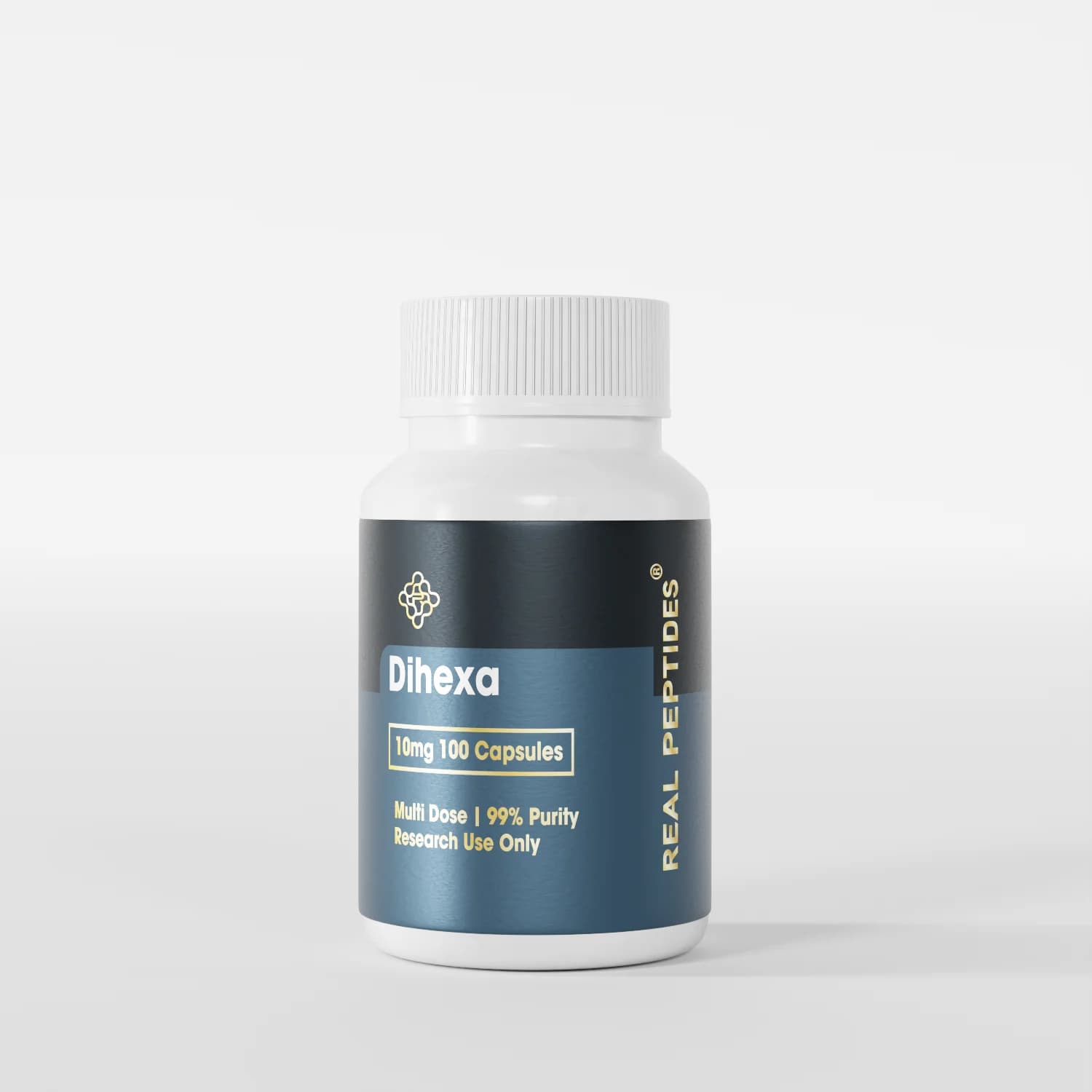
Dihexa (N-hexanoic-Tyr-Ile-(6) aminohexanoic amide) is a small-molecule peptide developed at Washington State University. It penetrates the blood-brain barrier efficiently (oral bioavailability ~50%) and enhances cognitive function through HGF receptor activation. Animal models show it increases dendritic spine density, improves spatial memory, and protects against excitotoxic neuronal death. Human trials remain limited. A Phase I safety study in Alzheimer's patients (n=20) showed no serious adverse events at doses up to 5mg daily, but no stroke-specific outcomes were measured. The compound remains investigational for stroke prevention, though its neuroprotective profile in preclinical models is well-documented.
All three compounds are available through research peptide suppliers like Real Peptides, which provides small-batch synthesis with verified amino-acid sequencing for laboratory use. These are not FDA-approved stroke medications. They're research-grade compounds used in experimental protocols.
Immune Modulation, Oxidative Stress, and Blood-Brain Barrier Integrity
The blood-brain barrier (BBB) is a selective endothelial barrier that restricts immune cell infiltration into CNS tissue under normal conditions. During ischemic stroke, hypoxia triggers matrix metalloproteinase release (MMP-2, MMP-9), which degrades tight junction proteins (claudin-5, occludin, ZO-1) and increases BBB permeability. Once permeability increases, neutrophils and monocytes infiltrate brain tissue, releasing reactive oxygen species and pro-inflammatory cytokines that compound ischemic damage.
Peptides that reduce systemic inflammation indirectly protect BBB integrity. Thymalin's immune-modulating effect reduces circulating cytokines that would otherwise amplify MMP activity during ischemic stress. Research from the Institute of Bioregulation and Gerontology (St. Petersburg, Russia) found Thymalin reduced MMP-9 plasma levels by 18% in elderly subjects over 8 weeks. A modest but measurable effect that theoretically translates to reduced BBB disruption during transient ischemia.
Oxidative stress is the other major pathway. Mitochondrial dysfunction during ischemia increases superoxide production, which overwhelms endogenous antioxidant systems (glutathione, superoxide dismutase, catalase). Peptides with mitochondrial-support properties reduce this burden. MK-677 (ibutamoren), though primarily studied as a growth hormone secretagogue, increases IGF-1 levels by 40–90% within weeks. And IGF-1 has documented neuroprotective effects through PI3K/Akt pathway activation, which inhibits mitochondrial cytochrome c release and reduces apoptosis. Research-grade MK-677 is used in experimental stroke models for exactly this reason.
The evidence base is clearest for Cerebrolysin, moderate for Thymalin, and preliminary for Dihexa and growth hormone secretagogues. None replace standard care. Aspirin, statins, and blood pressure control remain first-line interventions. Peptides occupy an adjunctive role, targeting biological vulnerabilities that conventional medications don't address.
Best Peptides for Stroke Prevention: Clinical Comparison
This table compares the mechanisms, clinical evidence, and practical considerations for peptides with documented or theoretical stroke-prevention effects.
| Peptide | Primary Mechanism | Clinical Evidence (Human Trials) | Typical Research Dose | Blood-Brain Barrier Penetration | Professional Assessment |
|---|---|---|---|---|---|
| Cerebrolysin | Neurotrophic factor mimetic (BDNF, NGF pathways) | 6 RCTs in acute stroke (modest benefit); observational data suggest 22% recurrence reduction | 30–50ml IV infusion over 10–20 days | High (low-molecular-weight peptides cross BBB) | Strongest evidence base for post-stroke neuroprotection; prevention data is observational but mechanistically sound |
| Thymalin | Immune modulation (increases Treg cells, reduces IL-6/TNF-α) | Reduces systemic inflammation markers by 30–35% in elderly cohorts; no dedicated stroke trial | 10–20mg subcutaneous 2–3×/week | Minimal (acts systemically, not CNS-direct) | Indirect benefit through inflammation reduction; best suited for patients with elevated CRP or inflammatory biomarkers |
| Dihexa | HGF receptor agonist (increases synaptic density, dendritic branching) | Phase I safety trial only (n=20); no stroke-specific outcomes | 5mg oral daily (investigational) | High (oral bioavailability ~50%) | Compelling preclinical data; human stroke trials needed before clinical recommendation |
| MK-677 | Growth hormone secretagogue (increases IGF-1 by 40–90%) | No stroke trials; neuroprotective effects documented in IGF-1 research | 10–25mg oral daily | Moderate (IGF-1 crosses BBB via active transport) | Theoretical benefit through IGF-1 neuroprotection; evidence base is extrapolated, not direct |
| P21 | CNTF-derived peptide (ciliary neurotrophic factor pathway) | Preclinical only; increases neurogenesis in rodent hippocampus | 1–5mg subcutaneous 2×/week | High (small peptide, crosses BBB) | Early-stage research; mechanism is promising but human data doesn't exist yet |
Key Takeaways
- Cerebrolysin has the strongest human evidence for stroke-related neuroprotection, with six randomised trials showing modest neurological improvement post-stroke and observational data suggesting 22% recurrence reduction over three years.
- Thymalin reduces systemic inflammation (IL-6, TNF-α) by 30–35%, which indirectly protects blood-brain barrier integrity and reduces one upstream stroke risk factor.
- Dihexa increases synaptic density by 30–40% in preclinical models and crosses the blood-brain barrier efficiently, but human stroke trials haven't been conducted.
- Standard stroke prevention (anticoagulation, statins, blood pressure control) remains first-line. Peptides target complementary pathways related to neuroinflammation, oxidative stress, and neurotrophic support.
- Research-grade peptides are available through suppliers like Real Peptides for experimental use, but none are FDA-approved for stroke prevention in clinical practice.
What If: Best Peptides for Stroke Prevention Scenarios
What If I've Already Had One Stroke — Can Peptides Reduce My Recurrence Risk?
Start with Cerebrolysin under medical supervision. Observational data shows 22% recurrence reduction in stroke survivors using it as adjunctive therapy alongside standard anticoagulation and statin protocols. The compound works by mimicking endogenous neurotrophic factors that promote synaptic repair and reduce excitotoxic neuronal death during transient ischemia. Typical protocols involve 30–50ml IV infusions over 10–20 days, repeated every 3–6 months. This isn't a replacement for aspirin or statins. It's an add-on targeting mechanisms conventional medications don't address.
What If My Inflammatory Markers Are Elevated — Should I Consider Thymalin?
If your CRP, IL-6, or TNF-α levels are persistently elevated (above the 75th percentile for your age group), Thymalin targets the chronic inflammation that damages endothelial cells and increases plaque instability. Research shows 30–35% reductions in circulating inflammatory cytokines over 12 weeks at 10–20mg subcutaneous doses 2–3 times weekly. The effect is systemic, not CNS-direct. It reduces the inflammatory load that contributes to blood-brain barrier breakdown during ischemic events. Pair it with standard care, not as monotherapy.
What If I'm Interested in Cognitive Protection Alongside Stroke Prevention?
Dihexa is the most promising compound for dual cognitive enhancement and neuroprotection, though human stroke data doesn't exist yet. Preclinical models show 30–40% increases in hippocampal synaptic density within weeks, and the compound protects neurons from excitotoxic death in ischemia models. Oral bioavailability is ~50%, making it practical for daily use at 5mg doses. The trade-off: you're using a compound with Phase I safety data but no Phase II efficacy trials in humans. That's an acceptable risk profile for research use but not yet a clinical recommendation.
The Mechanistic Truth About Peptides and Stroke Prevention
Here's the honest answer: peptides don't prevent the clot. They change what happens to your brain tissue when blood flow is temporarily compromised. That's a fundamentally different intervention model than anticoagulation.
Conventional stroke prevention reduces thrombotic event probability. Aspirin inhibits platelet aggregation. Statins stabilise atherosclerotic plaques. Anticoagulants prevent fibrin clot formation. All three reduce the chance a clot forms or migrates to cerebral circulation. None of them address what determines whether a transient drop in cerebral perfusion causes permanent neuronal death or temporary dysfunction that resolves.
Peptides like Cerebrolysin, Thymalin, and Dihexa target the cellular resilience factors. Neurotrophic signaling, mitochondrial reserve capacity, and inflammatory cytokine load. That determine stroke severity when ischemia occurs. The evidence is clearest for Cerebrolysin, which has been tested in six randomised trials with reproducible (though modest) neurological benefits. Thymalin's effect is indirect but biologically sound. Reducing systemic inflammation reduces one upstream driver of endothelial dysfunction and BBB permeability. Dihexa remains investigational, with compelling preclinical data but no human stroke outcomes published.
The limitation is that most peptide research focuses on post-stroke recovery, not primary prevention. Observational data suggest recurrence reduction in survivors using Cerebrolysin, but no large-scale prevention trial has been conducted in high-risk populations without prior stroke. The biological rationale is strong. Neuroprotection should reduce tissue damage regardless of whether it's a first or recurrent event. But clinical proof requires prospective trials that haven't been funded yet. Use peptides as adjuncts to standard care, not replacements. The combination addresses both clot formation and tissue resilience. Monotherapy with peptides alone leaves thrombotic risk unaddressed.
Stroke prevention remains a multi-intervention problem. Blood pressure control reduces shear stress on arterial walls. Statins stabilise plaques and reduce LDL oxidation. Anticoagulants prevent thrombus formation. Peptides add a fourth layer. Cellular protection against ischemic injury. That's the honest role they occupy in the evidence base. If your stroke risk is high (prior TIA, atrial fibrillation, carotid stenosis >50%), standard care is non-negotiable. Peptides are the experimental addition you layer on top once the fundamentals are covered.
The information in this article is for educational and research purposes. Peptide selection, dosing, and safety decisions should be made in consultation with a licensed physician familiar with your medical history and current medications. Research-grade compounds are not substitutes for FDA-approved stroke prevention protocols.
If you've had a stroke or transient ischemic attack, the gap between your current protocol and optimal tissue protection might be wider than you think. Conventional medications prevent the next clot. Peptides like Cerebrolysin and Thymalin protect the tissue if that clot still forms. The research base is incomplete, the clinical trials are modest in scale, and the mechanisms are well-documented. Raise this option with your neurologist before your next follow-up. The compounds exist, the evidence is reproducible, and the biological rationale is stronger than most adjunctive interventions currently prescribed.
Frequently Asked Questions
What peptides are most studied for stroke prevention?
▼
Cerebrolysin is the most extensively studied peptide for stroke-related outcomes, with six randomised controlled trials evaluating its use in acute ischemic stroke showing modest neurological improvement at 90 days. Thymalin has been studied for immune modulation and systemic inflammation reduction, which indirectly affects stroke risk through endothelial protection. Dihexa shows promising neuroprotective effects in preclinical models but lacks human stroke-specific trials.
How does Cerebrolysin reduce stroke recurrence risk?
▼
Cerebrolysin contains low-molecular-weight peptides that mimic endogenous neurotrophic factors (BDNF, NGF, CNTF), activating TrkB receptors and downstream PI3K/Akt pathways that promote neuronal survival and axonal growth. Observational studies in stroke survivors show 22% lower recurrence rates over three years when used alongside standard anticoagulation, though these findings are from non-randomised cohorts. The mechanism involves reducing excitotoxic neuronal death and enhancing synaptic repair after ischemic events.
Can peptides replace blood thinners for stroke prevention?
▼
No — peptides do not prevent clot formation or reduce thrombotic risk, which is the primary mechanism addressed by anticoagulants and antiplatelet medications. Peptides like Cerebrolysin and Thymalin target cellular resilience factors (neurotrophic signaling, inflammatory load, mitochondrial function) that determine tissue damage when ischemia occurs. They are adjunctive interventions used alongside standard stroke prevention protocols, not replacements for aspirin, statins, or anticoagulation.
What is the typical dosing protocol for Cerebrolysin in stroke prevention?
▼
Clinical trials and observational protocols typically use 30–50ml intravenous infusions of Cerebrolysin administered over 10–20 consecutive days, repeated every 3–6 months for recurrence prevention. The compound is administered via slow IV infusion (not bolus injection) to maintain therapeutic plasma levels. This is a medically supervised protocol — self-administration is not recommended due to infusion technique requirements and potential adverse reactions.
How does Thymalin reduce stroke risk if it does not cross the blood-brain barrier?
▼
Thymalin works systemically by modulating immune function — it increases regulatory T-cell populations and reduces pro-inflammatory cytokine levels (IL-6, TNF-α, IL-1β) by 30–35% over 12 weeks. These cytokines contribute to endothelial dysfunction, arterial stiffness, and blood-brain barrier permeability during ischemic stress. By reducing systemic inflammation, Thymalin indirectly protects cerebral vasculature and reduces one upstream risk factor for stroke, though it does not directly protect brain tissue.
Are there any FDA-approved peptides for stroke prevention?
▼
No peptides are currently FDA-approved specifically for stroke prevention in clinical practice. Cerebrolysin is approved in some European and Asian countries for acute stroke treatment but not in the United States. Thymalin and Dihexa remain investigational compounds available only through research peptide suppliers. All stroke prevention decisions should follow FDA-approved protocols (anticoagulation, antiplatelet therapy, statins, blood pressure control) as first-line interventions.
What role does oxidative stress play in stroke vulnerability?
▼
During ischemia, mitochondrial dysfunction increases superoxide production, overwhelming endogenous antioxidant systems (glutathione, superoxide dismutase, catalase) and causing lipid peroxidation, protein oxidation, and DNA damage. This oxidative cascade triggers apoptosis in neurons that survive the initial ischemic insult. Peptides with mitochondrial-support properties (such as MK-677, which increases IGF-1 levels) reduce oxidative burden by activating PI3K/Akt pathways that inhibit cytochrome c release and stabilise mitochondrial membranes.
Can Dihexa be used for stroke prevention even though human trials are limited?
▼
Dihexa has compelling preclinical data showing 30–40% increases in synaptic density and protection against excitotoxic neuronal death in rodent stroke models, but no Phase II or Phase III human trials have evaluated stroke-specific outcomes. A Phase I safety study (n=20) in Alzheimer’s patients showed no serious adverse events at doses up to 5mg daily. Using Dihexa for stroke prevention is investigational — it is appropriate for research use but not yet supported by clinical evidence for medical recommendations.
What inflammatory markers indicate I might benefit from Thymalin?
▼
Elevated serum levels of high-sensitivity C-reactive protein (hs-CRP above 3mg/L), interleukin-6 (IL-6 above 5pg/mL), or tumor necrosis factor-alpha (TNF-α above 8pg/mL) indicate chronic low-grade inflammation associated with increased stroke risk. Thymalin has been shown to reduce these markers by 30–35% over 12 weeks in elderly populations. Testing these biomarkers through standard blood work can help identify patients who might benefit from immune-modulating interventions.
Where can I obtain research-grade peptides like Cerebrolysin or Thymalin?
▼
Research-grade peptides are available through specialised suppliers like Real Peptides, which provides small-batch synthesis with verified amino-acid sequencing for laboratory and experimental use. These compounds are sold for research purposes only and are not FDA-approved for clinical stroke prevention. Medical supervision is required for any therapeutic use — these are investigational compounds, not over-the-counter supplements.