



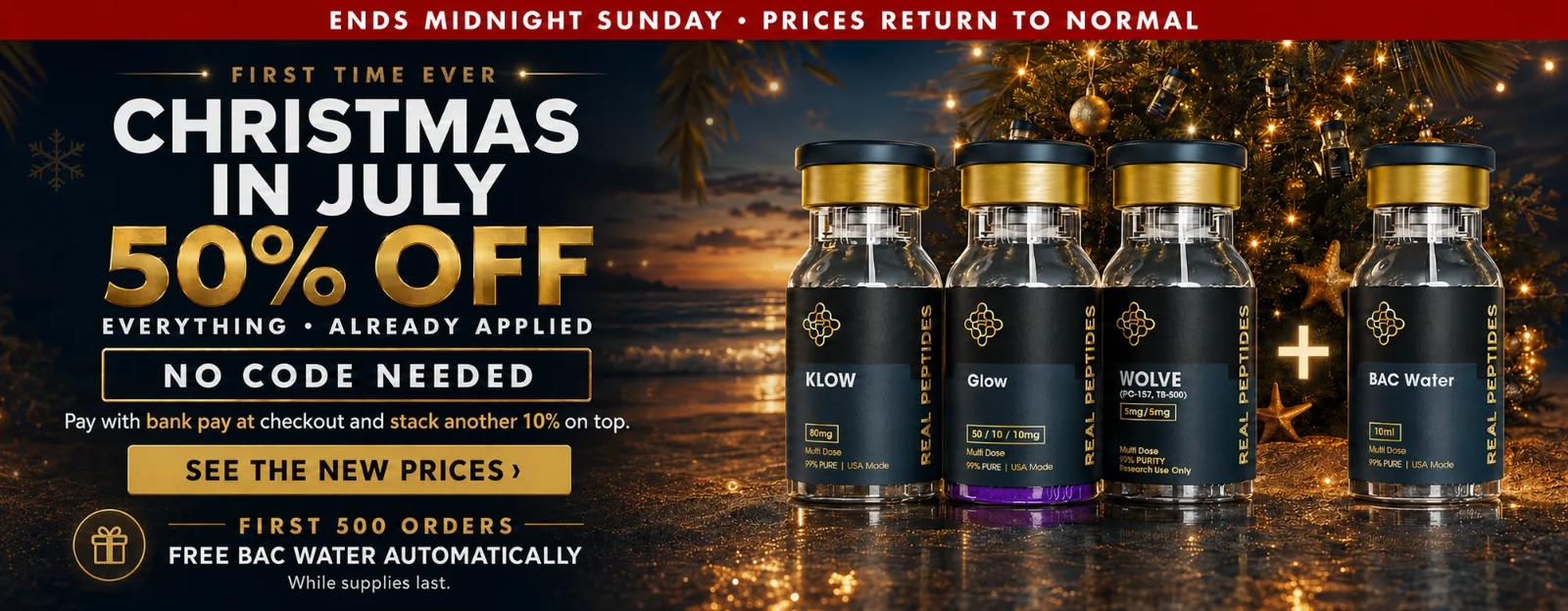


You’re asking, “where can I get BPC 157?” It’s a simple question with a sprawling, complicated answer. And—let’s be honest—the stakes are incredibly high. For serious researchers, the integrity of your work, the validity of your data, and the success of your entire project hinge on the quality of the compounds you use. Sourcing peptides isn't like buying a commodity; it's a critical decision that can lead to breakthrough results or catastrophic, time-wasting failure.
Our team has seen the landscape shift dramatically over the years. The peptide market is flooded with options, from shadowy overseas operations to slick-looking websites with zero scientific backing. It’s becoming increasingly challenging to sift through the noise and find a source you can genuinely trust. This isn't just about getting a vial with a label on it. It’s about ensuring what’s inside that vial is exactly what it claims to be—nothing more, nothing less. That’s the entire game.
The Non-Negotiable: Why Purity Is Everything
Before we even touch on the where, we have to talk about the what. What are you actually looking for when you set out to buy BPC 157? You're looking for a specific, stable pentadecapeptide with a precise amino acid sequence. You are not looking for a cocktail of fillers, residual solvents from a sloppy synthesis process, or—worst of all—a completely different compound.
We can't stress this enough: purity is the bedrock of reliable research. A peptide that’s 99%+ pure behaves predictably. It allows for reproducible results. It ensures that the effects you observe in your lab setting are attributable to the molecule itself, not some unknown contaminant. Anything less introduces variables that make your data unreliable. It’s a research-killer.
Our experience has shown us that many suppliers cut corners right where it matters most—in the synthesis and purification stages. They might use cheaper raw materials or rush the High-Performance Liquid Chromatography (HPLC) process, which is used to separate the target peptide from impurities. The result? A product that might look the part but fails under scientific scrutiny. It’s a formidable challenge for researchers who just want to do good work. They're forced to become forensic sourcing experts just to get the basic materials they need. We don't think that's right.
Navigating the Wild West: Types of Peptide Suppliers
When you start your search for where to get BPC 157, you'll generally encounter three categories of vendors. Understanding the differences between them is the first step toward making an informed decision. Honestly, though, the lines can get blurry, which is why due diligence is so important.
-
U.S.-Based Research Companies: These are typically firms like us, Real Peptides, that operate within the United States, adhere to domestic quality control standards, and focus exclusively on providing high-purity compounds for laboratory research. We're talking about companies with a transparent process, verifiable third-party testing, and a deep understanding of the scientific community's needs. Accountability is a huge factor here. If there's an issue, you have clear recourse with a domestic company.
-
Overseas Wholesalers & Manufacturers: A significant portion of the raw peptide powders originate from large-scale manufacturing labs in other countries. While some of these facilities are excellent, many operate with little to no regulatory oversight. Buying directly from them can be a massive gamble. You might get a fantastic price, but you're often sacrificing any real guarantee of purity, consistency, or even that the product is what it's labeled as. We've seen lab reports (COAs) from these sources that were clearly fabricated.
-
Third-Party Resellers (The Grey Market): This is the most dangerous category. These are often websites with flashy marketing that buy cheap, untested powders from overseas wholesalers and rebottle them. They have no lab, no chemists, and no quality control. They are purely marketing operations. Their primary goal is volume, not scientific integrity. These are the sources responsible for the horror stories you hear about bunk or contaminated products. They are a catastrophic risk to any serious research endeavor.
Here's a breakdown our team put together to help visualize the differences:
| Supplier Type | Purity & Quality Control | Transparency & Testing | Accountability | Price Point |
|---|---|---|---|---|
| U.S.-Based Research Co. | Highest priority; often involves small-batch synthesis and rigorous purification. | Publishes recent, verifiable 3rd-party lab reports (COAs) for each batch. | High. Domestic companies are subject to U.S. regulations and consumer protection laws. | Higher |
| Overseas Wholesaler | Highly variable. Can range from excellent to non-existent. No consistency guarantee. | Often provides a generic or outdated COA. Difficult to verify independently. | Very Low. Recourse for bad products is nearly impossible across borders. | Low to Moderate |
| Grey Market Reseller | Effectively unknown. Relies entirely on their supplier's claims, which may be false. | May show a COA from their supplier, but it doesn't verify their own handling or purity. | Extremely Low. Many are transient operations that can disappear overnight. | Low |
Looking at this, the choice becomes clearer. The cost savings from a cheaper source are immediately erased by the risk of ruined experiments, wasted time, and trashed funding. It's just not worth it.
Red Flags: What to Watch Out For When Sourcing BPC 157
So, you’re ready to vet a potential supplier. Good. This is the most critical part of the process. Our team has compiled a list of the biggest red flags we see in the industry. If you spot any of these, we recommend proceeding with extreme caution or—more likely—running in the other direction.
-
Vague or Missing Lab Reports: This is the number one sign of a questionable source. A reputable company will provide a recent, batch-specific Certificate of Analysis (COA) from a third-party lab for every single product they sell. If they can't provide one, or the one they show is old, blurry, or looks tampered with, it's a huge problem. It means they either don't test their products or they did and didn't like the results.
-
Over-the-Top Marketing & Health Claims: Peptides like BPC 157 are sold for in-vitro research and laboratory purposes only. They are not supplements. Any company making explicit health claims, using bodybuilder imagery, or marketing their products for human consumption is violating regulations and demonstrating a profound lack of professionalism. They are not a scientific company; they're a marketing company playing in a very dangerous space.
-
Unbelievably Low Prices: While everyone wants a good deal, price is often a direct indicator of quality in the peptide world. The multi-step process of synthesis, purification (especially through HPLC), and third-party testing is expensive. If a price seems too good to be true, it absolutely is. It almost certainly means corners were cut, likely in the purification and verification stages. You're probably paying for a vial of cheap, impure powder.
-
Lack of Contact Information or U.S. Address: A legitimate business isn't afraid to tell you who they are and where they're located. If a website has no physical address, no phone number, and only a generic email contact form, you should be suspicious. It suggests a transient operation that isn't invested in long-term customer support or accountability.
-
Payment Methods: This is a subtle but important one. If the only payment options are things like cryptocurrency, Zelle, or other non-traditional, irreversible methods, it's a major red flag. It often means that traditional payment processors have shut them down due to high rates of customer complaints and chargebacks. Reputable U.S. companies will have standard credit card processing.
These aren't just minor details. They are powerful indicators of a company's entire operational philosophy. A company that is transparent, professional, and scientifically grounded—like we strive to be at Real Peptides—will make it easy for you to verify their quality. They'll want you to see their lab reports. They'll have a clear focus on research applications.
The Advantage of U.S.-Based Purity
Let's dig a little deeper into why choosing a U.S.-based supplier matters so much when you're trying to figure out where to get BPC 157. It’s not about patriotism; it’s about pragmatism and risk mitigation for your research.
First, there's the quality control standard. At Real Peptides, our entire process is built around precision. We utilize a small-batch synthesis approach. Why? Because it gives us meticulous control over every step. Instead of mass-producing giant lots where quality can drift, we create smaller, more manageable batches where we can ensure exact amino-acid sequencing and folding. This method—while more labor-intensive—results in a final product of impeccable purity and consistency. It’s a difference you can measure in the lab.
Second is the assurance of third-party verification. It's one thing for a company to say their product is pure. It's another thing entirely for an independent, accredited U.S. laboratory to confirm it. We send samples from every single batch we produce to a third-party lab for analysis. They run it through HPLC and Mass Spectrometry to verify its identity, purity, and concentration. The resulting COA isn't our document; it's their objective finding. We then make this document available to you, the researcher. That's what real transparency looks like.
Then there’s logistics. Simple, right? Not really. When you order from an overseas supplier, your package has to navigate the complexities of international shipping and customs. We’ve heard countless stories of packages being seized, lost, or delayed for weeks on end, completely derailing research timelines. Furthermore, temperature fluctuations during long-haul transit can degrade the stability of the peptide before it even reaches your lab. Ordering from a U.S. supplier like us eliminates these variables. You get fast, reliable shipping in a controlled manner, ensuring the product arrives intact and stable.
And what about support? What happens if you have a question about reconstitution, storage, or interpreting a lab report? A domestic, science-focused company has a knowledgeable team ready to assist. You're not just buying a product; you're gaining a partner who is invested in your research success. You can pick up the phone or send an email and get a coherent answer from someone who understands the science. That is invaluable.
How to Actually Read a Lab Report (COA)
Okay, so we've established that a third-party COA is critical. But what should you actually look for when you review one? It can be an intimidating document if you're not used to it.
Here’s what our team recommends focusing on:
-
The Header Information: Check the basics first. Does the lab's name and contact information appear on the report? Is there a batch or lot number that matches the product you're buying? Is the date of the analysis recent? An old COA is useless, as it doesn't apply to the current batch of product being sold.
-
The Purity Result (HPLC): This is the main event. Look for the section detailing the High-Performance Liquid Chromatography (HPLC) analysis. This is the test that determines purity. You should see a percentage value, and for any research-grade peptide, you should be looking for a result of >99%. The report might also include a chromatogram, which is a graph with a large peak (the target peptide) and potentially some very small peaks (impurities). The bigger and cleaner that main peak is, the better.
-
The Identity Result (Mass Spectrometry): How do you know the peak on the HPLC is actually BPC 157? That's where Mass Spectrometry (MS) comes in. This analysis confirms the molecular weight of the compound. The COA should show a measured molecular weight that matches the known molecular weight of BPC 157 (which is approximately 1419.5 g/mol). If these numbers match, it confirms the substance's identity.
For those who want a more in-depth look at this process, we often point people to some of the excellent educational content on channels like the one associated with us, Morelli Fit on YouTube, where complex scientific topics are broken down visually. Seeing how these machines work can really demystify the data. It's one thing to read a number, and another to understand the rigorous process behind it.
If a supplier makes it difficult to find or understand their COAs, they are not a good supplier. Period. We believe in making this information front and center, so you can Get Started Today with confidence, knowing exactly what you're working with.
It’s About More Than Just the Purchase
Finding a reliable source for BPC 157 is the first step. But the responsibility for maintaining its integrity then shifts to you, the researcher. Proper storage and handling are just as important as initial purity.
Peptides are delicate molecules. They are susceptible to degradation from heat, light, and air exposure. That’s why BPC 157 is lyophilized (freeze-dried) into a stable powder. Here are the key principles for handling it correctly:
- Storage Before Reconstitution: The lyophilized powder should be stored in a freezer. This preserves its stability for the long term.
- Reconstitution: When you are ready to use it for your research, you will reconstitute it, typically with bacteriostatic water. This process should be done carefully in a sterile environment to avoid contamination.
- Storage After Reconstitution: Once in liquid form, the peptide is much less stable. It must be kept refrigerated at all times and should generally be used within a few weeks. Never leave a reconstituted peptide at room temperature for an extended period.
A good supplier will often provide basic handling guidelines, but it's crucial for every research team to have strict protocols in place. The best peptide in the world is useless if it's been degraded by improper storage. Your work deserves better.
So, when you ask, “where can I get BPC 157,” the answer isn't just a website address. It's a process. It's about finding a partner who demonstrates an unwavering commitment to quality, transparency, and scientific rigor. It's about looking for verifiable proof of purity and prioritizing the integrity of your research above all else. It’s about understanding that the small details—small-batch synthesis, third-party testing, domestic accountability—are what make the difference between a successful experiment and a frustrating dead end.
We built Real Peptides on these principles because we are scientists ourselves. We understand what’s at stake. We encourage you to be demanding, to ask the tough questions, and to never settle for anything less than the highest possible standard. Your research is too important for compromises. If you have more questions or want to discuss your specific research needs, our team is here to help. You can also connect with us on our Facebook page to join a community of fellow researchers and stay updated on the latest in peptide science.
Frequently Asked Questions
What is the most important factor when choosing a BPC 157 supplier?
▼
Without a doubt, the most critical factor is verifiable, batch-specific, third-party testing. A recent Certificate of Analysis (COA) showing >99% purity from an independent lab is non-negotiable for ensuring the quality and integrity of your research.
Why is buying from a U.S.-based company for BPC 157 often recommended?
▼
Sourcing from a U.S.-based company like Real Peptides provides greater accountability, adherence to higher quality control standards, and verifiable third-party testing. It also eliminates the risks of international shipping and customs seizures, ensuring your product arrives safely and quickly.
What does ‘lyophilized’ mean and why is it important for BPC 157?
▼
Lyophilized means the peptide has been freeze-dried into a stable powder. This process removes water without damaging the delicate peptide structure, making it much more stable for shipping and long-term storage than a liquid form.
How can I tell if a BPC 157 lab report (COA) is legitimate?
▼
A legitimate COA will be recent, match the product’s batch number, and come from a verifiable third-party lab. Look for both HPLC data confirming >99% purity and Mass Spectrometry data confirming the correct molecular weight.
Is it safe to buy BPC 157 from a site that makes health claims?
▼
No. BPC 157 is intended for laboratory and research use only. Any company marketing it with health claims or as a supplement is violating regulations and should not be considered a trustworthy source for scientific compounds.
What is HPLC and why does it matter for peptides?
▼
HPLC stands for High-Performance Liquid Chromatography. It’s a powerful analytical technique used to separate, identify, and quantify each component in a mixture. For peptides, it’s the gold standard for determining the purity level of the final product.
How should I store BPC 157 once I receive it?
▼
Before reconstitution, the lyophilized powder should be stored in a freezer. After reconstituting it with bacteriostatic water, it must be kept refrigerated and is best used within a few weeks to ensure stability.
What is the difference between a research company and a reseller?
▼
A research company, like us, is involved in the science and quality control, often using methods like small-batch synthesis. A reseller simply buys bulk powder from an unknown source and rebottles it, offering no real quality assurance.
Can I trust a supplier that only accepts cryptocurrency as payment?
▼
We would advise extreme caution. While not always a sign of a bad actor, a lack of standard payment options like credit cards can indicate that the company has been banned by traditional processors due to high complaint rates or questionable business practices.
What does ‘small-batch synthesis’ mean for peptide quality?
▼
Small-batch synthesis allows for much tighter quality control throughout the production process. Our team finds it ensures greater consistency and higher purity in the final peptide compared to large-scale, mass-production methods where quality can vary.
Why are some BPC 157 products so much cheaper than others?
▼
A significantly lower price almost always indicates a compromise in quality. These savings typically come from skipping crucial purification steps or forgoing expensive third-party verification, resulting in an impure or contaminated product.
Is BPC 157 sold for human use?
▼
No. All legitimate suppliers, including Real Peptides, sell BPC 157 strictly for in-vitro research and laboratory applications. It is not approved for human consumption and should not be used for that purpose.











