



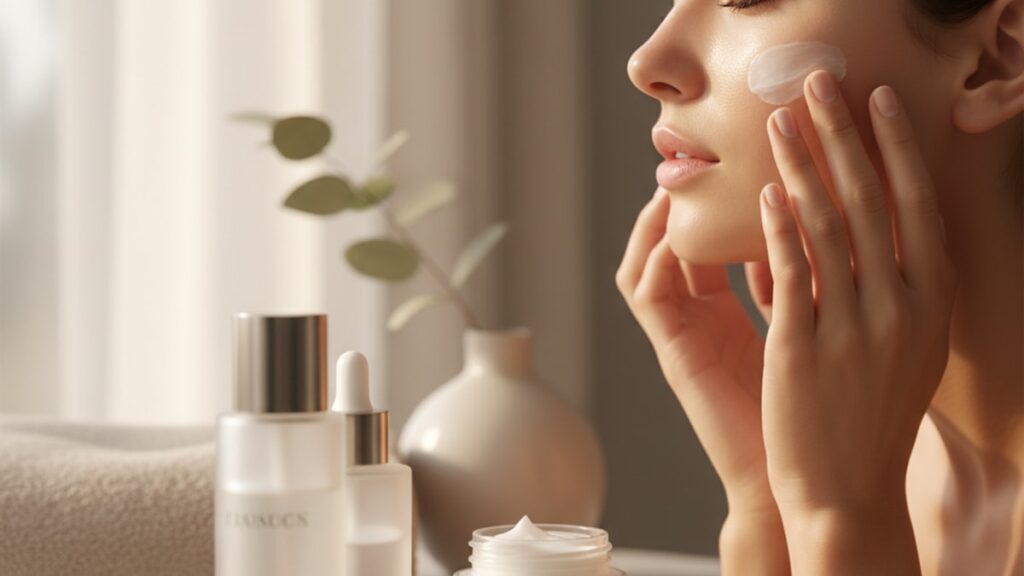
Let's talk about the glow. That elusive, lit-from-within look that signifies health and vitality. For years, the conversation has revolved around serums, creams, and cleansers. But recently, the focus has shifted inward, exploring the very molecules that protect our cells from the inside out. And at the center of that conversation, you'll almost always find one formidable compound: glutathione.
It’s a name that’s gaining some serious traction, and for good reason. But with buzz comes confusion. What does glutathione actually do for the skin? Is it just about skin lightening, or is there a deeper, more fundamental story? As a team dedicated to providing the highest-purity compounds for biological research, we've spent countless hours examining the molecular underpinnings of cellular health. Our experience shows that understanding glutathione isn't just about skincare; it's about understanding one of the most critical, non-negotiable elements of your body's entire defense system.
What Exactly Is Glutathione? The Body's Master Antioxidant
Before we can get into its effects on the skin, we need to be clear on what we're dealing with. Glutathione isn't some exotic botanical extract. It’s a tripeptide, a small protein composed of three amino acids: cysteine, glycine, and glutamic acid. And here's the most important part: your body produces it naturally. In fact, it's present in virtually every single one of your cells.
Why? Because its job is that important.
We often call it the “master antioxidant.” That’s not just marketing fluff. It's a title it has rightfully earned because of its unique ability to not only neutralize damaging free radicals on its own but also to recycle and regenerate other antioxidants, like vitamins C and E. Think of it as the manager of your body's entire antioxidant workforce, making sure everyone is refreshed and ready to get back on the job.
Its function revolves around a delicate balancing act between two forms: the active, reduced form (GSH) and the inactive, oxidized form (GSSG). A healthy cell maintains a high ratio of GSH to GSSG. When that ratio dips, it’s a clear signal that the cell is under significant oxidative stress—a state that’s catastrophic for long-term health and, as we’ll see, for your skin's appearance.
The Core of the Question: What Does Glutathione Do for Skin?
Alright, let's connect the dots. How does this intracellular bodyguard translate to a healthier, more radiant complexion? The answer isn't a single magic bullet; it's a multi-pronged attack on the very factors that cause skin to age, look dull, and develop imperfections. Our team has found that its influence can be broken down into three primary mechanisms.
1. It’s an Unflinching Defense Against Oxidative Stress
Every single day, your skin is on the front lines. It's relentlessly assaulted by UV radiation from the sun, environmental pollution, and even internal stressors from a poor diet or lack of sleep. Each of these aggressors generates an army of unstable molecules called free radicals. These are the villains of our story. Free radicals are like tiny, frantic pinballs bouncing around inside your cells, damaging everything they touch—DNA, cellular membranes, and, crucially for skin, your collagen and elastin fibers.
This relentless damage is called oxidative stress, and it's the primary driver of what we call photoaging. It's the reason for fine lines, deep wrinkles, sagging, and a rough skin texture. It’s a slow-motion breakdown of your skin's foundational structure.
This is where glutathione steps in. As GSH, it roams the cell and actively donates an electron to these volatile free radicals, instantly neutralizing them and stopping their destructive rampage in its tracks. It essentially takes the hit so your precious collagen doesn't have to. By mitigating this constant, low-grade damage, glutathione helps preserve the skin's structural integrity, maintaining its firmness, elasticity, and youthful smoothness. We can't stress this enough: a robust antioxidant defense is the bedrock of any serious approach to skin longevity.
2. It’s a Powerhouse for Detoxification
Your skin is your body's largest organ, and it often acts as a mirror for what's happening internally. If your internal detoxification systems are overwhelmed, it can show up on your face as dullness, blemishes, and inflammatory conditions. The liver is the main hub for this process, and glutathione is one of its most critical employees.
The liver’s detox process happens in two phases. In Phase II, glutathione conjugation is a key pathway. Glutathione binds directly to a sprawling range of toxins—from environmental pollutants and heavy metals to pharmaceutical byproducts—making them water-soluble. This transformation is vital. It allows the body to safely excrete these harmful substances through urine or bile.
When glutathione levels are low, this entire process becomes sluggish and inefficient. Toxins can build up, leading to systemic inflammation that can easily manifest in the skin. A well-functioning detoxification system, supported by adequate glutathione, means a lower toxic burden on your entire body. The result? A clearer, less reactive, and more vibrant complexion. It's a classic example of how internal wellness translates directly to external radiance.
3. It Influences Pigmentation for a Brighter, More Even Tone
This is the effect that gets the most attention, and the science behind it is fascinating. Skin color is determined by a pigment called melanin, which is produced by specialized cells called melanocytes. There are two main types of melanin: eumelanin, which is brownish-black, and pheomelanin, which is reddish-yellow.
The key to melanin production is an enzyme called tyrosinase. More tyrosinase activity means more melanin production. This is what causes tanning, but it's also what leads to hyperpigmentation—those stubborn dark spots, sun spots, and patches of melasma that create an uneven skin tone.
Research has explored glutathione's potential to influence this pathway in several ways. First, it's believed to inhibit the activity of the tyrosinase enzyme, effectively slowing down the melanin production line. Second, and perhaps more profoundly, studies suggest it may be able to shift the melanogenesis pathway away from producing the darker eumelanin and toward producing the lighter pheomelanin. This dual-action mechanism is why glutathione is so heavily investigated for its ability to reduce the appearance of hyperpigmentation and promote an overall brighter, more luminous complexion. It’s not about changing your natural skin color; it's about correcting and preventing the spots of excess pigmentation that mar its clarity.
Factors That Deplete Your Natural Glutathione Levels
If our bodies make glutathione, why is there so much focus on supporting its levels? The answer is simple: modern life is a formidable drain on our natural reserves. It's becoming increasingly challenging to maintain optimal levels when faced with a daily onslaught of depleting factors.
Here's what we're up against:
- Aging: It’s an unfortunate biological reality. Our natural production of glutathione begins to decline as we move past our twenties, leaving our cells more vulnerable over time.
- Poor Nutrition: The three amino acid building blocks of glutathione must come from our diet. A diet lacking in high-quality protein and sulfur-rich foods (like cruciferous vegetables and alliums) can hamstring your body's ability to synthesize it.
- Chronic Stress: We mean this sincerely: relentless mental and emotional stress is catastrophic for your glutathione stores. The stress hormone cortisol has been shown to deplete glutathione levels, creating a vicious cycle where stress lowers your defenses, making you more susceptible to further stress.
- Environmental Toxins: From pesticides in food to pollutants in the air we breathe and chemicals in our water, our bodies are constantly working to detoxify. This places a massive, continuous demand on our glutathione supply.
- Lack of Sleep: Sleep is when your body does its most important repair work. Chronic sleep deprivation disrupts these restorative processes and has been directly linked to reduced glutathione levels.
- Excessive Alcohol Consumption: The liver bears the brunt of processing alcohol, a task that consumes a significant amount of glutathione.
Honestly, though. Looking at that list, it’s easy to see why supporting our body's master antioxidant has become such a critical area of health research.
Exploring Glutathione in Research: Forms and Applications
Given its importance and the factors that deplete it, researchers are constantly investigating the most effective ways to support and replenish glutathione levels. This is where the conversation turns to different forms and delivery methods, each with its own profile of benefits and challenges. This is a nuanced area, and for any laboratory work, understanding these differences is paramount.
Here at Real Peptides, our focus is on providing exceptionally pure compounds for this kind of vital research. When scientists are studying the effects of a molecule like Glutathione, they need to be absolutely certain that their results aren't being skewed by impurities or inconsistencies. That's why our small-batch synthesis and rigorous quality control are so important.
Here’s a breakdown of the common forms used in studies:
| Form of Glutathione | Bioavailability | Common Research Applications | Key Considerations |
|---|---|---|---|
| Standard Oral (Capsule/Powder) | Generally Low | General antioxidant support studies, but often considered inefficient due to breakdown in the digestive tract. | The glutathione molecule can be broken down by stomach acid and enzymes before it can be fully absorbed. |
| Liposomal Oral | Significantly Higher | Studies focusing on increasing systemic glutathione levels via oral administration. Used to bypass digestive breakdown. | The glutathione is encapsulated in tiny lipid (fat) bubbles called liposomes, which protect it and facilitate absorption into the bloodstream. |
| Topical (Creams/Serums) | Localized | Dermatological research on direct effects like hyperpigmentation, skin brightening, and localized antioxidant protection. | Effectiveness depends heavily on the formulation's ability to penetrate the skin barrier. Often studied alongside other agents. |
| Injectable (IV/IM) | 100% | Clinical research requiring rapid and complete delivery into the bloodstream. Used for studying acute conditions or systemic effects. | This is the most direct route, bypassing digestion entirely. Reserved for controlled clinical and research settings. |
This approach (which we've refined over years) of understanding the specific application helps researchers select the right tool for the job. Some studies might even investigate synergistic effects, combining glutathione with other compounds in products like our research-focused Glow Stack to explore comprehensive mechanisms for skin health.
Beyond the Skin: Glutathione's Systemic Importance
While our focus here is on the skin, it would be a disservice to ignore glutathione's sprawling influence throughout the rest of the body. Its role in skin health is really just one manifestation of its fundamental importance to overall cellular function.
Think about it. It’s a key player in:
- Immune Function: Glutathione is crucial for the proper function and proliferation of lymphocytes, the white blood cells that form the vanguard of your immune response.
- Mitochondrial Health: It protects the mitochondria, your cellular power plants, from the immense oxidative stress generated during energy production.
- Neurological Health: The brain is incredibly metabolically active and produces a huge amount of free radicals, making it particularly dependent on glutathione for protection.
This is why we say that radiant skin is often an outward sign of robust internal health. You can’t separate the two. A system well-supported by its master antioxidant is a system that functions better on every level. For more visual deep dives into topics like cellular optimization and the science behind these powerful compounds, you can check out our YouTube channel, where complex topics are broken down into accessible videos.
The Real Peptides Commitment: Purity in Research
When a research team decides to investigate the properties of a peptide or compound, the single most important variable is the quality of their starting material. We've seen it happen: ambiguous or disappointing results that had nothing to do with the hypothesis and everything to do with a contaminated or improperly synthesized product. It’s a waste of time, resources, and brilliant scientific effort.
That's the reality. It all comes down to purity.
Our entire operation at Real Peptides is built around this principle. We're a U.S.-based company committed to small-batch synthesis, which gives us impeccable control over every step of the process. This isn't mass production; it's precision crafting. We ensure the exact amino-acid sequencing for every peptide, guaranteeing that what's on the label is exactly what's in the vial. This commitment to quality extends across our entire catalog, from foundational compounds like glutathione to more complex peptides you can see in our All Peptides collection.
For the scientific community, this isn't just a preference; it's a necessity. Reliable data can only come from reliable tools. When you're ready to ensure your research is built on an unwavering foundation of purity and precision, we're here to help. Get Started Today and experience the difference that uncompromising quality makes.
So, what does glutathione do for the skin? It acts as a protector, a detoxifier, and a brightener. But more than that, it's a barometer of your overall cellular health. By combating oxidative stress at its source, it helps preserve the very fabric of your skin, allowing it to function, repair, and regenerate as it was meant to. The glow it helps create isn't just superficial; it's a reflection of a body that is defended, cleansed, and resilient from the inside out.
Frequently Asked Questions
What is the main function of glutathione in the skin?
▼
Its primary role is as a master antioxidant, protecting skin cells from damage caused by free radicals from UV rays and pollution. This helps prevent premature aging, like wrinkles and loss of firmness, by preserving collagen and elastin.
Does glutathione actually lighten the skin?
▼
In research settings, glutathione is studied for its ability to promote a brighter, more even skin tone. It’s believed to inhibit the enzyme tyrosinase and shift melanin production towards the lighter pheomelanin, which can help reduce the appearance of dark spots and hyperpigmentation.
Can I increase my glutathione levels naturally?
▼
Yes, you can support your body’s natural production. Consuming sulfur-rich foods like broccoli and garlic, getting enough high-quality protein, managing stress, and ensuring adequate sleep are all effective strategies.
What’s the difference between reduced (GSH) and oxidized (GSSG) glutathione?
▼
Reduced glutathione (GSH) is the active, antioxidant form that neutralizes free radicals. After it does its job, it becomes oxidized (GSSG), the inactive form. A healthy cell maintains a high ratio of GSH to GSSG.
Why is purity so important for research-grade glutathione?
▼
For scientific studies, purity is non-negotiable. Impurities or incorrect concentrations in a compound can completely invalidate research data. At Real Peptides, we guarantee purity through small-batch synthesis to ensure researchers get reliable and reproducible results.
Does taking oral glutathione work?
▼
The bioavailability of standard oral glutathione can be low due to breakdown in the digestive system. Liposomal forms are often used in research as they encapsulate the glutathione, protecting it from digestion and enhancing its absorption into the bloodstream.
What lifestyle factors decrease glutathione?
▼
Chronic stress, poor diet, excessive alcohol consumption, exposure to environmental toxins, and lack of sleep are major factors that deplete your body’s glutathione stores. Natural production also declines with age.
Is topical glutathione effective for skin?
▼
Topical glutathione is studied for its potential to deliver antioxidant benefits directly to the skin and address localized issues like hyperpigmentation. Its effectiveness largely depends on the product’s formulation and its ability to penetrate the skin barrier.
How does glutathione help with detoxification?
▼
Glutathione is a key player in the liver’s Phase II detoxification pathway. It binds to toxins, heavy metals, and other harmful substances, making them water-soluble so your body can safely excrete them.
Can glutathione help with acne?
▼
Because acne often has an inflammatory component and can be exacerbated by oxidative stress, glutathione’s antioxidant and detoxifying properties are areas of interest. By reducing systemic inflammation and supporting detoxification, it may contribute to clearer skin.
Is glutathione a peptide?
▼
Yes, it is a tripeptide. This means it is a very small protein made up of a chain of three amino acids: cysteine, glycine, and glutamic acid.
Where does Real Peptides source its compounds?
▼
We are a U.S.-based company dedicated to providing the highest quality research compounds. All our peptides, including our [Glutathione](https://www.realpeptides.co/products/glutathione/), are produced through a meticulous small-batch synthesis process to guarantee purity and accuracy.
