




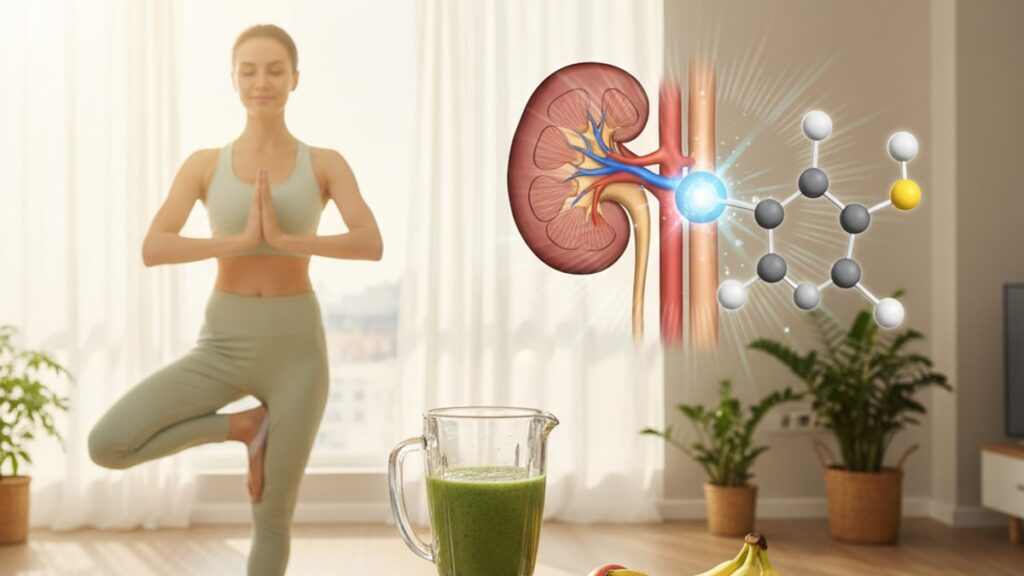
It’s one of the most common questions we see from researchers and health enthusiasts alike: does glutathione lower creatinine levels? The search for a direct link, a simple cause-and-effect relationship, is understandable. We all want clear answers and straightforward solutions, especially when it comes to critical health markers. But honestly, the biology here is far more elegant and complex than a simple on/off switch.
The relationship between glutathione and creatinine isn't about one substance directly canceling out the other. It’s about creating an environment where your body’s most critical systems can perform their jobs flawlessly. It’s a story of defense, protection, and resilience at the cellular level. Our team at Real Peptides has spent years working with high-purity compounds like glutathione, and our experience shows that understanding the why is just as important as knowing the what. So, let's dive deep into the science behind this crucial connection.
First, What Exactly Are We Talking About? Creatinine and Glutathione Explained
Before we can connect the dots, we need to understand the players involved. They're both household names in health circles, but their specific roles can sometimes get murky.
Let’s start with creatinine. It's not some foreign invader; it's a natural byproduct of your body just… living. Specifically, it’s a waste product generated from the breakdown of creatine phosphate in your muscles during energy production. Think of it as the exhaust from your muscular engine. Every day, your muscles churn out a relatively consistent amount of creatinine, which then enters your bloodstream. From there, it’s the kidneys' job to filter it out and excrete it through urine. Simple, right?
This is why creatinine levels in the blood are such a vital indicator of kidney function. If your kidneys are working efficiently, they're clearing creatinine from the blood like clockwork. But if they're damaged or impaired, they can't filter as effectively. The creatinine has nowhere to go, so its levels in the bloodstream begin to rise. A high creatinine level isn't the problem itself—it's a massive, flashing warning sign that the filtration system is struggling.
Now, let's turn to glutathione. We can't stress this enough: it's arguably the most important antioxidant your body produces. Often called the “master antioxidant,” it's a tripeptide—a small protein composed of three amino acids: cysteine, glycine, and glutamic acid. It’s present in virtually every cell in your body, where it plays a formidable role in protecting against cellular damage.
Its main job? To neutralize oxidative stress. Oxidative stress is caused by an imbalance between free radicals (unstable molecules that wreak havoc on cells) and the antioxidants that keep them in check. Glutathione is the front-line general in this relentless war, sacrificing itself to neutralize these damaging free radicals before they can harm vital cellular components like DNA, proteins, and cell membranes. It also helps recycle other antioxidants, like vitamins C and E, essentially recharging them so they can get back in the fight. Without sufficient glutathione, our cells would be overwhelmed by damage, leading to dysfunction and disease. It's a critical, non-negotiable element of cellular health.
The Core Question: Does Glutathione Directly Lower Creatinine?
So, here's the key point. Glutathione does not directly bind to or eliminate creatinine from the bloodstream. There is no known biochemical pathway where glutathione targets creatinine molecules for removal. Thinking it does is a common misconception.
The real connection is indirect, but profoundly important.
Glutathione's influence on creatinine levels stems from its ability to protect the kidneys themselves. Remember, high creatinine is a symptom of poor kidney function. Therefore, anything that supports and protects the health of the kidneys will, in turn, help them perform their filtration job better, leading to healthier, lower creatinine levels. This is where glutathione shines. It’s not a janitor cleaning up the mess; it's a bodyguard protecting the cleaning crew so they can do their job properly.
Oxidative Stress: The Real Villain in Kidney Health
To truly grasp glutathione's role, you have to understand the enemy: oxidative stress. The kidneys are metabolic powerhouses. They filter approximately 180 liters of blood every single day, a task that requires an immense amount of energy and generates a significant number of free radicals as a byproduct. This makes them exceptionally vulnerable to oxidative damage.
When oxidative stress runs rampant in the kidneys, it triggers a cascade of negative effects. It can damage the delicate filtering units of the kidney, known as nephrons. It promotes inflammation, which further injures kidney tissue. Over time, this sustained damage can lead to a decline in glomerular filtration rate (GFR)—the measurement of how well your kidneys are cleaning your blood. As GFR drops, creatinine levels rise.
This isn't just theory. Our team has reviewed sprawling bodies of research linking oxidative stress to the progression of various forms of kidney disease. It's a central mechanism of injury, whether the initial cause is diabetes, high blood pressure, or exposure to toxins.
This is the battleground. And glutathione is the most powerful weapon in your body's arsenal for this specific fight.
Glutathione's Role as the Ultimate Cellular Protector
Now, let's bring it all together. Glutathione’s primary function in this context is nephroprotective, meaning it protects the kidneys.
Here’s how it works:
- Neutralizing Free Radicals: As the master antioxidant, glutathione directly quenches the free radicals generated by the kidneys' high metabolic activity. This prevents them from damaging the sensitive cell membranes and DNA of the nephrons.
- Reducing Inflammation: Oxidative stress and inflammation are intrinsically linked. By reducing the oxidative burden, glutathione helps quell the inflammatory processes that contribute to long-term kidney damage.
- Supporting Detoxification: The kidneys are a key detoxification organ, and glutathione is central to Phase II detoxification pathways. It binds to certain toxins, making them water-soluble and easier for the kidneys to excrete. This reduces the chemical burden on the kidneys, further protecting them from injury.
By performing these critical protective functions, glutathione helps maintain the structural and functional integrity of the kidneys. Healthy, well-protected kidneys are efficient kidneys. And efficient kidneys are brilliant at filtering creatinine out of the blood. The result? Healthy, stable creatinine levels.
So, while glutathione doesn't lower creatinine directly, it supports the very organ responsible for keeping creatinine in check. It's a foundational approach—addressing the root cause (cellular damage) rather than just chasing the symptom (high creatinine).
What Does the Scientific Research Actually Say?
This isn't just a plausible theory; it's backed by a significant body of preclinical and clinical research. Studies, particularly those in laboratory settings, have consistently demonstrated glutathione's nephroprotective effects. For instance, researchers often use models of drug-induced kidney injury (nephrotoxicity), where a substance known to be toxic to the kidneys is administered.
In these studies, the administration of glutathione or its precursors (like N-acetylcysteine, or NAC) has been shown to dramatically mitigate the damage. The glutathione helps shield the kidney cells from the toxic onslaught, preserving their function and preventing the sharp rise in creatinine and other waste products that would otherwise occur. Our experience in the biotech field confirms this is a major area of investigation. Scientists are constantly exploring how to leverage the body's own protective systems.
While large-scale human trials focusing specifically on lowering creatinine in chronic kidney disease patients with glutathione are still evolving, the foundational science is incredibly strong. The evidence overwhelmingly points to the fact that maintaining optimal glutathione levels is critical for preserving kidney health, which is the ultimate goal.
Beyond Direct Supplementation: Supporting Your Body's Own Glutathione Production
While using research compounds can be a focus, it's also crucial to understand the bigger picture of how the body maintains its glutathione stores. Our bodies are designed to produce it, but that production can decline with age, poor diet, chronic stress, and illness.
Supporting your body's innate ability to synthesize glutathione is a powerful, holistic strategy. Here's what we've learned is effective:
- Sulfur-Rich Foods: Glutathione is a sulfur-containing molecule. Eating foods rich in sulfur provides the raw materials your body needs. This includes cruciferous vegetables (broccoli, cauliflower, Brussels sprouts), allium vegetables (onions, garlic), and eggs.
- Whey Protein: High-quality whey protein is an excellent source of cysteine, one of the key amino acid building blocks for glutathione.
- Selenium: This mineral is a crucial cofactor for the enzyme glutathione peroxidase, which is responsible for regenerating and recycling glutathione. Brazil nuts are famously high in selenium, as are fish and organ meats.
- Regular Exercise: Both cardio and strength training have been shown to boost glutathione levels. It's one of the many ways exercise helps combat oxidative stress.
- Adequate Sleep: Your body does much of its repair and regeneration during sleep. Chronic sleep deprivation increases oxidative stress and depletes glutathione stores.
Thinking about health this way—as a complete system—is essential for any successful long-term strategy.
A Comparison of Antioxidant Support Strategies
When considering how to bolster the body's antioxidant defenses, particularly for kidney health research, there are several approaches. Each has its own mechanism, benefits, and considerations. Here's a breakdown our team often uses to frame the discussion.
| Strategy | Mechanism of Action | Key Benefits | Considerations |
|---|---|---|---|
| Direct Supplementation | Provides the body with pre-formed glutathione. | Bypasses the body's own production limitations, offering a direct and potent supply of the antioxidant. | Bioavailability can be a challenge with oral forms; injectable or liposomal forms are often studied for better absorption. |
| Precursor Supplementation | Provides the building blocks (e.g., NAC, glycine) for the body to synthesize its own glutathione. | Empowers the body's natural production pathways. NAC is particularly effective at replenishing cysteine levels. | The body's ability to convert precursors can be limited by other factors like age or nutrient deficiencies. |
| Lifestyle & Diet | Provides cofactors (e.g., selenium, sulfur) and stimulates natural production through exercise and rest. | The most foundational and sustainable approach. Supports overall health and resilience in countless ways. | May not be sufficient to overcome significant depletion from chronic illness, high toxic load, or genetic factors. |
The Importance of Purity in Research Compounds
Now, this is where our expertise at Real Peptides becomes critically important. When researchers are studying the effects of a compound like glutathione, the purity and accuracy of that compound are paramount. You can't get reliable, repeatable data if you don't know exactly what you're working with. It's a non-negotiable.
This is why we've built our entire operation around precision and quality. Our small-batch synthesis process ensures that every vial of a product, like our research-grade Glutathione, has the exact amino-acid sequencing required. There are no fillers, no contaminants, and no question marks. This guarantees consistency and lab reliability, which is the bedrock of good science. When you're investigating something as nuanced as the cellular mechanisms of kidney protection, you simply cannot afford to have impurities muddying the results. This commitment to impeccable quality is what allows researchers to draw meaningful conclusions and push the boundaries of biological understanding.
To see this principle in action, you can Explore High-Purity Research Peptides across our entire catalog. The same meticulous standards apply to every single compound we synthesize.
Other Peptides and Compounds in Kidney Health Research
While glutathione is a major focus, it's part of a much larger and more exciting field of research. The scientific community is actively investigating a host of other peptides and molecules for their potential roles in cellular repair, organ protection, and combating age-related decline. Peptides like BPC-157, known for its systemic healing properties, and SS-31 (Elamipretide), which targets mitochondrial dysfunction, are also subjects of intense study for their potential protective effects on organs like the kidneys.
The future of this research is about understanding the complex interplay of these different pathways. It's not about finding a single magic bullet, but about learning how to support the body's own intricate network of defense and repair systems. It's a formidable but incredibly rewarding challenge. For those at the forefront of this work, you can Find the Right Peptide Tools for Your Lab to ensure your data is built on a foundation of absolute quality.
So, let's circle back to our original question. Does glutathione lower creatinine levels? The direct answer is no. But the more accurate, more meaningful answer is that it robustly supports the health of the very organ that controls creatinine levels. By protecting the kidneys from the relentless onslaught of oxidative stress, it helps them function at their peak. It’s a testament to the idea that true health isn’t about quick fixes, but about building a resilient, well-defended system from the cells on up. And that’s a mission that continues to drive our work every single day.
Frequently Asked Questions
What is considered a high creatinine level?
▼
Normal creatinine levels can vary based on age, sex, and muscle mass. Generally, for adults, levels above 1.2 mg/dL for women and 1.4 mg/dL for men may be considered high and warrant further investigation by a healthcare professional.
Will taking glutathione supplements interfere with my medications?
▼
Glutathione can potentially interact with certain medications, particularly chemotherapy drugs. It is absolutely essential to consult with a qualified healthcare provider before starting any new supplement regimen, especially if you are taking prescription medications.
What’s the difference between glutathione and N-acetylcysteine (NAC)?
▼
Glutathione is the body’s master antioxidant itself. NAC is an amino acid precursor to glutathione, meaning the body uses NAC to synthesize its own glutathione. Both are studied for their ability to boost glutathione levels, but they work through different mechanisms.
Can I get enough glutathione from my diet alone?
▼
While a healthy diet rich in sulfur, selenium, and other nutrients supports your body’s production, it’s challenging to get significant amounts of pre-formed glutathione from food. Factors like age, stress, and illness can also increase your body’s demand beyond what diet alone can support.
How quickly can glutathione levels be increased?
▼
The speed at which levels increase depends on the method of administration and an individual’s baseline status. Intravenous administration shows immediate increases, while oral supplements and dietary changes work more gradually over weeks to months.
Are there any side effects to using glutathione for research?
▼
In clinical settings, glutathione is generally well-tolerated. However, like any compound, potential side effects can exist and should be thoroughly researched. Purity is key, as contaminants in low-quality products are often the source of adverse reactions.
Does muscle mass affect my creatinine levels?
▼
Yes, absolutely. Since creatinine is a byproduct of muscle metabolism, individuals with higher muscle mass will naturally have higher baseline creatinine levels than those with less muscle. This is always taken into account when interpreting lab results.
Is oxidative stress something I can feel?
▼
You don’t feel ‘oxidative stress’ directly, but you may feel its effects. Symptoms like fatigue, brain fog, inflammation, and frequent illness can be signs that your body’s antioxidant defenses are being overwhelmed.
Why is purity so important for research peptides like glutathione?
▼
Purity is everything in research. Contaminants or incorrect peptide sequences can produce unreliable or misleading data, completely invalidating a study. At Real Peptides, we guarantee purity through small-batch synthesis to ensure researchers get accurate and repeatable results.
Can dehydration affect my creatinine test results?
▼
Yes, dehydration can temporarily and artificially elevate creatinine levels. When you’re dehydrated, your blood is more concentrated, which can make creatinine appear higher. It’s why staying well-hydrated is important before a blood test.
Are there other biomarkers for kidney function besides creatinine?
▼
Yes, creatinine is just one piece of the puzzle. Other important markers include Blood Urea Nitrogen (BUN), the BUN-to-creatinine ratio, and the estimated Glomerular Filtration Rate (eGFR), which is considered a more comprehensive measure of kidney function.











