


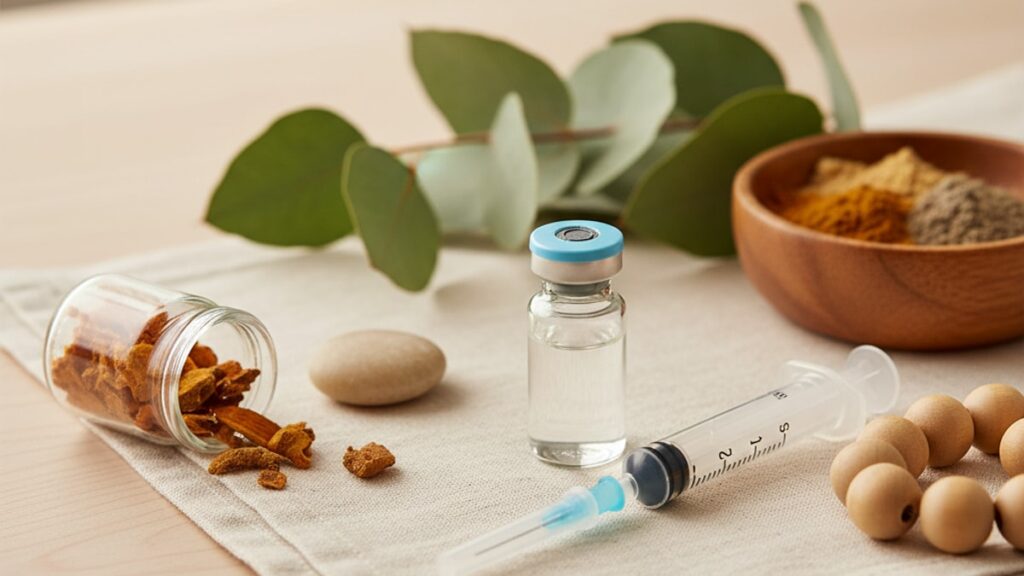
How Many Doses Per Vial of Retatrutide? (Storage & Mixing)
A standard 10mg retatrutide vial yields anywhere from 10 to 20 individual doses. But that range isn't a packaging variable, it's a protocol variable. The number of doses you extract depends entirely on your prescribed weekly dose (0.5mg, 0.75mg, 1.0mg, or higher), the reconstitution volume you choose, and whether you account for syringe dead space that traps 0.02–0.05ml of solution per draw. Most patients on a 0.5mg weekly protocol get 20 doses from a 10mg vial. Patients at 1.0mg weekly get 10 doses. The peptide concentration stays constant. What changes is how much solution you draw per injection.
Our team has guided researchers and practitioners through hundreds of retatrutide reconstitution protocols. The mistake isn't miscounting doses. It's failing to preserve peptide stability during the mixing and storage phase, which renders dose calculations irrelevant if the compound degrades before you finish the vial.
How many usable doses does a 10mg retatrutide vial contain?
A 10mg retatrutide vial contains 10–20 usable doses depending on weekly dosage protocol. Reconstituting with 2ml bacteriostatic water creates a 5mg/ml solution: 0.5mg weekly dose = 20 injections; 0.75mg weekly = 13 injections; 1.0mg weekly = 10 injections. Actual yield depends on draw technique and syringe dead space. Insulin syringes retain 0.02–0.05ml per use, reducing total doses by 5–10% across the vial lifespan.
The vial doesn't come pre-dosed. Retatrutide ships as lyophilised powder in 5mg, 10mg, or 15mg vials. You reconstitute it yourself with bacteriostatic water, which determines the final concentration (mg per ml). That concentration, combined with your prescribed weekly dose, defines how many injections one vial supports. A 10mg vial mixed with 2ml yields 5mg/ml. Meaning each 0.1ml draw contains 0.5mg of active peptide. This article covers reconstitution math, storage parameters that prevent degradation, draw technique that maximises yield, and what happens when you miscalculate or exceed the 28-day window.
Reconstitution Volume Determines Dose Count
Reconstitution volume is the single variable that sets your dose-per-draw. Retatrutide vials contain a fixed amount of peptide. 10mg, for example. But the concentration depends on how much bacteriostatic water you add. Standard practice uses 2ml for a 10mg vial, producing a 5mg/ml solution. At that concentration, a 0.5mg weekly dose requires a 0.1ml draw (10 units on an insulin syringe). A 1.0mg dose requires 0.2ml. The vial contains 2ml total, so 0.1ml draws yield 20 doses; 0.2ml draws yield 10 doses.
Some protocols use 1ml reconstitution volume for higher concentration (10mg/ml), which halves the draw volume but increases viscosity and makes accurate measurement harder with standard insulin syringes. We've found that 2ml strikes the best balance: concentration high enough to avoid large injection volumes, low enough for precise syringe measurement without technique errors. Researchers at Real Peptides supply retatrutide in consistent 10mg lyophilised format, designed for 2ml reconstitution as the standard.
Dead space matters more than most protocols account for. Every insulin syringe retains 0.02–0.05ml of solution in the hub and needle after injection. That's peptide you paid for but didn't deliver. Across 20 draws, you lose 0.4–1.0ml to dead space, which is 2–5mg of peptide (4–10 doses at 0.5mg). Low-dead-space syringes reduce this to 0.01ml per draw, recovering most of that loss. If yield matters. And at retatrutide's cost per mg, it does. Syringe selection isn't optional.
Storage Temperature and Degradation Timelines
Retatrutide stability is temperature-dependent and non-reversible. Lyophilised powder (unreconstituted) remains stable at −20°C for 24 months. Once reconstituted with bacteriostatic water, the solution must be refrigerated at 2–8°C and used within 28 days. Temperature excursions above 8°C. Even briefly. Trigger irreversible protein denaturation. The peptide doesn't 'spoil' visibly; it loses binding affinity at the GLP-1/GIP/glucagon receptor sites, which means injecting a degraded vial delivers reduced or zero therapeutic effect without any outward signal that potency is gone.
The 28-day window isn't arbitrary caution. It's based on bacteriostatic water's antimicrobial effectiveness timeline. Bacteriostatic water contains 0.9% benzyl alcohol, which prevents bacterial growth for approximately four weeks under refrigeration. Beyond 28 days, contamination risk increases even if the peptide itself remains chemically stable. We mean this sincerely: exceeding the 28-day limit isn't a minor protocol deviation. It's the difference between a sterile research-grade compound and a contaminated solution that shouldn't be injected.
Traveling with reconstituted retatrutide requires active temperature management. Insulin coolers like FRIO wallets maintain 2–8°C for 36–48 hours using evaporative cooling. No ice, no electricity. TSA permits peptide medications in carry-on with a medical letter, but checked baggage temperatures can reach 40°C in cargo holds, which denatures the peptide completely. If you're flying with a multi-dose vial, carry-on with a cooler is the only viable option. Researchers can explore temperature-stable peptide alternatives through Real Peptides' full collection, which includes compounds with longer ambient stability windows for field research.
Dose Calculation and Draw Technique
Dose calculation starts with concentration, not volume. If you reconstitute 10mg retatrutide with 2ml bacteriostatic water, the solution is 5mg/ml. To calculate your draw volume for any target dose: (target dose in mg) ÷ (concentration in mg/ml) = draw volume in ml. For a 0.5mg dose: 0.5 ÷ 5 = 0.1ml (10 units on an insulin syringe). For 0.75mg: 0.75 ÷ 5 = 0.15ml (15 units). For 1.0mg: 1.0 ÷ 5 = 0.2ml (20 units). This formula applies regardless of vial size or reconstitution volume. Concentration is the only variable that changes.
Draw technique affects both contamination risk and yield accuracy. Inject air into the vial equal to the volume you're withdrawing. This prevents vacuum formation that pulls contaminants back through the needle on subsequent draws. Invert the vial so the needle tip is submerged in solution, not air. Draw slightly more than your target volume, then adjust to the exact mark by expelling excess back into the vial. Avoid injecting drawn solution back into the vial multiple times. Each re-entry increases contamination risk. If you overshoot the draw volume, use it immediately or discard it; don't push it back in.
Multi-dose vials degrade faster with poor draw hygiene. Every needle puncture introduces potential contamination. Use a fresh alcohol swab on the vial stopper before every draw. Never reuse a syringe. Even if you didn't inject yet. Never touch the needle or let it contact any non-sterile surface. These aren't formalities; they're the difference between a vial that lasts 28 days and one that becomes contaminated by day 14. For additional research-grade peptides with stringent purity standards, researchers can reference Real Peptides' Thymalin and MK 677 product lines, which follow the same rigorous quality protocols.
How Many Doses Per Vial of Retatrutide: Vial Size Comparison
| Vial Size | Reconstitution Volume | Concentration | 0.5mg Weekly Dose | 0.75mg Weekly Dose | 1.0mg Weekly Dose | Professional Assessment |
|—|—|—|—|—|—|
| 5mg | 1ml | 5mg/ml | 10 doses (10 weeks) | 6–7 doses (6–7 weeks) | 5 doses (5 weeks) | Smallest practical size for solo research protocols; higher waste from dead space relative to total volume |
| 10mg | 2ml | 5mg/ml | 20 doses (20 weeks) | 13 doses (13 weeks) | 10 doses (10 weeks) | Most common size; balances cost per dose with 28-day use window; requires disciplined weekly adherence to avoid expiration waste |
| 15mg | 3ml | 5mg/ml | 30 doses (30 weeks) | 20 doses (20 weeks) | 15 doses (15 weeks) | Exceeds 28-day window at all dose levels; practical only for multi-subject research studies or practitioners with high weekly volume |
Key Takeaways
- A 10mg retatrutide vial reconstituted with 2ml bacteriostatic water yields 10–20 doses depending on weekly protocol: 20 doses at 0.5mg, 13 at 0.75mg, 10 at 1.0mg.
- Syringe dead space (0.02–0.05ml per draw) reduces actual yield by 5–10% across the vial's lifespan. Low-dead-space syringes recover most of this loss.
- Reconstituted retatrutide must be stored at 2–8°C and used within 28 days; any temperature excursion above 8°C causes irreversible protein denaturation.
- Dose calculation formula: (target dose in mg) ÷ (concentration in mg/ml) = draw volume in ml. For 5mg/ml concentration, 0.5mg = 0.1ml, 1.0mg = 0.2ml.
- Multi-dose vials require sterile draw technique. Fresh alcohol swab per draw, no needle reuse, no solution re-injection back into the vial.
What If: Retatrutide Dosing Scenarios
What If I Miscalculate My Reconstitution Volume?
Recalculate your concentration immediately using the actual volume you added, then adjust your draw volume accordingly. If you added 3ml instead of 2ml to a 10mg vial, your concentration is 3.33mg/ml (not 5mg/ml), so a 0.5mg dose now requires 0.15ml (15 units) instead of 0.1ml. The peptide is still viable. The math just changes. Do not attempt to 'fix' it by withdrawing solution or adding more water; both increase contamination risk. Label the vial with the correct concentration and use it as-is.
What If I Exceed the 28-Day Window?
Discard the vial. Bacteriostatic water's antimicrobial effectiveness expires after 28 days under refrigeration, which means bacterial contamination becomes probable even if the peptide remains chemically stable. Injecting a contaminated solution risks subcutaneous infection (cellulitis, abscess formation) that requires antibiotic treatment. The cost of a replacement vial is lower than the cost and risk of treating an injection-site infection. If you consistently have leftover solution at 28 days, switch to a smaller vial size or adjust your dose frequency.
What If My Vial Was Left Out Overnight?
If the vial was unreconstituted (lyophilised powder) and the ambient temperature stayed below 25°C, it's likely still viable. Lyophilised peptides tolerate short-term ambient exposure (24–48 hours). If it was reconstituted and spent 8+ hours above 8°C, discard it. Protein denaturation at elevated temperatures is irreversible and occurs within hours, not days. You won't see visual changes (cloudiness, discoloration) until contamination occurs; denaturation is invisible. The only way to verify potency after temperature excursion is HPLC testing, which isn't practical for individual vials.
The Unforgiving Truth About Retatrutide Vial Yield
Here's the honest answer: dose count is irrelevant if you degrade the peptide before you finish the vial. The most common failure point isn't miscalculating doses. It's storing the vial incorrectly, drawing with poor technique, or exceeding the 28-day window because you didn't plan your protocol around the bacteriostatic water timeline. A 10mg vial has 10mg of peptide, but only if you preserve that peptide from reconstitution to final injection. Temperature excursions, contamination, and oxidation don't reduce dose count. They reduce potency to zero while the dose count stays the same. You'll inject the correct volume and get nothing.
The second truth: dead space isn't negligible at retatrutide's cost per mg. If you're using standard insulin syringes and losing 0.03ml per draw across 20 injections, that's 0.6ml of solution (3mg of peptide) you paid for but didn't deliver. At typical retatrutide pricing, that's $40–60 of waste per vial. Low-dead-space syringes cost $0.15 more per unit and recover 80% of that loss. The math is simple: spend $3 extra on syringes per vial, save $30–50 in peptide waste.
The third truth: most vial yield problems aren't peptide problems. They're protocol discipline problems. If you miss weekly injections, the vial sits in your fridge degrading while the 28-day clock runs. If you reconstitute a 15mg vial for a solo protocol at 0.5mg weekly, you're creating 30 doses with a 28-day expiration. You'll waste 2mg minimum. Vial size must match your dose frequency and protocol duration, or you're engineering waste from day one.
Retatrutide is among the most potent dual GLP-1/GIP receptor agonists available for metabolic research. Our experience shows that researchers who treat multi-dose vials as single-use consumables rather than long-term inventory see zero contamination events and consistent dose-to-dose outcomes. The vial's theoretical dose count means nothing if the first injection delivers therapeutic potency and the tenth delivers degraded protein. For researchers looking to explore cutting-edge metabolic peptides with the same quality assurance, Real Peptides' Survodutide and Mazdutide offer parallel receptor agonism profiles designed for rigorous study conditions.
A 10mg vial contains exactly 10mg of retatrutide. But whether you extract 10 doses or 20 depends entirely on whether you designed your protocol around the peptide's stability constraints, not just the dose calculation spreadsheet. If you're still treating vial yield as a math problem rather than a storage and handling problem, you're solving the wrong equation.
Frequently Asked Questions
How many doses are in a 10mg vial of retatrutide?
▼
A 10mg retatrutide vial yields 10–20 doses depending on your weekly dosage protocol. At 0.5mg weekly, you get 20 doses. At 1.0mg weekly, you get 10 doses. The vial contains a fixed 10mg of peptide; dose count varies based on how much you inject per administration. Reconstituting with 2ml bacteriostatic water creates a 5mg/ml solution, so 0.5mg requires a 0.1ml draw and 1.0mg requires 0.2ml.
Can I store reconstituted retatrutide at room temperature?
▼
No. Reconstituted retatrutide must be refrigerated at 2–8°C immediately after mixing and stored continuously at that temperature until use. Room temperature (20–25°C) causes irreversible protein denaturation within hours, rendering the peptide inactive. Even brief temperature excursions above 8°C during transport or storage compromise potency. Use an insulin cooler for travel and never leave the vial out longer than the time required to draw your dose.
What happens if I use retatrutide after 28 days?
▼
Using reconstituted retatrutide beyond 28 days risks bacterial contamination even if the peptide remains chemically stable. Bacteriostatic water contains 0.9% benzyl alcohol, which prevents microbial growth for approximately four weeks under refrigeration. After that, contamination probability increases, which can cause injection-site infections requiring antibiotic treatment. If you consistently have leftover solution at day 28, switch to a smaller vial size or adjust dose frequency.
How do I calculate the correct draw volume for my retatrutide dose?
▼
Use this formula: (target dose in mg) ÷ (concentration in mg/ml) = draw volume in ml. If you reconstituted 10mg with 2ml, your concentration is 5mg/ml. For a 0.5mg dose: 0.5 ÷ 5 = 0.1ml (10 units on an insulin syringe). For 0.75mg: 0.75 ÷ 5 = 0.15ml (15 units). For 1.0mg: 1.0 ÷ 5 = 0.2ml (20 units). Always verify concentration before calculating draw volume.
Does syringe dead space reduce the number of doses I get from a vial?
▼
Yes. Standard insulin syringes retain 0.02–0.05ml of solution in the hub and needle after each injection. Across 20 draws, you lose 0.4–1.0ml to dead space, which equals 2–5mg of peptide (4–10 doses at 0.5mg weekly). Low-dead-space syringes reduce this to 0.01ml per draw, recovering most of that loss. At retatrutide’s cost per mg, syringe selection meaningfully impacts total yield and cost per dose.
Can I travel with a multi-dose vial of retatrutide?
▼
Yes, but only with active temperature control. Reconstituted retatrutide must stay between 2–8°C during transport. Use an insulin cooler like a FRIO wallet, which maintains that range for 36–48 hours via evaporative cooling. TSA permits peptide medications in carry-on luggage with a medical or research letter. Never pack reconstituted peptides in checked baggage — cargo hold temperatures can exceed 40°C, which denatures the protein completely and irreversibly.
Is retatrutide more effective than semaglutide or tirzepatide for weight loss?
▼
Retatrutide is a triple agonist targeting GLP-1, GIP, and glucagon receptors, whereas semaglutide is GLP-1-only and tirzepatide is dual GLP-1/GIP. Phase 2 trials showed retatrutide produced up to 24% mean body weight reduction at 48 weeks, compared to 15–21% for tirzepatide and 15% for semaglutide. The glucagon receptor component enhances energy expenditure beyond satiety signaling alone. Head-to-head Phase 3 trials are ongoing as of 2026, so direct comparative efficacy data in matched populations isn’t yet published.
What is the difference between compounded and pharmaceutical-grade retatrutide?
▼
Pharmaceutical-grade retatrutide is manufactured under GMP standards with full batch testing for purity, sterility, and potency. Compounded retatrutide is prepared by licensed 503B facilities or pharmacies but lacks FDA-approved drug product status — it’s the same molecule but without the regulatory oversight and traceability of branded formulations. Research-grade retatrutide from verified suppliers like Real Peptides undergoes third-party purity testing via HPLC to confirm amino acid sequencing and peptide content, bridging the gap between compounded and pharmaceutical standards.
Can I mix retatrutide with other peptides in the same vial?
▼
No. Mixing retatrutide with other peptides in the same vial introduces unpredictable stability interactions, pH conflicts, and contamination risk. Each peptide has specific reconstitution requirements and degradation timelines. Combining them compromises both compounds and makes dose accuracy impossible. If you’re running multiple peptide protocols, reconstitute and store each in separate vials. For researchers exploring complementary peptides, Real Peptides offers individual vials of compounds like CJC-1295 and Ipamorelin designed for concurrent but separate administration.
What should I do if my retatrutide solution looks cloudy or discolored?
▼
Discard it immediately. Cloudiness or discoloration indicates bacterial contamination, protein aggregation, or degradation — all of which make the solution unsafe or ineffective for injection. Properly reconstituted and stored retatrutide should be clear and colorless. If you notice particles, opacity, or yellow/brown tint at any point during the 28-day use window, do not inject it. Contamination can occur from poor draw technique, temperature excursions, or exceeding the bacteriostatic water’s antimicrobial window.
