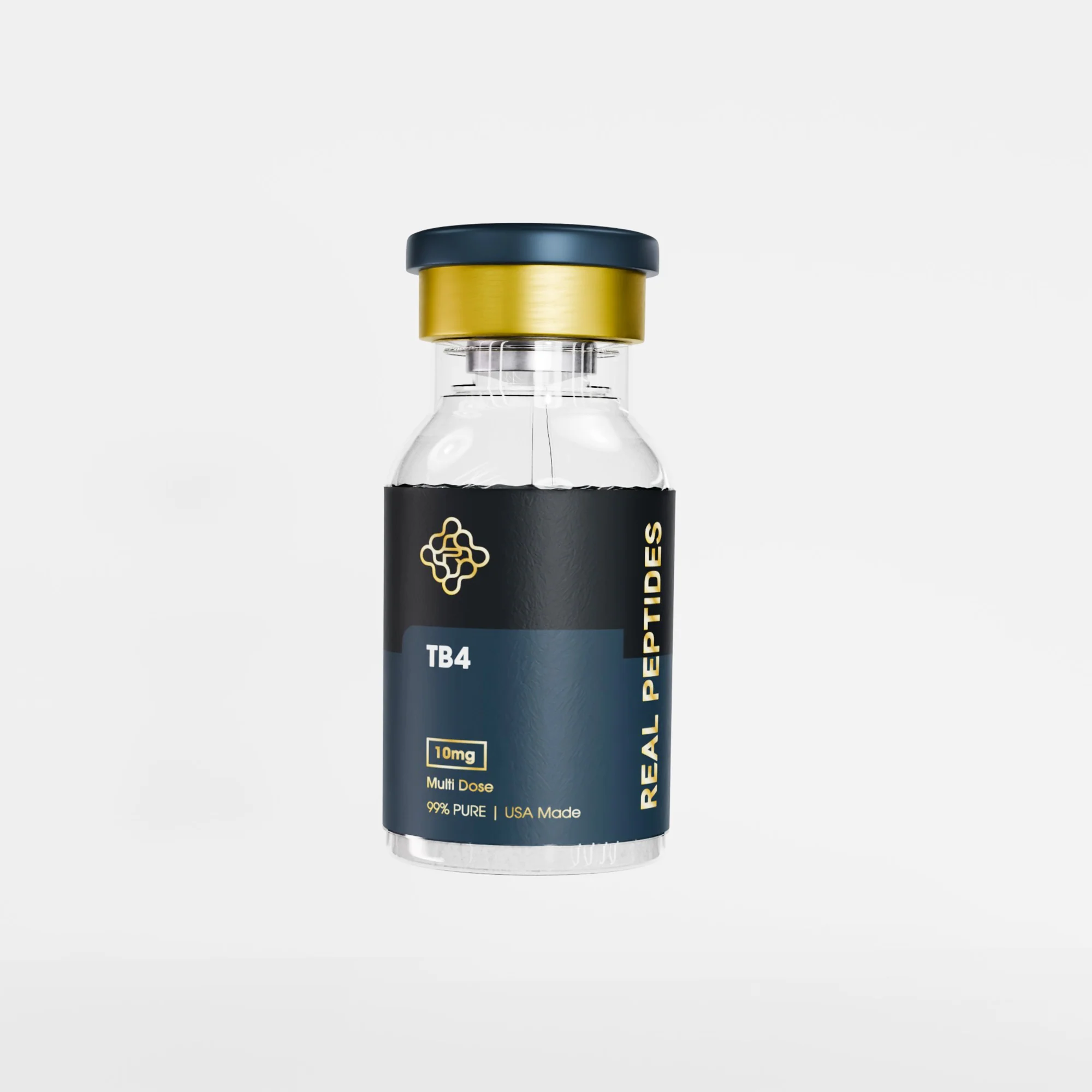
Trinity-X™ is a 39-amino-acid synthetic peptide engineered as a tri-agonist for the GLP-1, GIP, and glucagon receptors. By combining three receptor activities into a single stable compound, Trinity-X provides a powerful research tool to investigate multi-pathway metabolic control, including satiety signaling, insulin secretion dynamics, and lipid breakdown mechanisms—without requiring separate agonists for each pathway.
The “Trinity” in Trinity-X refers to its unique triple-receptor mechanism: three pathways, one molecule. This integrated design enables researchers to study synergistic metabolic effects that cannot be replicated with single-pathway or dual-pathway compounds.
Unlike single-pathway peptides or even dual-agonists, Trinity-X uniquely merges GLP-1, GIP, and glucagon receptor activities into one stable compound. This integrated tri-agonist approach produces synergistic metabolic effects that cannot be achieved with other research peptides:
Three Mechanisms, One Molecule: – GLP-1 Pathway: Delays gastric emptying, enhances satiety signaling – GIP Pathway: Optimizes insulinotropic response, supports glucose homeostasis – Glucagon Pathway: Boosts basal metabolism, accelerates lipid oxidation.
Research Flexibility: Trinity-X is available in multiple vial sizes (10mg, 12mg, 20mg, 24mg), offering flexibility for dose-response studies, titration protocols, and longitudinal rodent research.
Researchers choose Trinity-X when they need a single-molecule solution for complex metabolic-health studies. Its tri-agonist design delivers synchronized receptor activation that enables streamlined protocols for:
• Appetite-control assays — Study satiety signaling across multiple pathways simultaneously
• Lipolysis and thermogenesis modeling — Investigate enhanced fat
metabolism mechanisms
• Energy-expenditure measurements — Analyze comprehensive
metabolic output data
• Insulin secretion dynamics — Examine glucose-stimulated insulin response patterns
• Longitudinal metabolic studies — Benefit from weekly dosing efficiency
Researchers choose Trinity-X when they need a single-molecule solution for complex metabolic-health studies. Its tri-agonist design delivers synchronized receptor activation that enables streamlined protocols for:
• Appetite-control assays — Study satiety signaling across multiple pathways simultaneously
• Lipolysis and thermogenesis modeling — Investigate enhanced fat
metabolism mechanisms
• Energy-expenditure measurements — Analyze comprehensive
metabolic output data
• Insulin secretion dynamics — Examine glucose-stimulated insulin response patterns
• Longitudinal metabolic studies — Benefit from weekly dosing efficiency
Researchers choose Trinity-X when they need a single-molecule solution for complex metabolic-health studies. Its tri-agonist design delivers synchronized receptor activation that enables streamlined protocols for:
• Appetite-control assays — Study satiety signaling across multiple pathways simultaneously
• Lipolysis and thermogenesis modeling — Investigate enhanced fat
metabolism mechanisms
• Energy-expenditure measurements — Analyze comprehensive
metabolic output data
• Insulin secretion dynamics — Examine glucose-stimulated insulin response patterns
• Longitudinal metabolic studies — Benefit from weekly dosing efficiency
Yes. Trinity-X is frequently used in research stacks with peptides such as Tesamorelin, MOTS-c, 5-Amino-1MQ, or Cagrilintide to explore synergistic effects in metabolic modeling.
Unlike single-pathway peptides or even dual-agonists, Trinity-X uniquely merges GLP-1, GIP, and glucagon receptor activities into one stable compound. This integrated tri-agonist approach produces synergistic metabolic effects that cannot be achieved with other research peptides:
Three Mechanisms, One Molecule: – GLP-1 Pathway: Delays gastric emptying, enhances satiety signaling – GIP Pathway: Optimizes insulinotropic response, supports glucose homeostasis – Glucagon Pathway: Boosts basal metabolism, accelerates lipid oxidation.
Research Flexibility: Trinity-X is available in multiple vial sizes (10mg, 12mg, 20mg, 24mg), offering flexibility for dose-response studies, titration protocols, and longitudinal rodent research.
Yes. Trinity-X is frequently used in research stacks with peptides such as Tesamorelin, MOTS-c, 5-Amino-1MQ, or Cagrilintide to explore synergistic effects in metabolic modeling.
End of Content.