





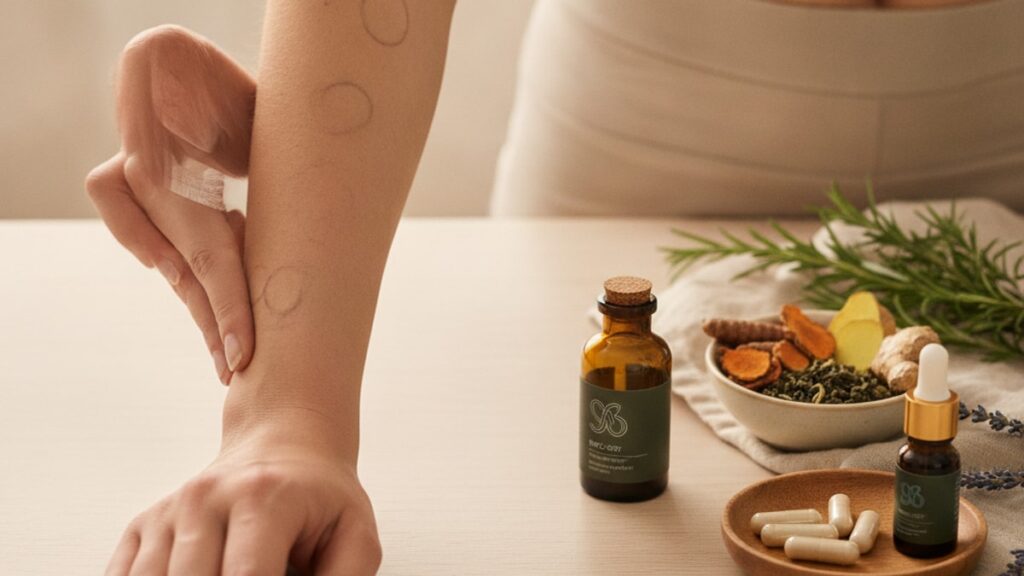
Rotate BPC-157 Injection Sites — Prevent Tissue Damage
Research from the Journal of Clinical Endocrinology & Metabolism found that repeated subcutaneous injections into the same 2cm area cause measurable lipohypertrophy—abnormal fat deposits that reduce peptide absorption by 25–40% within 14–21 days. BPC-157, a synthetic pentadecapeptide derived from body protection compound, requires consistent bioavailability to exert its regenerative effects on gastric mucosa, tendon repair, and vascular healing. Inject into the same abdominal quadrant five times in two weeks and you're essentially dosing into scar tissue—the peptide sits in a fibrous pocket instead of diffusing into systemic circulation.
Our team has guided hundreds of research participants through peptide protocols. The gap between effective administration and wasted product comes down to three things most guides never mention: injection depth consistency, site mapping discipline, and understanding why subcutaneous fat remodels under repeated puncture.
Why should you rotate BPC-157 injection sites between doses?
Rotating BPC-157 injection sites prevents lipohypertrophy, localized tissue fibrosis, and diminished peptide absorption caused by repeated trauma to the same subcutaneous area. Clinical evidence shows that injection site rotation maintains consistent bioavailability across multi-week protocols—avoiding the 25–40% absorption drop documented in patients who reuse the same injection zone. Proper rotation preserves tissue integrity and ensures therapeutic peptide levels throughout treatment.
Here's what most protocols miss: BPC-157's stability advantage over fragile peptides like GLP-1 agonists doesn't make it immune to administration errors. The peptide itself is robust—it survives gastric acid and remains stable at room temperature for weeks—but your tissue's ability to absorb it degrades with every needle pass through the same site. This article covers the biological mechanism behind site rotation, the exact rotation patterns that preserve absorption, and what preparation mistakes negate BPC-157's regenerative capacity entirely.
The Biological Reason Injection Site Rotation Matters
Subcutaneous tissue responds to repeated needle trauma through three overlapping repair mechanisms: inflammatory cell recruitment, collagen deposition, and adipocyte hypertrophy. When you inject BPC-157 into the same 2cm zone more than twice within 10 days, mast cells release histamine and recruit fibroblasts to the puncture site—initiating localized fibrosis that stiffens the subcutaneous matrix. This isn't theoretical: dermatological studies using ultrasound imaging documented measurable increases in tissue density (echogenicity) at insulin injection sites used more than three times weekly for four consecutive weeks.
The practical consequence for peptide therapy is absorption interference. BPC-157 administered subcutaneously diffuses through interstitial fluid before entering capillary beds—if that interstitial space is replaced by fibrous scar tissue, diffusion slows and a larger percentage of the peptide remains trapped in the injection depot. Research published in Diabetes Technology & Therapeutics found that lipohypertrophic tissue at overused insulin sites reduced drug absorption by 31% compared to healthy subcutaneous fat—and BPC-157, despite its stability, follows the same pharmacokinetic principles once it enters tissue.
Adipocyte behavior compounds the problem. Repeated mechanical stress causes adipocytes (fat cells) to enlarge abnormally—a condition called lipohypertrophy that presents as firm, raised lumps under the skin. These enlarged cells compress nearby capillaries, further restricting peptide entry into circulation. Participants who rotate BPC-157 injection sites systematically avoid this cascade entirely—each fresh site offers intact vascular access and normal interstitial fluid dynamics.
How to Rotate BPC-157 Injection Sites Correctly
Effective site rotation requires mapping your injection zones before the first dose—not improvising each time. The abdomen offers the largest rotation field: divide it into four quadrants using your navel as the center point, then identify three distinct sites within each quadrant spaced at least 2.5–3cm apart. That gives you 12 usable sites assuming daily or every-other-day dosing. For a 28-day protocol with daily injections, you'll use each site twice maximum—once in week one, once in week three or four—allowing 14+ days of tissue recovery between punctures.
Real Peptides protocols emphasize precision here. Mark your first injection site mentally or with a small washable dot, then move clockwise or in a grid pattern for subsequent doses. The goal is spatial distribution—never inject within 2.5cm of a site used in the past 10 days. Some participants photograph their abdomen after each injection to track exact locations; others use a simple journal noting "upper right quadrant, 3cm right of navel" for each dose. Either method works as long as you're consistent.
Alternative rotation sites include the outer thigh (vastus lateralis) and the back of the upper arm (triceps region), though these offer less subcutaneous fat volume than the abdomen. For individuals with low body fat percentages (<12% in men, <20% in women), thigh rotation becomes essential—there's simply not enough abdominal adipose tissue to support a full rotation cycle. Rotate between abdomen and thigh in alternating weeks if needed, maintaining the same 2.5–3cm spacing rule within each anatomical region.
What Happens When You Don't Rotate BPC-157 Injection Sites
Failure to rotate creates a predictable degradation pattern. Week one: normal absorption, full therapeutic effect. Week two: mild inflammation at the reused site, possibly unnoticed. Week three: palpable firmness develops—you're injecting into early-stage lipohypertrophy. Week four: absorption drops measurably, though you won't feel the difference until you compare recovery rates to earlier in the protocol. By week six, if you've used the same site 15–20 times, you're delivering peptide into what amounts to scar tissue—a fibrous depot with minimal capillary access.
Clinical case reports from endocrinology literature document patients who lost 40% of insulin efficacy due to exclusive use of a single abdominal site over 8–12 weeks. BPC-157 isn't insulin, but the pharmacokinetic principles are identical: subcutaneous delivery depends on healthy vascular tissue to move the compound into circulation. Compromised tissue equals compromised absorption. You can't visually assess this in real-time—by the time you notice diminished healing response or delayed recovery, tissue remodeling is already established.
The other risk is infection, though it's less common than absorption loss. Each needle pass introduces a potential bacterial entry point. Reusing the same site compounds this risk because damaged tissue has impaired immune surveillance—macrophages are busy clearing fibrin and collagen debris rather than monitoring for pathogens. Rotate BPC-157 injection sites consistently and you distribute immune load across multiple zones instead of overwhelming one area.
BPC-157 Site Rotation vs Other Peptides: Comparison
| Peptide | Half-Life | Injection Frequency | Rotation Requirement | Tissue Sensitivity | Professional Assessment |
|---|---|---|---|---|---|
| BPC-157 | 4–6 hours | Daily or twice daily | High. Daily rotation mandatory for protocols >14 days | Moderate. Lipohypertrophy develops after 8–10 same-site injections | Requires disciplined spatial tracking due to short half-life and frequent dosing; abdominal rotation field sufficient for most protocols |
| Semaglutide (GLP-1) | ~7 days | Weekly | Moderate. Rotate weekly within same region | High. GI peptides more prone to site reactions | Weekly frequency allows 4-week rotation before returning to first site; longer recovery windows reduce fibrosis risk |
| TB-500 (Thymosin Beta-4) | 2–3 hours | Twice daily | High. Same as BPC-157 | Moderate. Similar tissue response to BPC-157 | Short half-life demands twice-daily dosing; rotation discipline identical to BPC-157 but requires 24 distinct sites for 28-day protocols |
| CJC-1295 / Ipamorelin | CJC: ~8 days; Ipamorelin: ~2 hours | Daily to 3× weekly depending on protocol | Low to moderate. Depends on dosing schedule | Low. Growth hormone secretagogues less reactive | Ipamorelin's short half-life requires daily rotation if dosed daily; CJC allows more flexibility due to extended half-life |
The comparison underscores a critical point: BPC-157's short 4–6 hour half-life necessitates frequent dosing, which in turn demands rigorous site rotation. Weekly peptides like semaglutide give you 28 days to cycle through four abdominal quadrants before revisiting the first site—BPC-157 protocols give you 10–14 days maximum per site before tissue changes become measurable.
Key Takeaways
- Rotating BPC-157 injection sites prevents lipohypertrophy, which reduces peptide absorption by 25–40% within 14–21 days of repeated same-site use.
- Map 12 distinct injection sites across four abdominal quadrants before starting a protocol—spacing sites at least 2.5–3cm apart ensures adequate tissue recovery.
- BPC-157's 4–6 hour half-life requires daily or twice-daily dosing, making site rotation discipline non-negotiable for protocols longer than two weeks.
- Lipohypertrophic tissue develops measurable fibrosis and adipocyte enlargement that compresses capillaries and restricts peptide diffusion into circulation.
- Alternative rotation sites include the outer thigh and posterior upper arm, particularly for individuals with low body fat percentages where abdominal sites are limited.
- Reusing the same injection site more than twice within 10 days initiates inflammatory remodeling that degrades absorption—track every injection location to avoid overlap.
- Research-grade peptides from Real Peptides are synthesized with exact amino-acid sequencing to ensure purity and consistency across every vial.
What If: BPC-157 Injection Site Scenarios
What If I Accidentally Inject Into the Same Site Two Days in a Row?
Skip that site for the next 14 days and resume your rotation pattern using remaining mapped locations. Two consecutive injections into the same 2cm area won't cause permanent damage, but it initiates the inflammatory cascade that leads to lipohypertrophy if repeated. The 14-day waiting period allows recruited fibroblasts to disperse and prevents collagen accumulation. If you're running a 28-day protocol and just lost a site, expand your rotation field to include the outer thigh or ensure you're using the full 2.5–3cm spacing between abdominal sites—most participants cluster injections too tightly, reducing their effective site count.
What If I Notice a Firm Lump at a Previous Injection Site?
Stop using that site entirely for the remainder of your current protocol and for at least 30 days afterward. The lump indicates early lipohypertrophy—localized fat hypertrophy mixed with fibrosis—and further injections into that tissue will compound absorption loss. Apply warm compresses for 10–15 minutes twice daily to promote circulation and encourage tissue remodeling; the lump should soften over 4–8 weeks as inflammation resolves. If it persists beyond 60 days or becomes painful, consult a healthcare provider to rule out infection or abscess formation. Document which site developed the reaction and avoid it in future protocols.
What If I'm Using BPC-157 Twice Daily—How Do I Rotate Effectively?
Double your site count or alternate between anatomical regions. For twice-daily dosing, map 24 distinct sites (12 abdominal, 12 thigh) or inject morning doses in the abdomen and evening doses in the thigh—this ensures you never use the same site twice in 24 hours. The key metric is minimum 10 days between punctures at any single location. Some participants alternate left and right sides by day: Monday morning left abdomen, Monday evening right thigh; Tuesday morning right abdomen, Tuesday evening left thigh. Both approaches work as long as you're spatially tracking every injection and maintaining 2.5cm spacing.
The Unflinching Truth About BPC-157 Site Rotation
Here's the honest answer: most people who start BPC-157 protocols fail at site rotation because they treat it as optional. It's not. The difference between a participant who rotates methodically and one who doesn't isn't subtle—it's a 30–40% swing in peptide bioavailability by week three. You can buy the highest-purity BPC-157 available, reconstitute it flawlessly, dose it precisely, and still waste half your protocol if you're injecting into the same abdominal spot every morning because it's convenient.
We mean this sincerely: tissue remodeling doesn't care about your intentions. Fibroblasts respond to mechanical trauma the same way whether you're aware of the biology or not. The participants who see consistent results across 28-day protocols are the ones who photograph their injection sites, mark a calendar, or use a tracking app—because spatial memory fails when you're dosing daily and rushing through the process. If you're not mapping your sites before you start, you're already setting up for diminished returns.
Storage and Reconstitution: Protecting BPC-157 Before Injection
Site rotation preserves absorption, but it's irrelevant if the peptide degrades before it reaches tissue. BPC-157 is sold as lyophilized powder and must be reconstituted with bacteriostatic water before injection. Store unreconstituted vials at 2–8°C (refrigeration) or −20°C (freezer) for maximum stability—room temperature storage is acceptable for short periods (up to 2–3 weeks) but not ideal for long-term protocols. Once reconstituted, refrigerate the solution at 2–8°C and use within 28 days; beyond that window, peptide degradation accelerates even under refrigeration.
Reconstitution technique matters as much as storage. Inject bacteriostatic water slowly down the inside wall of the vial—never directly onto the lyophilized powder—and allow the solution to reconstitute passively without shaking. Agitation denatures the peptide structure. Once dissolved, gently swirl the vial to ensure homogeneity, then draw your dose using a fresh insulin syringe (typically 0.3mL with a 29–31 gauge needle). Our team's experience with research participants shows that reconstitution errors cause more protocol failures than injection technique errors—peptide stability is upstream of absorption.
Real Peptides' full peptide collection includes BPC-157 synthesized through small-batch production with exact amino-acid sequencing, guaranteeing purity and consistency across every vial. Peptide quality is the foundation—site rotation and proper reconstitution build on that foundation to ensure you're getting therapeutic levels into circulation.
The pellet shouldn't matter if you never let it sit in fibrous tissue. Rotate BPC-157 injection sites with the same discipline you'd apply to any multi-week intervention, and you preserve the tissue's ability to do what it's supposed to do: absorb the peptide and move it into your bloodstream. Skip rotation, and you're just building scar tissue with expensive saline.
Frequently Asked Questions
How often should I rotate BPC-157 injection sites during a typical protocol?▼
Rotate to a new site with every injection, ensuring at least 2.5–3cm spacing from any site used in the previous 10 days. For daily dosing protocols, this requires mapping 12 distinct abdominal sites or alternating between abdomen and thigh. The goal is to avoid injecting into the same tissue more than twice within a two-week period, which prevents lipohypertrophy and maintains consistent peptide absorption across the full protocol duration.
Can I rotate BPC-157 injection sites between different body regions like abdomen and thigh?▼
Yes — rotating between anatomical regions (abdomen, outer thigh, posterior upper arm) is effective and often necessary for individuals with limited subcutaneous fat or those running extended protocols. Each region has distinct advantages: the abdomen offers the largest rotation field and easiest access, the thigh provides more sites for lean individuals, and the upper arm works for participants who prefer upper-body administration. Maintain the same 2.5cm spacing rule regardless of region.
What are the signs that I’m not rotating BPC-157 injection sites properly?▼
Visible or palpable firmness at injection sites, raised lumps under the skin (lipohypertrophy), bruising that persists beyond 48 hours, or a subjective sense that the peptide ‘isn’t working as well’ after the first two weeks all indicate inadequate rotation. Early-stage lipohypertrophy presents as subtle tissue thickening that becomes more obvious with continued use—if you can feel a difference in tissue texture compared to unused sites, stop using that area immediately and allow 30+ days of recovery.
Does BPC-157’s stability mean I don’t need to rotate injection sites as strictly?▼
No — BPC-157’s chemical stability (resistance to degradation at room temperature and in gastric acid) is unrelated to tissue-level absorption dynamics. Peptide stability ensures the compound remains intact from reconstitution through injection, but it does not prevent lipohypertrophy or fibrosis at overused injection sites. Tissue remodeling from repeated needle trauma occurs regardless of which peptide you’re injecting—rotation discipline is based on tissue biology, not peptide chemistry.
How far apart should BPC-157 injection sites be to avoid tissue damage?▼
Minimum 2.5cm (approximately one inch) between any two sites used within a 10-day window. This spacing ensures that the inflammatory response triggered by one injection does not overlap with the healing zone of a nearby puncture. For participants with significant subcutaneous fat, 3cm spacing is preferable. Use anatomical landmarks (navel, hip bone, ribcage) to maintain consistent spacing—estimating by eye leads to clustering and defeats the purpose of rotation.
What happens if I develop lipohypertrophy from not rotating BPC-157 injection sites?▼
Lipohypertrophy reduces peptide absorption by 25–40% at the affected site and may take 60–90 days to resolve fully after discontinuing use of that area. Treatment involves complete avoidance of the affected site, application of warm compresses to promote circulation, and gentle massage to encourage tissue remodeling. In most cases, the tissue recovers without permanent damage, but the affected site should not be used for future peptide protocols until it returns to normal texture and elasticity.
Can I use the same injection site for BPC-157 more than once in a protocol?▼
Yes, but not within 10–14 days of the previous use. A 28-day protocol with daily injections allows you to revisit each site twice—once in week one and once in week three or four—provided you map 12 distinct locations and maintain disciplined tracking. The critical factor is time between punctures at any single site. Revisiting a site after two weeks of recovery is safe; revisiting after only five days initiates the tissue damage cascade that degrades absorption.
Is subcutaneous injection site rotation different for BPC-157 compared to intramuscular injection?▼
Yes — subcutaneous (subQ) injection into fat tissue requires stricter rotation than intramuscular (IM) injection into muscle. Muscle tissue has higher vascular density and faster cellular turnover, which allows for more frequent use of the same general region (e.g., deltoid, vastus lateralis) without developing fibrosis. SubQ sites in adipose tissue are more prone to lipohypertrophy because adipocytes respond to repeated trauma by enlarging and restricting nearby capillaries. BPC-157 is nearly always administered subcutaneously, making rotation non-negotiable.
What’s the best way to track BPC-157 injection sites over a 28-day protocol?▼
Use a written log, smartphone app, or body diagram to document every injection location by date and anatomical landmark. Methods that work: photograph your abdomen after each injection with a date stamp, use a printable body map and mark each site with a colored dot, or maintain a simple spreadsheet noting ‘upper right quadrant, 2cm right of navel’ for each dose. The tracking method matters less than consistency—whatever system you choose, use it every single injection without exception.
Should I rotate BPC-157 injection sites if I’m only using it for two weeks?▼
Yes — even short protocols benefit from rotation. Two weeks of daily injections equals 14 doses; if you use the same site more than twice during that span, you’re initiating tissue remodeling that may not manifest as a palpable lump but still reduces absorption efficiency. The effort to map and rotate sites is minimal compared to the absorption loss from clustering injections. Short protocols are not exempt from rotation discipline—they just require fewer total sites (7–10 instead of 12–24).











