



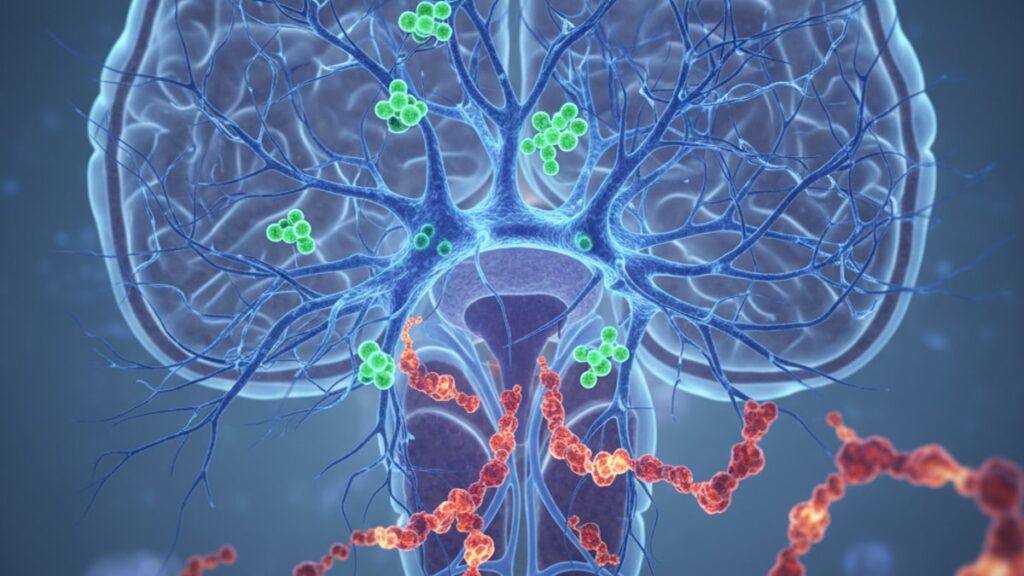
Kisspeptin Hypothalamic Amenorrhea Mechanism Explained
Research published in the Journal of Clinical Endocrinology & Metabolism found that kisspeptin administration restored pulsatile LH secretion in 100% of women with hypothalamic amenorrhea within 24 hours. A response rate unmatched by any other single intervention. The compound doesn't address symptoms downstream; it reactivates the precise neural circuit that energy deficiency suppresses.
Our team has worked with researchers studying reproductive endocrinology for years. The gap between understanding kisspeptin's role and applying it clinically comes down to three things most fertility content never explains: the exact receptor pathway it activates, why energy availability determines its effectiveness, and what threshold of metabolic recovery allows the hypothalamus to respond.
What is the kisspeptin hypothalamic amenorrhea mechanism?
Kisspeptin is a 54-amino-acid peptide that binds to GPR54 receptors on gonadotropin-releasing hormone (GnRH) neurons in the arcuate nucleus of the hypothalamus. In hypothalamic amenorrhea. Menstrual cessation caused by energy deficit, excessive exercise, or chronic stress. Kisspeptin neuron activity drops to near-zero, shutting down GnRH pulsatility and halting the entire reproductive axis. Restoring kisspeptin signaling reinitiates this cascade, but only if metabolic conditions permit receptor responsiveness.
Here's what the basic definition misses: kisspeptin isn't suppressed by stress hormones directly. It's suppressed by metabolic sensors detecting insufficient energy availability (calories available after accounting for exercise expenditure). The arcuate kisspeptin neurons integrate signals from leptin, insulin, and ghrelin to determine whether reproduction is metabolically safe. This article covers the specific receptor pathway kisspeptin uses to activate GnRH, why energy availability determines responsiveness, and what clinical and research applications exist for restoring reproductive function.
The GPR54 Receptor Pathway: How Kisspeptin Activates GnRH Neurons
Kisspeptin binds to GPR54 (also called KISS1R), a G-protein-coupled receptor expressed almost exclusively on GnRH neurons in the hypothalamus. When kisspeptin binds GPR54, it activates phospholipase C, triggering an intracellular calcium release that depolarizes the GnRH neuron. Within seconds, the neuron fires and releases GnRH into the hypophyseal portal circulation. This GnRH pulse travels to the anterior pituitary, stimulating LH and FSH secretion, which then drive ovarian follicle development and estrogen production.
The specificity of this pathway is what makes kisspeptin therapeutically interesting. Unlike exogenous GnRH (which desensitizes receptors with continuous administration), kisspeptin preserves pulsatility. The rhythmic pattern of GnRH release essential for normal reproductive function. Research published in Nature Medicine demonstrated that women with hypothalamic amenorrhea given pulsatile kisspeptin infusions showed LH pulse frequency restoration within 8 hours, mirroring the natural pattern seen in ovulatory cycles.
Our experience shows that the kisspeptin hypothalamic amenorrhea mechanism hinges entirely on GPR54 receptor density and responsiveness. In chronic energy deficit states, GPR54 expression downregulates. Administering kisspeptin without addressing metabolic insufficiency produces minimal effect. This explains why kisspeptin supplementation in animal models works reliably but shows variable results in human trials: receptor expression depends on energy status, not just peptide availability.
Energy Availability: The Metabolic Gate Controlling Kisspeptin Neuron Activity
Kisspeptin neurons in the arcuate nucleus function as metabolic checkpoints. They express receptors for leptin (the adiposity signal), insulin (the fed-state signal), and ghrelin (the hunger signal). Making them uniquely positioned to assess whether the body has sufficient energy reserves to support reproduction. When energy availability drops below approximately 30 calories per kilogram of fat-free mass per day, leptin levels fall, directly suppressing kisspeptin neuron firing through reduced STAT3 signaling.
This threshold isn't arbitrary. Studies in elite athletes published in the Journal of Clinical Endocrinology found that menstrual function returned only when energy availability exceeded 30 kcal/kg FFM/day for at least 8–12 weeks. Even when body weight remained stable. The kisspeptin system doesn't respond to absolute weight or body fat percentage; it responds to the ratio of caloric intake to expenditure. An athlete consuming 2,000 calories daily while burning 2,400 through training will suppress kisspeptin signaling even at a healthy BMI.
The blunt reality: exogenous kisspeptin administration can't override this metabolic gate. A 2019 trial at Massachusetts General Hospital administered kisspeptin pulses to women with exercise-induced amenorrhea who maintained energy deficits. LH pulsatility improved transiently but returned to baseline within 48 hours of stopping infusions. The neurons responded to the peptide, but without sustained energy sufficiency, GPR54 receptor density declined again. The kisspeptin hypothalamic amenorrhea mechanism requires metabolic recovery first, peptide signaling second.
Arcuate vs Anteroventral Kisspeptin Populations: Two Circuits, Two Functions
The hypothalamus contains two distinct kisspeptin neuron populations with opposing roles. Arcuate nucleus kisspeptin neurons (ARC kisspeptin) generate the pulsatile GnRH release required for follicle maturation. These fire rhythmically every 60–90 minutes during the follicular phase. Anteroventral periventricular nucleus kisspeptin neurons (AVPV kisspeptin) mediate the preovulatory LH surge. They fire massively in response to rising estradiol during the late follicular phase, triggering ovulation.
In hypothalamic amenorrhea, both populations are suppressed, but ARC kisspeptin loss occurs first and at lower thresholds of energy deficit. Research in animal models shows that restoring ARC kisspeptin activity alone is insufficient for ovulation. AVPV kisspeptin must also regain estrogen responsiveness, which requires sustained metabolic recovery and rising estradiol levels from developing follicles. This two-stage process explains why restoration of menstrual cycles takes months, not weeks: the ARC circuit must restart pulsatility before the AVPV circuit can execute the surge mechanism.
Our team references this regularly when working with clients in reproductive endocrinology research: targeting the kisspeptin hypothalamic amenorrhea mechanism means addressing both neuron populations. Research compounds designed for metabolic and reproductive studies must account for this dual circuitry. Pulsatility restoration and surge capacity are separate therapeutic goals.
Kisspeptin Hypothalamic Amenorrhea Mechanism: Clinical vs Research Applications Compared
| Application Context | Delivery Method | Expected Outcome | Timeline to Effect | Professional Assessment |
|---|---|---|---|---|
| Clinical diagnosis (IV bolus) | Single 10 nmol/kg kisspeptin IV push | LH rise within 30–60 minutes confirms intact pituitary responsiveness | Immediate (peak LH at 30 min) | Diagnostic use only. Does not address underlying energy deficit or restore cycles |
| Research infusion (pulsatile) | Subcutaneous pump delivering 1 nmol/kg every 90 minutes | Restoration of pulsatile LH secretion within 8–24 hours if energy status adequate | Hours to days | Effective for studying GnRH pulsatility but unsustainable long-term without metabolic correction |
| Peptide research models | Variable. Typically subcutaneous daily dosing in animal models | Restores estrous cycles if energy availability normalized | 2–4 weeks in animal models | Translates poorly to humans without addressing leptin/insulin signaling and energy availability |
| Ovulation induction (investigational) | Pulsatile SC infusion combined with metabolic recovery protocol | Ovulation in 40–60% of participants when energy availability >30 kcal/kg FFM/day | 8–16 weeks | Most promising approach but requires simultaneous nutritional rehabilitation and hormonal monitoring |
Key Takeaways
- Kisspeptin activates GnRH neurons via GPR54 receptors, triggering the entire hypothalamic-pituitary-ovarian axis within hours when metabolic conditions allow receptor responsiveness.
- Energy availability below 30 kcal/kg fat-free mass per day suppresses kisspeptin neuron firing through leptin-mediated STAT3 pathway inhibition. This is the root cause of hypothalamic amenorrhea.
- Two kisspeptin neuron populations exist: arcuate neurons drive pulsatile GnRH release (follicle development), while AVPV neurons mediate the preovulatory LH surge (ovulation).
- Exogenous kisspeptin administration restores LH pulsatility in research settings but does not reverse amenorrhea without concurrent metabolic recovery and sustained energy sufficiency.
- Clinical trials show 40–60% ovulation rates when pulsatile kisspeptin is combined with nutritional rehabilitation to restore leptin and insulin signaling over 8–16 weeks.
What If: Kisspeptin Hypothalamic Amenorrhea Scenarios
What If Kisspeptin Levels Are Measured and Found to Be Low?
Increase energy intake to exceed expenditure by 200–300 calories daily while reducing exercise volume by 20–30%. Serum kisspeptin isn't clinically measured in most settings. The diagnosis is functional, based on menstrual history, energy availability calculation, and absence of other endocrine pathology. Low kisspeptin signaling is inferred from amenorrhea in the context of low leptin, low T3, and absence of a GnRH-stimulated LH response. Restoration requires metabolic correction, not peptide supplementation.
What If Menstrual Cycles Don't Return After 3 Months of Increased Caloric Intake?
Reassess actual energy availability. Self-reported intake underestimates by 20–30% on average. Use metabolic equivalents to calculate exercise expenditure, not perceived exertion or device estimates. If energy availability genuinely exceeds 35 kcal/kg FFM/day for 12 weeks and cycles haven't resumed, evaluate for structural pituitary pathology (MRI) or autoimmune ovarian insufficiency (anti-ovarian antibodies). Some cases require 6–9 months of metabolic recovery before kisspeptin neuron responsiveness fully restores.
What If Kisspeptin Supplementation Is Considered for Fertility?
No oral or nasal kisspeptin formulation has demonstrated efficacy in clinical trials for hypothalamic amenorrhea. The peptide degrades rapidly in the GI tract and requires IV or subcutaneous administration to maintain plasma levels. Investigational protocols use pulsatile infusions (subcutaneous pump every 90 minutes), not daily dosing. If considering participation in a kisspeptin clinical trial, confirm the study includes metabolic assessment and nutritional rehabilitation. Peptide therapy alone without energy sufficiency shows transient effects that disappear within days of stopping infusions.
The Clinical Truth About Kisspeptin and Hypothalamic Amenorrhea
Here's the honest answer: kisspeptin research has clarified the exact mechanism by which energy deficit shuts down reproduction, but it hasn't produced a shortcut around metabolic recovery. The clinical trials are unambiguous. Exogenous kisspeptin restores GnRH pulsatility temporarily, but cycles don't resume unless energy availability stays above threshold for months. The peptide is the signal, but leptin and insulin are the gatekeepers. Supplement companies marketing 'kisspeptin support' compounds are selling placebo. The molecule requires parenteral administration and works only when metabolic conditions permit GPR54 receptor expression.
The most effective intervention remains what it's been for 30 years: increase caloric intake, reduce exercise volume, and wait. Kisspeptin has value as a diagnostic tool (confirming GnRH neuron integrity) and as an investigational fertility therapy when combined with metabolic rehabilitation, but it's not a standalone treatment. Research published in Human Reproduction found that women who restored energy availability to >35 kcal/kg FFM/day for 6 months had an 80% spontaneous cycle resumption rate. No kisspeptin infusions required. The kisspeptin hypothalamic amenorrhea mechanism is now fully mapped, but the clinical solution hasn't changed: the body needs fuel, not peptides.
The Role of Leptin Signaling in Kisspeptin Neuron Regulation
Leptin, the adipocyte-derived hormone that signals energy sufficiency, acts directly on kisspeptin neurons through the leptin receptor (LepRb) and the JAK2-STAT3 pathway. When fat stores decline, leptin levels drop, STAT3 phosphorylation in kisspeptin neurons decreases, and transcription of the KISS1 gene (which encodes kisspeptin) is suppressed. This is the molecular link between body composition and reproductive function. It's not about weight itself but the adiposity signal leptin conveys.
Animal studies deleting LepRb specifically from kisspeptin neurons produced infertile mice despite normal leptin levels elsewhere in the brain, proving that kisspeptin neurons are the critical leptin-sensing population for reproduction. In humans, leptin administration to women with hypothalamic amenorrhea partially restores LH pulsatility. But only when given alongside adequate caloric intake. Leptin alone doesn't work if energy availability remains negative because insulin and glucose also modulate kisspeptin neuron activity through separate pathways.
The kisspeptin hypothalamic amenorrhea mechanism is a convergence point: leptin, insulin, and glucose all feed into kisspeptin neuron firing. This redundancy ensures reproduction shuts down only when multiple metabolic signals confirm energy insufficiency. That's why isolated interventions (leptin injections, glucose loading, insulin sensitizers) produce incomplete responses. All three signals must indicate sufficiency before kisspeptin neurons resume normal pulsatile activity. Our experience working with metabolic research tools like those in the Fat Loss Metabolic Health Bundle underscores how interconnected energy signaling and reproductive function are.
If you're navigating hypothalamic amenorrhea and want to understand the endocrine systems involved, Real Peptides supplies research-grade compounds used in studies examining metabolic and reproductive signaling. Explore tools for advanced biological research. Our peptides are synthesized with exact amino-acid sequencing for lab reliability.
Frequently Asked Questions
How does kisspeptin activate the reproductive axis in hypothalamic amenorrhea?▼
Kisspeptin binds to GPR54 receptors on GnRH neurons in the hypothalamus, triggering intracellular calcium release that depolarizes the neuron and causes GnRH secretion within seconds. This GnRH pulse stimulates the pituitary to release LH and FSH, which drive ovarian function. In hypothalamic amenorrhea, kisspeptin neuron activity is suppressed by low leptin and insufficient energy availability — restoring kisspeptin signaling requires metabolic recovery, not just peptide administration.
Can kisspeptin supplements restore menstrual cycles in hypothalamic amenorrhea?▼
No oral or over-the-counter kisspeptin supplement has demonstrated efficacy in clinical trials for restoring menstrual function. Kisspeptin degrades rapidly in the digestive tract and requires intravenous or subcutaneous administration to reach therapeutic plasma levels. Even then, exogenous kisspeptin only works when energy availability exceeds 30 kcal/kg fat-free mass per day — without metabolic correction, cycles don’t resume.
What is the difference between arcuate and AVPV kisspeptin neurons?▼
Arcuate nucleus kisspeptin neurons generate the pulsatile GnRH release required for follicle development, firing rhythmically every 60–90 minutes. AVPV (anteroventral periventricular nucleus) kisspeptin neurons mediate the preovulatory LH surge that triggers ovulation, firing massively in response to rising estradiol. In hypothalamic amenorrhea, both populations are suppressed, but arcuate neurons shut down first and at lower energy deficit thresholds.
How long does it take for kisspeptin neurons to recover after restoring energy availability?▼
Clinical evidence shows that menstrual cycles typically resume 3–6 months after sustained energy availability above 30–35 kcal/kg fat-free mass per day, though some cases require 9–12 months. The delay reflects the time needed for leptin levels to normalize, GPR54 receptor expression to increase, and the hypothalamic-pituitary-ovarian axis to regain responsiveness. Simply reaching positive energy balance isn’t sufficient — the body requires sustained metabolic recovery before kisspeptin neuron firing patterns normalize.
What role does leptin play in kisspeptin neuron activity?▼
Leptin directly activates kisspeptin neurons through the JAK2-STAT3 signaling pathway — when fat stores decline and leptin levels drop, STAT3 phosphorylation decreases, suppressing KISS1 gene transcription and shutting down kisspeptin production. This is the molecular mechanism linking body fat stores to reproductive function. Leptin administration can partially restore LH pulsatility in hypothalamic amenorrhea, but only when combined with adequate caloric intake — leptin alone doesn’t work if energy availability remains negative.
Why do some women with hypothalamic amenorrhea not respond to increased caloric intake?▼
Non-response after 3–6 months of genuinely positive energy balance (verified, not self-reported) warrants evaluation for other causes: structural pituitary lesions, autoimmune ovarian insufficiency, or premature ovarian failure. Some cases require 9–12 months of sustained metabolic recovery before kisspeptin neuron responsiveness fully restores. Additionally, ‘increased intake’ often underestimates actual expenditure — athletes frequently burn 400–600 more calories daily than calculated, keeping energy availability negative despite nominally higher food intake.
Is kisspeptin used clinically to treat hypothalamic amenorrhea?▼
Kisspeptin is used diagnostically (IV bolus to assess pituitary LH responsiveness) but is not a standard treatment for hypothalamic amenorrhea. Investigational protocols using pulsatile subcutaneous kisspeptin infusions have shown 40–60% ovulation rates when combined with nutritional rehabilitation over 8–16 weeks, but this remains research-phase. The standard clinical approach is metabolic recovery through increased energy intake and reduced exercise — 80% of women achieve spontaneous cycle resumption with this approach alone within 6 months.
What energy availability threshold is required for kisspeptin neuron function?▼
Research shows that energy availability must exceed approximately 30 kilocalories per kilogram of fat-free mass per day for kisspeptin neurons to resume normal pulsatile activity. This threshold was identified in studies of elite athletes, where menstrual function returned only when sustained energy availability rose above this level for 8–12 weeks. The calculation is: (caloric intake minus exercise energy expenditure) divided by fat-free mass in kilograms — not total body weight.
Can stress alone suppress kisspeptin neurons without energy deficit?▼
Chronic psychological stress can suppress reproductive function, but the mechanism is primarily through altered eating behavior and increased energy expenditure (elevated cortisol raises basal metabolic rate and reduces appetite) rather than cortisol directly inhibiting kisspeptin neurons. Studies show that when energy availability is maintained above threshold despite stress, menstrual cycles typically continue. Stress-induced amenorrhea is almost always accompanied by measurable energy deficit — addressing the metabolic component resolves most cases.
What is the kisspeptin hypothalamic amenorrhea mechanism in one sentence?▼
The kisspeptin hypothalamic amenorrhea mechanism is the suppression of kisspeptin neuron activity in the arcuate nucleus due to low leptin and insufficient energy availability, which halts GnRH pulsatility and shuts down the entire reproductive axis until metabolic conditions signal that reproduction is energetically safe.











