
Research library · 12,634 articles
The peptide research blog
Mechanisms, reconstitution, storage and study summaries — every article cited to the literature, every compound linked to its lab results. Written for laboratory research use.

DSIP Cycle Length — Research Timing Guide | Real Peptides
DSIP cycle length typically spans 14–28 days in research settings, with administration frequency ranging from daily to three times weekly based on study

DSIP for Women — Peptide Sleep Research Insights
DSIP for women influences sleep architecture and cortisol regulation through hypothalamic pathways. Research-grade peptides support precision studies.

DSIP Before and After — Real Research Insights
DSIP before and after results show sleep modulation, neuroprotection, and stress regulation in research models — not overnight miracles but measurable

DSIP for Insomnia — Sleep Peptide Science | Real Peptides
DSIP doesn't force sleep like benzodiazepines — it recalibrates endogenous delta-wave rhythms that chronic insomnia disrupts. Remove the peptide after four weeks and the architecture changes persist, which pharmaceutical sedatives never achieve.

DSIP Interactions — What Affects This Sleep Peptide | Real
DSIP interactions span neurotransmitter pathways, receptor binding, and metabolic enzymes. Understand contraindications, pharmacokinetics, and synergistic

DSIP for Deep Sleep — Mechanism, Research & Protocol
DSIP for deep sleep works through delta wave modulation and stress hormone reduction. Explore dosing protocols, clinical evidence, and proper

DSIP vs Melatonin — Sleep Research Comparison
DSIP vs melatonin reveals two distinct sleep mechanisms: one modulates delta-wave architecture, the other regulates circadian timing. How they differ for

DSIP vs Pinealon — Neuropeptide Comparison
DSIP and Pinealon aren't interchangeable sleep peptides—one modulates delta-wave architecture, the other upregulates neuronal protein synthesis. Choose the wrong peptide for your research model and you're measuring a mechanism that was never activated.

DSIP Cortisol Modulation — Research Insights | Real Peptides
DSIP cortisol modulation involves regulatory effects on HPA axis activity, reducing stress-induced cortisol spikes through delta wave enhancement and

What Is DSIP? (Delta Sleep-Inducing Peptide Explained)
DSIP is a neuropeptide that modulates sleep architecture and stress response. Learn how Delta Sleep-Inducing Peptide works, its mechanisms, and research

DSIP FAQ — Research Answers on Sleep Peptides
Most researchers misunderstand DSIP's mechanism entirely — it doesn't sedate or induce sleep the way common sleep aids do. Instead, it modulates delta wave patterns and circadian regulation through mechanisms that remain partially unexplored even after 50 years of study.
DSIP History — Discovery to Modern Research | Real Peptides
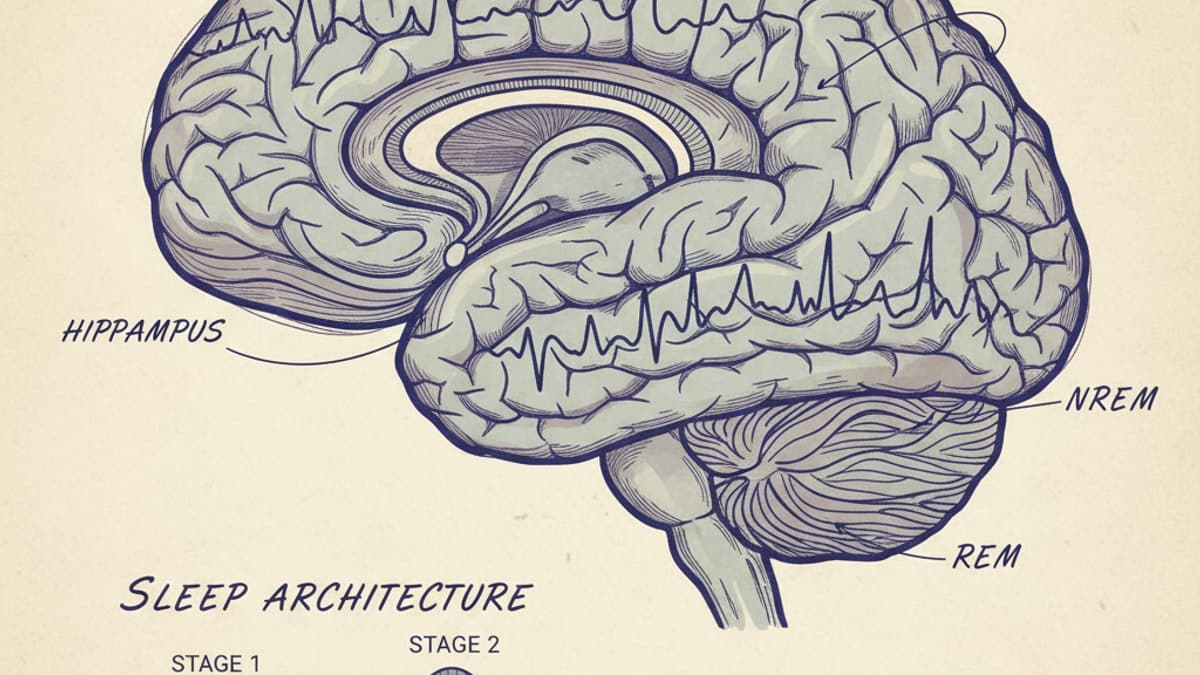
DSIP was discovered in 1977 by Swiss researchers studying sleep regulation peptides. Decades of research revealed broader mechanisms beyond its original

DSIP Safety Profile — What Research Shows | Real Peptides
DSIP demonstrates a remarkably benign safety profile in clinical trials, with minimal adverse events documented across doses spanning 0.5–25 nmol/kg.

What Is Delta Sleep Inducing Peptide? (DSIP Explained)
Delta sleep inducing peptide is a neuropeptide that modulates sleep architecture and stress response through hypothalamic pathways, not sedation.

How Long DSIP Vial Lasts — Storage & Stability Guide
Most peptide failures happen at the storage stage — not the injection stage. A single temperature excursion above 8°C can denature DSIP's protein structure entirely, turning what should be an effective research compound into an expensive saline injection with no activity remaining.

DSIP Chronic Pain — Research Insights | Real Peptides
DSIP chronic pain research shows delta sleep-inducing peptide modulates pain pathways through opioid receptor interaction and inflammation reduction

DSIP Stress Physiology — Peptide Research | Real Peptides
Most researchers still associate DSIP exclusively with sleep architecture — but its most compelling effects in animal models involve cortisol suppression and HPA axis regulation under acute stress. Remove the stress variable from DSIP research protocols, and you miss half the physiological picture.
Does DSIP Need Refrigeration? (Storage Facts) | Real
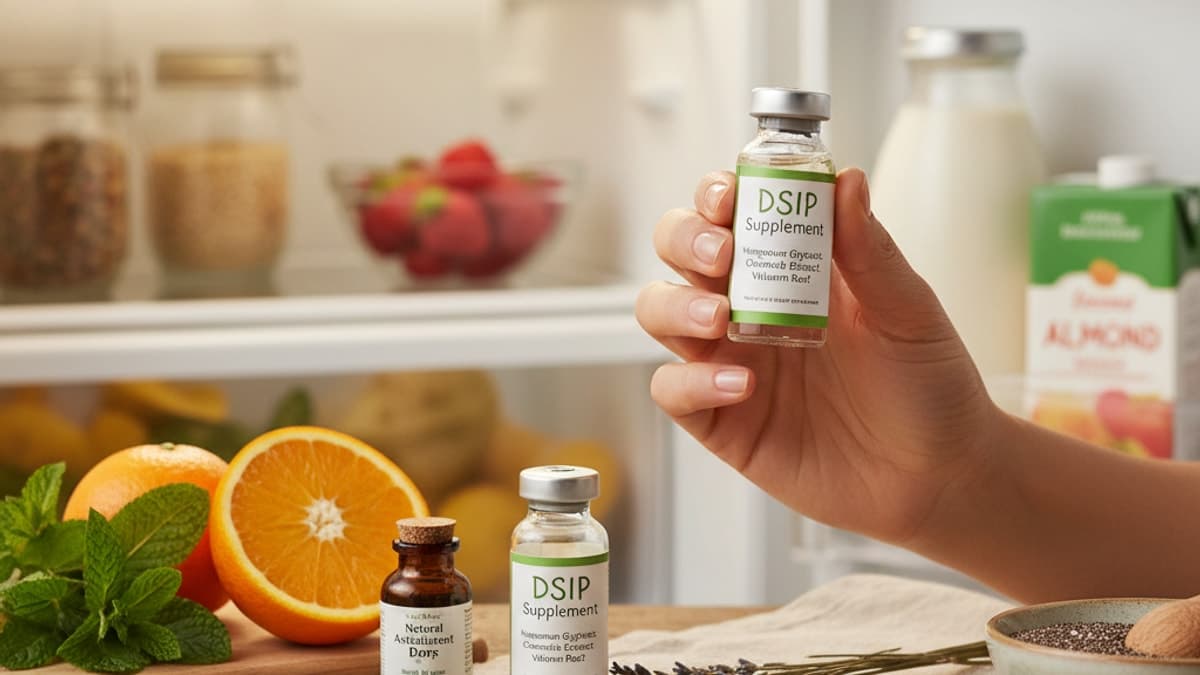
DSIP requires refrigeration after reconstitution — stored at 2–8°C, it remains stable for 28 days. Lyophilized powder tolerates room temperature

DSIP Oral Taste — What to Expect & Solutions
DSIP oral taste is intensely bitter and metallic, stemming from the peptide’s molecular structure. Learn why it tastes this way, how to manage it, and

DSIP Degradation Reconstituted — Stability Guide
DSIP degradation reconstituted depends on storage temperature, pH, and reconstitution technique — mishandling destroys peptide integrity within hours.

Buy Melatonin Online — Research-Grade Alternatives
Melatonin supplements dominate the sleep aid market, but the molecule itself is a peptide hormone with limited bioavailability when taken orally. Research-grade peptides offer deeper mechanisms for circadian, cellular, and pineal function studies that standard supplements can't replicate.

Melatonin Price — Cost Factors & Smart Buying | Real
The cheapest melatonin isn't always the best value — low prices often signal synthetic production shortcuts, inconsistent dosing, or filler ingredients that reduce bioavailability by 30% or more. Understanding what drives melatonin price helps you distinguish between genuine quality and clever packaging.

Melatonin for Sale — Research Quality Sources | Real
Melatonin for sale through reputable peptide suppliers offers research-grade purity for scientific study. Learn sourcing standards, quality markers, and

Best Melatonin Supplier — Research-Grade Quality | Real
Real Peptides leads research melatonin supply with exact synthesis, third-party purity testing, and consistent batch reliability. Small-batch production

How to Reconstitute Melatonin — Research Protocol
Reconstitute melatonin by adding bacteriostatic water to lyophilised powder using aseptic technique — temperature control and sterile handling determine
Melatonin Vial Size — Standard Formats for Research
Melatonin vial size typically ranges from 2mg to 10mg in lyophilised powder form, requiring reconstitution with bacteriostatic water for research use.

IGF-1 LR3 Cycle Length — Dosing Protocols | Real Peptides
IGF-1 LR3 cycle length typically runs 3–4 weeks with strategic rest periods. Understand half-life mechanics, receptor downregulation, and protocols that

Is IGF-1 LR3 Legal? (Regulatory Status Explained)
IGF-1 LR3 is not FDA-approved for human use and remains illegal to sell as a dietary supplement or human pharmaceutical. Here’s the full regulatory

IGF-1 LR3 Half Life — Stability & Dosing Insights
IGF-1 LR3 isn't just a modified peptide—it's a structural redesign that turns a 10-minute biological signal into a 20-30 hour sustained anabolic cascade. That single amino acid substitution and N-terminal extension fundamentally changes how researchers dose, store, and interpret results.
IGF-1 LR3 Storage — Best Practices | Real Peptides
IGF-1 LR3 storage demands refrigeration at 2–8°C post-reconstitution and freezing at −20°C before mixing. Temperature excursions denature the peptide

IGF-1 LR3 Contraindications — Safety Risks | Real Peptides
IGF-1 LR3 contraindications include active malignancies, diabetic retinopathy, and pediatric use. Learn which conditions prohibit use and why screening

IGF-1 LR3 Oral vs Injectable — Which Form Works?
Most researchers don't realize that oral IGF-1 LR3 compounds face near-complete gastric degradation before reaching systemic circulation — the peptide bond structure breaks down at stomach pH levels below 3.5, rendering the compound biologically inactive before it can bind to target receptors.

IGF-1 LR3 for Recovery — Mechanisms & Research Insights
IGF-1 LR3 for recovery accelerates tissue repair through prolonged receptor activation and enhanced protein synthesis across multiple cell types.

IGF-1 LR3 for Fat Loss — Research-Grade Guide
IGF-1 LR3 for fat loss works through enhanced lipolysis and muscle retention during caloric deficit — mechanisms, dosing protocols, and research insights.

Cerebrolysin Results Timeline — What to Expect | Real
Cerebrolysin results timeline varies by indication: cognitive improvements emerge at 10–14 days, motor recovery at 3–4 weeks, neuroprotection is immediate
Is Cerebrolysin Legal? (Regulatory Status Explained)
Cerebrolysin legal status varies by jurisdiction: prescription-only in most countries, FDA-unapproved in the U.S., available through research channels

Cerebrolysin Research Review — Evidence & Insights
Cerebrolysin research review: neuroprotective peptide with mixed clinical outcomes. Stroke recovery shows promise, Alzheimer’s data inconsistent. What the

Cerebrolysin Half Life — Pharmacokinetics Explained
Most researchers assume Cerebrolysin requires daily administration because peptides 'clear quickly' — but the therapeutic window doesn't correlate directly with plasma half-life. The active neuroprotective metabolites persist in cerebrospinal fluid far longer than the parent compound circulates in blood.
Cerebrolysin Storage — Protect Peptide Potency | Real
Cerebrolysin storage requires strict refrigeration at 2-8°C to maintain neuroprotective peptide integrity. Temperature excursions denature proteins,

Cerebrolysin Cycle Length — Timing Protocols | Real Peptides
Standard cerebrolysin cycles don't just stop working after a certain point — they require structured rest periods because continuous use saturates neurotrophic signaling pathways. Without the 60–90 day washout period between cycles, receptor sensitivity decreases and cognitive gains plateau or reverse entirely.

Cerebrolysin for Women — Cognitive Research Insights
Cerebrolysin for women shows promise in neuroprotection and cognitive research, with sex-specific metabolic and hormonal factors influencing outcomes.

Stop Taking Cerebrolysin — Safe Taper Protocol
Most researchers assume you can stop taking Cerebrolysin abruptly without consequence — yet abrupt discontinuation after extended cycles can trigger transient cognitive dips lasting 2–4 weeks. The peptide's neuroprotective effects don't vanish instantly, but adaptation patterns matter more than most protocols acknowledge.

Cerebrolysin Contraindications — Safety Guide
Cerebrolysin contraindications include acute renal failure, epilepsy, allergic diathesis, and pregnancy — critical exclusions often omitted from general
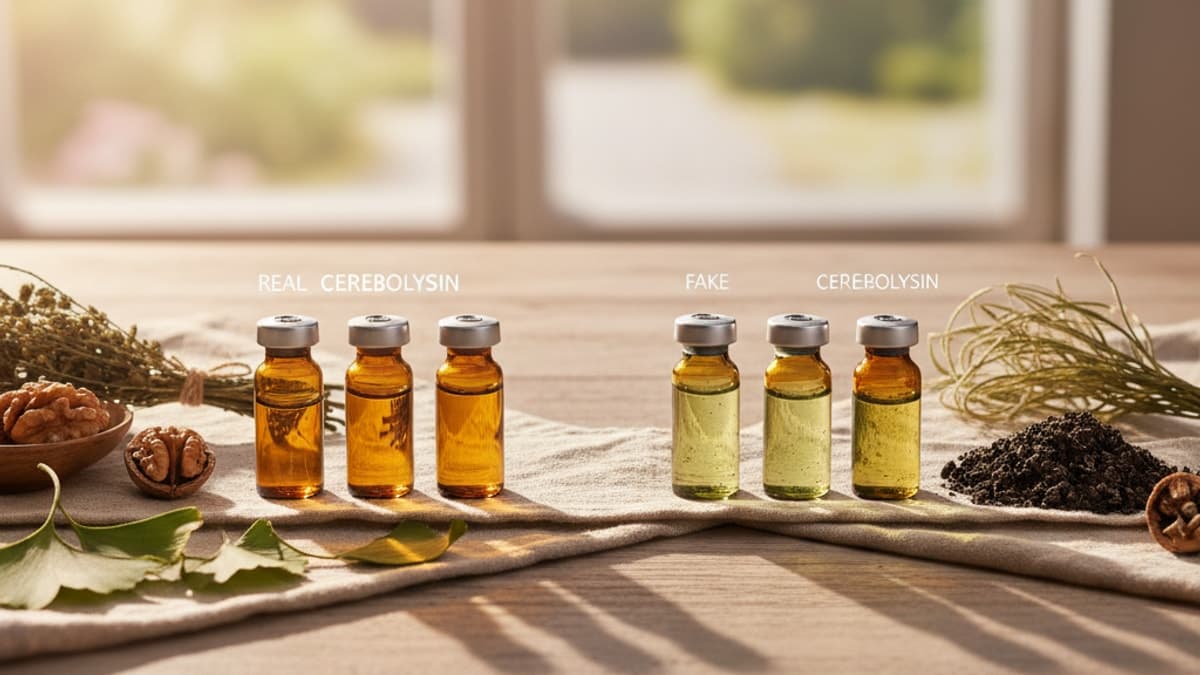
Cerebrolysin Quality Real vs Fake — Sourcing Guide
Cerebrolysin quality real vs fake hinges on batch verification, cold-chain integrity, and pharmacy source. Learn the lab tests and visual markers that

Cerebrolysin Interactions — Drug Conflicts Explained
Most researchers worry about Cerebrolysin's neurotrophic effects — but the silent risk sits in drug interaction profiles that protocol designers overlook. Combine it with the wrong compound at the wrong dose interval, and you don't just lose efficacy — you introduce safety signals that derail entire study cohorts.

Cerebrolysin for Stroke Recovery — Real Peptides
Most stroke patients regain less than 60% of lost motor function within the first six months — not because they didn't try hard enough, but because the brain's endogenous repair mechanisms plateau long before recovery is complete. Cerebrolysin changes that trajectory by activating neurotrophic pathways conventional therapy can't touch.

Cerebrolysin Before and After — Real Peptides
Cerebrolysin before and after studies show measurable cognitive and neuroprotective changes. Learn what research reveals about outcomes, timelines, and

Cerebrolysin for Neurotrophic Support — Real Peptides
Cerebrolysin isn't just another nootropic peptide — it's a complex mixture of neurotrophic factors extracted from porcine brain tissue that mimics BDNF signaling pathways most synthetic peptides can't replicate. Remove neurotrophic support and neuronal repair mechanisms stall.

Cerebrolysin for TBI Support — Research Insights
Cerebrolysin for TBI support acts through neurotrophic mechanisms shown to improve cognitive recovery in clinical trials—here’s the molecular pathway

Cerebrolysin for Brain Injury — Research Applications
Cerebrolysin for brain injury supports neuroprotection through multiple pathways including neurotrophic activity and anti-inflammatory signaling.
Cerebrolysin BDNF-like Activity — Mechanism Explained
Cerebrolysin BDNF-like activity mimics brain-derived neurotrophic factor through peptide fractions that activate TrkB receptors and promote

What Is Cerebrolysin? (Neuropeptide Mechanism) — Real
Cerebrolysin is a porcine-derived neuropeptide preparation mimicking neurotrophic factors. Learn its mechanisms, clinical use, and lab research

Cerebrolysin Oral vs Injectable — Real Peptides
Cerebrolysin oral vs injectable isn’t a fair comparison—oral forms don’t survive digestion. Only injectable delivery maintains the bioactive peptide

Cerebrolysin Safety Profile — Clinical Insights | Real
Cerebrolysin safety profile includes mild injection site reactions and rare headaches, with decades of clinical use showing favorable tolerability across

Cerebrolysin FAQ — Real Answers | Real Peptides
Cerebrolysin FAQ answers storage, dosing, and mechanism questions with clinical detail. What researchers need before starting peptide protocols.

Cerebrolysin History — Origin & Clinical Evolution
Cerebrolysin history spans 70+ years from Austrian neuroscience labs to modern neuroprotective research—discover its pharmacological evolution and

Cerebrolysin Clinical Trials 2026 — Real Peptides
Cerebrolysin clinical trials 2026 explore neuroprotective efficacy in stroke, TBI, and cognitive impairment with Phase III data showing measurable

Cerebrolysin Vascular Dementia — Research Insights
Cerebrolysin isn't a cure for vascular dementia — but preclinical models suggest this peptide mixture may influence neuroplasticity, cerebral perfusion, and neuronal survival in ways standard pharmacotherapy doesn't address. The evidence is complex, the mechanisms are multi-targeted, and the clinical picture is far from settled.

Can You Take Cerebrolysin Daily? (Dosing Science)
You can take Cerebrolysin daily during treatment cycles, but continuous daily use isn’t standard practice — protocol follows injection schedules with

Cerebrolysin Alzheimer’s Disease — Research Peptide Insights
Cerebrolysin Alzheimer’s disease research focuses on neuroprotective peptide mechanisms targeting cognitive decline through neurotrophic factor modulation