
Beginner's guide
How to buy peptides: a beginner's guide
Everything a first-time buyer needs — what these compounds are, how to tell a real supplier from a reseller, what you'll need besides the peptide itself, and how to claim your first-order discount.
Written by the Real Peptides team · Updated August 2026 · 9 min read
Short answer
Buy from a supplier that publishes third-party lab results for the specific batch you're receiving. Check the purity figure, which laboratory ran it, and the test date. You'll also need bacteriostatic water — peptides ship as a dry powder and can't be used until they're mixed.
1. What research peptides actually are
A peptide is a short chain of amino acids — the same building blocks that make up proteins, just far fewer of them. Where a protein might be hundreds of amino acids long, most research peptides are somewhere between four and forty.
That short length is the point. Each sequence tends to interact with one specific biological pathway rather than many, which is why they're used in laboratory research: a researcher can study one mechanism at a time without the noise of a broader compound.
They arrive as a lyophilised — freeze-dried — white powder in a sealed glass vial. In that state they're stable for a long time. Once mixed with liquid, the clock starts.
The legal position, plainly
These are research chemicals, sold for laboratory use only, to buyers 21 and over. They are not approved drugs, dietary supplements, or cosmetics, and they are not for human or animal consumption. Any reputable supplier will state this clearly rather than hint around it — if a site is coy about it, that tells you something about the rest of their operation.
2. How to spot a legitimate supplier
This category has a wide quality range. A meaningful share of what's sold online is repackaged material of unknown origin, with a purity claim printed on the label and nothing behind it. Four things separate a real supplier from a reseller:
- They publish third-party lab results, per batch. Not a generic certificate from years ago — results for the material currently shipping, with the laboratory named and the test date visible.
- They name the laboratory. "Independently tested" means nothing if the lab is anonymous. Ours are Freedom Diagnostics and Kovera, and you can look them up.
- They hold their own inventory. Drop-shippers never touch the product, which means they can't verify it either. Ask where it ships from.
- They publish the real number. Anyone can round 98.6% up to "99%+". A supplier confident in their material shows the exact figure.
The purity claim on the label is the easiest thing in this industry to fake. The lab report is the hard part — which is exactly why it's the thing worth checking.
3. How to read a lab report
Most people skip this because it looks like it requires a chemistry background. It doesn't. There are four things on a certificate of analysis worth understanding, and once you know them you can evaluate any supplier in about thirty seconds.
Example lab report
What a certificate covers
Freedom Diagnostics or Kovera · dated to the batch
Purity, measured by HPLC
This graph is called a chromatogram. The tall peak is the compound you're buying. The small bumps are everything else in the vial. Purity is simply the tall peak measured as a percentage of the total — so a taller, cleaner peak with smaller bumps is what you want.
Is it the right compound?Mass spectrometry compares the molecular weight against a known reference. "Conforms" means it is what the label says it is — this is the test that catches outright substitution.
How pure is it?Measured by HPLC. Above 98% is high grade. Below that, you're paying for filler. Watch for suppliers quoting a specification ("not less than 98%") rather than the actual result.
Does the vial contain what it claims?A 10mg vial should weigh in at 10mg or slightly over. Underfilling is common and rarely disclosed.
Is it clean?Sterility, endotoxins and heavy metals. These are the tests cheap suppliers skip because each one costs money and none of them appear on the label.
The thirty-second check
Find the purity figure. Find the laboratory's name. Find the test date. If any of the three is missing, vague, or older than the batch you're being sold — that's your answer.
4. What you need for a first order
Two things, and the second one catches almost everybody.
1
The peptide itself
Sold by vial, sized in milligrams. A 10mg vial is the standard starting size for most compounds.
2
Bacteriostatic water
Sterile water containing 0.9% benzyl alcohol, which keeps the solution stable after mixing. Peptides ship as a dry powder and cannot be used until reconstituted. One 10ml vial covers several compounds. If your cart doesn't have one, we'll flag it at checkout.
Some people also pick up sterile syringes for measuring and transferring. We don't sell those, and any pharmacy will have them.
5. Storing and handling
Storage is where most material gets ruined, and it happens invisibly — a degraded vial looks exactly like a good one.
- Unopened vials go in the freezer. Dry powder is stable for a long time at −20°C, kept dry and out of light.
- Once mixed, refrigerate. Between 2 and 8°C, and use within about 30 days.
- Add water slowly, down the side of the vial. Squirting it directly onto the powder causes foaming, and foaming damages the peptide. Swirl gently to dissolve. Never shake.
- Heat is the enemy. Reconstituted material left warm for more than a few hours has likely degraded, and there's no way to tell by looking. If it's been out, replace it.
Each product page carries storage detail specific to that compound.
6. Where most people start
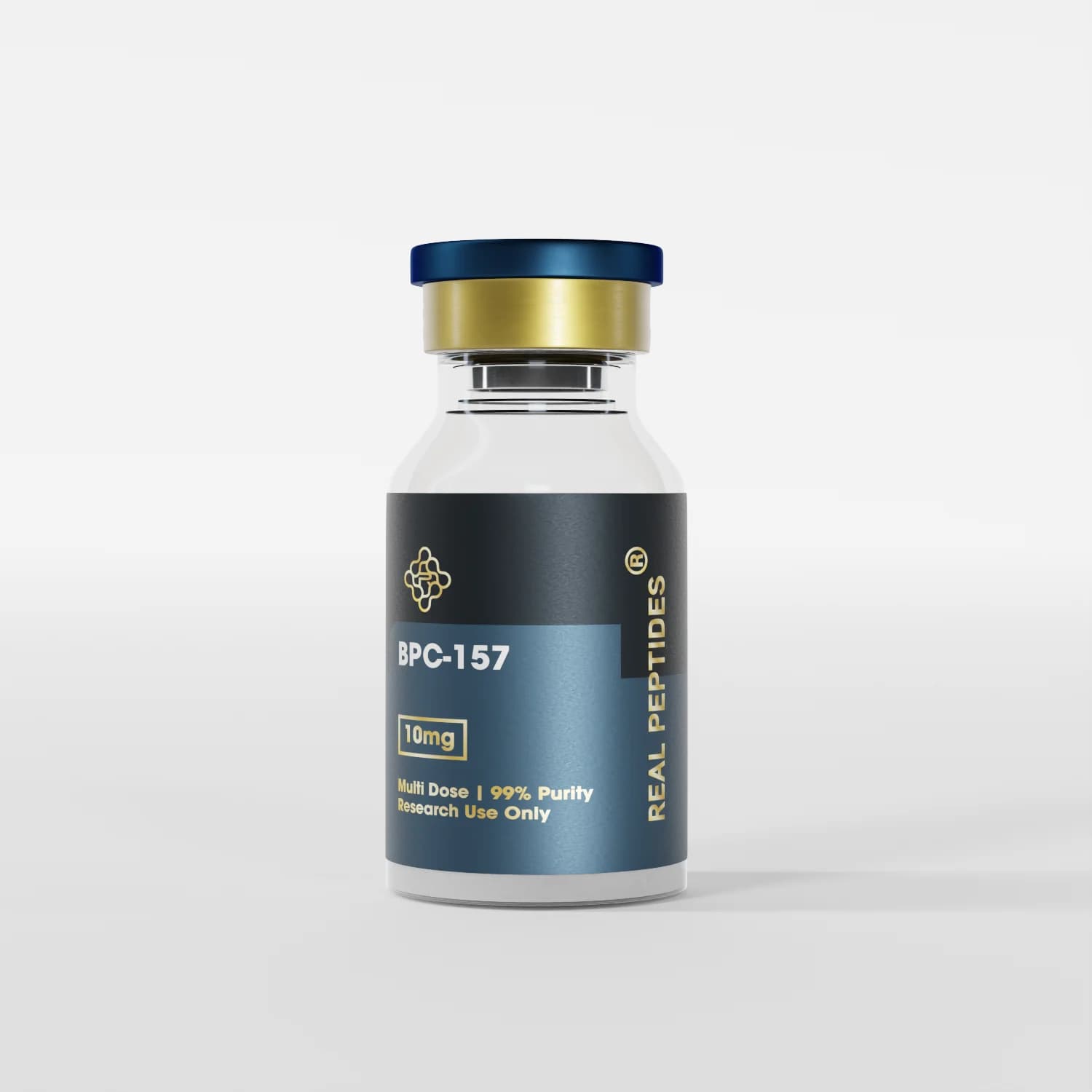
There's no such thing as a “beginner peptide” — these are all research compounds and none is inherently gentler than another. But some come up far more often than others because the published research on them is deeper. These four account for most first orders:
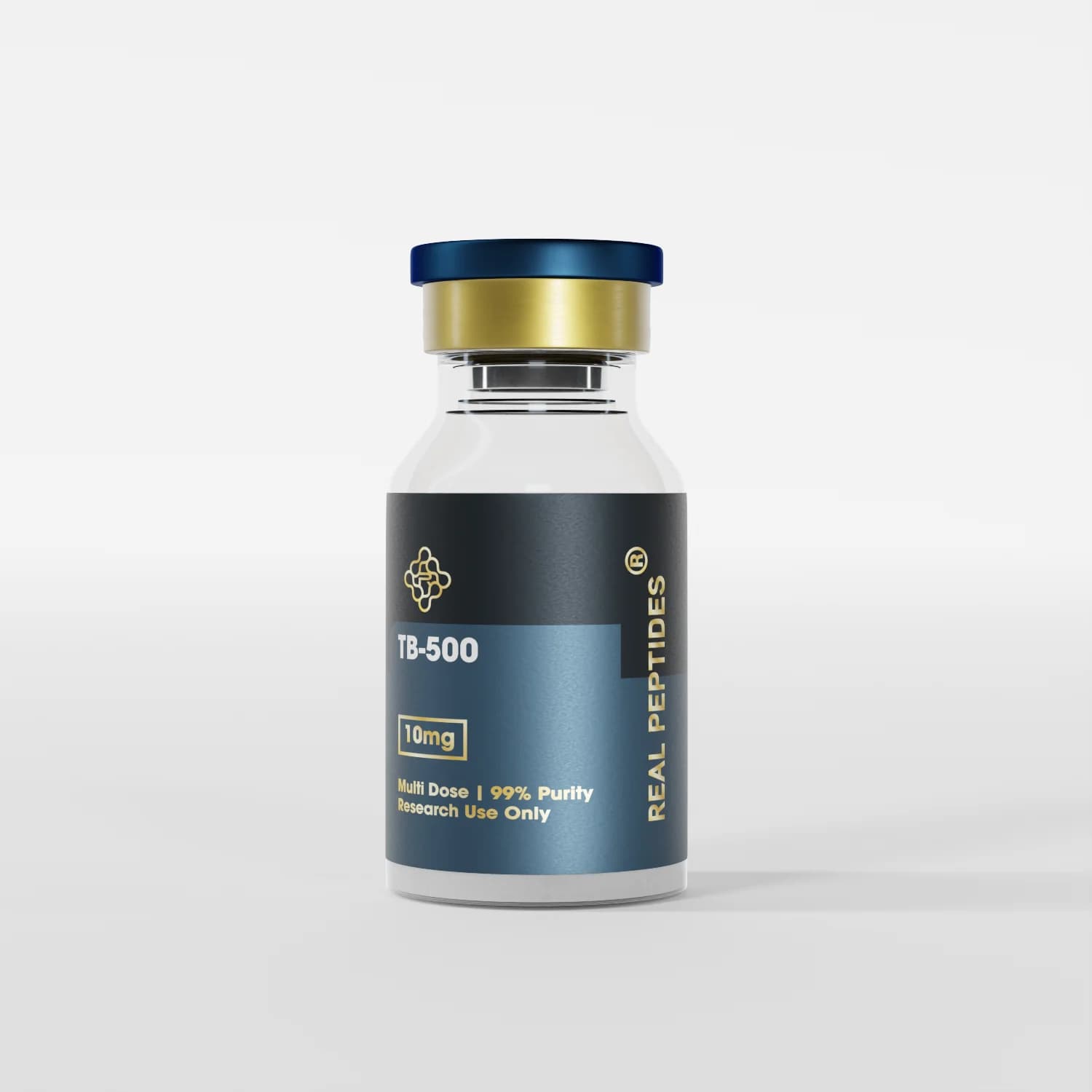
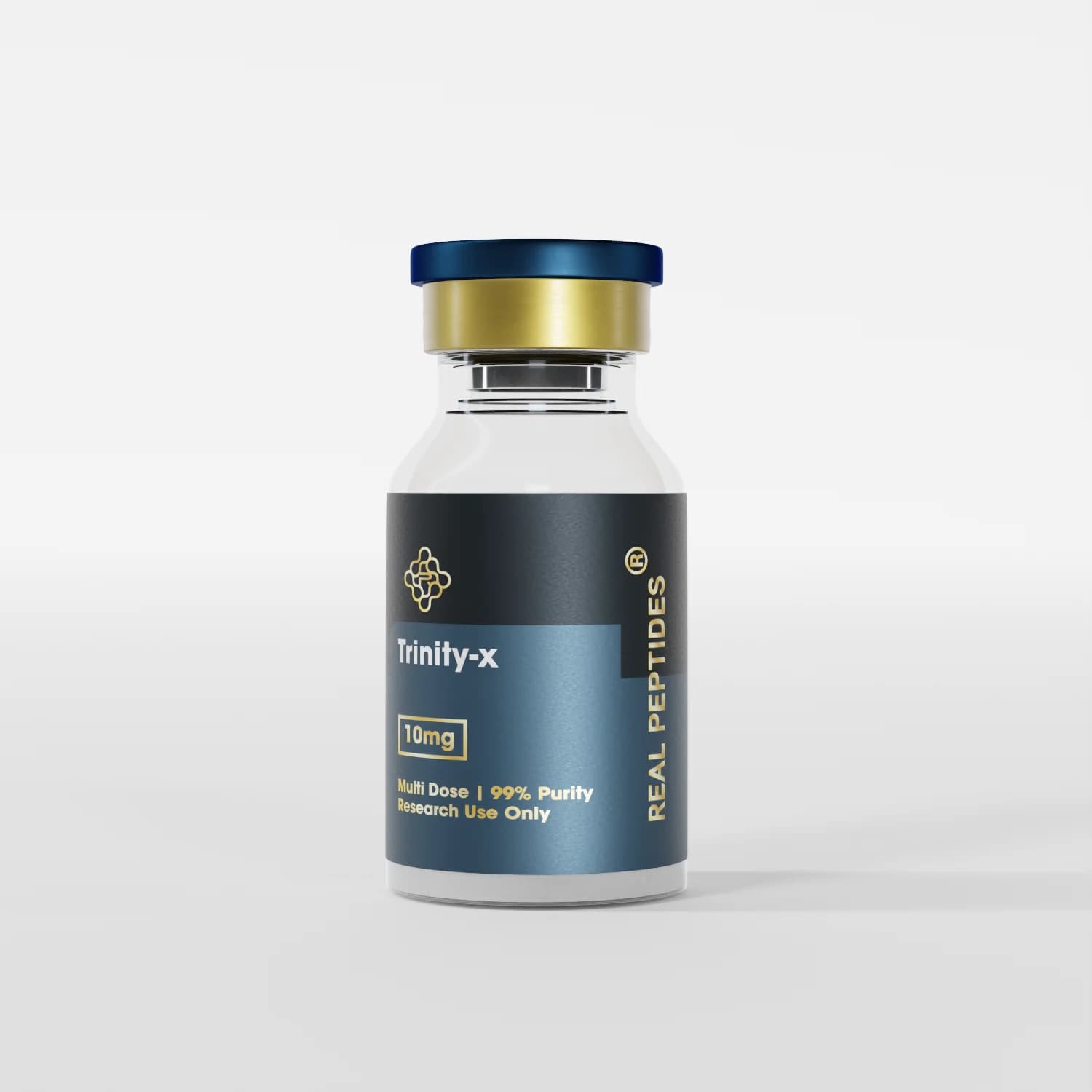
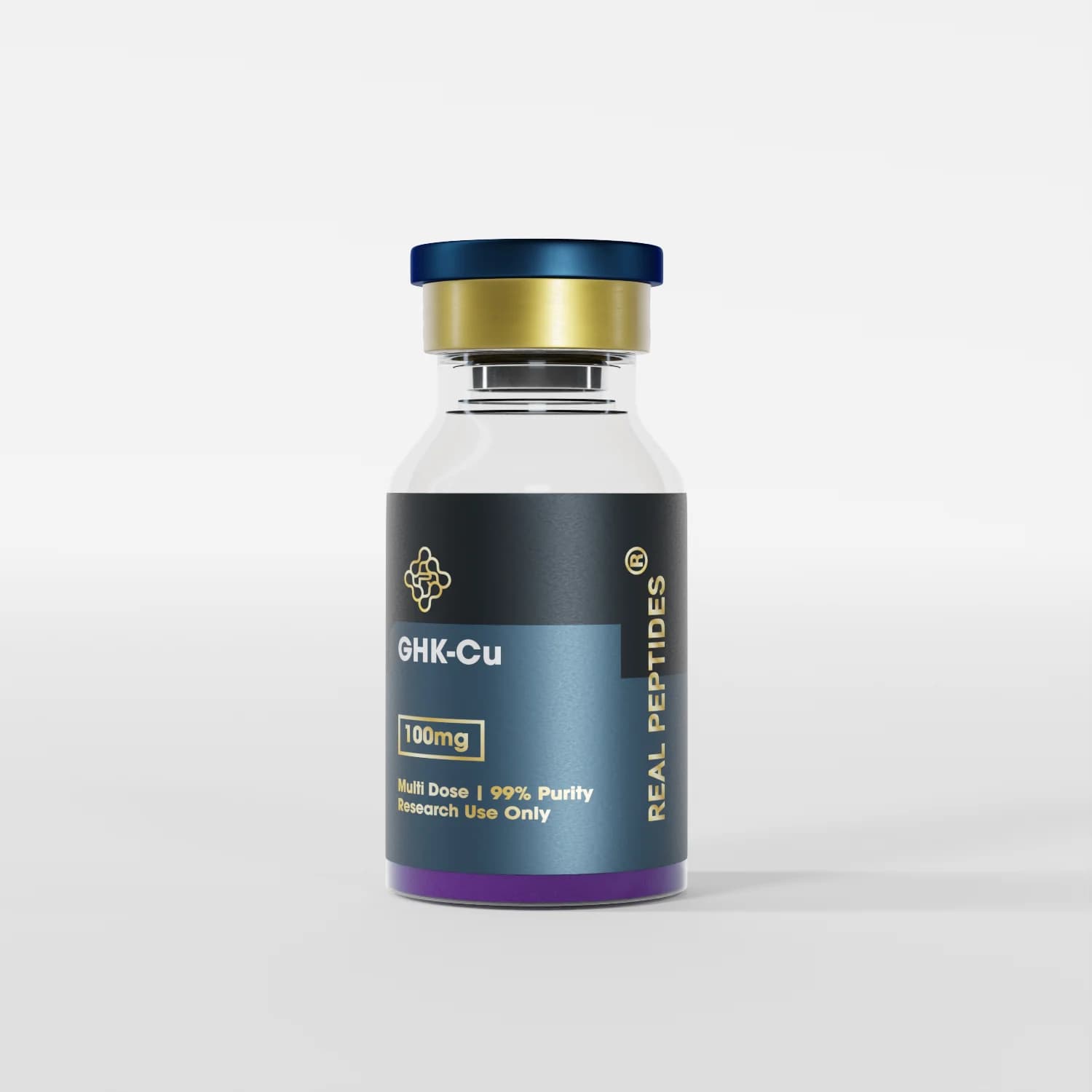
Browse the full catalog of 70compounds →
Common questions
No. These are research chemicals, not prescription medications, and they are sold for laboratory use only to buyers aged 21 and over. They are not approved drugs and are not for human or animal consumption.
It is the proportion of material in the vial that is the compound itself, measured by high-performance liquid chromatography at an independent laboratory. The remainder is trace manufacturing residue. Above 98% is considered high grade. We publish the exact figure for every batch rather than rounding it upward.
Peptides are shipped freeze-dried as a powder, which is how they stay stable in transit and storage. They cannot be used in that form. Bacteriostatic water is sterile water containing 0.9% benzyl alcohol, which keeps the solution stable for roughly 30 days after mixing.
Research use only. Products sold on this site are for laboratory research exclusively. They are not drugs, dietary supplements, or cosmetics, and are not intended for human or animal use, diagnosis, treatment, cure, or prevention of any disease. Nothing on this page has been evaluated by the FDA.


