Ships within 24 hours on business days · +10% with Bank Pay
Ships within 24 hours on business days· +10% with Bank Pay•Ships within 24 hours on business days· +10% with Bank Pay•Ships within 24 hours on business days· +10% with Bank Pay•Ships within 24 hours on business days· +10% with Bank Pay•Ships within 24 hours on business days· +10% with Bank Pay•Ships within 24 hours on business days· +10% with Bank Pay•Ships within 24 hours on business days· +10% with Bank Pay•Ships within 24 hours on business days· +10% with Bank Pay•
1 / 7
Verified Lab Results
Finished in the USA
Research Use Only
Gastrointestinal & Epithelial Research · Popular Peptides
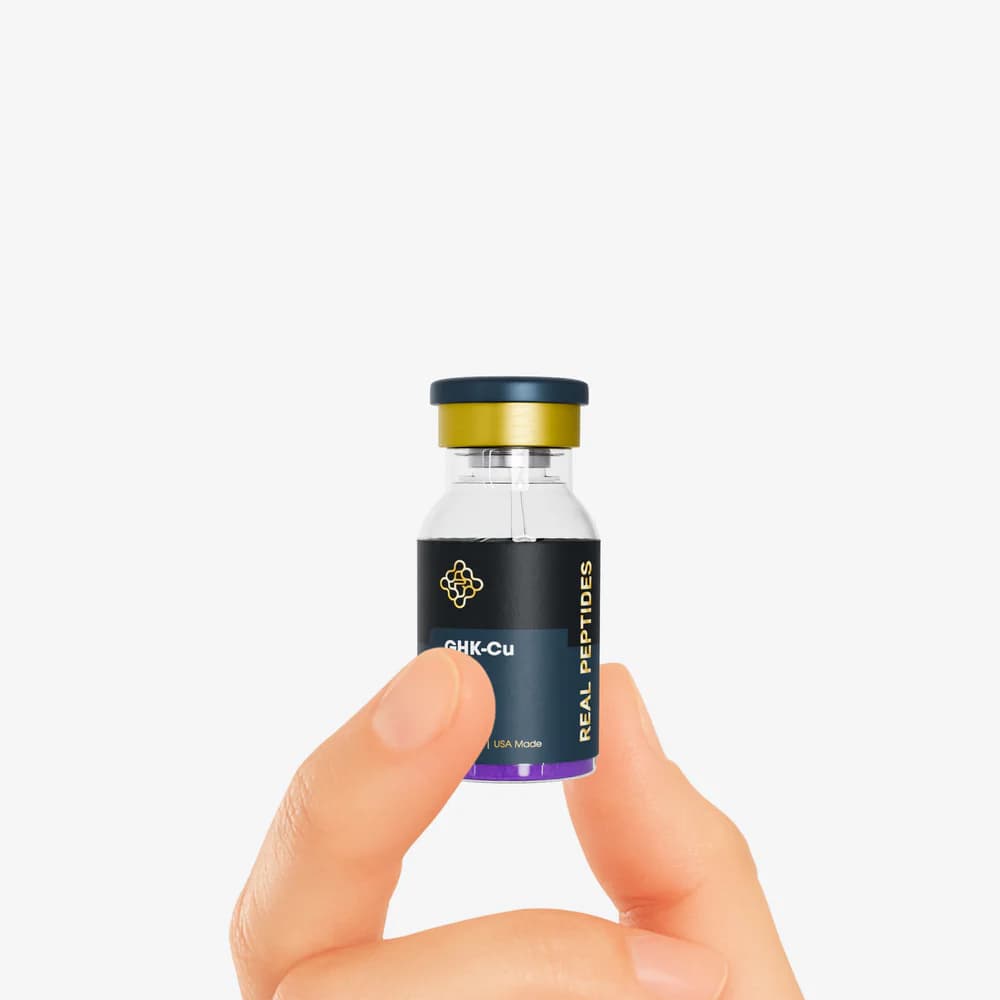
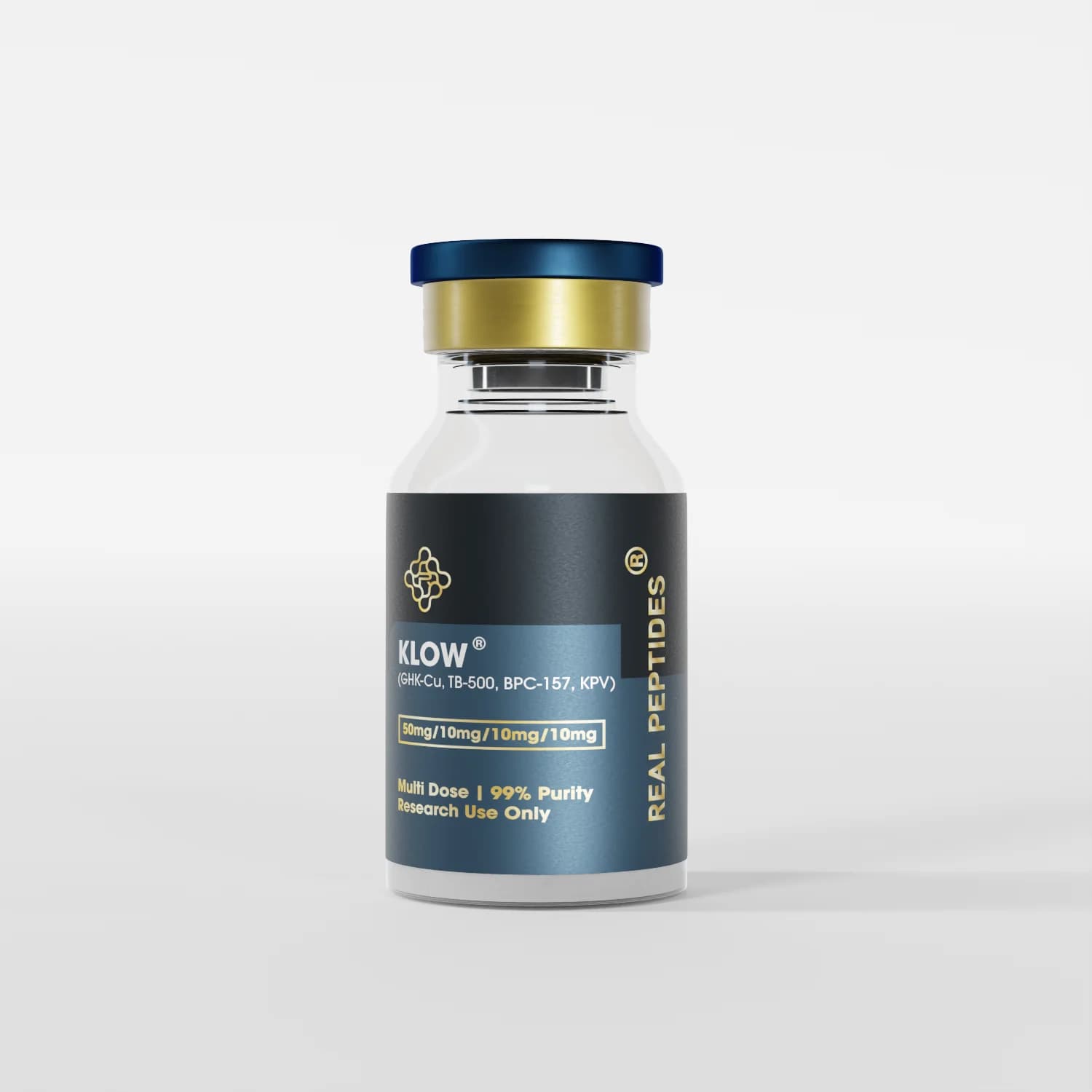
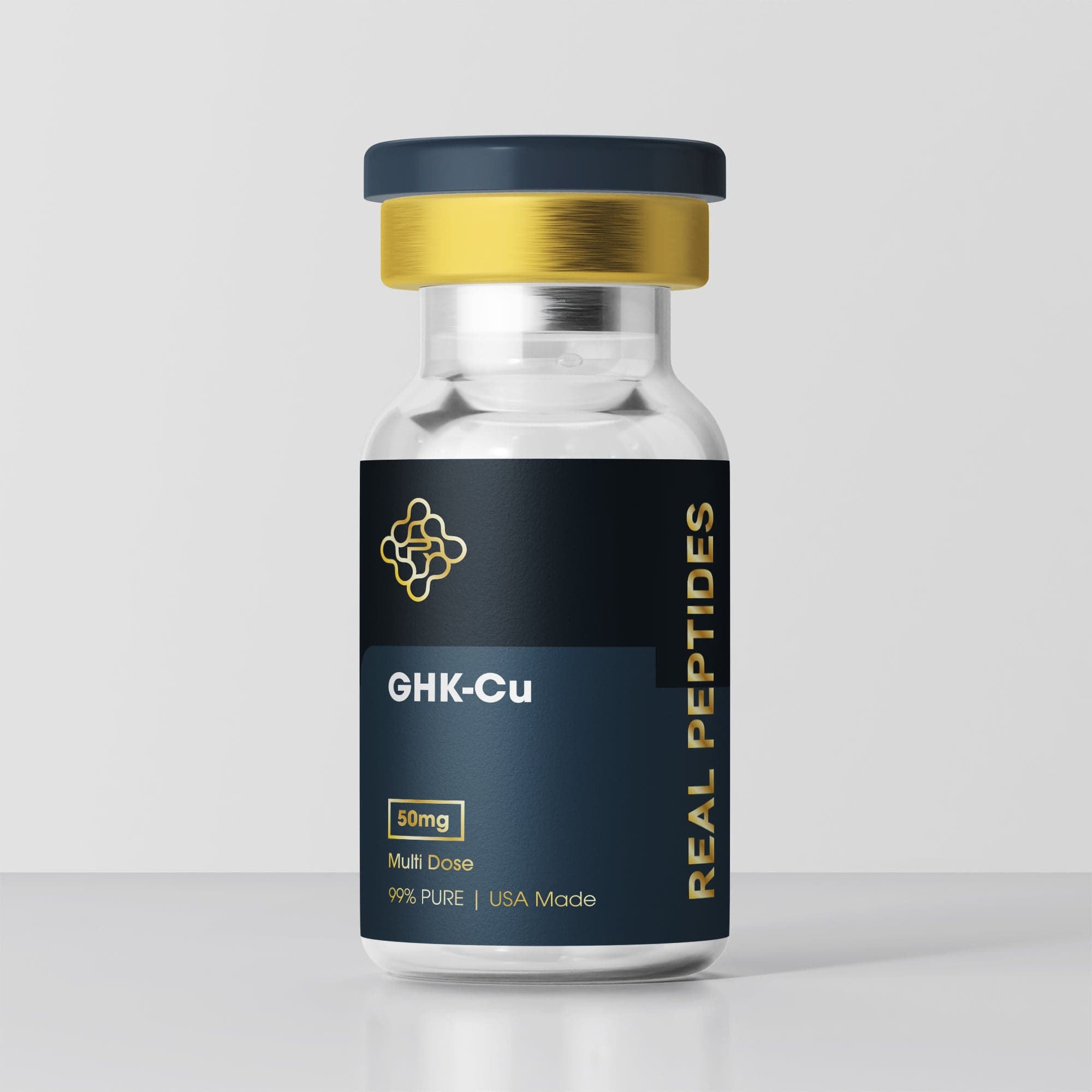
GHK-Cu is a copper-chelated tripeptide — glycyl-L-histidyl-L-lysine complexed with copper(II) — synthetically manufactured as an analogue of a sequence first identified in human plasma. In laboratory settings it is used as a reference compound in cell- and tissue-model work on extracellular matrix remodeling, collagen-related signaling, angiogenesis assays, and follicular research.
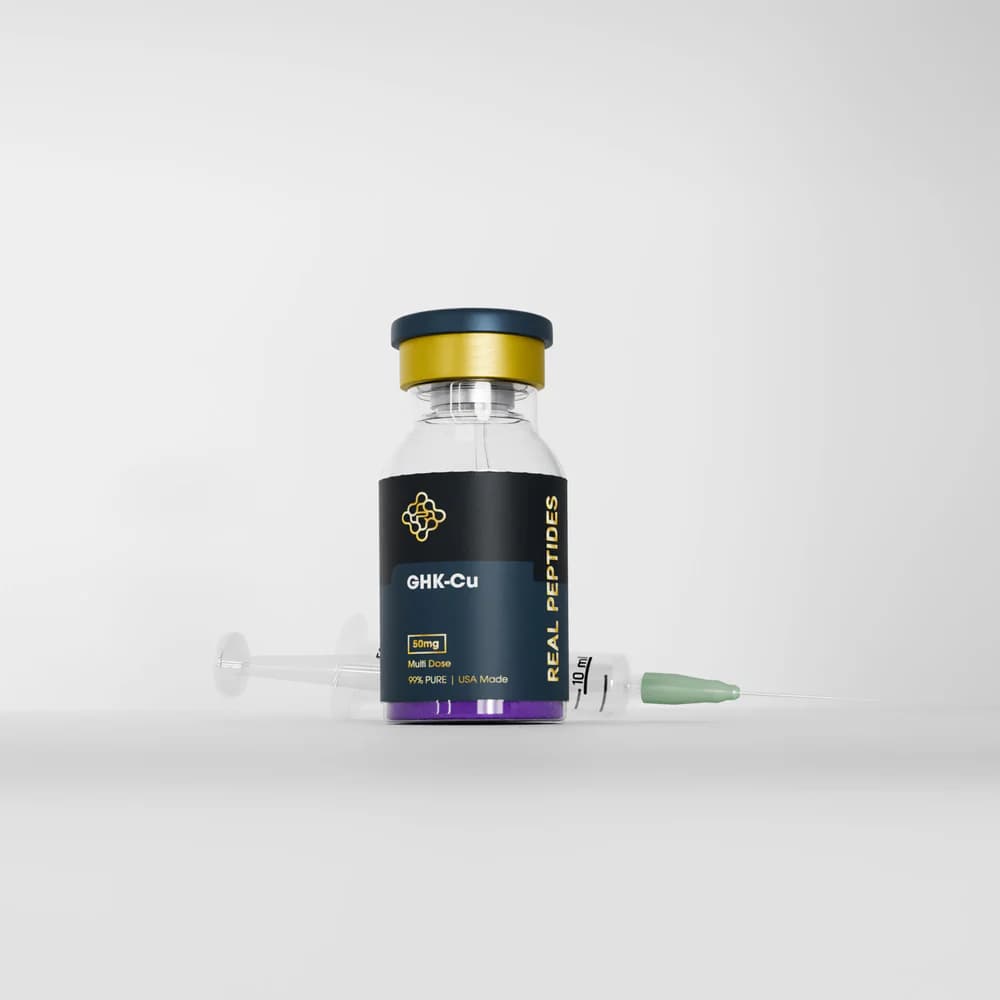
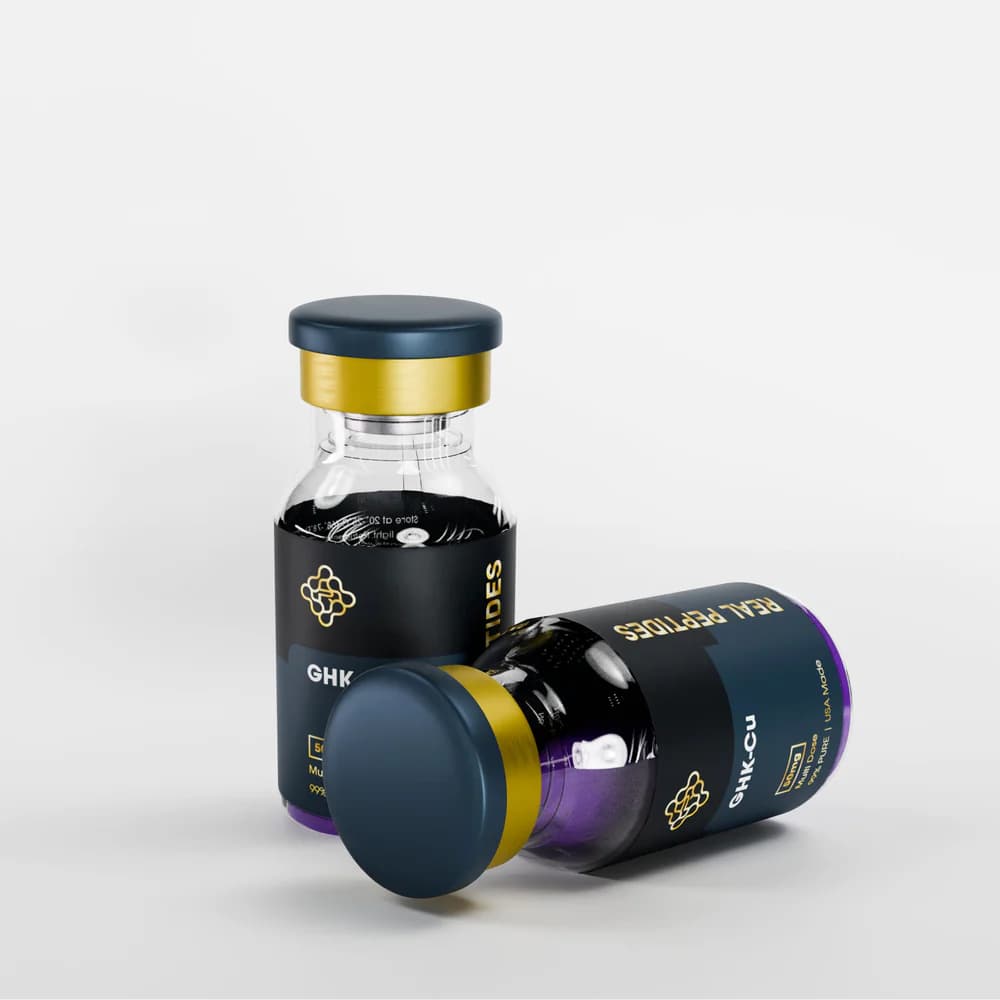
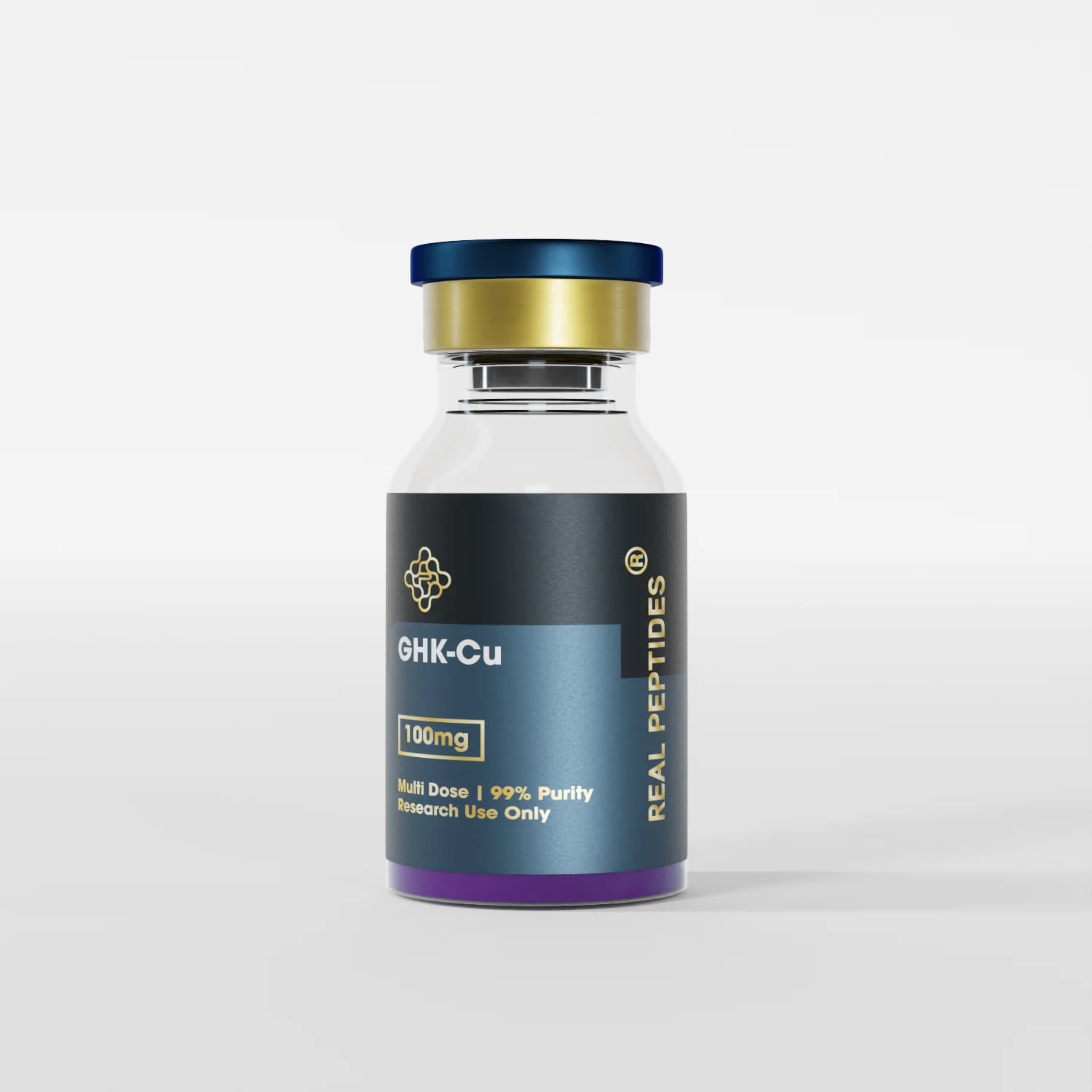
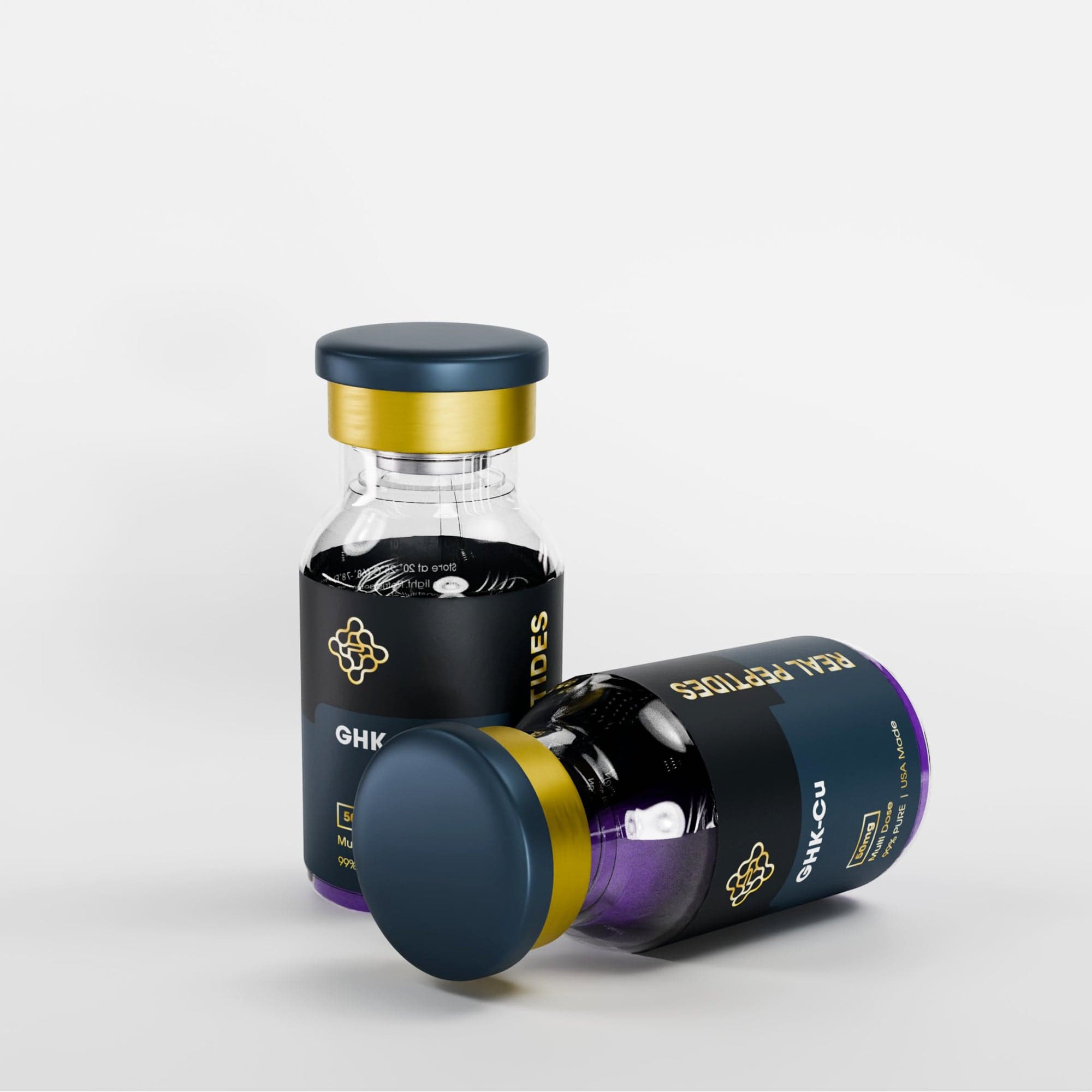
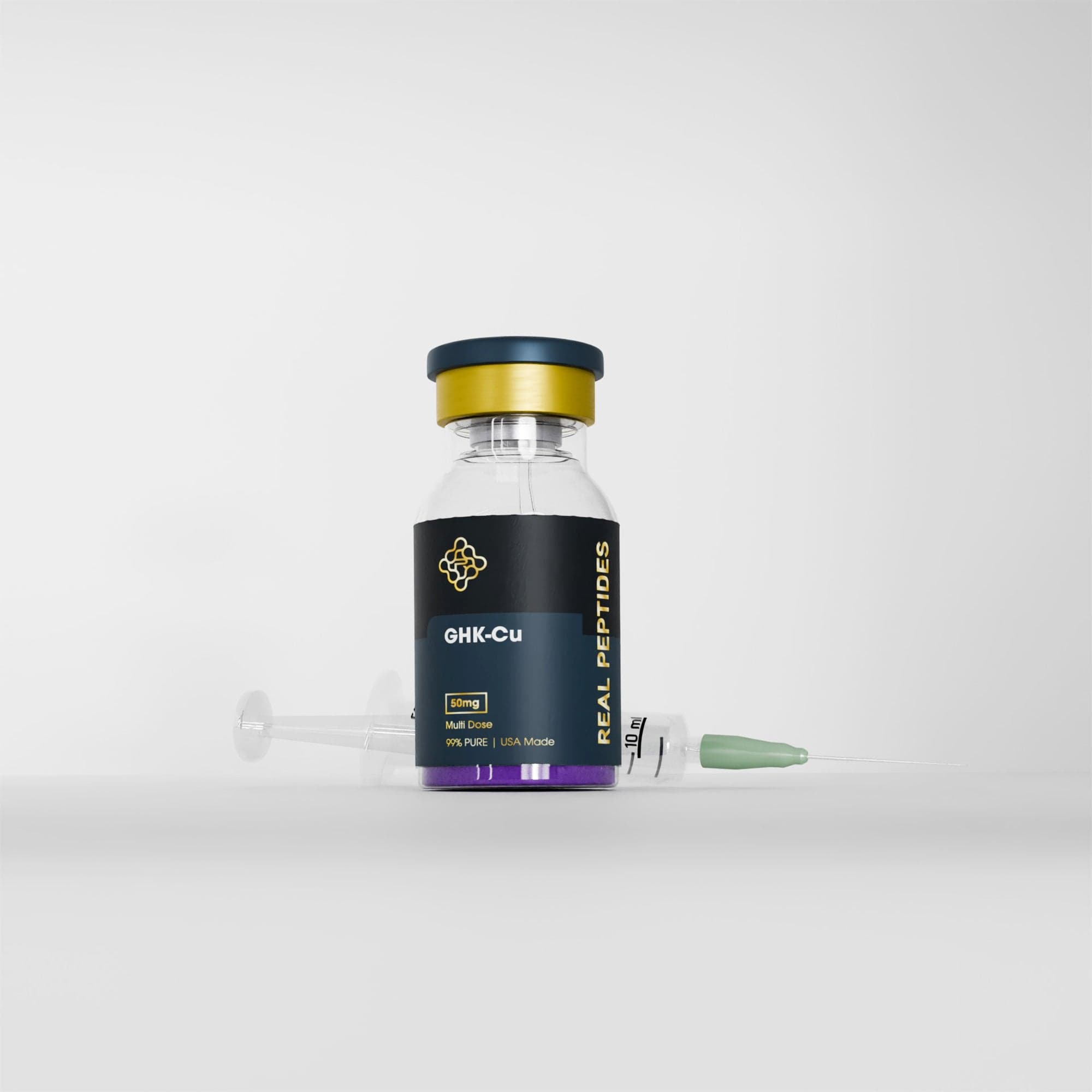
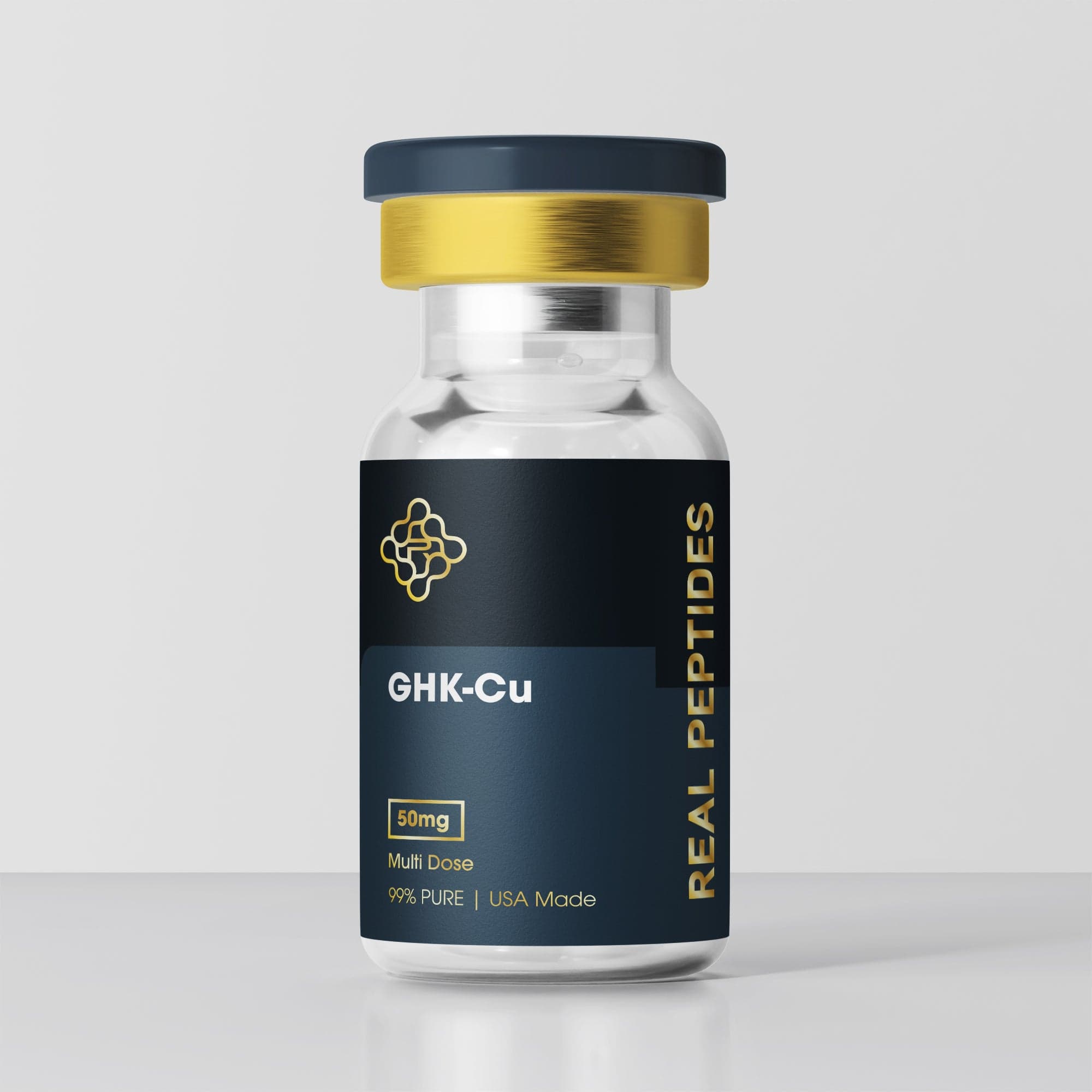
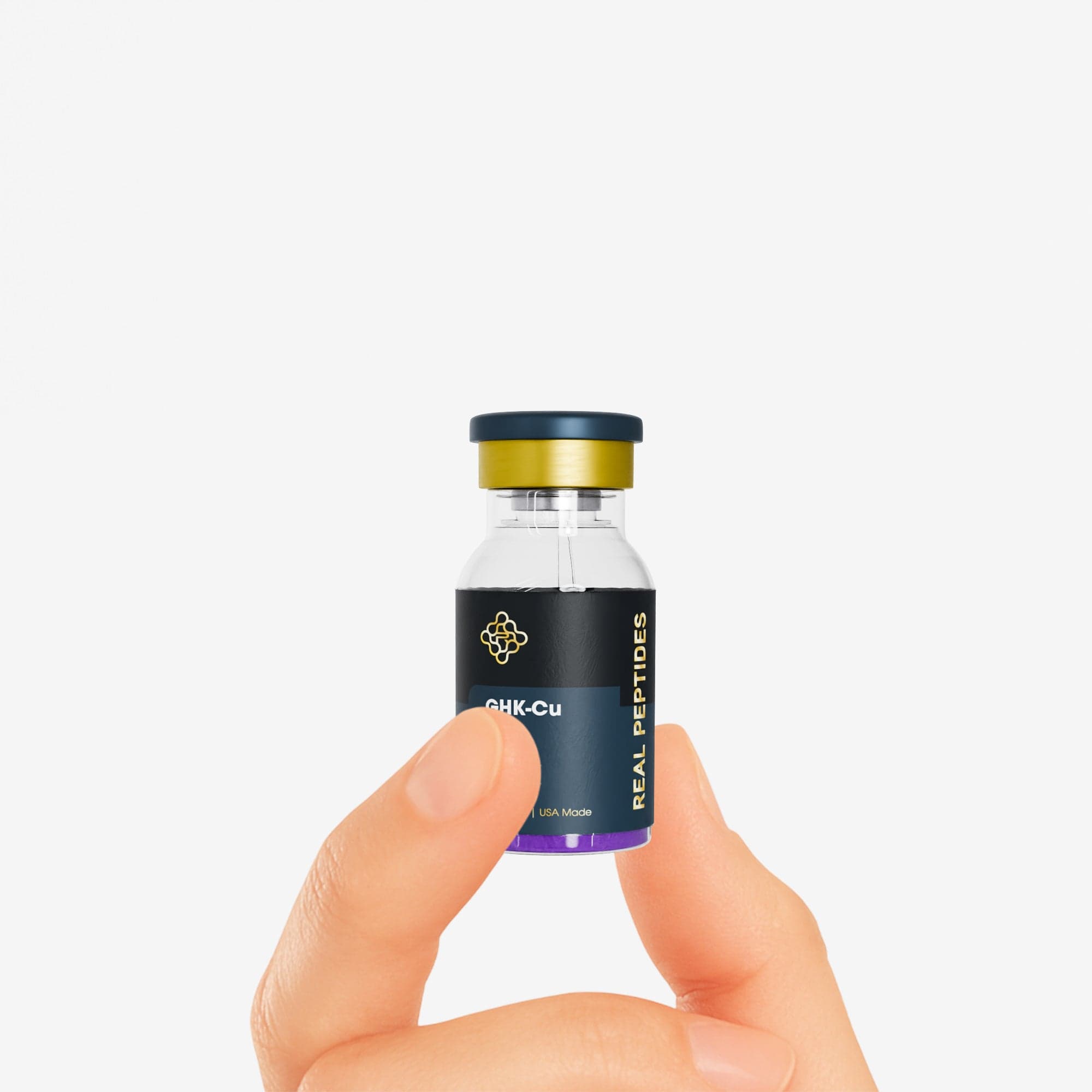
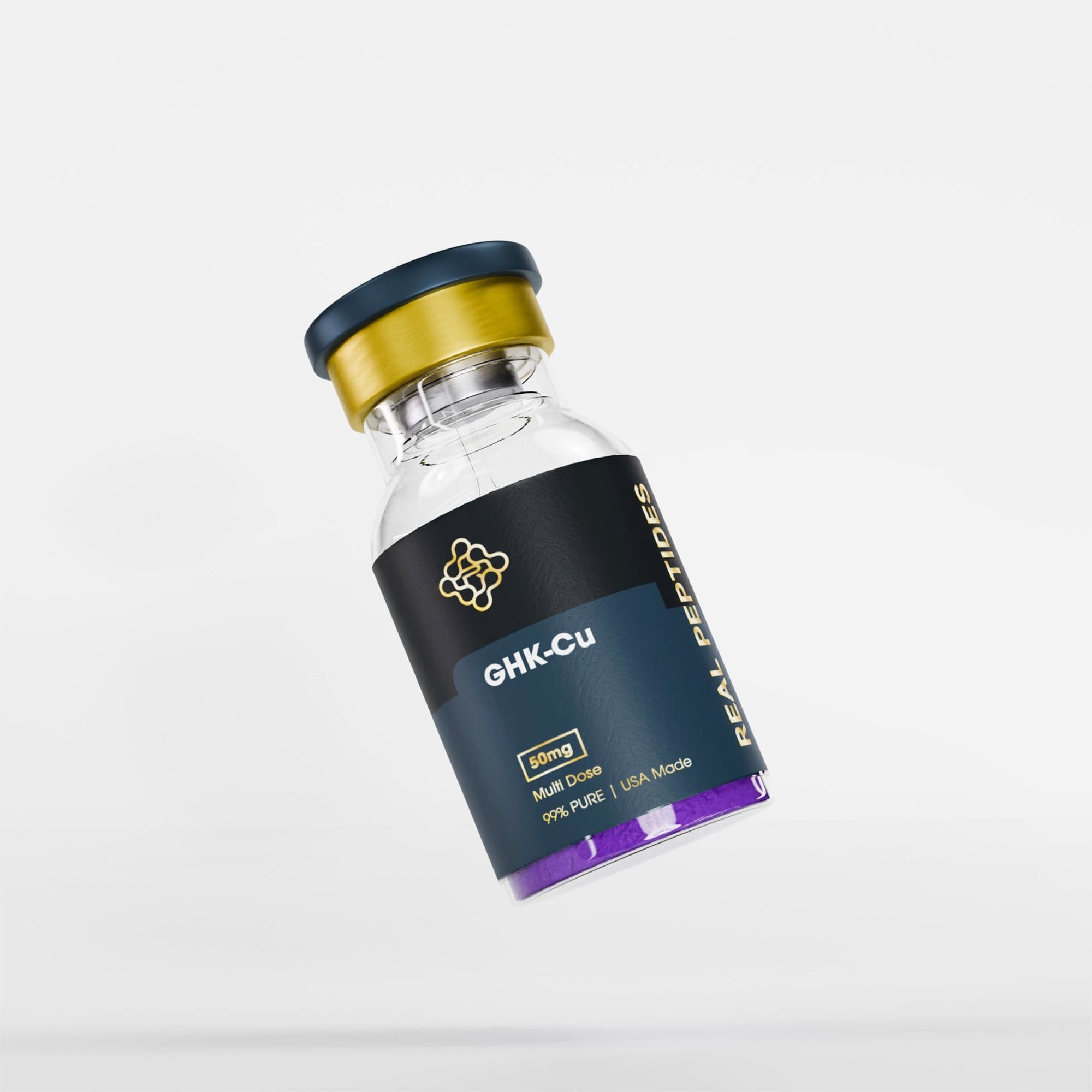
Real Peptides supplies GHK-Cu as a 50mg multi-dose vial of lyophilized powder, finished in the USA. Every batch is analyzed by an independent laboratory, and the certificate for the current lot is published on the lab results page so it can be reviewed before purchase. Orders ship from the Florida or California facility within 24 hours. Sold strictly for research use only — not for human or animal consumption.
GHK-Cu Copper Peptide · 50mg
$21.12$52.80
Recommended with this order
Frequently paired with this compound by other researchers.
Every node is a test the laboratory ran on this batch — read straight off this product's certificate in our COA registry. Tap a node for the standard it had to meet and the result that came back.
RP-GHK50VLab KoveraTested 12-Aug-20266 tests this batch
Purity
99.684%
Average purity across the conformity vials pulled from this batch, by HPLC. The per-vial figures print further down the certificate.
hover to hold · tap a node for the standard and the result
Bundle & save
Build your pack. Save up to 20%.
Mix and match vials, capsules, sprays and serums. The more you add, the more you save.
Build Your PackAdd products and your discount is applied automatically.Build Your Pack →
RUO
For Research Use Only. Not for human consumption or therapeutic treatment.
99% Pure | Multi Dose | Finished in the USA
GHK-Cu is a three-amino-acid peptide (Gly-His-Lys) chelated to copper that labs use to investigate collagen remodeling, angiogenesis, and hair-follicle activation in cell and tissue models. It supports studies of skin-firming, wound-closure rates, and follicular health without systemic hormone effects. Each 50 mg vial is HPLC-verified to ≥ 99% purity, endotoxin-screened (< 0.1 EU/mg), and supplied with detailed handling guidelines.
What Is GHK-Cu?
GHK-Cu (Copper Tripeptide-1) is a small, three-amino-acid research peptide (Gly–His–Lys) complexed with a single copper ion. In preclinical and cell-culture models, GHK-Cu serves as a precision tool for studying extracellular matrix remodeling, microvascular growth, and hair-follicle biology. By mimicking natural copper-binding sequences, it supports detailed exploration of collagen synthesis, endothelial signaling, and antioxidant enzyme activation—without engaging systemic hormonal pathways.
Why Choose GHK-Cu?
Researchers turn to GHK-Cu when they need a dual-action peptide that simultaneously drives tissue-repair and oxidative-stress mitigation. Its compact tripeptide structure ensures rapid diffusion into fibroblast, keratinocyte, and endothelial models, while its copper chelate enables robust activation of lysyl oxidase and superoxide dismutase. Manufactured and verified to ≥ 99% HPLC purity with strict endotoxin screening, GHK-Cu delivers consistency and reproducibility—essential for high-impact skin, wound-healing, and hair-regeneration studies.
What Sets GHK-Cu Apart?
Unlike generic copper salts or longer peptide fragments, GHK-Cu uniquely combines copper-mediated enzyme activation with peptide-driven signaling in a single molecule. Its proven ability to upregulate both collagen I/III and VEGF-driven angiogenesis in vitro, plus its potent antioxidant effects in ROS-challenged cultures, makes it an exceptionally versatile research reagent. With demonstrated stability in both lyophilized and reconstituted forms, GHK-Cu stands out as the go-to peptide for labs seeking precise, multi-pathway insights into regenerative and vascular biology.



 Ships within 24 hours
 Free standard shipping on orders $250+
 Lab report included