Free Standard shipping on orders over $250

MK-677

From $150.00

Shop

MK-677 · Research brief

Where to Buy Real Peptides — How to Vet Suppliers

59 WORDS

Short answer

The hardest part of sourcing research compounds isn't finding a vendor. It's proving the vendor is shipping what the label claims. Two vials can both be marked 99% purity by HPLC and still hold measurably different quantities of actual peptide, because purity and net peptide content are two separate measurements, and most catalog pages publish only one of them.
Key takeaways

  • The safest way to buy peptides online is to verify a lot-matched certificate of analysis showing HPLC purity, mass spectrometry identity confirmation and net peptide content before ordering.
  • HPLC purity and net peptide content are different measurements: purity describes composition, net peptide content describes how much of the vial's powder is peptide rather than TFA counterion salt and residual water.
  • Mass spectrometry is the only routine check that confirms you received the correct amino acid sequence, by comparing observed molecular weight against theoretical mass.
  • Research peptides are supplied research-use-only, are not FDA-approved drug products, and are not for human or veterinary consumption.
  • Unreconstituted lyophilised powder is conventionally stored at -20°C or colder; once reconstituted, solutions move to 2-8°C refrigeration with a finite working window.
  • Suppliers who publish batch documentation, name their analytical methods and refuse protocol questions are the ones worth a repeat order.

The hardest part of sourcing research compounds isn't finding a vendor. It's proving the vendor is shipping what the label claims. Two vials can both be marked 99% purity by HPLC and still hold measurably different quantities of actual peptide, because purity and net peptide content are two separate measurements, and most catalog pages publish only one of them.

Our team synthesises and tests research-grade material in small batches, and the pattern across suppliers is remarkably consistent. The ones worth using publish lot-specific documentation before anyone asks. The ones that aren't hide behind a single stock certificate reused across an entire catalog.

Where is the safest place to buy peptides online for research use?

The safest way to buy peptides online is through a supplier that publishes a lot-matched certificate of analysis showing HPLC purity, mass spectrometry identity confirmation and net peptide content, ships lyophilised powder under clear research-use-only labelling, and lists a verifiable physical address. Match the lot number on the vial to the document before any work begins.

Most buyers treat the purity percentage as the whole answer. It isn't. A 98% pure preparation can still be the wrong sequence if nobody ran mass spectrometry, and it can still be a meaningful fraction counterion salt and residual moisture by weight. Deciding where to buy real peptides comes down to three verifiable things: analytical documentation tied to your specific batch, synthesis and quality control you can trace, and handling that protects the molecule between the reactor and your bench. This piece covers how to read a certificate of analysis properly, how research-use-only status shapes what you can legally order, and the shipping and storage failures that quietly destroy good material.

What separates real research peptides from repackaged powder

Real research peptides arrive with three things attached: a lot-specific certificate of analysis, analytical proof of identity, and research-use-only labelling that matches what is actually inside the vial. Everything else is packaging.

Start with how the material is made. Most research peptides are built by solid-phase peptide synthesis (SPPS), a process in which amino acids are coupled one at a time onto a resin-bound chain. Every coupling step is imperfect, so longer sequences accumulate deletion and truncation fragments that have to be stripped out by preparative HPLC (high-performance liquid chromatography), the same separation technique that generates the purity figure printed on catalog pages. Small-batch synthesis matters for an unglamorous reason: the smaller the run, the tighter the window between the analytical test and the vial you receive.

Identity is a different question from purity, and this is where cheap material fails quietly. HPLC tells you how much of the sample is a single compound. Mass spectrometry tells you whether that compound is the sequence you ordered, by comparing the observed molecular weight against the theoretical mass calculated from the amino acid sequence. A preparation can be 99% one thing and 0% the thing you paid for.

Then there's status. Research-use-only (RUO) means the compound is supplied for in vitro and laboratory investigation only. These are not FDA-approved drug products, and a supplier who blurs that line with human dosing language has told you something important about their compliance posture. When researchers ask us where to buy real peptides, the short answer is: from a supplier whose paperwork survives cross-examination. Anyone can buy peptides online. Verifying the material is the actual skill.

The certificate of analysis line most buyers never check

Net peptide content is the number that decides whether you got value, and it appears on far fewer certificates than HPLC purity does. Purity describes the proportion of peptide-related material that is your target sequence. Net peptide content describes how much of the total powder in the vial is peptide at all.

The gap between them comes from two places. First, counterion salt: peptides purified by reverse-phase HPLC typically come out as trifluoroacetate (TFA) salts, and TFA content varies with how many basic residues the sequence carries. Second, residual water absorbed during and after lyophilisation, the freeze-drying step that turns purified peptide solution into stable powder. Both add mass. Neither adds peptide.

Here's the mistake most sourcing guides never mention: buyers compare prices per milligram of labelled vial weight instead of per milligram of net peptide. Two suppliers can quote the same figure for a 10mg vial, and the one with documented net peptide content can still be delivering materially more active compound. That's the entire economics of the decision, hiding on a line most people scroll past.

A credible certificate also shows its work. Look for the actual HPLC chromatogram with retention time, not a summary table. Look for the mass spectrum with observed versus theoretical molecular weight. Look for the lot number, printed on both the document and the vial label, plus a test date. In our experience reviewing supplier documentation, mismatched or absent lot numbers are the single most common failure we see, and it's the reason we publish batch-matched analysis for every catalog compound at Real Peptides. If you plan to buy peptides online more than once, build the habit of filing every certificate against every lot.

How ordering actually works, from RUO labelling to cold chain

Ordering research peptides in the US is legal for legitimate laboratory and research purposes when the material is sold, labelled and used as research-use-only. That framing is not decorative. It governs how a compliant supplier writes product pages, what they will and won't ship together, and what they refuse to advise on.

A compliant supplier will not pair compounds with injection supplies in a way that implies a ready-to-use human kit, and will not answer questions about human dosing, timing or administration. That refusal is a quality signal, not poor service. Research-use-only compounds are not approved for human or veterinary consumption, and the information here is educational, covering laboratory sourcing, documentation and handling only. If your study design involves animal models, talk to your veterinarian and your institutional animal care committee before any work begins.

Handling is the other half of sourcing. Lyophilised peptide powder is comparatively robust and tolerates short ambient transit, which is why most research suppliers ship it dry rather than frozen. Long-term storage of unreconstituted powder is conventionally at -20°C or colder, protected from light and moisture. Once reconstituted with bacteriostatic water, the solution moves to refrigerated storage at 2-8°C and has a finite working window, because peptides in solution are vulnerable to hydrolysis, oxidation and aggregation that no visual inspection will reveal.

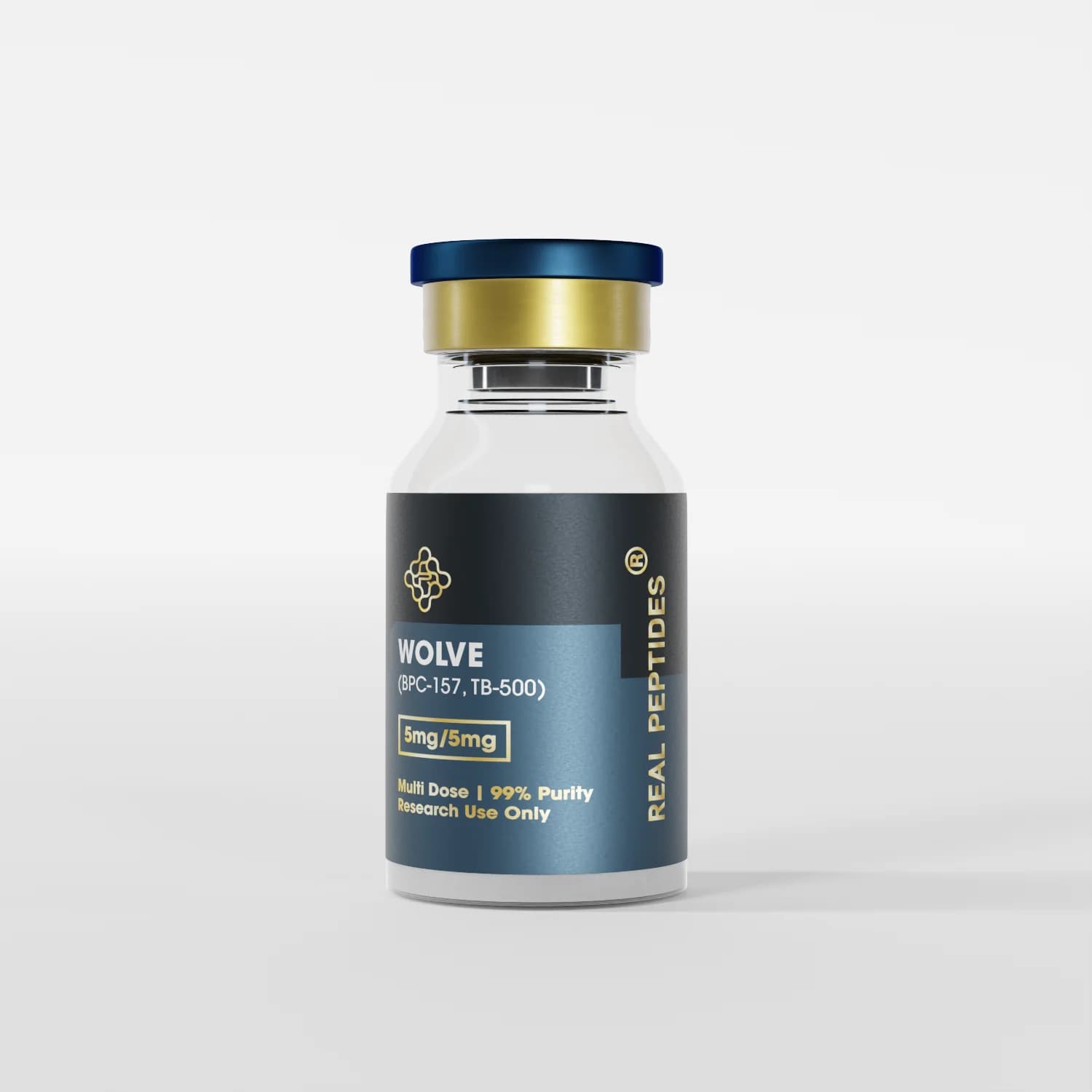
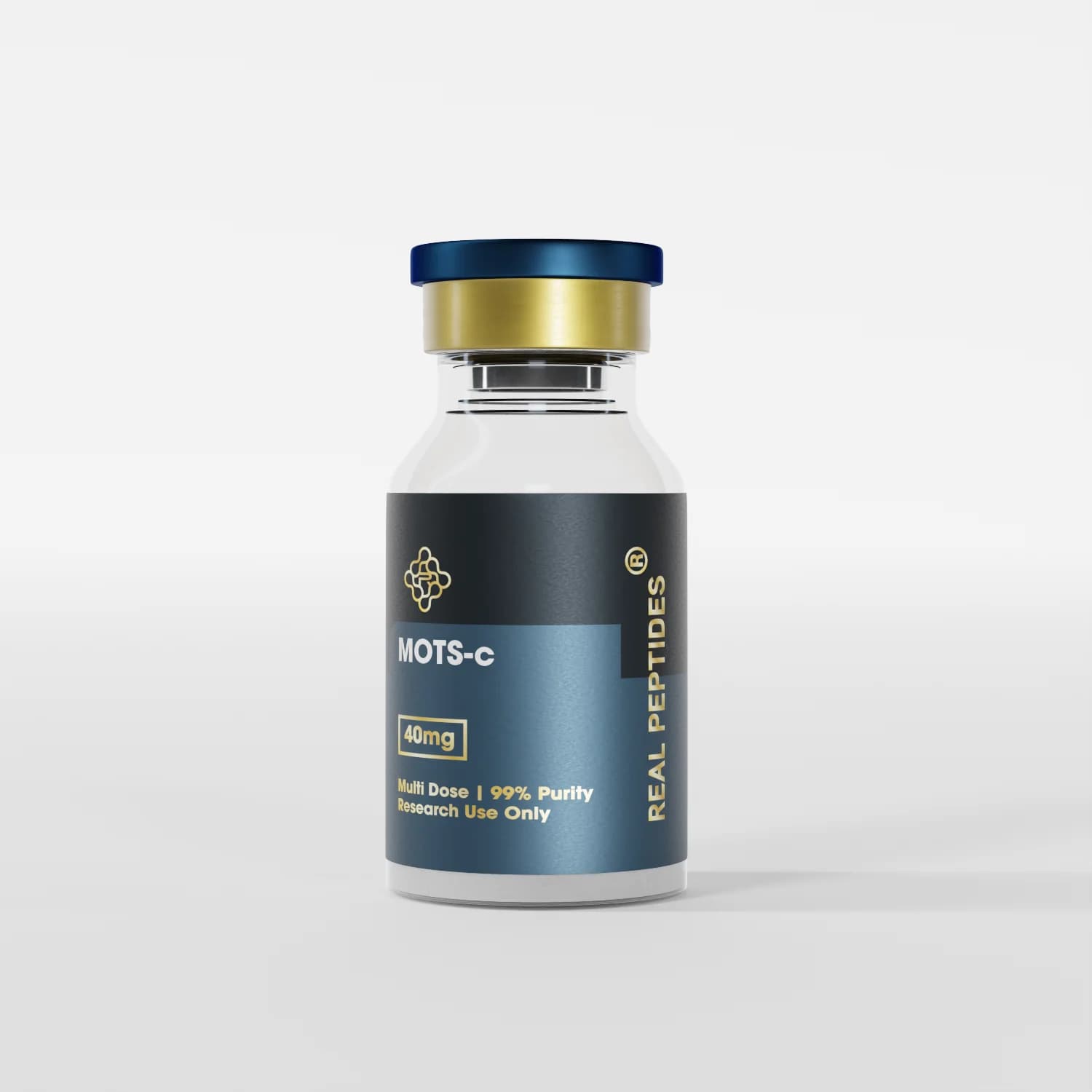
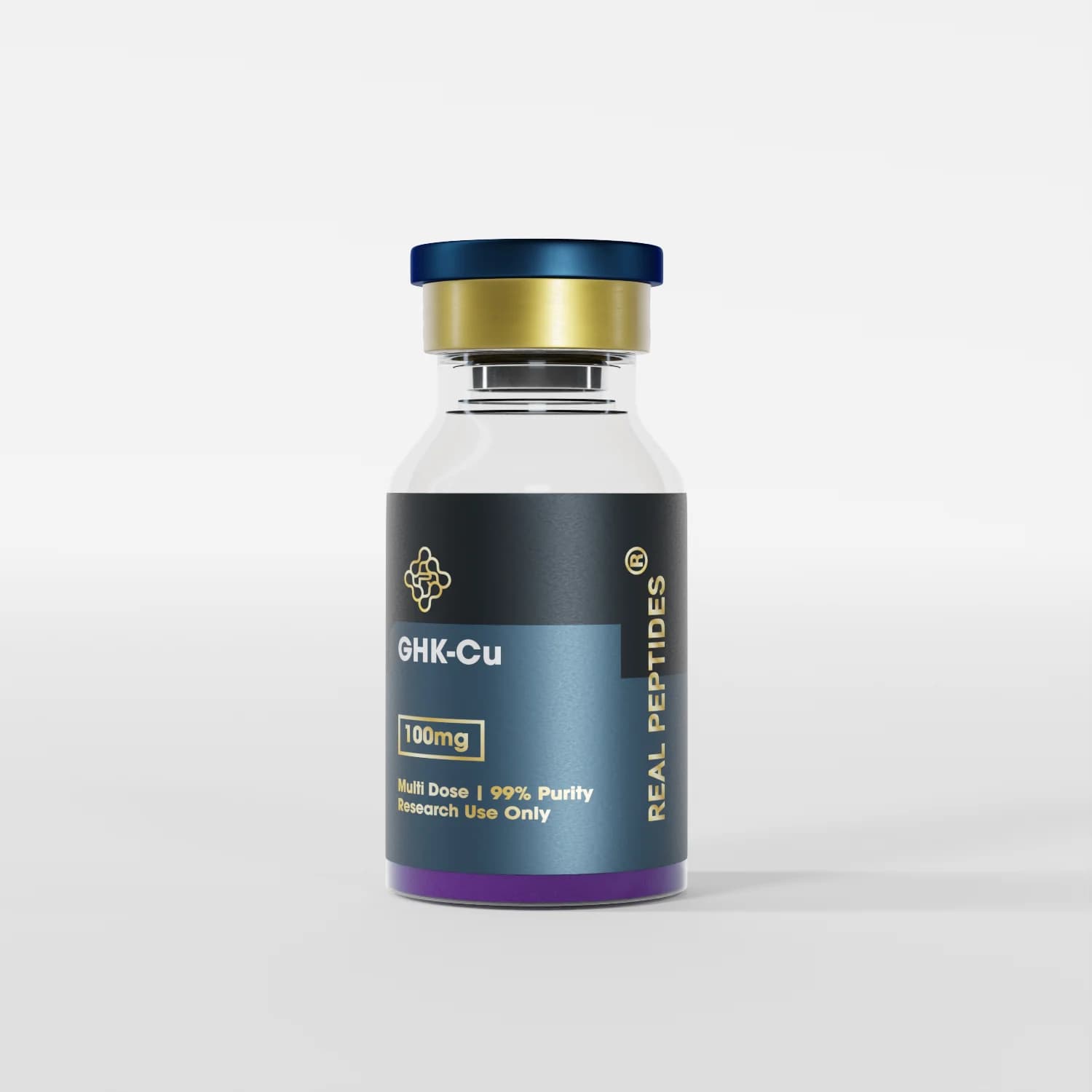
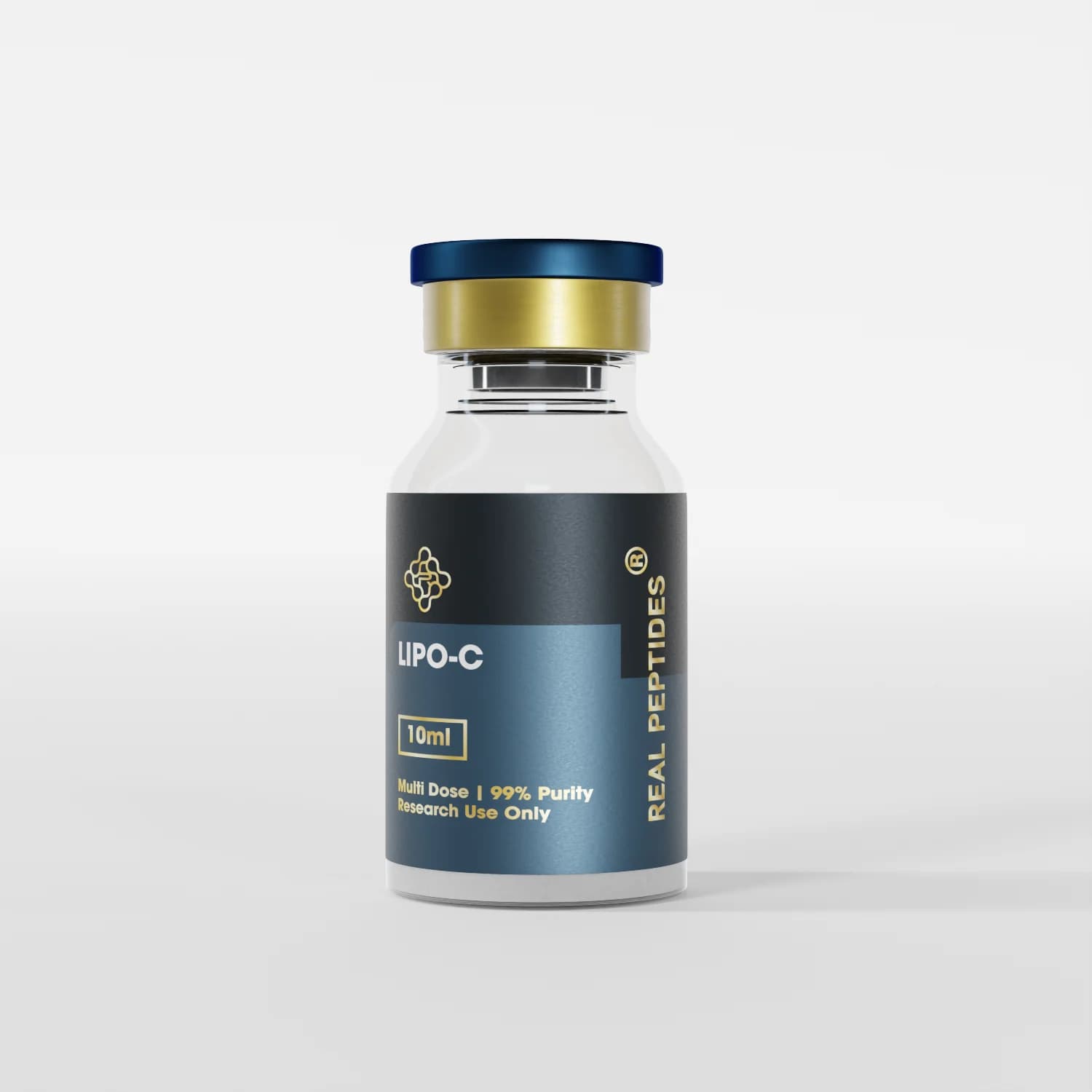
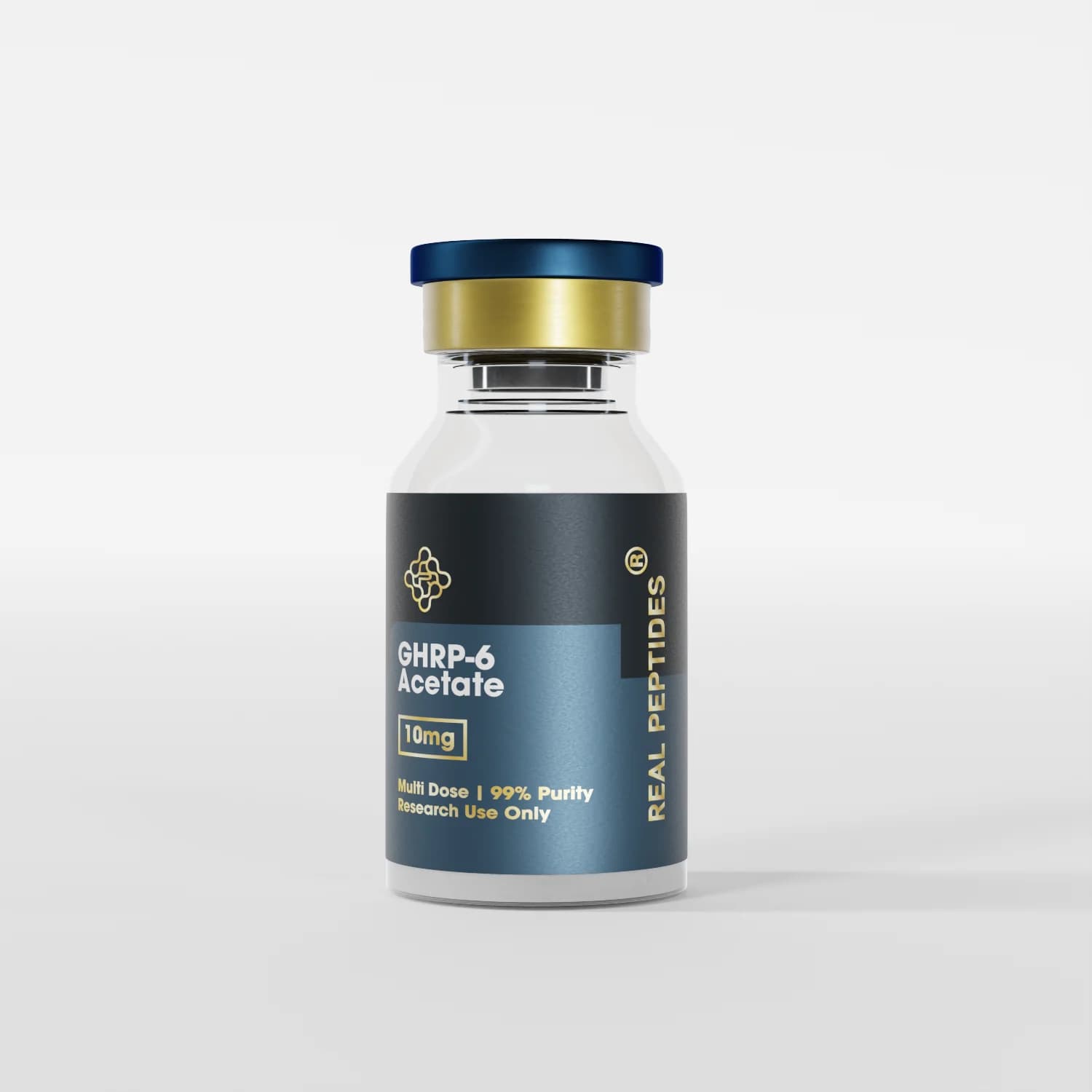
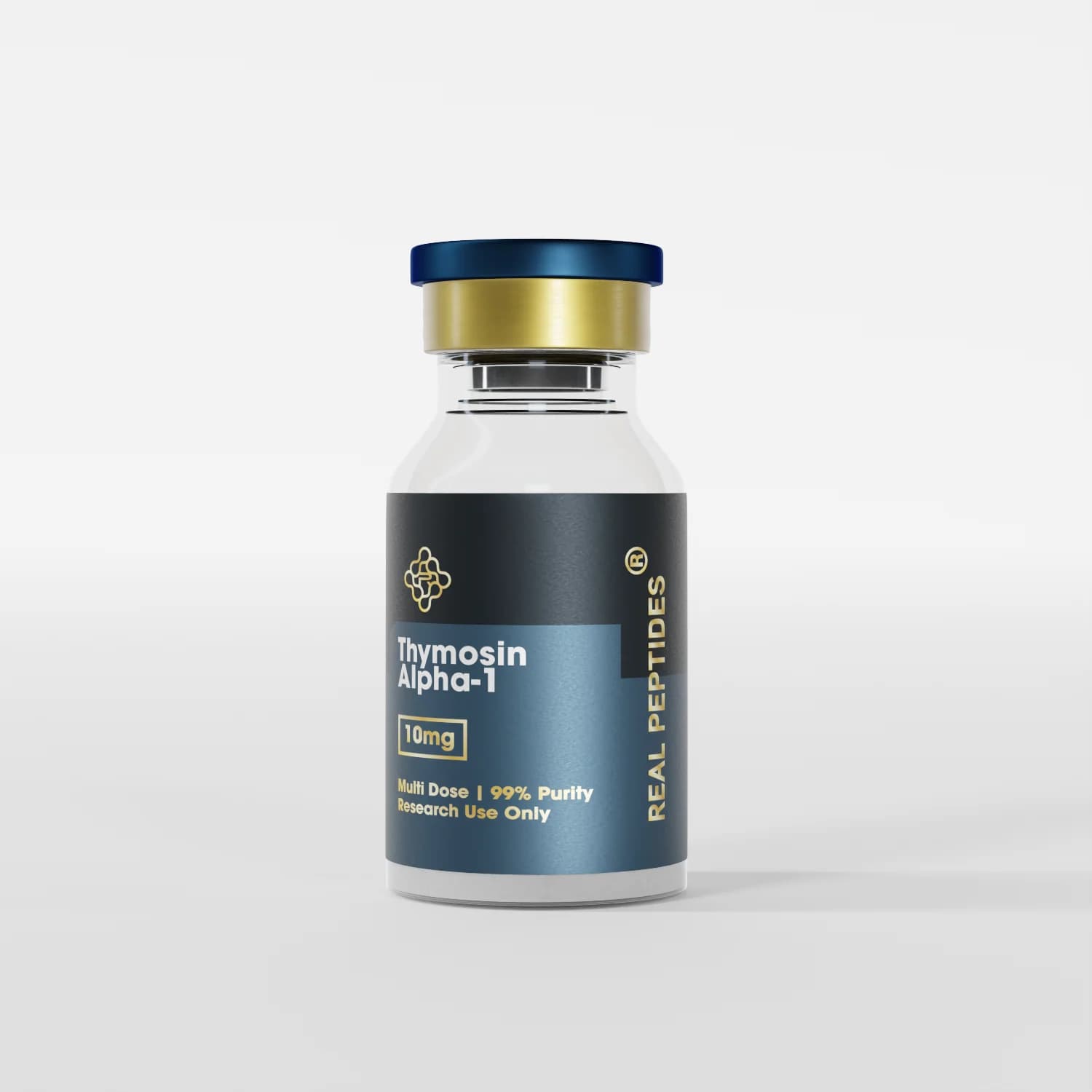
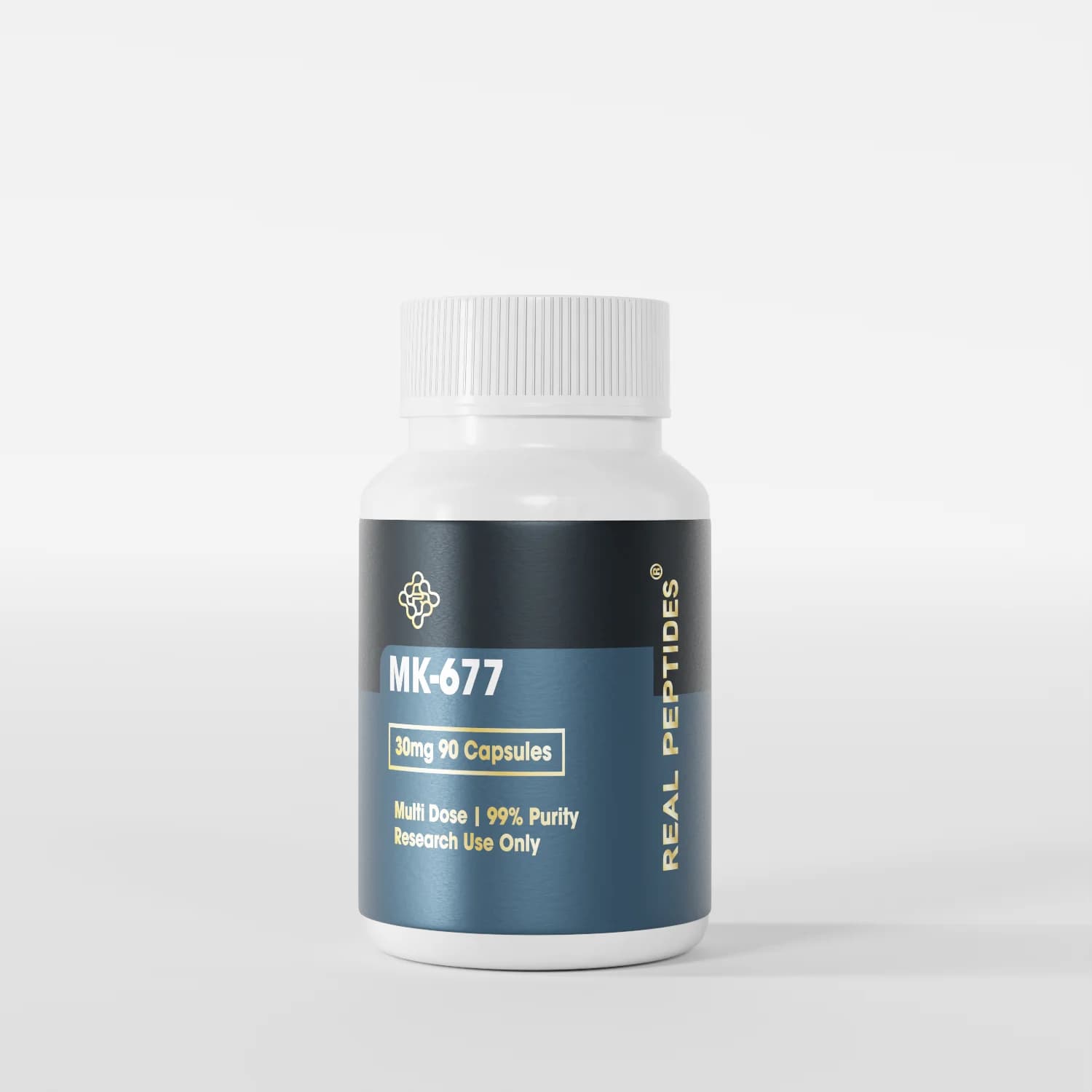
Red flags when you buy peptides online are consistent: no lot-matched certificate, purity claims with no named analytical method, dosing charts aimed at people, no physical address, and support staff who will discuss protocols but not chromatograms. Researchers sourcing catalog compounds such as MK-677 or GHRP-2 should expect certificate access before checkout, not after. We've watched labs waste entire experimental arms on undocumented material, and the loss is never just the vial.

Buy Peptides Online: Supplier Vetting Comparison

This table maps the five checkpoints that separate a documented research supplier from a reseller. Run every prospective vendor through all five before a first order, because each row corresponds to a failure mode we see repeatedly.

Vetting checkpoint What a documented supplier shows Common red-flag version Professional assessment
Certificate of analysis Lot number on both vial and document, test date, full HPLC chromatogram and mass spectrum images One undated PDF reused across every product, or a certificate available only 'on request' after payment Non-negotiable. No lot-matched certificate means no traceability, and no traceability means no usable data from that vial.
Purity reporting HPLC purity and net peptide content stated as separate figures with the method named A bare '99%+' claim with no analytical method, or purity only with no mention of peptide content The stronger buying signal of the two. Net peptide content is what you actually pay for per milligram.
Identity confirmation Mass spectrometry showing observed molecular weight against theoretical mass for the sequence Purity data only, with no independent confirmation that the compound is the correct sequence Purity without identity is meaningless. A pure wrong sequence still fails the experiment.
Labelling and framing Research-use-only statement on vial and site, no human or veterinary use claims, no protocol advice Human dosing charts, outcome promises, or compounds bundled with injection supplies as a kit Compliance discipline predicts manufacturing discipline. Sloppy labelling rarely coexists with tight QC.
Operational transparency Verifiable physical address, described synthesis and QC workflow, technical support that answers analytical questions Contact form only, no address, evasive answers about where material is synthesised Determines whether you have recourse when a batch is wrong. Anonymous sellers offer none.

What If: Research Peptide Sourcing Scenarios

What if my vial arrives with no certificate of analysis?

Request the lot-specific certificate in writing before opening or using the vial. If the supplier sends a generic document with no lot number or test date, treat the material as unverified and exclude it from any study where identity or concentration matters. Unverified vials contaminate data in a way that's impossible to detect afterwards, because you'll attribute a null result to the hypothesis rather than to the compound. A supplier who cannot produce batch documentation on demand has told you their quality system doesn't generate it.

What if the lyophilised powder sat in a hot mailbox for two days?

Document the exposure, then contact the supplier before using the vial. Lyophilised peptide powder is considerably more stable than peptide in solution and generally tolerates short ambient excursions during transit, which is why dry shipping is standard practice. Prolonged heat is a different matter, and thermal stress can drive aggregation and degradation that neither appearance nor a home check will reveal. Reputable suppliers will discuss the specific compound's stability profile rather than issuing a blanket reassurance.

What if the powder looks like a thin film stuck to the side of the vial?

Don't discard it. Lyophilised peptide legitimately presents as fluffy cake, compact pellet, or a barely visible film on the glass, and appearance varies with fill volume, sequence and freeze-drying parameters. A 2mg fill in a standard vial can look almost empty. What matters is the mass stated on the certificate, not the visual volume. Discoloration, visible clumping in a compound that should be white, or a persistent odour are the observations worth escalating.

What if the certificate has no lot number on it?

Treat it as marketing material, not analytical data. A certificate without a lot number cannot be tied to the vial in your hand, which means it proves nothing about your specific batch. This is the most frequent documentation failure we encounter when researchers ask us where to buy legit peptides after a bad experience elsewhere. Ask for the lot-matched version. If it doesn't exist, the testing likely happened at the manufacturer level and was never traced to distribution.

What if a site selling peptides publishes human dosing instructions?

Remove it from consideration. Research-use-only compounds are not approved for human or veterinary consumption, and any site pairing them with dosing charts, body-composition claims or ready-to-use kits is operating outside that framing. The practical concern isn't only regulatory. Vendors willing to make claims they can't support about use are rarely rigorous about the analytical documentation you actually need. Compliance discipline and manufacturing discipline tend to travel together.

The Uncomfortable Truth About Research Peptide Sourcing

Here's the honest answer: a large share of the sites where you can buy peptides online are not manufacturers. They're storefronts reselling material sourced from third-party synthesis facilities, sometimes with no independent testing between the wholesale drum and your vial. That isn't automatically disqualifying, because plenty of reputable distributors test what they receive and publish the results. What matters is whether anyone in the chain verified your specific lot and will show you the chromatogram.

The corollary is blunter still. Price per milligram is close to useless as a comparison metric without net peptide content, and buying on price alone is how labs end up paying twice.

Anyone can buy peptides online in ten minutes. Sourcing material you can build a dataset on takes a certificate, a lot number, and a supplier who expects to be asked for both. That's the whole difference, and it costs nothing to insist on it before the first order rather than after a failed run. The suppliers who find those questions tedious are answering them anyway, just not in the way they intended.

Build a pack

Researching more than one compound?

Build a multi-vial pack and the discount applies automatically as you add doses.

Start a pack

Questions

Buy from suppliers who publish a lot-matched certificate of analysis with HPLC purity, mass spectrometry identity confirmation and net peptide content, and who label everything research-use-only. Verify the lot number on your vial matches the document. A verifiable physical address and technical support that will discuss chromatograms are the two strongest secondary signals of a real supplier.
The best research peptides come from suppliers using small-batch solid-phase synthesis with batch-level analytical testing, not bulk repackaging. Judge quality on three published figures: HPLC purity, observed versus theoretical molecular weight by mass spectrometry, and net peptide content. Suppliers who publish all three, tied to your specific lot, are the shortlist worth ordering from.
Buy peptides online directly from research suppliers who ship lyophilised powder with research-use-only labelling and lot-specific documentation available before checkout, not after. Avoid marketplaces and social sellers offering no analytical paperwork. Check for a named synthesis and quality control process, a physical address, and support staff who decline to give protocol or dosing advice.
Legitimate suppliers make verification easy: batch-matched certificates of analysis, named analytical methods, clear research-use-only framing, and no human dosing content anywhere on the site. Illegitimate ones reuse one undated certificate across an entire catalog. If a vendor cannot connect the document to the lot number printed on your vial, treat the material as unverified.
Order research peptides in the USA from domestic suppliers who synthesise or test in-house, publish lot-level analysis, and ship under research-use-only terms. Domestic sourcing shortens transit time, which reduces thermal exposure risk, and gives you an accountable entity if a batch is wrong. Confirm a verifiable business address rather than a mail drop.
Buy research peptides online from suppliers whose product pages show the compound's sequence, molecular weight, purity method and net peptide content, with the certificate of analysis accessible before purchase. Legitimate vendors will not bundle compounds with injection supplies or answer questions about human use. Both refusals indicate a supplier operating inside the research-use-only framework.
It is legal to buy peptides online in the US when the compound is sold, labelled and used strictly for research purposes. These are research-use-only materials, not FDA-approved drug products, and they are not for human or veterinary consumption. Suppliers who market them for personal use are operating outside that regulatory framing.
HPLC purity tells you what proportion of the peptide material is your target sequence. Net peptide content tells you how much of the vial's total powder is peptide at all, after trifluoroacetate counterion salt and residual moisture from lyophilisation are accounted for. Two vials with identical purity figures can differ meaningfully in active compound delivered.
Prices vary widely by compound, sequence length and batch size, so quoted figures are difficult to compare directly. Longer sequences require more coupling steps and more purification, which raises cost. Undocumented material is often cheaper because nobody paid for batch-level HPLC and mass spectrometry testing, which is precisely the cost you want included.
Unreconstituted lyophilised powder is conventionally stored at -20°C or colder, protected from light and moisture. Once reconstituted, solutions are refrigerated at 2-8°C and have a finite working window because peptides in solution are subject to hydrolysis, oxidation and aggregation. Repeated freeze-thaw cycles of reconstituted material accelerate degradation.
Research-grade peptides are supplied for laboratory investigation only and are not FDA-approved drug products. Compounded prescription preparations are made by licensed pharmacies for a named patient under a prescriber's order and fall under a completely separate regulatory framework. The two are not interchangeable, and research suppliers cannot legally supply material for human use.
Ask for the certificate of analysis for the exact lot you would receive, including the HPLC chromatogram with retention time, the mass spectrum showing observed versus theoretical molecular weight, net peptide content, and the test date. Also confirm storage recommendations for that specific compound. A supplier who supplies all of this unprompted has already passed the main test.

RESEARCH USE ONLY · NOT EVALUATED BY THE FDA

Shop Now