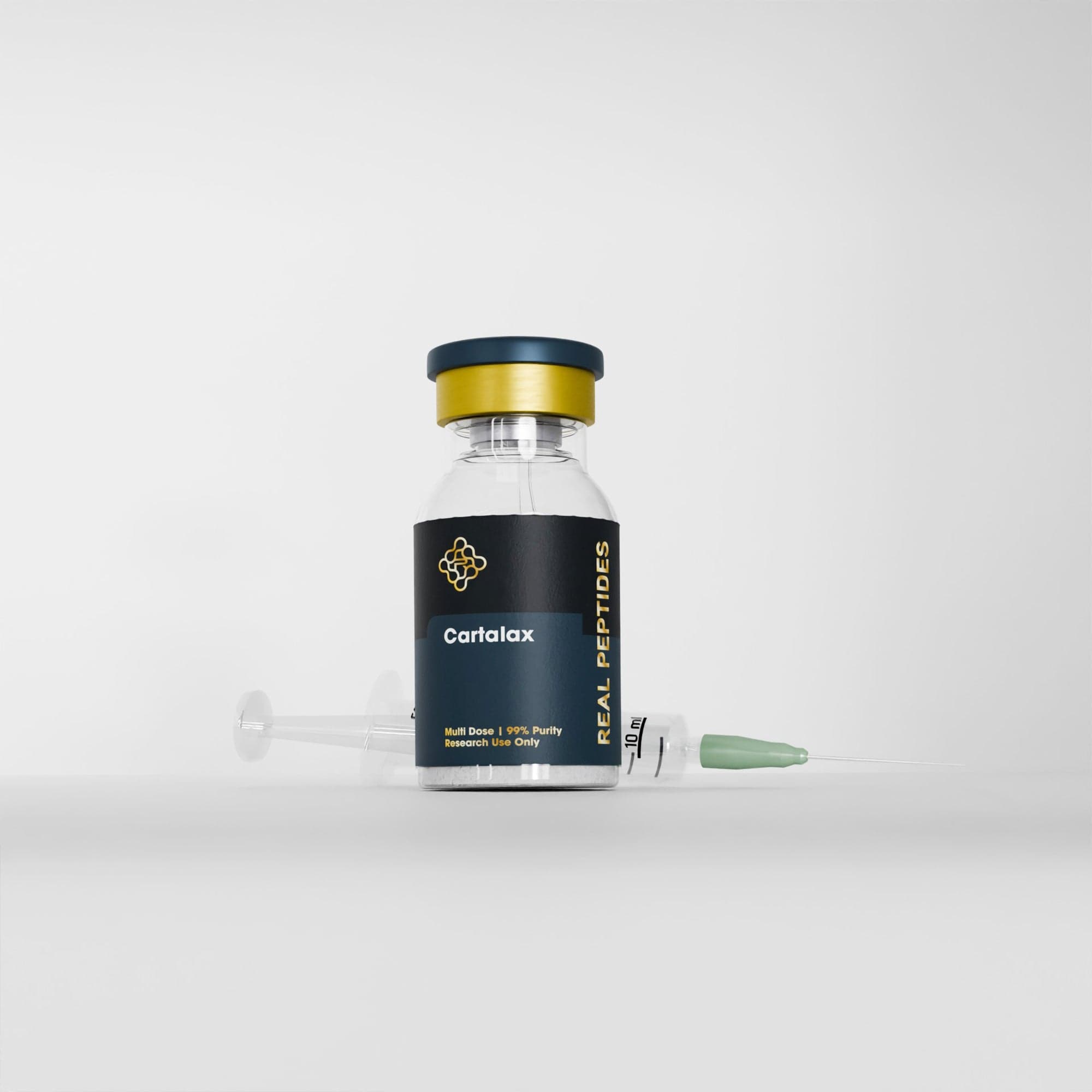
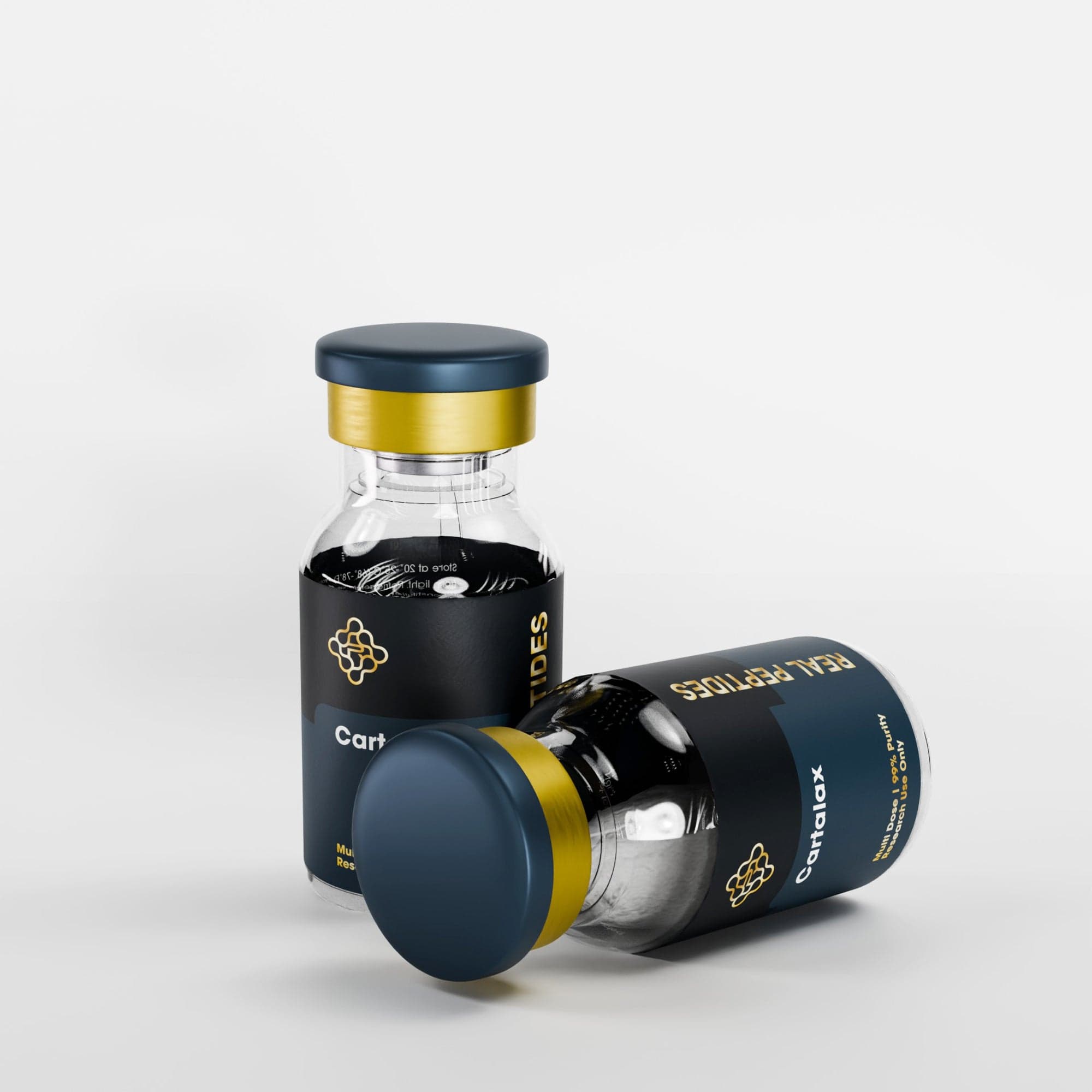
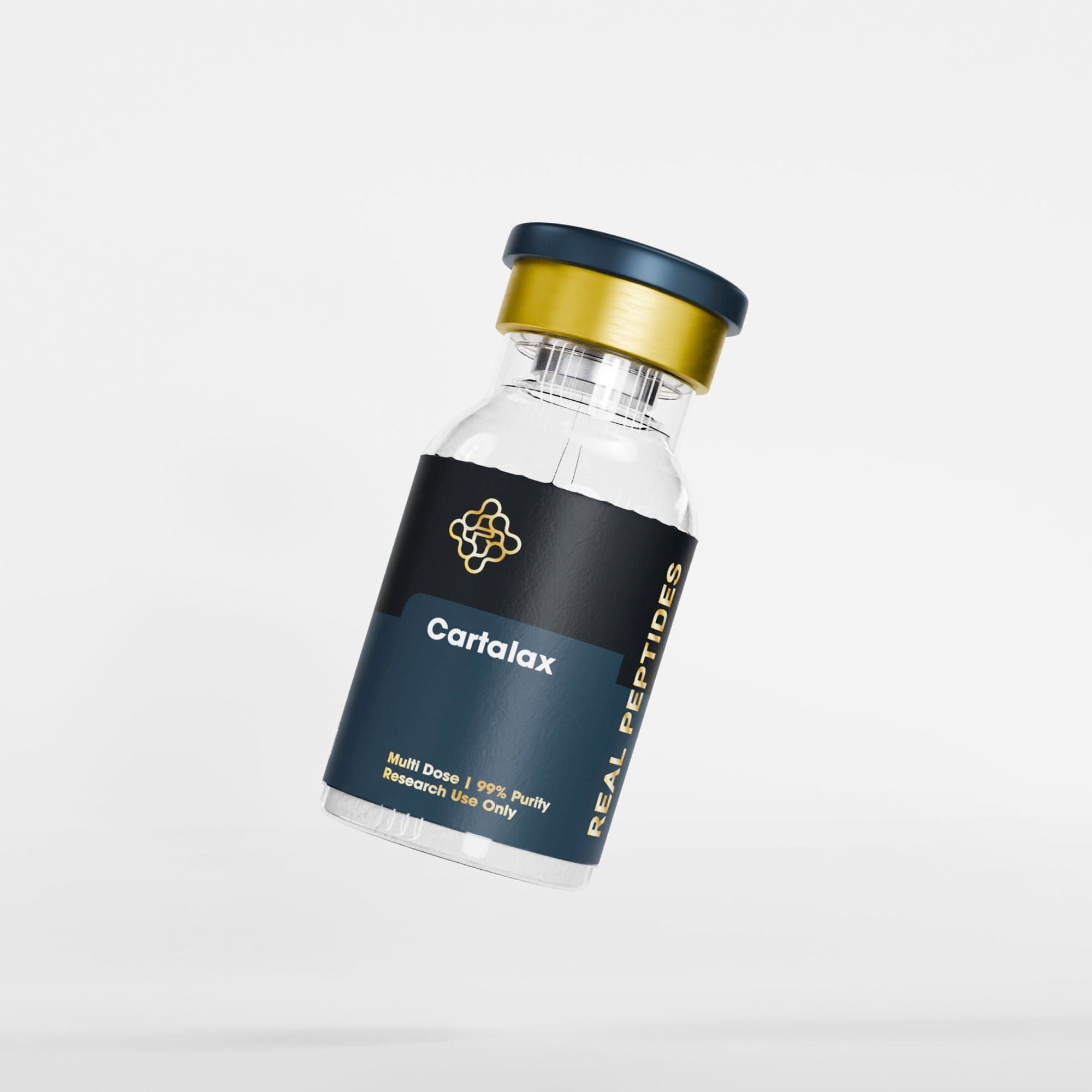
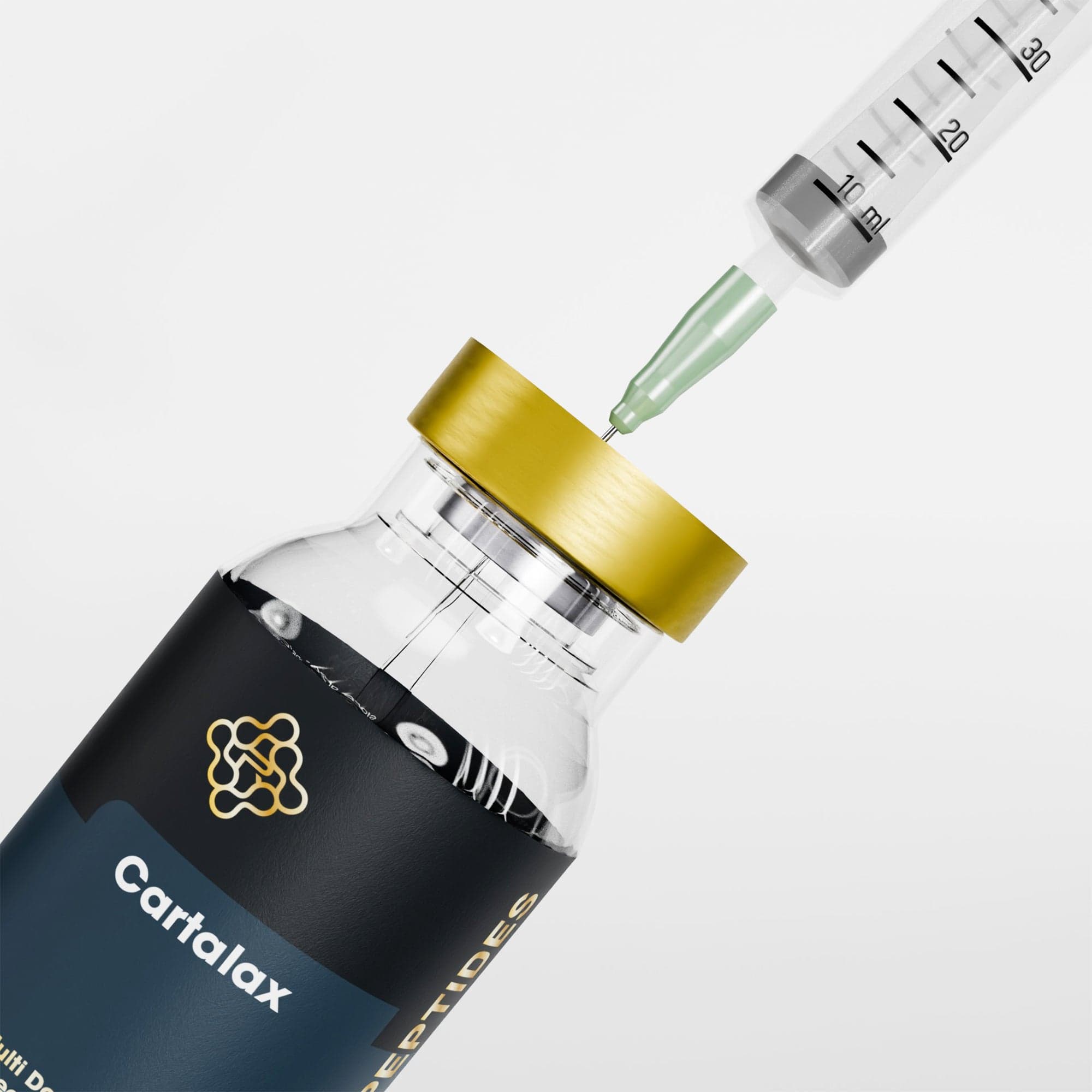
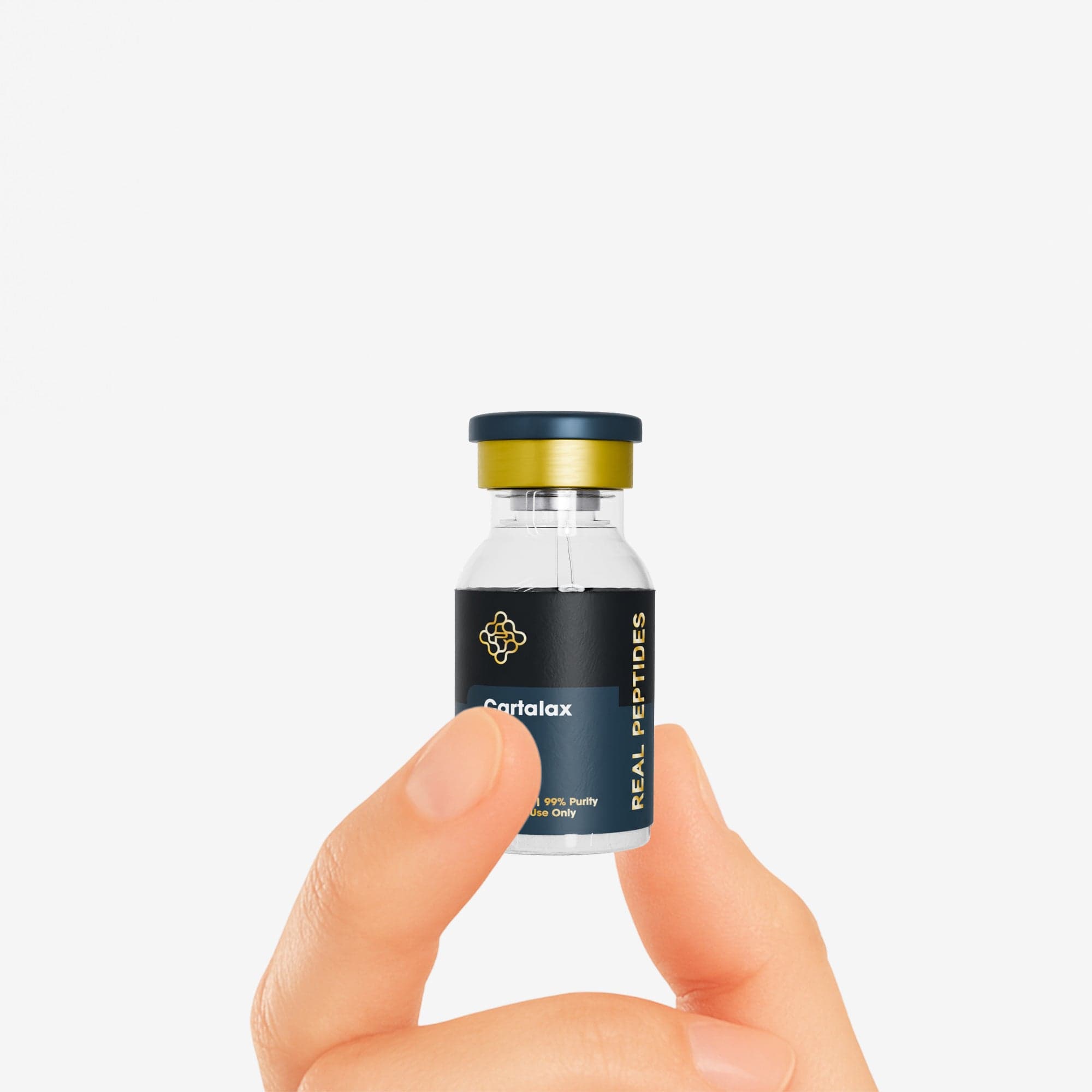
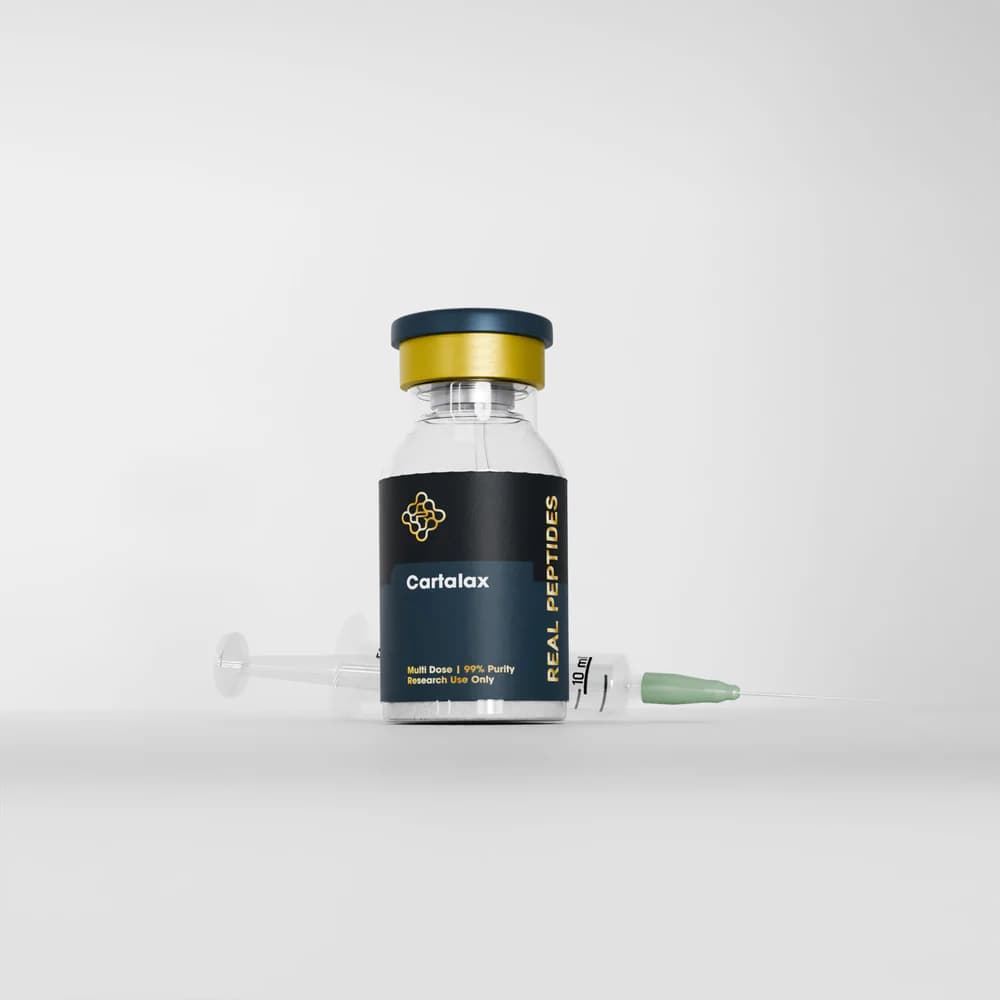
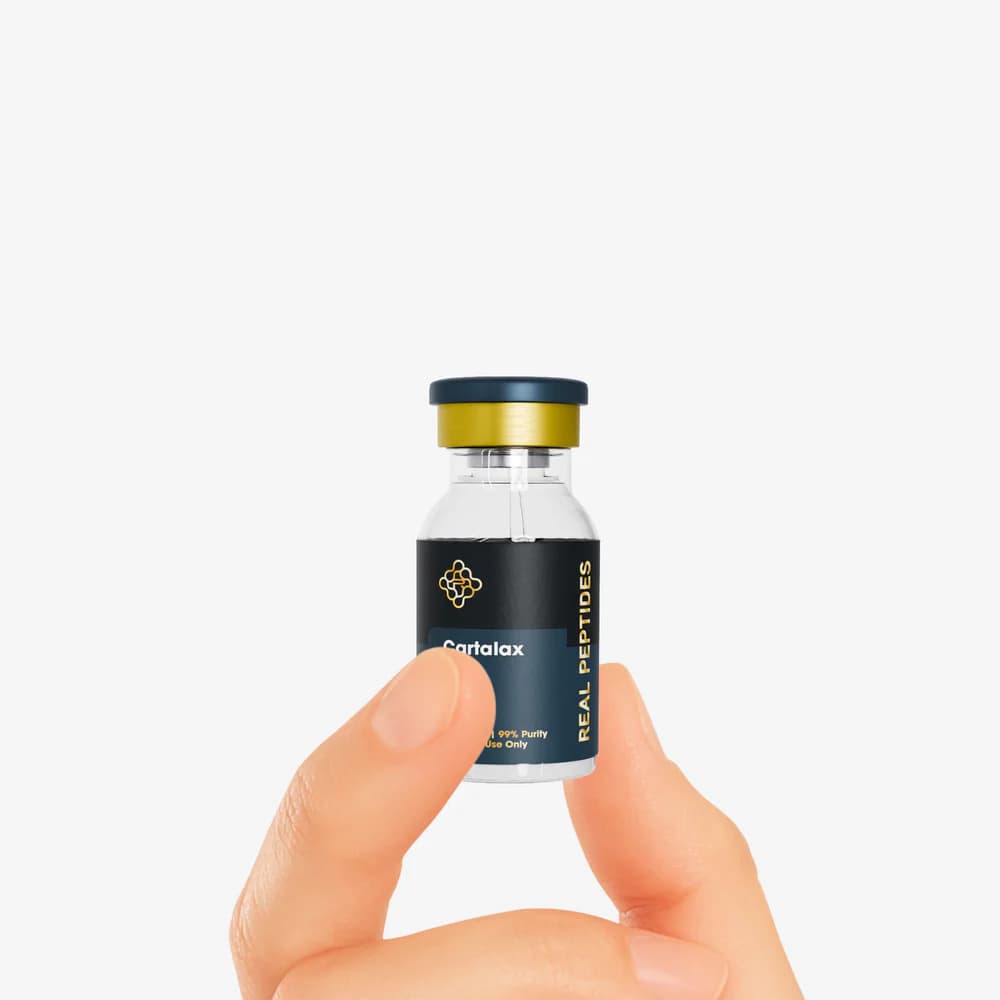
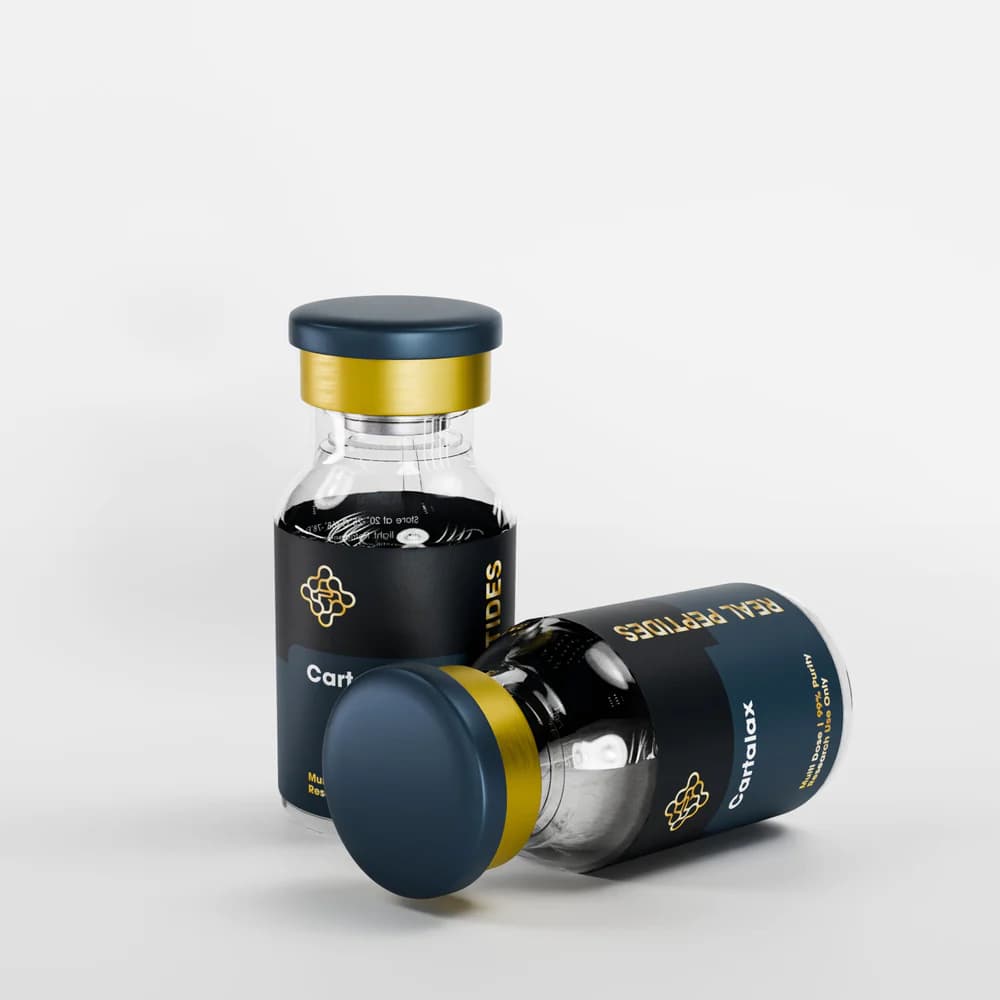
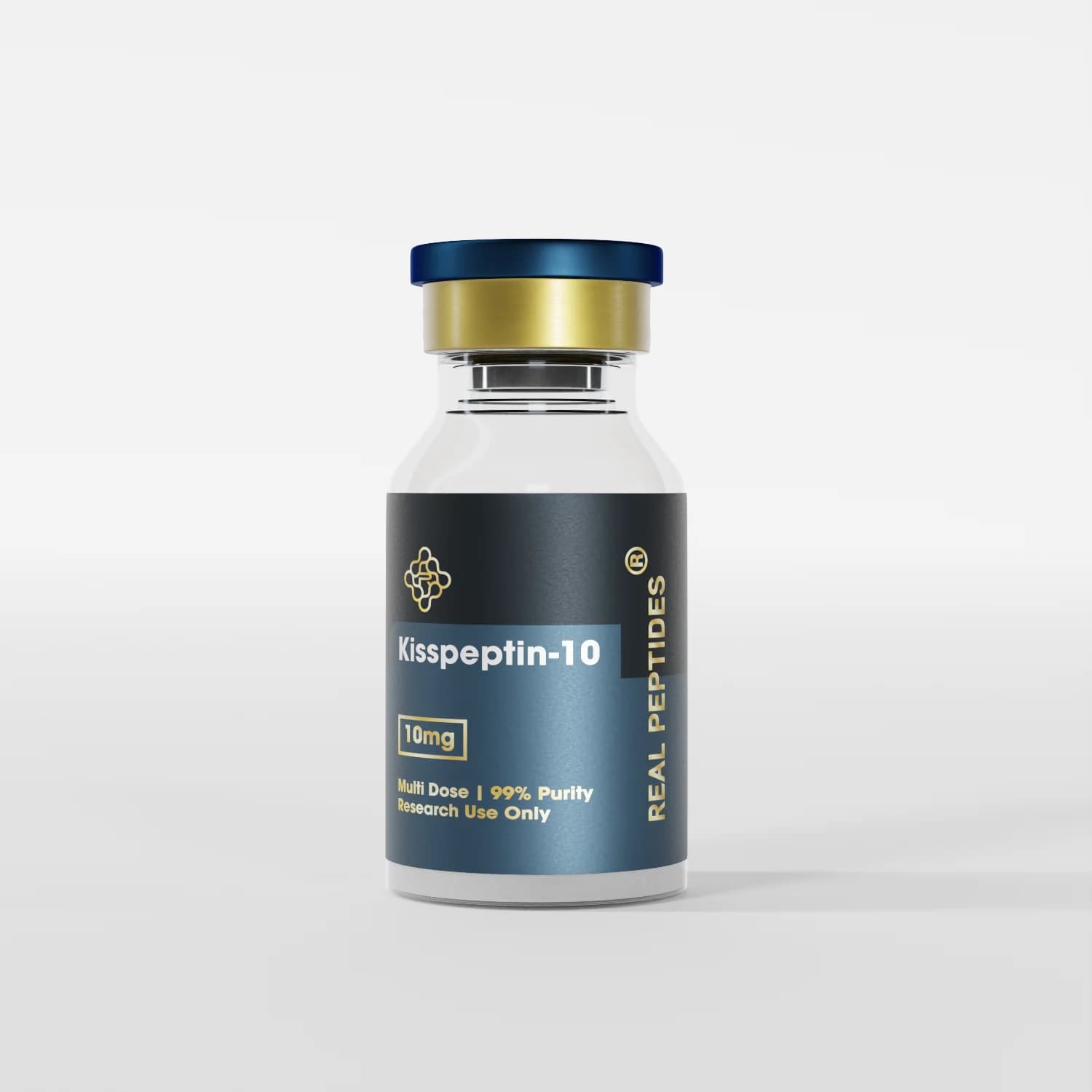
Cartalax Peptide needle_behind 2_vials right_angle_d73bb973-0981-4e39-8e09-aaa7f143cd07 needle_inside in_hand_645a5ed1-00b0-4971-b2b3-3aa8759e066f left_angle cartalax_20mg_front_0440387f-e49d-4390-b7a9-1a290d815049 front_view

In Stock, Ready to Ship!

Cartalax

$70.00 or subscribe and save 20%

99% Pure | USA Made | Multi Dose

Cartalax Peptide is a short-chain peptide studied for its regenerative potential in connective tissue, particularly cartilage. Originating from Russian peptide research programs, Cartalax has shown promise in models exploring cartilage health, joint recovery, and overall musculoskeletal function. This research peptide is a fragment of naturally occurring cytomodulins and has been studied for its influence on gene expression in cartilage cells, including chondrocytes. Its application in peptide science centers on its ability to signal the regulation of protein synthesis pathways, modulate inflammation, and support healthy tissue maintenance — making it a molecule of high interest in the field of regenerative peptide research. Real Peptides provides Cartalax in high-purity, USA-manufactured vials, independently third-party tested and designed exclusively for research professionals.

COA / HPLC / MS
⚠️ Important Disclaimer
For Research Use Only. Not for human consumption or therapeutic treatment.
Buy 5 and save 5%
$66.50 each
Buy 10 and save 10%
$63.00 each

Pairs well with

Peptides are not ready to use. Must purchase BAC water for reconstitution.

Cartalax Peptide

Cartilage Regeneration Support

Studied for its impact on promoting chondrocyte function and cartilage matrix rebuilding.

Joint Recovery and Repair

Supports models exploring joint inflammation, mobility restoration, and connective tissue balance.

Modulation of Inflammatory Pathways

Research has shown Cartalax may help normalize inflammatory markers within joint tissues.

Support of Gene Expression in Connective Tissue

May regulate protein synthesis in musculoskeletal tissues through epigenetic pathways.

Antioxidant and Cytoprotective Properties

Explored for protective effects on cells involved in structural and mechanical stress.

Considered in studies exploring peptide-based interventions for degenerative joint disorders.

Explore Cartalax

What Is the Cartalax Peptide?

Cartalax is a synthetic peptide fragment derived from naturally occurring cytomax proteins found in connective tissue, specifically those involved in cartilage structure and signaling. This short-chain peptide was originally developed and studied in Russian peptide bioregulation programs and has since gained attention in Western research for its ability to regulate gene expression in chondrocytes (cartilage cells). Cartalax is part of a broader class of peptides known as bioregulatory peptides, which are designed to influence protein synthesis and cellular behavior at a targeted tissue level.

In the laboratory, Cartalax has been explored for its potential to influence regenerative mechanisms in connective tissue, reduce inflammatory signals within the extracellular matrix, and provide peptide-based signaling that supports the structural integrity of cartilage. These studies often involve models of joint degradation, aging cartilage, and degenerative musculoskeletal conditions. Because Cartalax is a tissue-specific peptide, its action is believed to be more targeted than general regenerative peptides, making it a valuable molecule in peptide-based research on osteoarthritic changes, cartilage regeneration, and immune modulation in musculoskeletal systems.

Its small molecular structure allows it to be absorbed and distributed rapidly in tissue models, where it may support reparative processes at the genetic level without triggering broad systemic responses. This makes Cartalax particularly interesting in controlled studies where localized outcomes are preferred.

Why Choose the Cartalax?

Cartalax is a standout in peptide research due to its specificity, safety profile in controlled models, and growing body of data surrounding its effects on joint and cartilage function. Unlike more generalized regenerative peptides such as BPC-157 or TB-500, Cartalax operates with tissue specificity, targeting only those cells involved in cartilage repair and signaling.

For researchers exploring:

  • Age-related cartilage degeneration
  • Post-injury joint tissue recovery
  • Experimental models of osteoarthritis
  • Peptide-based immunomodulation in joints

Cartalax presents a high-value, precision molecule for in-depth experimentation. Its ability to potentially regulate cytokines, repair matrix protein expression, and rebalance cell signaling in connective tissue models provides a framework for applications in both preventative and reparative biological study.

In combination with other tissue-support peptides like TB-500Epithalon, or Thymalin, Cartalax can be a cornerstone compound in comprehensive peptide research stacks.

Researchers choose Cartalax for its:

  • Narrow tissue specificity (chondrocytes/cartilage)
  • Established safety in preclinical environments
  • Supportive data from Russian longevity studies
  • Versatility in stacking with peptides that target muscle, soft tissue, and systemic immune balance

What Sets the Cartalax Peptide Apart?

What distinguishes Cartalax from other regenerative peptides is its focused mechanism of action and history of clinical research within Russian bioregulation protocols. While many peptides support broad healing or systemic hormone release, Cartalax has been studied primarily for its localized effect on gene regulation within cartilage tissue.

Key differentiators include:

1. Cartilage-Specific Bioregulation
Cartalax is not a growth hormone secretagogue or a systemic modulator. Its pathway influences the expression of genes involved in cartilage integrity, including proteoglycans and type II collagen—making it extremely relevant for research in osteoarthritis and joint degradation.

2. Non-Hormonal, Low-Side Effect Profile
Because Cartalax does not stimulate hormone pathways or GH/IGF-1 axes, it’s ideal for studies requiring minimal systemic interference. Its non-hormonal nature allows it to be studied in conjunction with other peptides or agents without disrupting hormonal baselines.

3. Legacy of Clinical Application
Cartalax was one of several peptides developed by the St. Petersburg Institute of Bioregulation and Gerontology, with over 30 years of clinical and preclinical exploration. This legacy provides researchers with a roadmap of peer-reviewed data and case modeling.

4. Excellent Compatibility with Recovery and Performance Peptides
Because it complements peptides like BPC-157 and GHK-Cu, Cartalax fits well into joint recovery and anti-aging stacks designed for layered tissue regeneration. Researchers aiming to explore complex reparative models can confidently include Cartalax in combination trials.

5. Purity and Consistency at Real Peptides
At Real Peptides, Cartalax is available with 99%+ purity, produced under USA lab conditions with full third-party testing and documentation available. Each batch is consistent, research-grade, and made for investigators who require reliable, reproducible results.

Whether you’re exploring long-term tissue aging or immediate post-injury peptide signaling, Cartalax offers one of the most cartilage-specific, targeted molecules available in today’s peptide research landscape.

EXPLORE BY BENEFIT

Cartalax FAQs

What is Cartalax?

Cartalax is a short-chain peptide studied for cartilage regeneration and gene modulation in joint tissue.

What is Cartalax peptide used for in research?

It’s primarily explored for connective tissue health, cartilage repair, and inflammatory modulation.

What are Cartalax peptide research benefits?

Benefits may include cartilage repair, joint mobility, and gene expression regulation.

Is Cartalax similar to BPC-157 or TB-500?

Cartalax is more tissue-specific, targeting cartilage, while BPC-157 and TB-500 support broader tissue repair.

How does Cartalax work?

It influences gene expression in chondrocytes, possibly supporting collagen and matrix protein synthesis.

What is the proper Cartalax dosage for research?

Dosage varies by study protocol; Real Peptides offers 1mg vials for controlled experiments.

Can Cartalax be stacked with Epithalon?

Yes, Epithalon may complement Cartalax in longevity and anti-aging stacks.

Is Cartalax safe in lab models?

Studies show a strong safety profile in controlled lab settings.

How does Cartalax compare to GHK-Cu?

GHK-Cu supports tissue repair and epigenetics; Cartalax is more cartilage-specific.

Where can I buy Cartalax peptide?

Buy from Real Peptides— 99%+ purity, third-party tested.

Does Cartalax help with arthritis research?

It’s often used in osteoarthritis models and cartilage degradation studies.

Can Cartalax be used in joint recovery stacks?

Absolutely, especially with peptides like TB-500 and Thymalin.

Where can I buy Cartalax peptide?

Buy from Real Peptides— 99%+ purity, third-party tested.

What makes Cartalax different from other peptides?

Its unique tissue-targeted mechanism sets it apart.

Is Cartalax for sale legally for research?

Yes, it’s available for research-only use through trusted suppliers like Real Peptides.

Didn’t find your answer?

Don't hestitate to contact us

Contact us
Join Waitlist We will inform you when the product arrives in stock. Please leave your valid email address below.

Search