
Research library · 17,931 articles
The peptide research blog
Mechanisms, reconstitution, storage and study summaries — every article cited to the literature, every compound linked to its lab results. Written for laboratory research use.

Weight Loss & Metabolic Peptides Compared | Real Peptides
Peptides don't burn fat — they recalibrate the hormonal systems that control when, why, and how your body stores or releases it. Remove the peptide and the mechanism stops, which is why understanding the difference between a GLP-1 receptor agonist and an AMPK activator matters more than the scale reading at week eight.

Growth Hormone Secretagogue Peptides Compared | Real Peptides
Not all growth hormone secretagogues trigger the same pituitary response — receptor affinity, cortisol elevation, and ghrelin mimicry vary dramatically between compounds. GHRP-6 stimulates appetite and cortisol alongside GH, while Ipamorelin delivers selective GH pulses without either.

Cognitive & Nootropic Peptides Compared — Real Peptides
Most peptide comparisons ignore the mechanism — potency alone doesn't predict cognitive outcomes. Cerebrolysin acts on neurotrophic pathways in hours, while Dihexa modulates BDNF expression over weeks. The difference isn't strength, it's temporal architecture and receptor specificity.

Best Weight Loss & Metabolic Peptides 2026 | Real Peptides
Most weight loss peptides marketed in 2026 don't work as advertised—half the compounds claiming 'metabolic support' lack Phase III data. The ones that do deliver consistently activate receptor pathways dietary restriction can't touch, producing 15-25% body weight reduction through mechanisms independent of willpower.

What Are Cognitive & Nootropic Peptides? (Brain Research
Most brain supplements marketed as 'nootropics' never reach brain tissue—they're metabolized in the gut or blocked at the blood-brain barrier. Cognitive & nootropic peptides bypass that limitation entirely through specific amino acid sequences that trigger receptor-mediated transport into the central nervous system.

Best Cognitive & Nootropic Peptides 2026 | Real Peptides
Best cognitive & nootropic peptides 2026 include Semax, Dihexa, P21, and Cerebrolysin—compounds shown in trials to enhance memory, focus, and

Peptide Stack Joint Pain — Research-Grade Solutions
Most joint pain protocols fail not because the individual peptides lack efficacy, but because they're administered at the wrong ratios, timing intervals, or without addressing the underlying inflammatory cascade.

What Are Growth Hormone Secretagogue Peptides?
Growth hormone secretagogue peptides stimulate natural GH release without synthetic hormones—mechanism, research applications, and peptide selection guide.

Peptide Stack Gut Health — Research Protocol | Real Peptides
Peptide stack gut health protocols target epithelial repair, immune modulation, and microbiome signaling through BPC-157, KPV, and thymosin

Best Peptides for Muscle Building — Proven Compounds
Growth hormone secretagogues don't build muscle on their own—they create an anabolic environment that only matters when protein synthesis exceeds breakdown. Skip the peptides that promise gains without explaining which receptors they hit or how they shift the nitrogen balance that determines whether muscle grows or shrinks.

Peptides for Joint Pain Research — Tools for Labs
Peptides for joint pain research target inflammation, cartilage repair, and angiogenesis through specific receptor pathways — critical tools for labs

Peptides for Gut Health Research — Clinical Tools
The gut doesn't heal because you remove trigger foods — it heals when tight junction proteins reassemble, when inflammatory cytokine cascades reverse, and when the intestinal epithelium regenerates at a cellular level. Peptides for gut health research offer researchers tools to study these exact mechanisms in ways that dietary intervention simply cannot replicate.

Peptide Stack Muscle Building — Research Protocol | Real
Most single-peptide protocols plateau after 12–16 weeks because they activate only one anabolic pathway. Stack three peptides with complementary mechanisms—growth hormone release, insulin-like growth factor upregulation, and myostatin inhibition—and you bypass receptor downregulation while amplifying muscle protein synthesis at multiple sites. The difference isn't additive. It's synergistic.

Peptide Stack Brain Fog — Mechanisms & Solutions
Most people assume peptides only enhance cognition—but stacking certain research compounds can paradoxically trigger brain fog through mechanisms most protocols ignore. When cognitive peptides interact with metabolic or immune-modulating compounds, the downstream effects on neuroinflammation and mitochondrial respiration don't always align with intended outcomes.

Peptides for Muscle Building Research — Real Peptides
Growth hormone-releasing peptides don't build muscle directly—they amplify the upstream signaling cascades that govern protein synthesis, satellite cell recruitment, and recovery capacity. Remove the upstream trigger and resistance training alone hits a ceiling most athletes don't realize exists.

Peptides for Fat Loss Research — Mechanisms & Tools
The peptides showing the most promise in fat loss research aren't stimulants—they're molecules that alter hormone signaling, lipolysis pathways, and metabolic rate at the receptor level. Remove the biochemical mechanism and you're left with placebo effects and marketing.

Best Peptides for Brain Fog — Research Compounds
Best peptides for brain fog include Semax, Cerebrolysin, Dihexa, and P21 — each targeting neuroinflammation, neurogenesis, or mitochondrial function.

Peptide Stack Fat Loss — Build Research Protocols | Real
Most single-peptide protocols plateau after six to eight weeks—not because the peptide stops working, but because the body compensates through counter-regulatory pathways. Stacking peptides with complementary mechanisms is how research labs overcome adaptation and maintain sustained metabolic signaling.

Peptides for Brain Fog Research — Mechanisms | Real Peptides
Most brain fog isn't a motivation problem — it's a signaling problem. Remove the inflammatory cascade or restore mitochondrial ATP production, and cognitive clarity often returns without additional intervention. That's why peptides for brain fog research focus on receptor-level mechanisms, not symptomatic relief.

Best Peptides for Hair Loss — Research & Mechanisms
Best peptides for hair loss include GHK-Cu, thymosin beta-4, and copper peptides — each targets follicle regeneration through distinct pathways backed by

Best Peptides for Skin Aging — Lab-Grade Guide
Best peptides for skin aging include GHK-Cu, Matrixyl-3000, and Argireline — each targeting specific pathways like collagen synthesis and expression

Peptides for Hair Loss Research — Mechanisms & Trends
Peptides for hair loss research target follicle signaling, anagen extension, and vascular supply—mechanisms diet and topicals can’t address alone.

Peptide Stack Hair Loss — Mechanisms & Protocols
Peptide stack hair loss protocols target follicle regeneration through growth factors, signaling molecules, and vascularization — the science behind what

Peptide Stack Skin Aging — Research Mechanisms | Real
Peptide stack skin aging research examines synergistic mechanisms that target collagen synthesis, matrix remodeling, and cellular senescence pathways

Best Peptides for Insomnia — Sleep Research Guide
The peptides showing the most promise for insomnia research aren't sedatives — they're neuromodulators that regulate circadian rhythm, suppress stress-induced cortisol, and restore GABAergic tone without the dependency cascade typical of benzodiazepines.

Peptides for Insomnia Research — Real Peptides
Most sleep interventions sedate rather than regulate — peptides bypass that model entirely. Research-grade sleep peptides modulate circadian signaling, orexin pathways, and GABAergic tone at the receptor level, offering mechanistic precision pharmaceutical sedatives can't match.

Peptides for Skin Aging Research — Mechanisms & Lab
Peptides for skin aging research target collagen synthesis, extracellular matrix remodeling, and cellular senescence pathways — advancing our

Best Peptides for Low Libido — Research Compounds
Most people assume low libido is psychological or age-related — but for many, it's a neuroendocrine signaling problem that peptides can directly address. Compounds like PT-141, kisspeptin-10, and oxytocin bypass peripheral pathways entirely and work on the central nervous system mechanisms that govern arousal, desire, and sexual motivation.

Peptide Stack Insomnia — Causes & Solutions
That nighttime peptide dose you're counting on for recovery could be the exact reason you're staring at the ceiling at 2 a.m. Pull the wrong compound into the wrong administration window, and you've triggered a cascade that fights sleep architecture rather than supporting it.

Peptides for Low Libido Research — Current Mechanisms
Peptides for low libido research target melanocortin, dopamine, and gonadotropin pathways, offering mechanism-specific alternatives to systemic hormone

Peptide Stack Low Libido — Research Compounds Examined
Low libido isn't always about testosterone levels — systemic inflammation, dopamine pathway dysfunction, and hypothalamic signaling disruptions drive sexual dysfunction in ways hormone replacement alone can't address. Here's how research peptides target those root mechanisms.

Peptide Stack Post-Surgery Recovery — Real Peptides
Peptide stack post-surgery recovery accelerates tissue repair through BPC-157, TB-500, and growth hormone secretagogues—cutting healing time by weeks.

Best Peptides for Athletic Recovery | Real Peptides
The hardest part of training isn't the workout — it's what happens in the 23 hours afterward when your body either rebuilds stronger or breaks down further.

Peptide Stack Athletic Recovery — Real Protocols | Real
Peptide stack athletic recovery combines BPC-157, TB-500, and growth hormone secretagogues to target tissue repair, reduce inflammation, and restore

Peptide Stack Immune Weakness — Defense Protocols
Most peptide stacks fail at immune support because researchers assume additive benefits—but combining growth hormone secretagogues with metabolic amplifiers can suppress thymosin production by up to 40% during caloric restriction. The issue isn't the compounds—it's the sequencing and timing that determines whether your stack supports or sabotages immune function.

Peptides for Chronic Inflammation Research | Real Peptides
Chronic inflammation isn't just persistent — it's adaptive. By the time traditional anti-inflammatories reach inflamed tissue, the inflammatory cascade has already shifted pathways, rendering broad-spectrum inhibitors partially ineffective. Peptides, by contrast, target specific cytokines, immune receptors, and regulatory pathways with molecular precision.

Best Peptides for Chronic Inflammation | Real Peptides
Chronic inflammation doesn't just damage tissue—it rewires immune signaling in ways dietary intervention alone cannot reverse. The best peptides for chronic inflammation work by binding specific receptors that reset cytokine production and halt the cascade that drives persistent tissue damage.

Peptide Stack Chronic Inflammation — Research Insights
Most anti-inflammatory protocols fail because they target symptoms, not the cytokine cascade itself. A peptide stack for chronic inflammation works at the receptor level — modulating TNF-α, IL-6, and NF-κB before tissue damage becomes permanent. The compounds worth studying aren't the ones marketed loudest.

Best Peptides for Neuropathy — Research Compounds
Best peptides for neuropathy include BPC-157, cerebrolysin, and thymosin alpha-1 — each targeting distinct nerve repair pathways through regeneration,

Best Peptides for Erectile Dysfunction — Real Research
PT-141, melanotan II, and kisspeptin-10 target different ED pathways — melanocortin receptors, vascular tone, and hypothalamic signaling. Here’s how they

Peptide Stack Erectile Dysfunction — Real Benefits | Real
Peptide stacks for erectile dysfunction target vascular health, nitric oxide pathways, and nerve function through precise biological mechanisms.

Peptides for Neuropathy Research — Real Peptides
Neuropathy research hasn't solved nerve regeneration — but targeted peptides are changing which pathways scientists can modulate. Specific amino acid sequences activate neurotrophin signaling, reduce inflammatory cytokines, and support myelin repair in ways small molecules can't replicate.

Peptide Stack Neuropathy — Research Applications | Real
Peptide stack neuropathy research explores multi-compound protocols targeting nerve regeneration, inflammation, and mitochondrial function — mechanisms

Best Peptides for Tendon Injury — Real Peptides
BPC-157 and TB-500 lead research into peptides for tendon injury, targeting collagen synthesis and inflammation modulation at the molecular level.
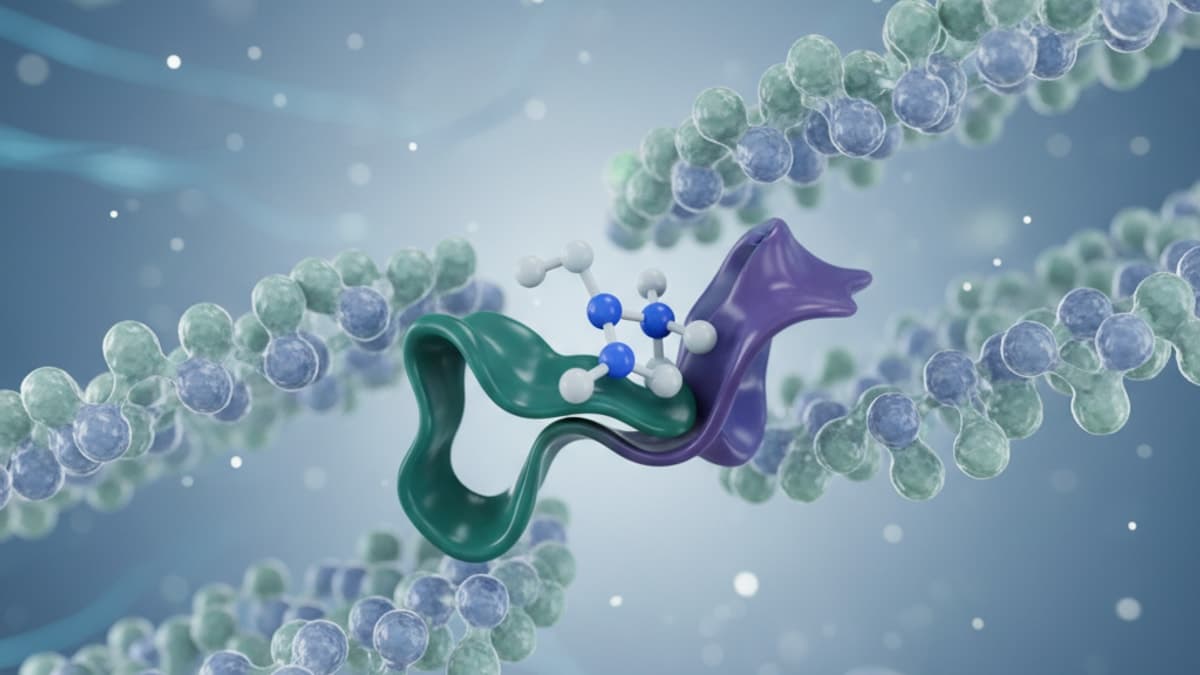
SS-31 Cardiolipin Binding — Mechanism & Research | Real
SS-31 cardiolipin binding stabilizes mitochondrial membranes and prevents cytochrome c release — a targeted mechanism for ATP restoration.

SS-31 for Exercise Performance — Mitochondrial Peptide Guide
SS-31 for exercise performance enhances mitochondrial function and reduces oxidative stress during training. Learn mechanisms, dosing protocols, and

SS-31 Mitochondrial Membrane Stabilization — Real Peptides
SS-31 mitochondrial membrane stabilization targets cardiolipin to preserve inner mitochondrial membrane integrity, reducing ROS and supporting ATP

What is SS-31? (Elamipretide Explained) | Real Peptides
SS-31 is a mitochondria-targeting peptide that restores cellular energy production by binding to cardiolipin and stabilizing the inner mitochondrial

SS-31 Safety Profile — Research & Clinical Data
SS-31 safety profile shows well-tolerated mitochondrial support in clinical trials. Review dosing, adverse events, and research data.

SS-31 Science Explained — Real Peptides
SS-31 (elamipretide) targets mitochondrial cardiolipin to restore ATP production and reduce oxidative stress at the organelle level — a mechanism no other

SS-31 History — Mitochondrial Peptide Development
SS-31 history spans two decades from Cornell discovery to clinical trials targeting mitochondrial dysfunction in heart disease, aging, and

SS-31 FAQ — Elamipretide Research Questions | Real Peptides
SS-31 isn't just another research peptide — it's one of the few compounds specifically engineered to cross mitochondrial membranes and stabilize cardiolipin, the phospholipid that determines whether your cells produce energy or trigger apoptosis. Most peptide research focuses on receptor signaling; this one rewrites the rules at the organelle level.

SS-31 Clinical Trials 2026 — Current Status | Real Peptides
SS-31 clinical trials 2026 focus on mitochondrial repair in heart failure, neurodegenerative disease, and ischemia-reperfusion injury with Phase II/III

SS-31 Myths Debunked — What the Evidence Actually Shows
SS-31 myths debunked: the peptide doesn’t reverse aging overnight, isn’t a workout replacement, and requires precise dosing for mitochondrial benefit.

What Is SS31? (Mitochondrial Peptide Explained)
SS31 is a mitochondrial-targeting tetrapeptide that stabilizes cardiolipin, reduces oxidative stress, and enhances cellular energy production in research

SS-31 News 2026 — Latest Elamipretide Updates | Real
SS-31 news 2026 reveals mitochondrial therapy breakthroughs in heart failure, neurodegenerative disease, and aging research—clinical data show real

What Is Bendavia? (Mitochondrial Cardioprotective Peptide)
Bendavia isn't a typical cardioprotective drug — it's one of the few compounds designed to act directly at the mitochondrial inner membrane, where 90% of cellular energy is produced and where ischemia-reperfusion injury originates.

What Is Elamipretide? (Mitochondrial Cardiolipin Peptide)
Elamipretide is a mitochondrial-targeting peptide that binds cardiolipin to improve energy production. Learn mechanism, clinical trials, and research

What Is MTP-131? (Mitochondrial-Targeted Peptide)
MTP-131 doesn't just support cellular energy—it directly targets the damaged inner mitochondrial membrane where cardiolipin degradation causes most age-related decline. Without intact cardiolipin, your mitochondria can't produce ATP efficiently, no matter how many supplements you take.

SS-31 Mitochondrial Disease — Real Peptides
SS-31 mitochondrial disease research explores elamipretide’s role in stabilising cardiolipin and restoring electron transport efficiency in