
Research library · 17,931 articles
The peptide research blog
Mechanisms, reconstitution, storage and study summaries — every article cited to the literature, every compound linked to its lab results. Written for laboratory research use.
IGF-1 LR3 for Recovery — Mechanisms & Research Insights
IGF-1 LR3 for recovery accelerates tissue repair through prolonged receptor activation and enhanced protein synthesis across multiple cell types.

IGF-1 LR3 for Fat Loss — Research-Grade Guide
IGF-1 LR3 for fat loss works through enhanced lipolysis and muscle retention during caloric deficit — mechanisms, dosing protocols, and research insights.

IGF-1 LR3 for Hyperplasia — Cellular Growth Research
Most researchers assume IGF-1 LR3 works like endogenous IGF-1 — it doesn't. The synthetic analog's extended half-life and reduced IGFBP binding affinity produce satellite cell recruitment patterns that standard IGF-1 cannot sustain beyond 48 hours, making it uniquely suited for hyperplasia investigation.

Cerebrolysin Beginners Guide — Real Peptides
Most researchers who start with Cerebrolysin make the same mistake: they focus on dosing protocol before understanding storage requirements. Temperature excursions above 8°C during shipping or reconstitution can denature the peptide mixture entirely, turning complex neuroprotective proteins into ineffective fragments.

Cerebrolysin Results Timeline — What to Expect | Real
Cerebrolysin results timeline varies by indication: cognitive improvements emerge at 10–14 days, motor recovery at 3–4 weeks, neuroprotection is immediate
Is Cerebrolysin Legal? (Regulatory Status Explained)
Cerebrolysin legal status varies by jurisdiction: prescription-only in most countries, FDA-unapproved in the U.S., available through research channels

Cerebrolysin Research Review — Evidence & Insights
Cerebrolysin research review: neuroprotective peptide with mixed clinical outcomes. Stroke recovery shows promise, Alzheimer’s data inconsistent. What the

Cerebrolysin Half Life — Pharmacokinetics Explained
Most researchers assume Cerebrolysin requires daily administration because peptides 'clear quickly' — but the therapeutic window doesn't correlate directly with plasma half-life. The active neuroprotective metabolites persist in cerebrospinal fluid far longer than the parent compound circulates in blood.
Cerebrolysin Storage — Protect Peptide Potency | Real
Cerebrolysin storage requires strict refrigeration at 2-8°C to maintain neuroprotective peptide integrity. Temperature excursions denature proteins,

Cerebrolysin Cycle Length — Timing Protocols | Real Peptides
Standard cerebrolysin cycles don't just stop working after a certain point — they require structured rest periods because continuous use saturates neurotrophic signaling pathways. Without the 60–90 day washout period between cycles, receptor sensitivity decreases and cognitive gains plateau or reverse entirely.

Cerebrolysin for Women — Cognitive Research Insights
Cerebrolysin for women shows promise in neuroprotection and cognitive research, with sex-specific metabolic and hormonal factors influencing outcomes.

Stop Taking Cerebrolysin — Safe Taper Protocol
Most researchers assume you can stop taking Cerebrolysin abruptly without consequence — yet abrupt discontinuation after extended cycles can trigger transient cognitive dips lasting 2–4 weeks. The peptide's neuroprotective effects don't vanish instantly, but adaptation patterns matter more than most protocols acknowledge.

Cerebrolysin Contraindications — Safety Guide
Cerebrolysin contraindications include acute renal failure, epilepsy, allergic diathesis, and pregnancy — critical exclusions often omitted from general
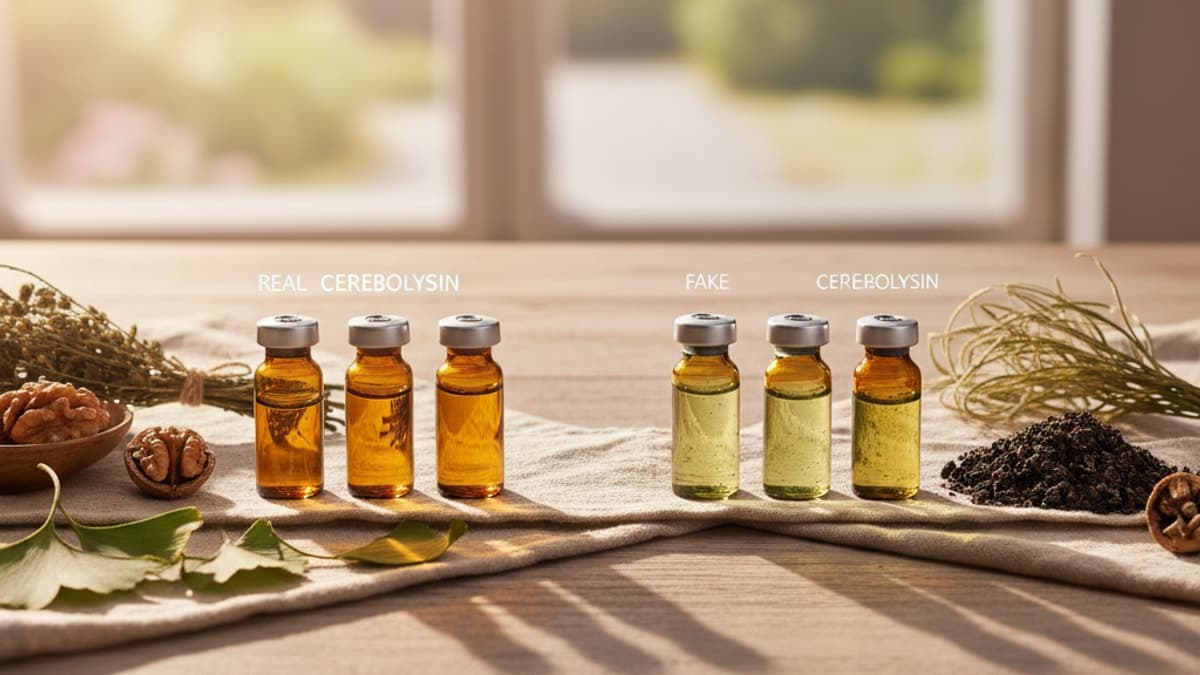
Cerebrolysin Quality Real vs Fake — Sourcing Guide
Cerebrolysin quality real vs fake hinges on batch verification, cold-chain integrity, and pharmacy source. Learn the lab tests and visual markers that

Cerebrolysin Interactions — Drug Conflicts Explained
Most researchers worry about Cerebrolysin's neurotrophic effects — but the silent risk sits in drug interaction profiles that protocol designers overlook. Combine it with the wrong compound at the wrong dose interval, and you don't just lose efficacy — you introduce safety signals that derail entire study cohorts.

Cerebrolysin for Stroke Recovery — Real Peptides
Most stroke patients regain less than 60% of lost motor function within the first six months — not because they didn't try hard enough, but because the brain's endogenous repair mechanisms plateau long before recovery is complete. Cerebrolysin changes that trajectory by activating neurotrophic pathways conventional therapy can't touch.

Cerebrolysin Before and After — Real Peptides
Cerebrolysin before and after studies show measurable cognitive and neuroprotective changes. Learn what research reveals about outcomes, timelines, and

Cerebrolysin for Neurotrophic Support — Real Peptides
Cerebrolysin isn't just another nootropic peptide — it's a complex mixture of neurotrophic factors extracted from porcine brain tissue that mimics BDNF signaling pathways most synthetic peptides can't replicate. Remove neurotrophic support and neuronal repair mechanisms stall.

Cerebrolysin for TBI Support — Research Insights
Cerebrolysin for TBI support acts through neurotrophic mechanisms shown to improve cognitive recovery in clinical trials—here’s the molecular pathway

Cerebrolysin for Brain Injury — Research Applications
Cerebrolysin for brain injury supports neuroprotection through multiple pathways including neurotrophic activity and anti-inflammatory signaling.
Cerebrolysin BDNF-like Activity — Mechanism Explained
Cerebrolysin BDNF-like activity mimics brain-derived neurotrophic factor through peptide fractions that activate TrkB receptors and promote

What Is Cerebrolysin? (Neuropeptide Mechanism) — Real
Cerebrolysin is a porcine-derived neuropeptide preparation mimicking neurotrophic factors. Learn its mechanisms, clinical use, and lab research

Cerebrolysin Oral vs Injectable — Real Peptides
Cerebrolysin oral vs injectable isn’t a fair comparison—oral forms don’t survive digestion. Only injectable delivery maintains the bioactive peptide
Cerebrolysin Safety Profile — Clinical Insights | Real
Cerebrolysin safety profile includes mild injection site reactions and rare headaches, with decades of clinical use showing favorable tolerability across
Cerebrolysin FAQ — Real Answers | Real Peptides
Cerebrolysin FAQ answers storage, dosing, and mechanism questions with clinical detail. What researchers need before starting peptide protocols.

Cerebrolysin History — Origin & Clinical Evolution
Cerebrolysin history spans 70+ years from Austrian neuroscience labs to modern neuroprotective research—discover its pharmacological evolution and
Cerebrolysin Clinical Trials 2026 — Real Peptides
Cerebrolysin clinical trials 2026 explore neuroprotective efficacy in stroke, TBI, and cognitive impairment with Phase III data showing measurable

What is FPF 1070? (Research Peptide Explained)
Most researchers searching for FPF 1070 find conflicting information about whether it even exists as a distinct compound—or if it's a mislabeled variant of something else entirely. The confusion stems from inconsistent nomenclature across peptide suppliers and research databases. Here's what the compound code actually refers to and why precision matters when sourcing research-grade peptides.

Cerebrolysin Vascular Dementia — Research Insights
Cerebrolysin isn't a cure for vascular dementia — but preclinical models suggest this peptide mixture may influence neuroplasticity, cerebral perfusion, and neuronal survival in ways standard pharmacotherapy doesn't address. The evidence is complex, the mechanisms are multi-targeted, and the clinical picture is far from settled.
Can You Take Cerebrolysin Daily? (Dosing Science)
You can take Cerebrolysin daily during treatment cycles, but continuous daily use isn’t standard practice — protocol follows injection schedules with

Cerebrolysin Alzheimer’s Disease — Research Peptide Insights
Cerebrolysin Alzheimer’s disease research focuses on neuroprotective peptide mechanisms targeting cognitive decline through neurotrophic factor modulation

How Long Cerebrolysin Vial Lasts — Storage & Stability
Cerebrolysin vial stability depends on storage temperature: unopened vials last 3 years refrigerated, reconstituted solutions remain stable 72 hours at

Cerebrolysin Stroke — Research, Mechanisms, Trials
Cerebrolysin doesn't just protect neurons after stroke—it actively triggers neuroplasticity cascades that conventional therapies can't. Remove the neurotrophic signaling, and the functional recovery window narrows by weeks.

Does Cerebrolysin Need Refrigeration? — Real Peptides
Cerebrolysin need refrigeration at 2–8°C after reconstitution. Temperature excursions above 8°C cause irreversible protein denaturation — here’s the

Cerebrolysin Stacking Guide — Research Protocols
Most research protocols fail not because of wrong peptide selection but because of incorrect timing windows that create receptor competition instead of synergy. When Cerebrolysin is stacked with the wrong compounds at the wrong intervals, you're not amplifying the neurotrophic cascade — you're diluting it.

Calculate Cerebrolysin Dosage — Research Protocol Guide
Most Cerebrolysin research protocols fail at the dosing stage, not the administration stage. A single miscalculation can render a compound ineffective or introduce unnecessary adverse event risk. Here's the exact methodology clinical researchers use to calculate Cerebrolysin dosage with precision.

Travel with Cerebrolysin — Safe Transport & Storage
Travel with Cerebrolysin requires strict cold-chain management — learn how to maintain 2–8°C during flights, border crossings, and multi-day trips without

Cerebrolysin Oral Taste — Route, Flavor & Research Use
Cerebrolysin oral taste isn’t applicable—the peptide is injectable-only. Learn why oral bioavailability fails, injection protocols, and research-grade

Cerebrolysin Degradation Reconstituted | Real Peptides
Cerebrolysin degradation reconstituted requires proper storage, controlled reconstitution, and temperature monitoring to preserve bioactive peptides —
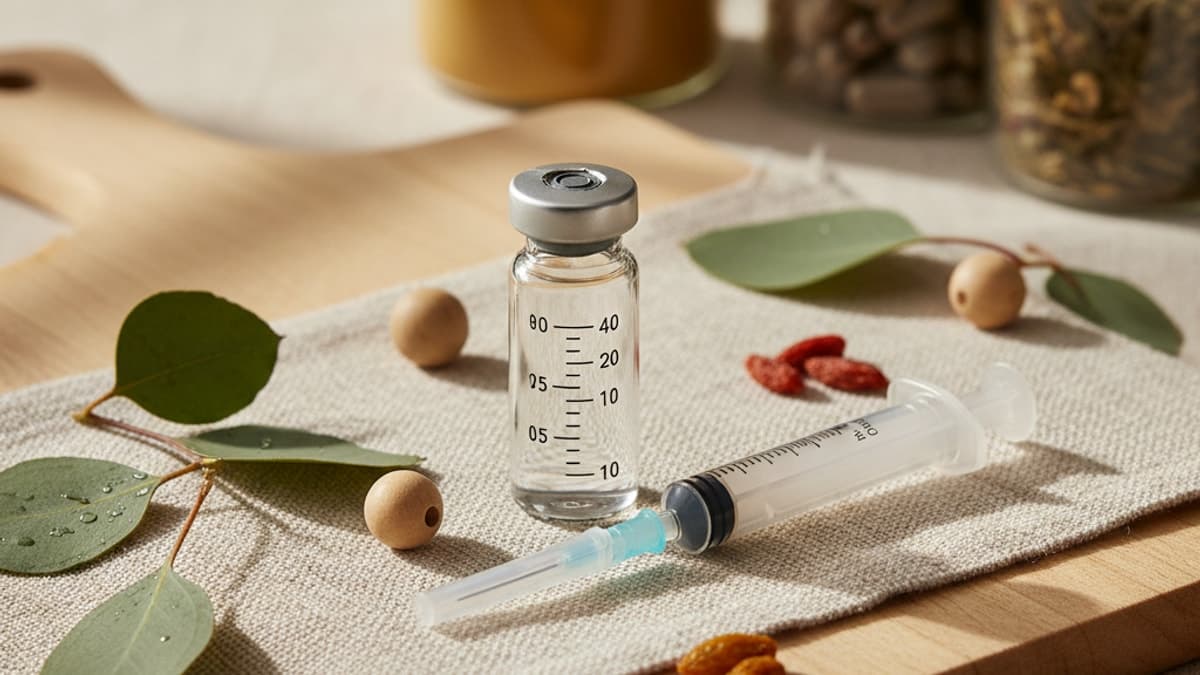
IGF-1 LR3 Vial Size — What Matters for Research Labs
IGF-1 LR3 vial sizes range from 0.1mg to 5mg per unit. Choosing the right size prevents waste and maintains peptide stability throughout your study.

IGF-1 LR3 Review 2026 — Lab Applications | Real Peptides
IGF-1 LR3 isn't just a longer-lasting version of native IGF-1 — the structural modification that extends its half-life also fundamentally changes how it interacts with binding proteins, making it a distinct research tool with properties that native IGF-1 cannot replicate.
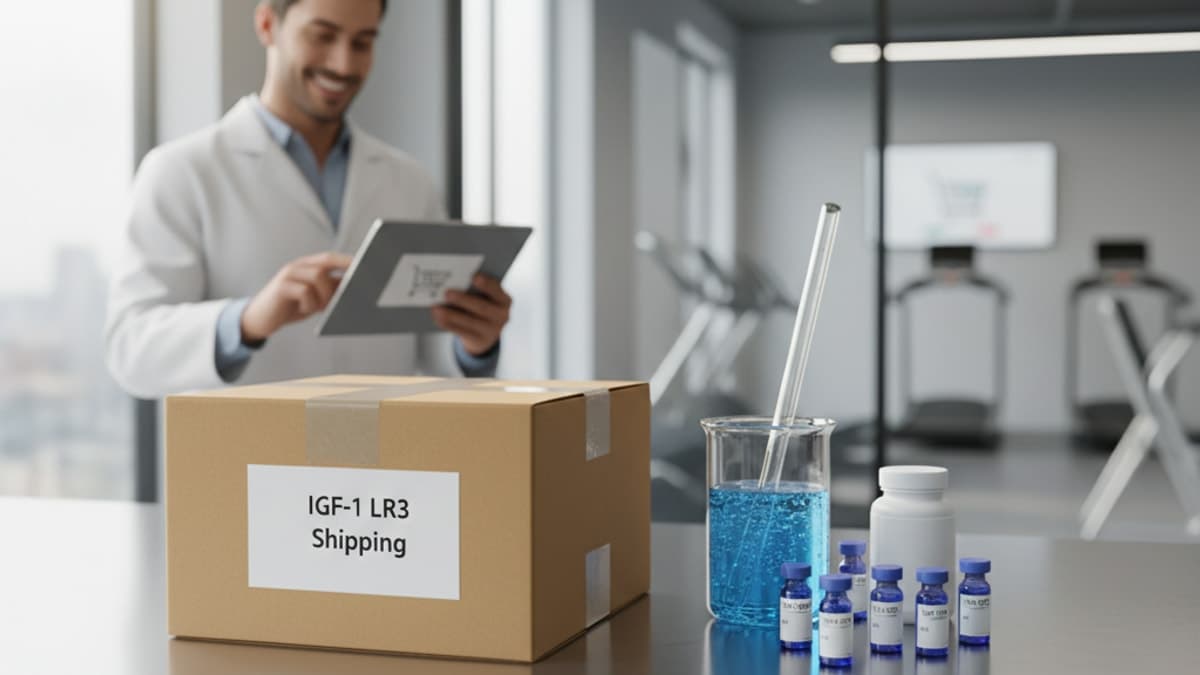
IGF-1 LR3 Shipping — Cold Chain & Delivery Risks
IGF-1 LR3 shipping demands precise cold chain protocols — even brief temperature excursions denature the peptide entirely, turning potent compounds into

Buy IGF1 LR3 — Research-Grade Peptides | Real Peptides
Most researchers don't realize that IGF1 LR3 degrades within hours if stored improperly — turning an expensive research compound into an ineffective solution. The difference between productive research and wasted resources comes down to three factors: peptide purity, proper storage protocols, and verifiable amino-acid sequencing.

Best IGF-1 LR3 for Hyperplasia — Purity Standards
Best IGF-1 LR3 for hyperplasia demands precise amino-acid sequencing and third-party verification. Small-batch synthesis matters more than price.

IGF-1 LR3 Benefits: Research Evidence and Sourcing
IGF-1 LR3 isn't a peptide. It's an 83-amino-acid protein that adsorbs to glass and aggregates on freeze-thaw, which is why most growth factor experiments fail at storage rather than at the receptor. Here's what the literature reports, and what a lot certificate has to show.

IGF-1 LR3 Side Effects — What Research Shows
IGF-1 LR3 side effects include hypoglycemia, joint pain, and organ growth—learn the mechanisms, dose relationships, and risk mitigation strategies.

IGF-1 LR3 Results Timeline — Real Peptides
Most researchers expect visible changes from IGF-1 LR3 within the first week — but the compound's half-life of 20–30 hours means tissue-level saturation doesn't occur until day 5–7, and observable lean mass changes lag behind receptor binding by two to three weeks.

IGF-1 LR3 Beginners Guide — Research Protocols
Most peptide research failures happen before the first injection — wrong reconstitution ratios, incorrect storage temperatures, or misunderstanding the 20-hour half-life difference between IGF-1 LR3 and native IGF-1. Those aren't minor details. They're the difference between reliable data and wasted compound.

IGF-1 LR3 Research Review — Real Peptides
IGF-1 LR3 research review shows extended half-life and enhanced receptor binding compared to native IGF-1, making it valuable for anabolic studies.

IGF-1 LR3 Price — Research Peptide Cost Analysis
IGF-1 LR3 price ranges from $65 to $250 per vial depending on purity and supplier verification standards for research applications.

MK-677 Oral Taste — Managing the Bitter Profile | Real
The MK-677 oral taste isn't unpleasant by accident — it's a direct consequence of the compound's molecular structure interacting with bitter taste receptors. Most complaints stem from preparation methods that maximize tongue contact time rather than minimize it. Masking strategies exist, but understanding why the taste occurs reveals better solutions.

Where to Buy IGF-1 LR3 — Research Peptide Sourcing | Real
Buy IGF-1 LR3 from FDA-registered 503B facilities that verify amino acid sequencing, purity testing, and proper cold-chain storage before shipping.

MK-677 Degradation Reconstituted — Stability and Storage
MK-677 degradation reconstituted accelerates without proper refrigeration — temperature excursions denature the growth hormone secretagogue within hours,

Best IGF-1 LR3 Supplier — Research-Grade Peptide Quality
Most researchers don't realize the best IGF-1 LR3 supplier isn't determined by price—it's defined by amino acid sequencing precision and batch-to-batch consistency that prevents failed experiments. A single contaminated vial can invalidate weeks of lab work.

Travel with MK-677 — Safe Transport and Storage Tips
Traveling with MK-677 requires temperature control, proper storage, and TSA compliance—lyophilised peptides tolerate brief ambient exposure but
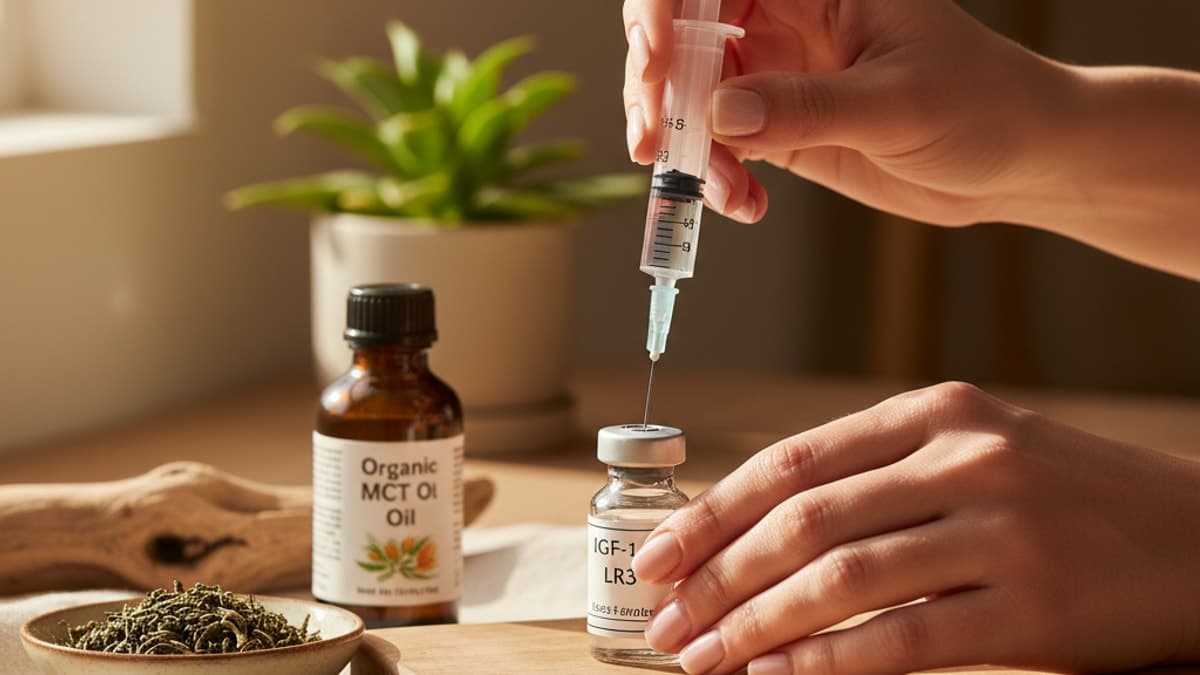
How to Reconstitute IGF-1 LR3 — Research Lab Protocol
Reconstituting IGF-1 LR3 requires bacteriostatic water, sterile technique, and precise dosing. Learn the exact protocol researchers use to maintain
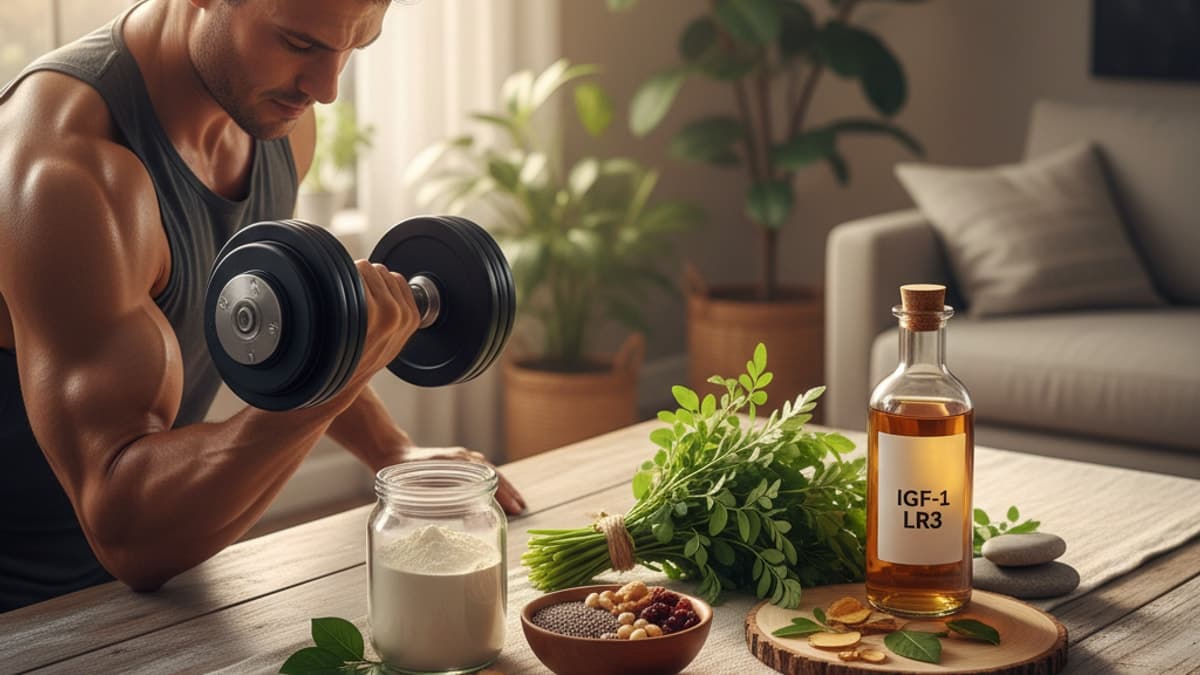
IGF-1 LR3 for Sale — Research Quality Guide | Real Peptides
IGF-1 LR3 for sale from research-grade suppliers ensures proper peptide structure and biological activity — quality standards determine experimental

How Long MK-677 Vial Lasts — Storage & Usage Guide
Most researchers don't realize that a single MK-677 vial's lifespan is determined more by storage conditions than by expiration dates. Temperature excursions above 8°C can denature the peptide structure within hours, rendering what appears to be a perfectly intact vial completely ineffective.

Calculate MK-677 Dosage — Research Protocol Guide
Most research protocols fail at the dosing stage, not the observation stage — incorrect MK-677 dosage calculations can trigger insulin resistance, edema, and data invalidation before week six. Getting the math right determines whether your study produces replicable results or expensive noise.

Can You Take MK-677 Daily? (Safety & Dosing Facts)
Daily MK-677 dosing isn't just safe—it's actually how the compound works best. Unlike growth hormone injections that require careful timing, ibutamoren's 24-hour half-life and oral bioavailability make once-daily administration the standard protocol in both clinical research and real-world use.