
Research library · 18,003 articles
The peptide research blog
Mechanisms, reconstitution, storage and study summaries — every article cited to the literature, every compound linked to its lab results. Written for laboratory research use.

Document SS-31 Research — The Mitochondrial Shield
SS-31 (elamipretide) protects mitochondrial cristae through cardiolipin binding — reducing oxidative stress and improving cellular energy production

Choose SS-31 Vial Size — What Researchers Need to Know
Choose SS-31 vial size based on study duration, dosing schedule, and storage capacity. Research protocols typically use 5mg or 10mg vials for flexibility.

Timing SS-31 Doses — Mitochondrial Protocol Precision
SS-31 dosing intervals impact mitochondrial protection—research shows twice-daily subcutaneous administration maintains therapeutic plasma levels. Timing

How to Read SS-LUP-332 COA — Peptide Purity Verification
Learn how to read SS-LUP-332 COA documents with HPLC data, MS verification, and purity thresholds that confirm research-grade peptide quality and batch

How to Run SS-LUP-332 Cycle — Protocol Guide
Learn how to run SS-LUP-332 cycle with exact dosing, timing protocols, and reconstitution steps for research applications in metabolic and fat-loss

How to Inject Thymosin Alpha-1 Subq — Real Peptides
Most peptide protocols fail at injection technique — not because users lack coordination, but because they skip the critical reconstitution step that determines whether thymosin alpha-1 remains stable enough to work. Injecting air into the vial during mixing creates pressure differentials that pull contaminants through the needle on every subsequent draw.

How to Mix Thymosin Alpha-1 — Reconstitution Protocol
Learn the exact steps to safely mix thymosin alpha-1 peptide with bacteriostatic water. Avoid denaturation, contamination, and dosing errors.

Rotate Thymosin Alpha-1 Injection Sites — Absorption Guide
Rotating thymosin alpha-1 injection sites prevents tissue damage and maintains consistent absorption. Learn the proper technique and timing for optimal

How to Store Thymosin Alpha-1 Long Term — Peptide Guide
Store thymosin alpha-1 long term at −20°C unreconstituted or 2–8°C reconstituted for up to 28 days. Temperature excursions denature peptides irreversibly.

How to Calculate Thymosin Alpha-1 Concentration — Precision
Calculate thymosin alpha-1 concentration accurately using peptide mass, molecular weight, and solvent volume. Learn reconstitution math, dilution

Verify Thymosin Alpha-1 Purity — Lab Testing Standards
Verify thymosin alpha-1 purity through HPLC analysis, mass spectrometry, and amino acid sequencing — standards exceed 98% purity for research-grade

Choose Thymosin Alpha-1 Vial Size — Research Protocol Guide
Most researchers choose thymosin alpha-1 vial sizes without accounting for reconstitution stability. A 10mg vial delivers 20–40 doses depending on protocol design—but only if stored correctly after reconstitution. Choosing incorrectly wastes peptide through degradation or forces mid-protocol vial changes.

Time Thymosin Alpha-1 Doses — Protocol and Scheduling Guide
Thymosin alpha-1 dosing follows specific timing protocols: subcutaneous injections 1–2× weekly, 1.6–6.4mg per dose, with 12–48 hour intervals for optimal

How to Run Thymosin Alpha-1 Cycle — Protocol & Timing
Learn how to run thymosin alpha-1 cycle safely with precise dosing, timing, and reconstitution steps used in clinical immune research protocols.
How to Calculate Thymalin Concentration — Precise Method
Calculate thymalin concentration accurately using spectrophotometry at 280nm and the Beer-Lambert law. Includes dilution ratios, pipetting technique, and

How to Read Thymosin Alpha-1 COA — Lab Verification Guide
Learn to read thymosin alpha-1 COA documents: purity thresholds, HPLC interpretation, and contamination markers explained for peptide verification.

How to Inject Thymalin Subq — Protocol & Safety Guide
Most thymalin injection failures happen during reconstitution — not the injection itself. The peptide degrades rapidly if mixed incorrectly or stored above 8°C, turning an immune-modulating compound into an expensive saline shot.
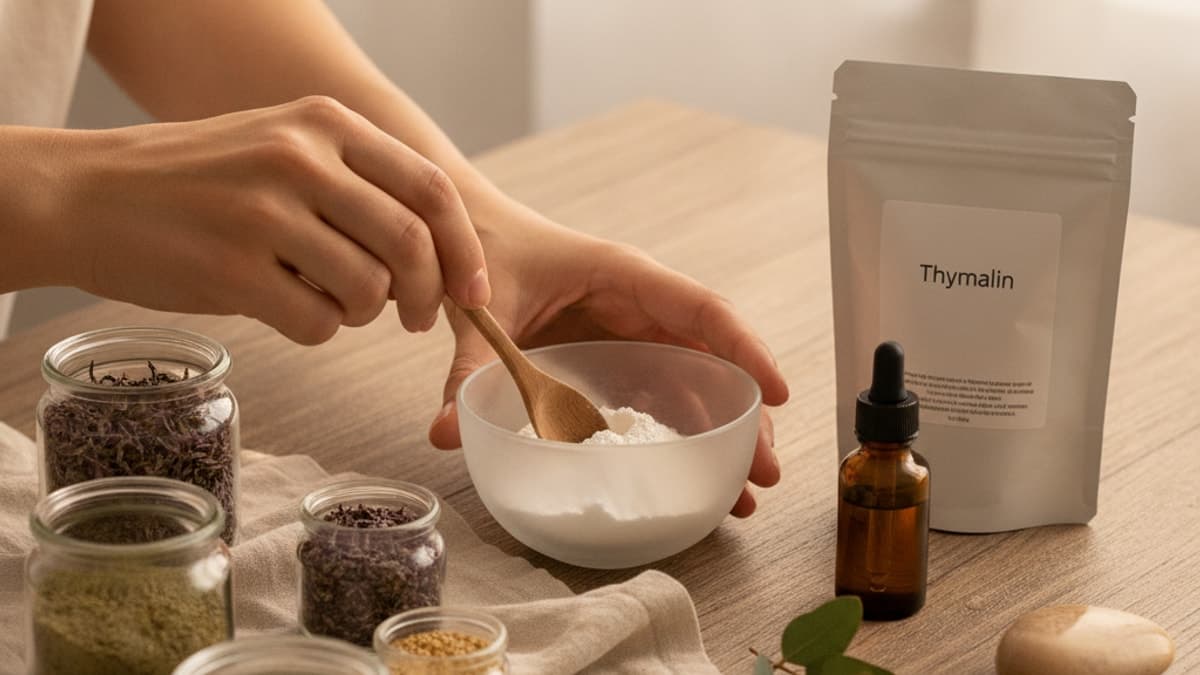
How to Mix Thymalin — Research-Grade Reconstitution Guide
Mix thymalin correctly using bacteriostatic water at 2–8°C. Step-by-step reconstitution protocol prevents protein denaturation and ensures research-grade
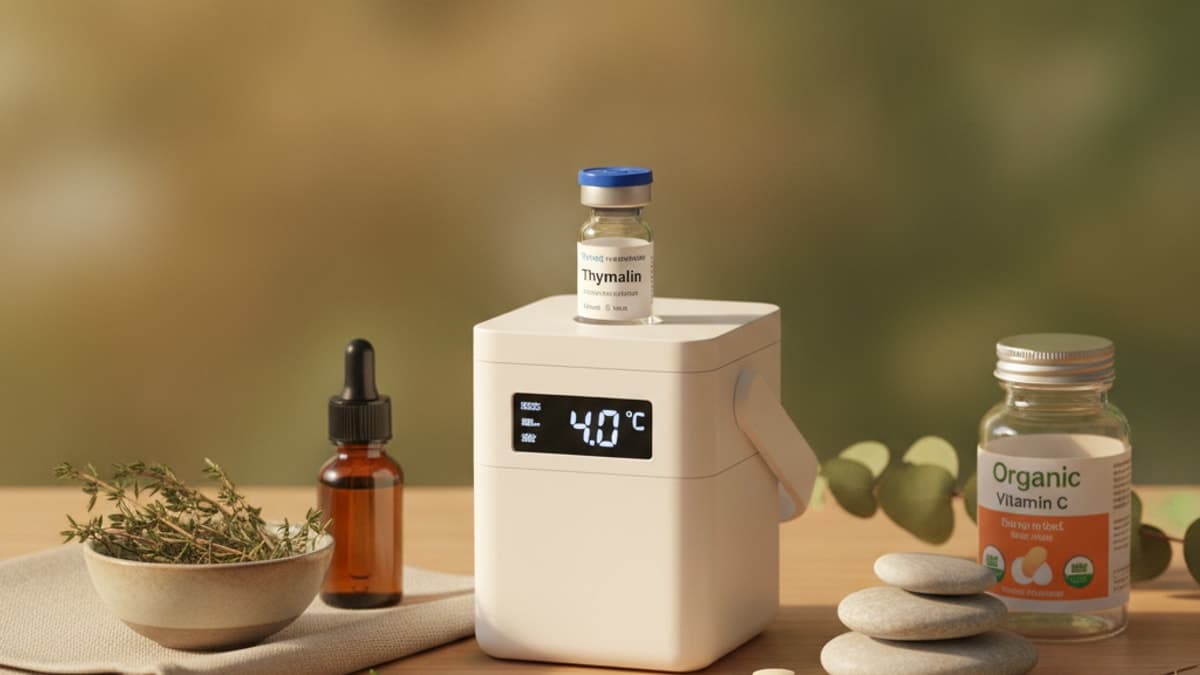
How to Store Thymalin Long Term — Stability & Best Practices
Thymalin requires storage at −20°C before reconstitution and 2–8°C after mixing. Stability drops sharply above 8°C. Store correctly or lose potency.

Rotate Thymalin Injection Sites — Safe Protocol Guide
Rotating thymalin injection sites prevents tissue scarring, maintains absorption consistency, and reduces injection-related complications over extended

Avoid Thymalin Reconstitution Errors — Expert Protocol
Avoid thymalin reconstitution errors by following precise sterile technique, bacteriostatic water ratios, and temperature control protocols that preserve

How to Read Thymalin COA? (Batch Verification Guide)
A Certificate of Analysis (COA) confirms peptide purity, identity, and sterility through HPLC, MS, and LAL testing — here’s how to decode yours correctly.

Verify Thymalin Purity — Lab Methods & Standards
Most peptide research failures aren't protocol errors — they're purity problems traced back to inadequate supplier verification. Without documented analytical testing, you're injecting assumptions into controlled studies where precision matters most.

How to Run Thymalin Cycle — Protocol & Timing Guide
Most peptide cycles fail at the timing stage, not the dosing stage. Thymalin isn't taken continuously — it's run in short, concentrated bursts followed by long breaks. Without the break, the immune-modulating effect plateaus within weeks.

Document Thymalin Research — Evidence & Study Analysis
Document thymalin research shows immune modulation through thymus-derived peptide signaling. Clinical trials demonstrate T-cell regulation, but evidence

Choose Thymalin Vial Size — Dosing & Storage Guide
Choose thymalin vial size based on protocol duration and reconstitution needs. Multi-dose vials reduce waste; single-dose vials maximize sterility.

Thymalin Dosing Protocol — Timing and Administration
Thymalin doses follow subcutaneous injection cycles: 5–10mg per dose, administered 2–3 times weekly for immune modulation, with optimal timing before

How to Calculate VIP Concentration? (Peptide Dosing Guide)
Most peptide reconstitution failures happen at the calculation stage — not during injection. A miscalculated VIP concentration can turn a 5mg vial into either a sub-therapeutic dose or an unintentionally high one, and neither the liquid's appearance nor your initial response will tell you which mistake you made.

How to Inject VIP Subq — Preparation, Technique & Safety
The biggest mistake researchers make with VIP isn't the injection itself — it's the reconstitution. A single contamination event or air bubble during mixing can degrade vasoactive intestinal peptide before you ever draw a dose.

Rotate VIP Injection Sites — Prevent Tissue Damage
Most peptide protocols fail not at the injection stage but at site rotation. Skip proper rotation and you're looking at lipohypertrophy—permanent tissue thickening that reduces absorption by 30–50%. This piece covers why rotation matters mechanically, which anatomical zones to use, and the exact timing that allows tissue recovery between injections.

How to Read VIP COA? (Certificate of Analysis Explained)
Learn how to read VIP COA documents to verify peptide purity, confirm identity, and check manufacturing standards before using research compounds.

How to Mix VIP Peptides — Reconstitution Done Right
Mix VIP (Vasoactive Intestinal Peptide) correctly by reconstituting lyophilized powder with bacteriostatic water at precise ratios to preserve bioactivity

Verify VIP Purity — Research-Grade Peptide Standards
Third-party HPLC analysis isn't optional — it's the only method that confirms peptide purity at the molecular level. Without it, you're trusting marketing claims over measurable chemistry. At Real Peptides, every batch undergoes independent verification before it reaches your lab.

How to Run VIP Cycle — Safe Protocol Guide
Running a VIP cycle isn't about taking the highest dose you can tolerate — it's about receptor priming, dose escalation timing, and strategic off-periods that prevent the single most common failure mode: pituitary desensitisation that kills growth hormone output before week six.

Verify Survodutide Purity — Testing Standards Explained
Learn to verify survodutide purity using HPLC, mass spectrometry, and third-party COAs — ensure your research compounds meet pharmaceutical-grade

How to Run Survodutide Cycle — Protocol & Timeline
Most survodutide protocols fail not during the injection phase — but during reconstitution and dose escalation. The medication's dual GIP/GLP-1 receptor mechanism requires precise titration schedules that most guides oversimplify. Here's how to run a survodutide cycle correctly from first injection through maintenance dosing.

Time Survodutide Doses — Optimal Scheduling for Research
Most researchers don't realize that timing survodutide doses improperly can reduce GLP-1/glucagon receptor occupancy by 40% within 72 hours. The compound's unique dual-agonist architecture creates a dosing window that differs significantly from single-pathway peptides like semaglutide.

Choose Survodutide Vial Size — Dosing and Storage Guide
Choose survodutide vial size based on protocol duration, dosing precision needs, and cold-chain storage capacity. Proper sizing prevents waste and

How to Inject Mazdutide Subq — Step-by-Step Protocol
Learn how to inject mazdutide subq safely with proper needle angle, injection site rotation, and dosage reconstitution. Expert protocol for peptide

How to Mix Mazdutide — Reconstitution Guide
Mix mazdutide correctly by adding bacteriostatic water slowly along vial walls, avoiding foam. Store at 2–8°C and use within 28 days after reconstitution.

Document Survodutide Research — Clinical Protocols & Data
Survodutide research documentation requires precise protocol adherence, proper sample storage, and comprehensive data tracking to ensure reproducible

Rotate Mazdutide Injection Sites — Proper Technique Guide
Most patients starting mazdutide focus on dose timing and refrigeration — and completely overlook the injection site rotation protocol. That oversight compounds across weeks into permanent tissue damage.

Avoid Mazdutide Reconstitution Errors — Pro Tips
Avoid mazdutide reconstitution errors with precise protocols. Temperature control, sterile technique, and proper mixing prevent peptide degradation

How to Read Mazdutide COA — Purity & Potency Guide
Learn how to read mazdutide COA documents to verify purity, potency, and safety. Understand peptide testing standards and what each metric means.

How to Calculate Mazdutide Concentration — Precision Dosing
Calculate mazdutide concentration accurately using vial mass, target dose, and reconstitution volume. Peptide researchers rely on exact math — we’ll show

How to Run Mazdutide Cycle — Protocol & Safety Guide
Most peptide protocols fail at the reconstitution stage — not during administration. The gap between effective mazdutide use and wasted product comes down to temperature control, precise dosing intervals, and understanding the dual GLP-1/glucagon receptor mechanism that separates this peptide from single-agonist compounds.

How to Store Mazdutide Long Term — Research Protocol
Most peptide storage failures happen before the first injection — not during it. Temperature excursions above 8°C cause irreversible protein denaturation in reconstituted mazdutide, turning an effective GLP-1/GIP dual agonist into saline. The difference between maintaining therapeutic potency and wasting research material comes down to three storage checkpoints most protocols never mention.

Timing Mazdutide Doses — Optimal Schedule & Injection Tips
Mazdutide requires once-weekly subcutaneous injection at consistent intervals. We cover timing protocols, dose escalation schedules, and the mechanisms

How to Inject Orforglipron Subq — Step-by-Step Protocol
Learn how to inject orforglipron subq correctly with precise technique, site rotation protocols, and troubleshooting steps researchers need for consistent

How to Calculate Orforglipron Concentration? (Step-by-Step)
Calculate orforglipron concentration accurately using molecular weight, solvent volume, and dosing factors. Learn the exact formula, common errors, and

How to Mix Orforglipron — Preparation Protocol Explained
Orforglipron doesn't require mixing — it's a tablet-based GLP-1 receptor agonist taken orally once daily. The confusion around mixing orforglipron stems from comparisons to injectable peptides like semaglutide and tirzepatide, which do require reconstitution with bacteriostatic water before subcutaneous administration.

Choose Mazdutide Vial Size — Dosing Protocol Guide
Most researchers make a critical error when they choose mazdutide vial size — they base it on cost per milligram rather than usability window. A 10mg vial costs less per dose, but if your protocol calls for 1mg weekly injections, you're left with nine weeks of peptide degrading in the fridge.

How to Store Orforglipron Long Term — Temperature &
Temperature excursions kill orforglipron faster than expiration dates. A single four-hour window above 8°C can denature peptide bonds irreversibly — turning therapeutic compound into inert protein fragments. This guide covers the exact storage protocols that preserve molecular integrity across months.

Avoid Orforglipron Reconstitution Errors — Safe Prep Guide
The costliest mistake in orforglipron preparation isn't contamination — it's denaturation through improper reconstitution. Temperature-induced protein aggregation destroys therapeutic potential before the first injection, yet most resources focus exclusively on sterile technique while ignoring solution chemistry.

Rotate Orforglipron Injection Sites — Key Protocol
Most orforglipron protocols skip a critical detail: site rotation matters even though the compound is oral. The reason has nothing to do with injection-site reactions — it's about maintaining consistent pharmacokinetic stability across treatment cycles. Skip rotation, and you'll see measurable variability in plasma levels within four weeks.

How to Read Orforglipron COA — Lab Verification Guide
Learn how to read orforglipron COA documents correctly. Understand purity percentages, HPLC peaks, and contamination markers that verify peptide quality.

Verify Orforglipron Purity — Research-Grade Testing Methods
Verify orforglipron purity with HPLC-MS analysis, third-party COA verification, and molecular fingerprinting. Research-grade standards require 98%+

How to Run Orforglipron Cycle — Protocol & Timing Guide
Run orforglipron cycle correctly with precise timing, dose escalation, and safety protocols. Includes washout periods, side effect management, and cycle

Document Orforglipron Research — Clinical Evidence Guide
Document orforglipron research reveals oral GLP-1 mechanism, Phase 3 SURMOUNT-1 results, 14.7% weight loss efficacy, and FDA development timeline —

Choose Orforglipron Vial Size — Dosing & Storage Guide
Choosing the right orforglipron vial size depends on your dosing protocol and storage capacity. Learn how 5mg, 10mg, and 15mg vials differ in practical