
How to Store Cartalax Long Term — Cold Storage Protocol

Cartalax peptide requires −20°C freezer storage long term. Reconstituted vials last 28 days refrigerated at 2–8°C. Temperature excursions cause



Your blog category
Cartalax peptide requires −20°C freezer storage long term. Reconstituted vials last 28 days refrigerated at 2–8°C. Temperature excursions cause
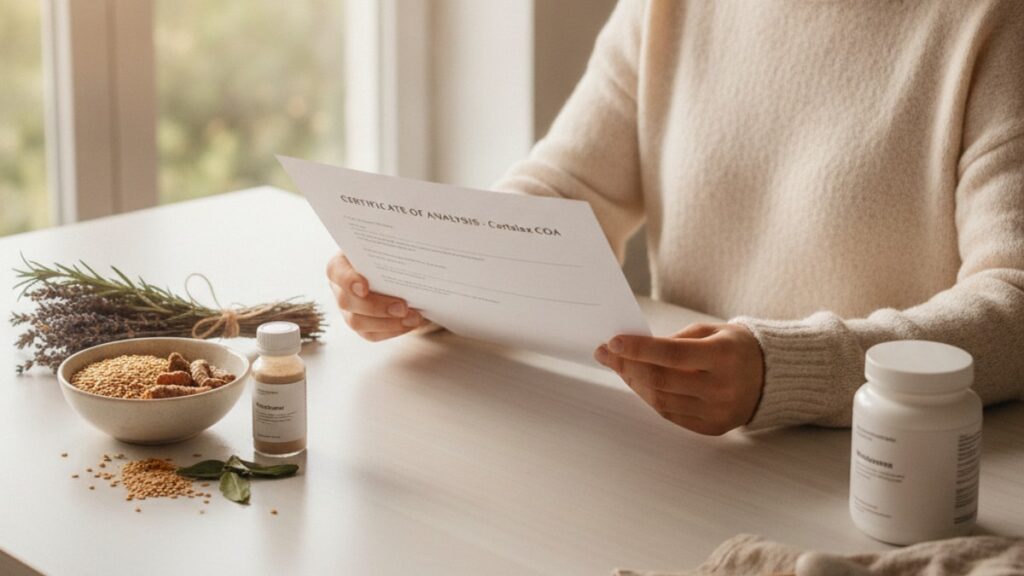
Cartalax COA reports reveal purity, peptide content, and contamination levels through HPLC, mass spec, and endotoxin data — here’s what matters most.

Run cartalax cycle correctly: 10–20 days at 10mg/day, subcutaneous or oral. Includes reconstitution steps, timing, cycle length, and post-cycle protocols.

Cartalax peptide works best when dosed at specific intervals — typically 10–20 days cyclically or 5–10 micrograms daily. Timing directly influences tissue

Calculate SS-31 concentration using mass, volume, and molecular weight—precision matters for peptide research. Learn correct reconstitution methods and
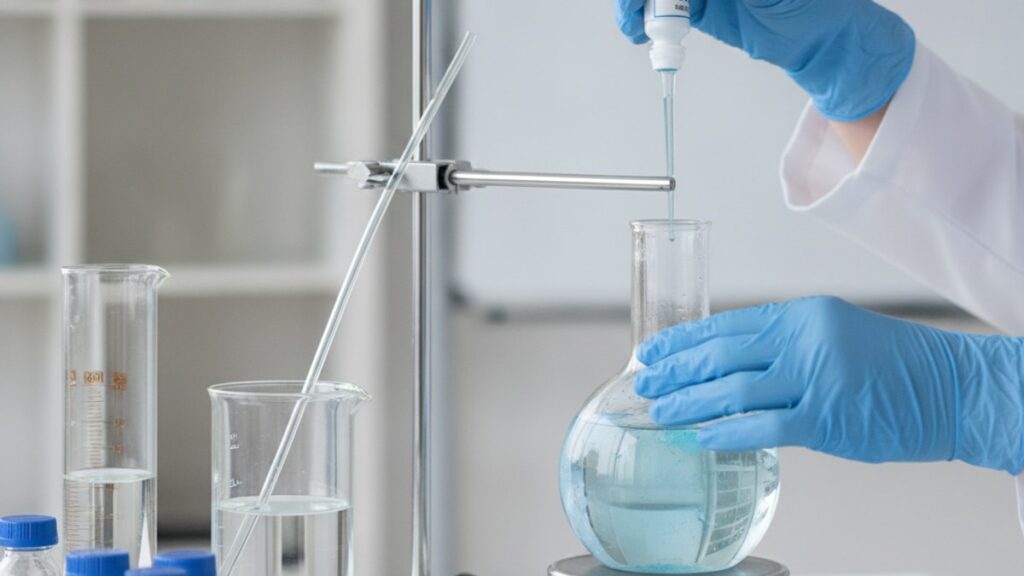
SS-31 reconstitution requires bacteriostatic water, sterile technique, and gentle mixing to preserve peptide integrity. Learn the exact protocol here.
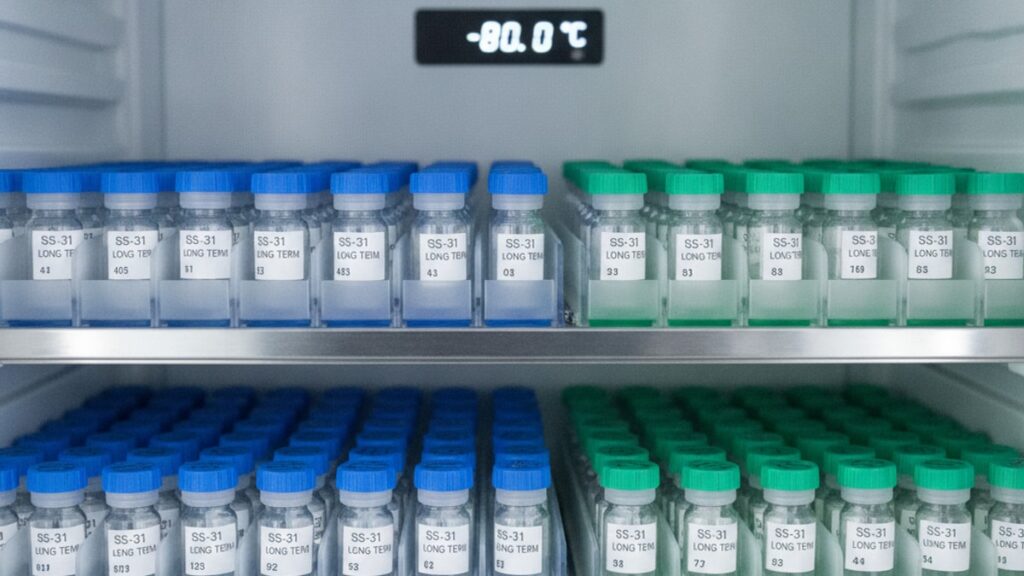
SS-31 peptide requires −20°C storage before reconstitution and 2–8°C after mixing with bacteriostatic water. Temperature excursions cause irreversible

SS-31 subcutaneous injections require bacteriostatic water reconstitution, 27–30 gauge needles, and slow 45° angle administration to minimize tissue
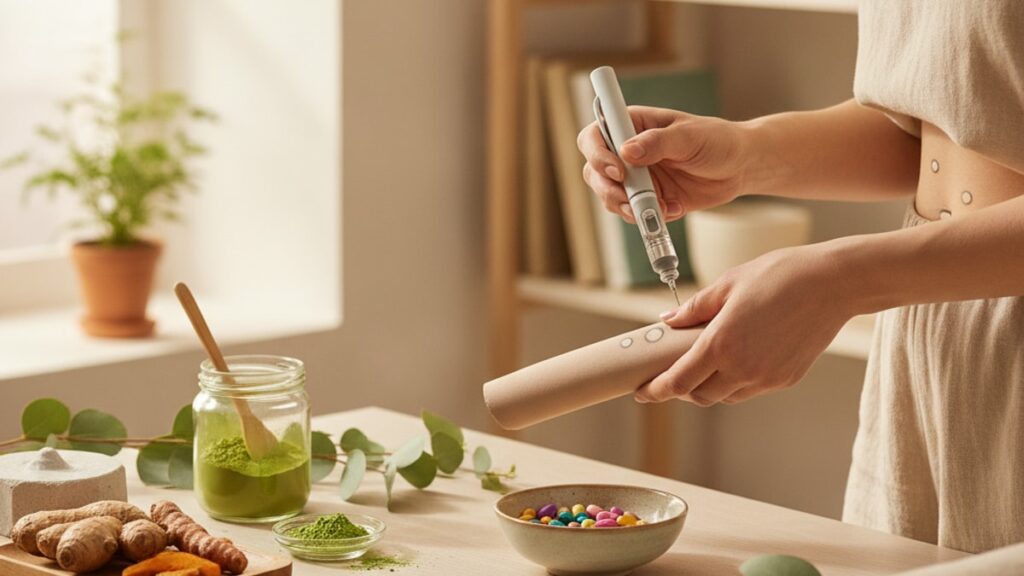
Rotating SS-31 injection sites prevents lipohypertrophy, tissue damage, and absorption variability. Learn the anatomical zones, rotation patterns, and

Learn how to read SS-31 CoA documents with confidence. Understand HPLC data, purity percentages, and quality markers that validate peptide research
