
What Temperature Should Melanotan-1 Be Stored At?
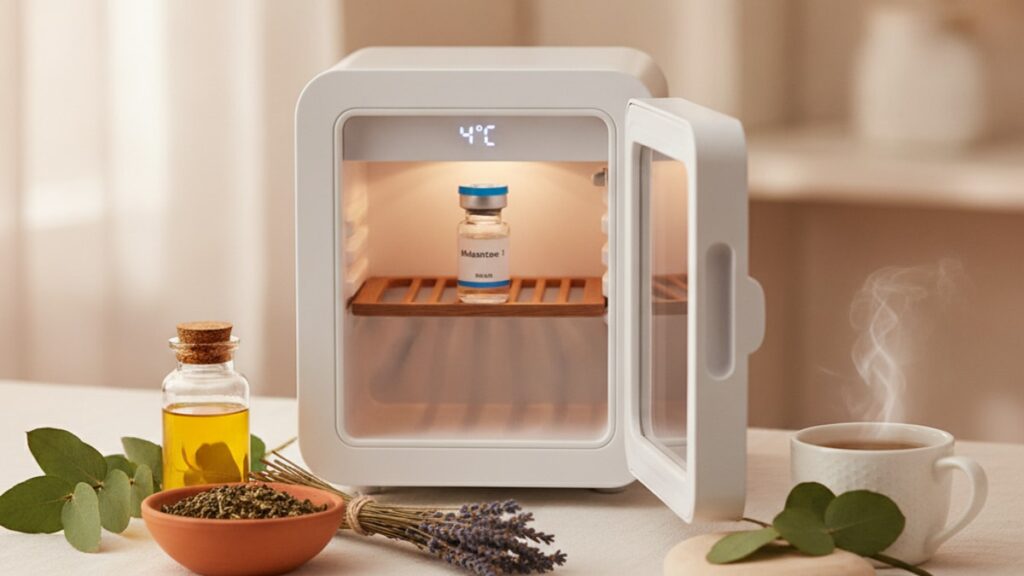
Melanotan-1 must be stored at 2–8°C once reconstituted and used within 30 days. Unreconstituted vials stay stable at −20°C for years.



Your blog category
Melanotan-1 must be stored at 2–8°C once reconstituted and used within 30 days. Unreconstituted vials stay stable at −20°C for years.

Melanotan-1 activates melanocortin receptors differently than growth hormone peptides, GLP-1 agonists, or nootropics — understanding mechanism specificity

Melanotan-1 in solution appears as clear to slightly amber liquid when properly reconstituted. Learn visual cues for degradation, proper storage, and

Melanotan-1 gained traction in research circles for its photoprotective properties and melanogenesis activation — driving interest in dermatology and

Melanotan-1 concentration ranges from 1mg/mL to 10mg/mL depending on protocol type, dosing frequency, and receptor saturation testing requirements.

Melanotan-1 and MT-1 are identical — the same alpha-MSH analog used in melanogenesis research. Learn formulation differences, purity standards, and

Oxytocin typically demonstrates measurable effects within 15–90 minutes of administration in research protocols, depending on delivery route and receptor

Studies confirm oxytocin has a strong safety profile in controlled trials. Research from Yale and Stanford shows minimal adverse effects when properly

Oxytocin increases prosocial behavior in controlled settings but shows inconsistent effects across populations and contexts. Real-world translation

Synthetic oxytocin remains the first-line uterotonic for labor induction despite moderate efficacy — 50–70% successful onset, with response variability
