
Cerebrolysin vs P21 — Key Differences for Cognitive Research
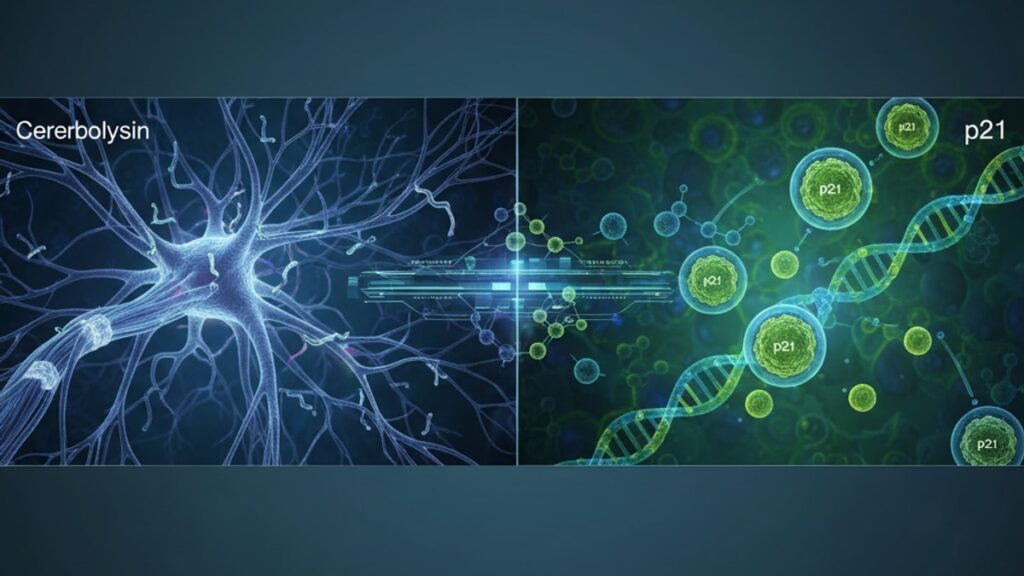
Cerebrolysin and P21 differ fundamentally in composition, mechanism, and application — one is a multi-peptide extract, the other a synthetic fragment.



Your blog category
Cerebrolysin and P21 differ fundamentally in composition, mechanism, and application — one is a multi-peptide extract, the other a synthetic fragment.

P21 significantly enhances BDNF expression via CREB pathway activation, making it a critical tool for neuroplasticity and cognitive research.
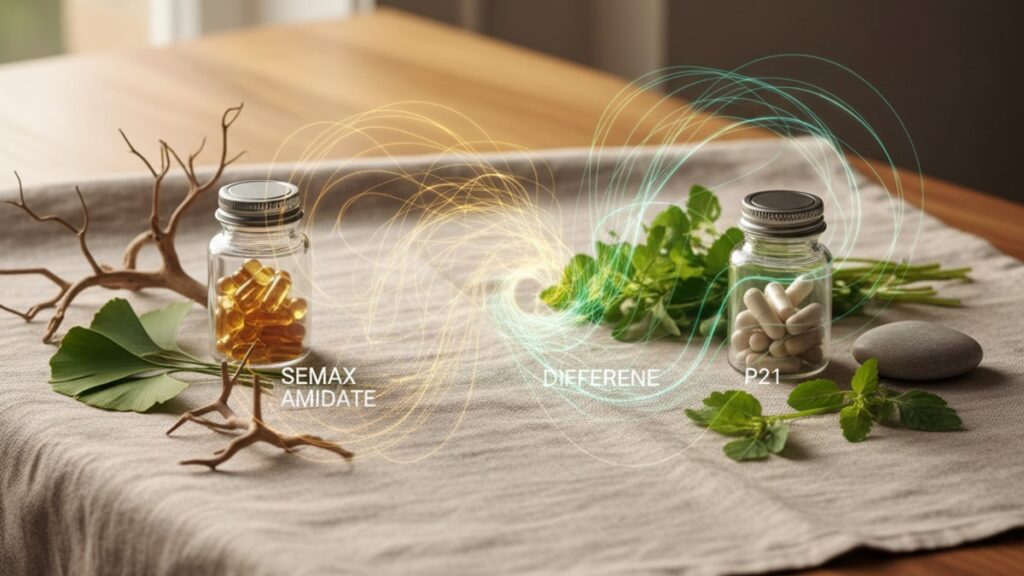
Semax Amidate enhances cognition through BDNF modulation; P21 promotes neurogenesis via CNTF pathways — understand key structural differences.

MOTS-c shows minimal side effects at standard research doses — injection site reactions and mild fatigue are most common, resolving within 48 hours.

MOTS-c is a mitochondrial-derived peptide that regulates cellular metabolism, insulin sensitivity, and energy production through AMPK pathway activation.

MOTS-c dosage protocols range from 5mg to 15mg weekly for metabolic research. Learn reconstitution, timing, and research-grade preparation standards.

Can you take MOTS-c orally? Yes — but absorption is 3–8% vs subcutaneous. Direct bioavailability research and administration protocols explained.

MOTS-c has no FDA approval — it’s classified as a research peptide, not a drug product or supplement.

MOTS-c legal status in 2026 remains unregulated by FDA as a research-grade peptide, legal for laboratory use but not clinical prescription.

MOTS-c requires refrigeration at 2–8°C after reconstitution and freezing at −20°C before mixing to preserve peptide integrity and biological activity.
