
Can Cerebrolysin Be Combined With Other Peptides? (Expert

Cerebrolysin stacks safely with nootropic peptides like Semax, BPC-157, and growth hormone secretagogues when dosing schedules and administration routes



Your blog category
Cerebrolysin stacks safely with nootropic peptides like Semax, BPC-157, and growth hormone secretagogues when dosing schedules and administration routes

Both contain peptide complexes derived from porcine brain tissue, but manufacturing standards, peptide concentrations, and country-specific formulations

Cerebrolysin typically administered in research via intravenous infusion at 10–60 mL/day for 10–21 days, following neuroprotective trial protocols across

Cerebrolysin demonstrates mild-to-moderate side effects in clinical trials — primarily headache, dizziness, and injection site reactions in 10–25% of

Cerebrolysin’s half-life ranges 2.5–8 hours depending on administration route and dose, with neuroprotective effects persisting 24–48 hours beyond plasma

Cerebrolysin is legal to purchase from licensed suppliers for research purposes under FDA guidelines — proper documentation and facility credentials are
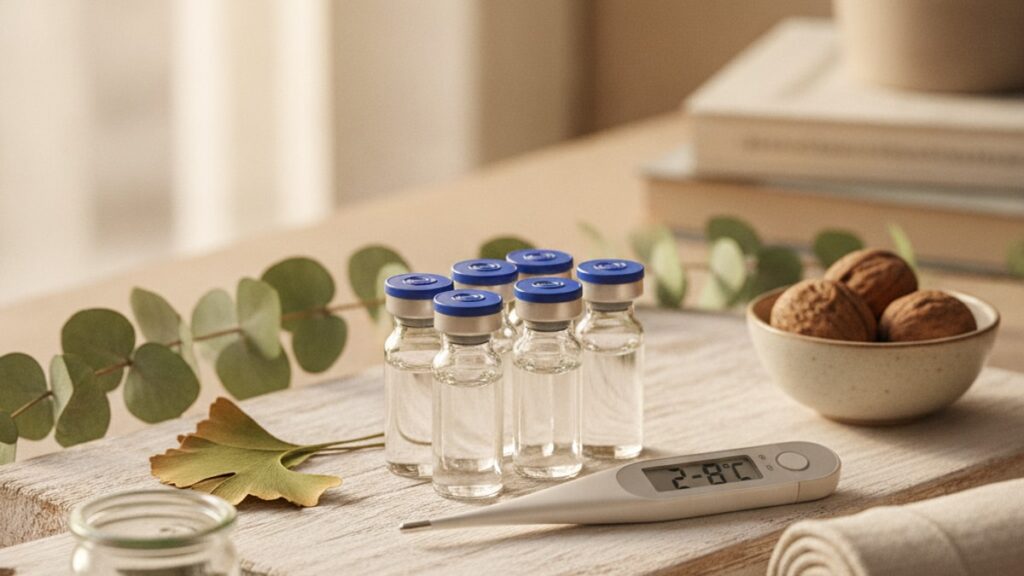
Cerebrolysin must be stored at 15–25°C (59–77°F) before opening. Refrigeration at 2–8°C extends stability post-reconstitution. Temperature excursions

Cerebrolysin is a peptide mixture derived from porcine brain tissue with neuroprotective effects distinct from synthetic peptides like BPC-157, which

Cerebrolysin solution appears clear to pale yellow with no visible particles — cloudiness or sediment means degradation. Temperature control matters more

Cerebrolysin requires controlled storage at 2–8°C, exact dosing protocols, and validated administration routes to maintain peptide integrity and
