
Melanotan-2 MC1R/MC4R Non-Selective Mechanism Explained
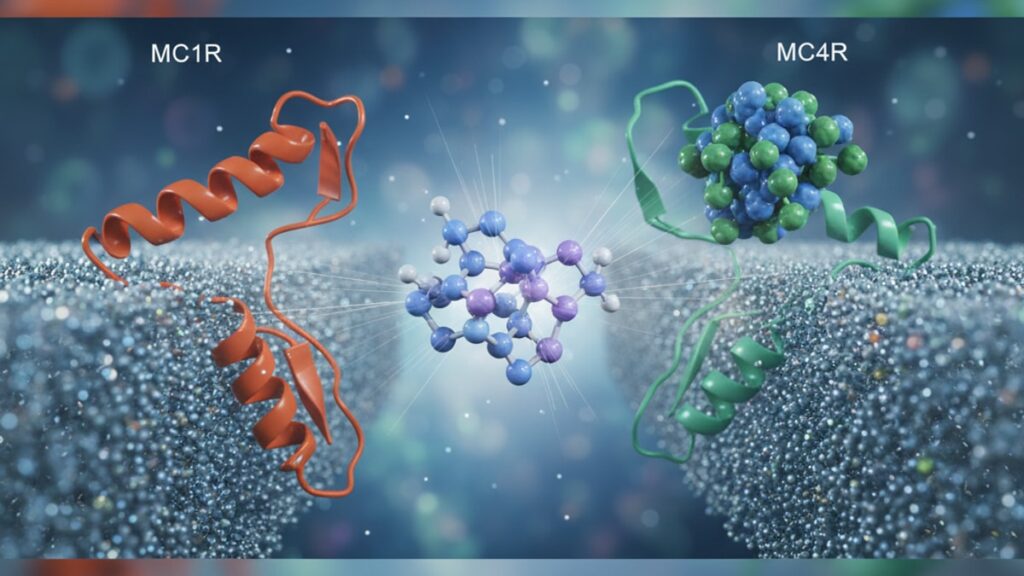
Melanotan-2 activates both MC1R (melanogenesis) and MC4R (appetite suppression) receptors simultaneously — the dual binding creates unintended metabolic



Your blog category
Melanotan-2 activates both MC1R (melanogenesis) and MC4R (appetite suppression) receptors simultaneously — the dual binding creates unintended metabolic

Melanotan-1 bioavailability varies from less than 1% oral to near-complete via subcutaneous injection — administration route determines clinical efficacy

Oxytocin signaling pathway activates G-protein coupled receptors to regulate social bonding, uterine contraction, and stress response through distinct

Oxytocin pharmacokinetics reveal a half-life under 10 minutes, rapid hepatic clearance, and intranasal bioavailability challenges critical for research

Oxytocin biomarkers measure social bonding hormone levels through plasma, saliva, and CSF sampling, revealing insights into mental health and attachment

Oxytocin receptor pharmacology explains G-protein coupled receptor mechanics, ligand binding dynamics, and downstream signaling cascades that regulate

Oxytocin downstream effects include vasopressin receptor cross-activation, GnRH suppression, and inflammatory pathway modulation — effects that reshape

Oxytocin gene expression is controlled by specific transcription factors that activate OXT mRNA in magnocellular neurons — a process that determines

Animal models reveal oxytocin mechanisms, but human studies uncover cognitive and social effects animal research cannot predict. Translation gaps matter.

Oxytocin bioavailability varies drastically by route: IV reaches near-100%, nasal spray 3–5%, oral is negligible. Route determines therapeutic outcome
