
KPV Bioavailability — Absorption Routes & Research Data
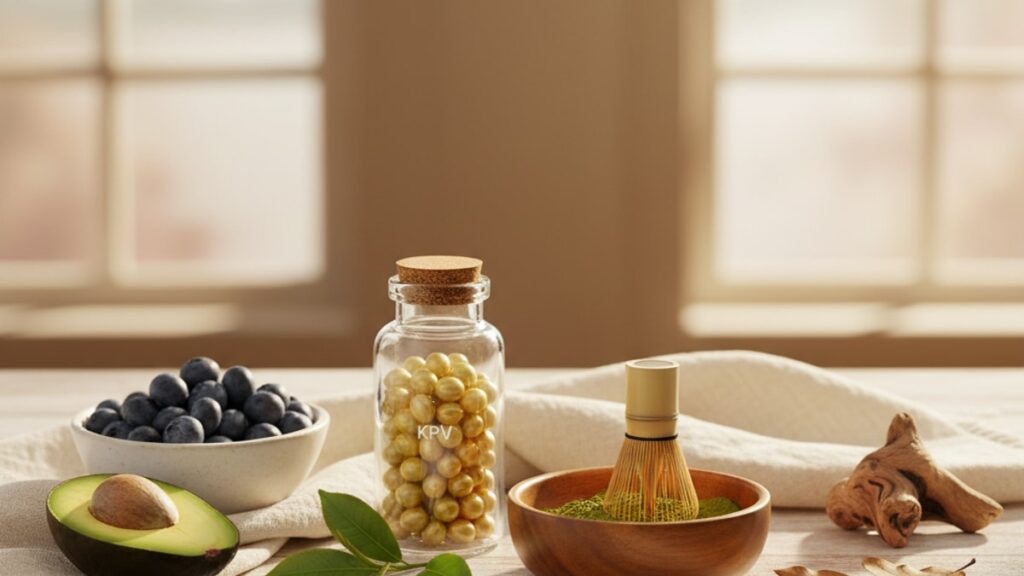
KPV bioavailability varies dramatically by route: oral absorption sits near 10–15%, while subcutaneous delivery reaches 85–90%. Research-backed data on



Your blog category
KPV bioavailability varies dramatically by route: oral absorption sits near 10–15%, while subcutaneous delivery reaches 85–90%. Research-backed data on
KPV tripeptide demonstrates anti-inflammatory activity through α-MSH pathway modulation with distinct metabolic stability patterns critical for research
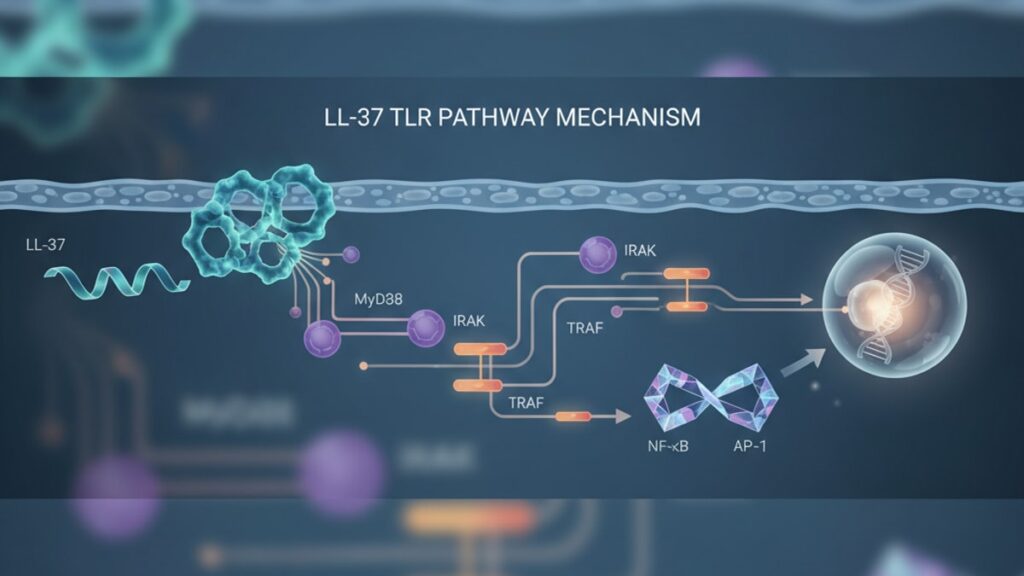
LL-37 activates TLR pathways to trigger immune defense responses, modulating inflammation and antimicrobial activity through receptor-specific signaling
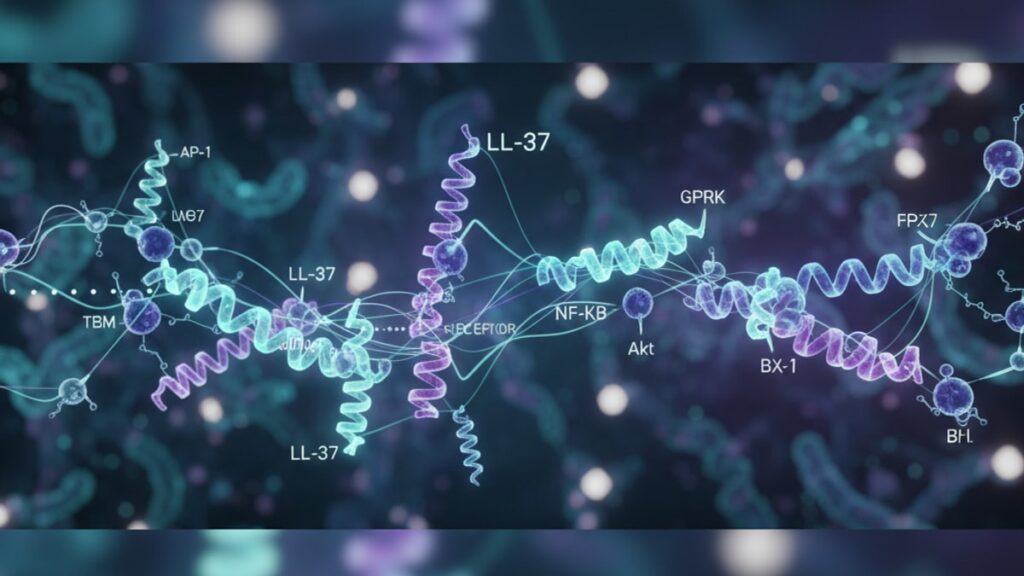
LL-37 signaling pathway activates immune responses through Toll-like receptors, regulates inflammation, and influences wound healing across multiple cell

LL-37 biomarkers reveal immune status, infection response, and chronic inflammation through measurable peptide levels tied to antimicrobial defense

LL-37 gene expression drives antimicrobial peptide production through the CAMP gene, regulating immune responses and controlling inflammation across
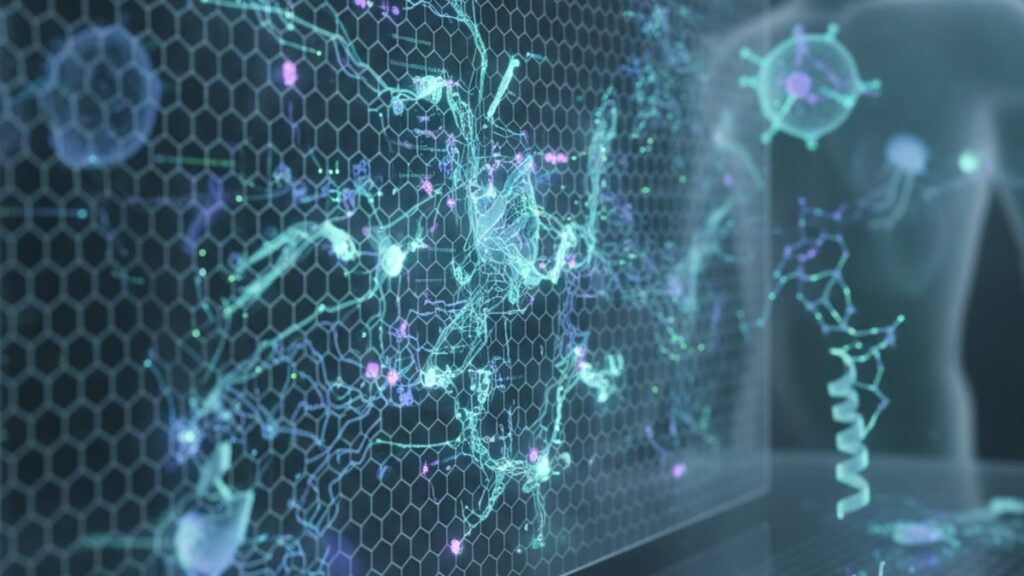
LL-37 downstream effects include immune cell recruitment, angiogenesis, wound healing, and antimicrobial signaling. Learn the pathways LL-37 activates
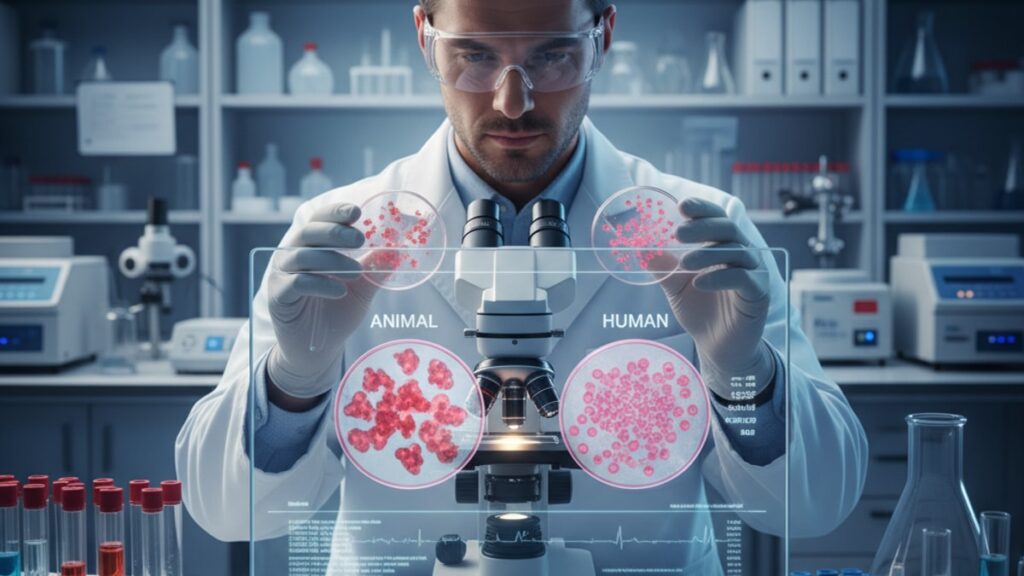
LL-37 shows antimicrobial and wound-healing effects across species, but human clinical trials remain limited. Here’s what research reveals about
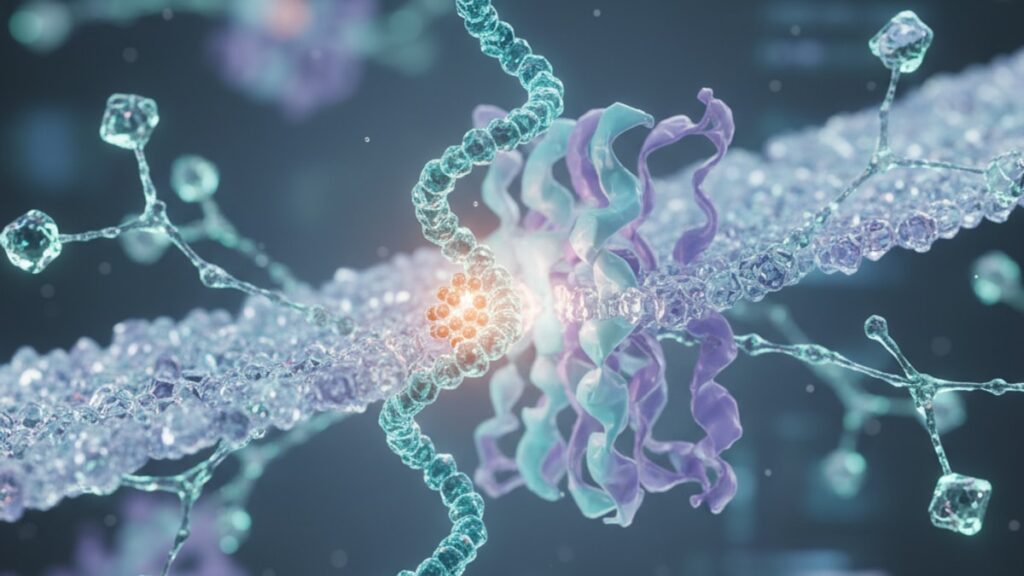
GHK-Cu activates tissue remodeling by binding integrin receptors and TGF-β pathways, not copper delivery alone. Here’s how the peptide works at the
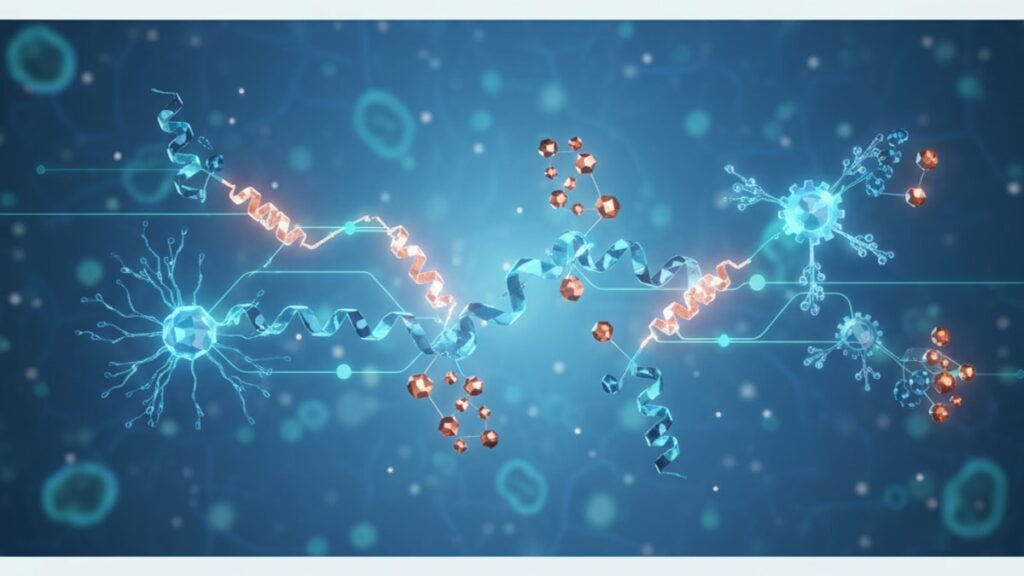
GHK-Cu downregulates MMP-1 and MMP-3 while upregulating TIMP-1, reversing collagen breakdown patterns. Three pathways researchers rarely explain.
