
Verify LL-37 Purity — Lab Testing Standards | Real Peptides
LL-37 purity verification requires HPLC analysis, mass spectrometry, and third-party COA validation. Real Peptides uses these three methods to confirm





Your blog category
LL-37 purity verification requires HPLC analysis, mass spectrometry, and third-party COA validation. Real Peptides uses these three methods to confirm

Run LL-37 cycle correctly: 5mg daily subcutaneous for 4–8 weeks, stored at 2–8°C post-reconstitution. Dosing, timing, and storage protocols explained.
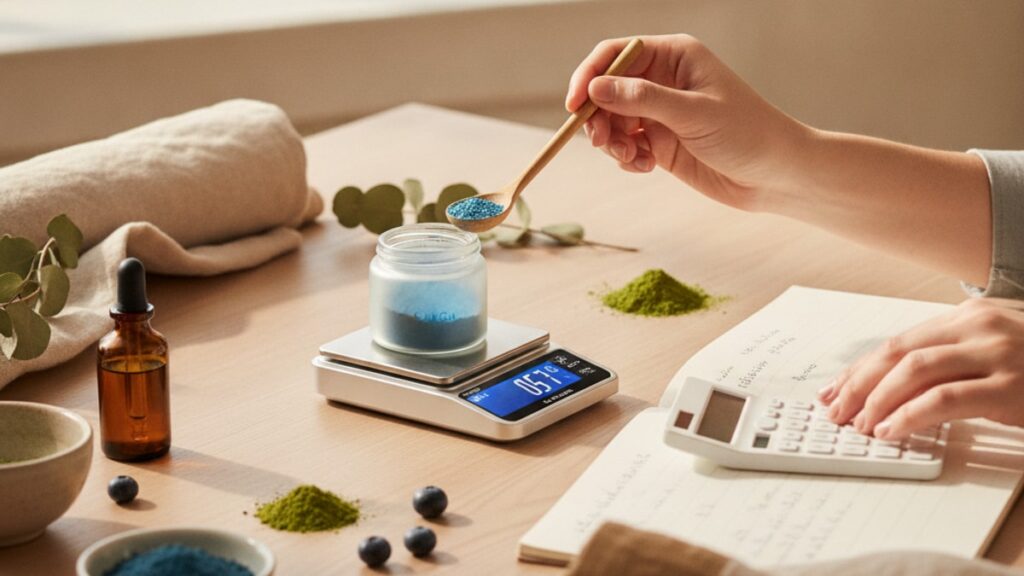
Calculate GHK-Cu concentration using molecular weight, milligrams, and bacteriostatic water volume. A 5mg vial reconstituted with 2ml yields 2.5mg/ml

GHK-Cu subcutaneous injection requires reconstitution with bacteriostatic water, precise dosing, and proper injection technique. Here’s the complete
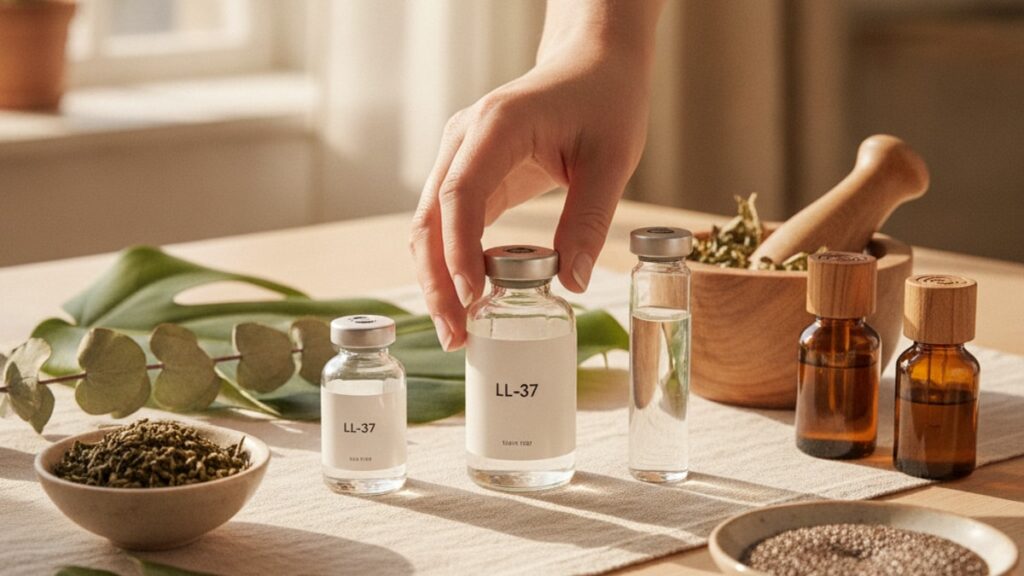
LL-37 vial size determines dosing frequency, reconstitution volume, and shelf stability. Choose based on your research protocol’s duration and injection
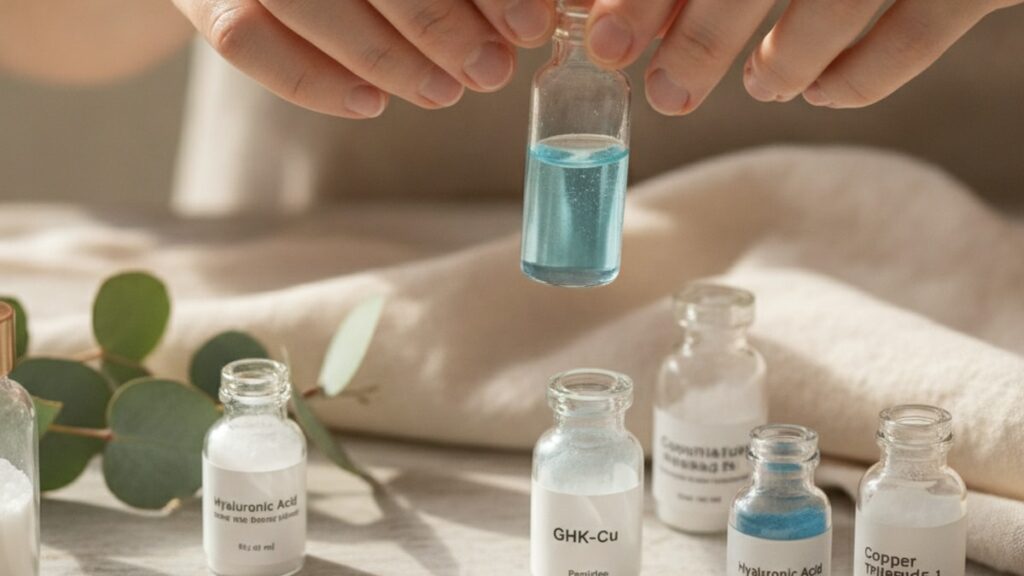
GHK-Cu requires precise reconstitution with bacteriostatic water at specific ratios. Learn exact volumes, sterile technique, and storage requirements.
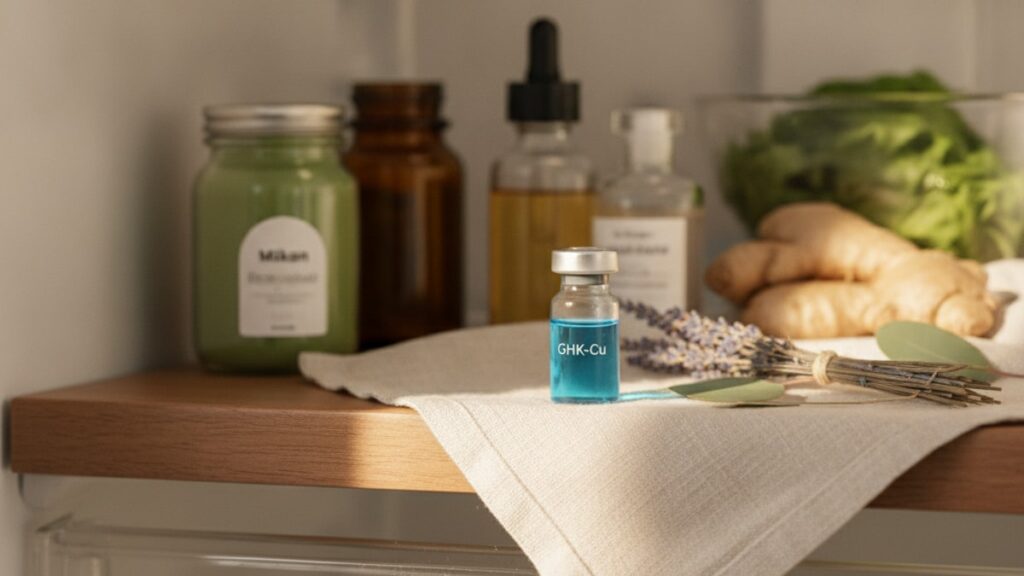
GHK-Cu peptides degrade rapidly at room temperature — proper storage at −20°C maintains stability for 12+ months. Learn precise protocols here.

Rotating GHK-Cu injection sites prevents tissue scarring, maintains absorption consistency, and reduces adverse reactions — here’s the protocol
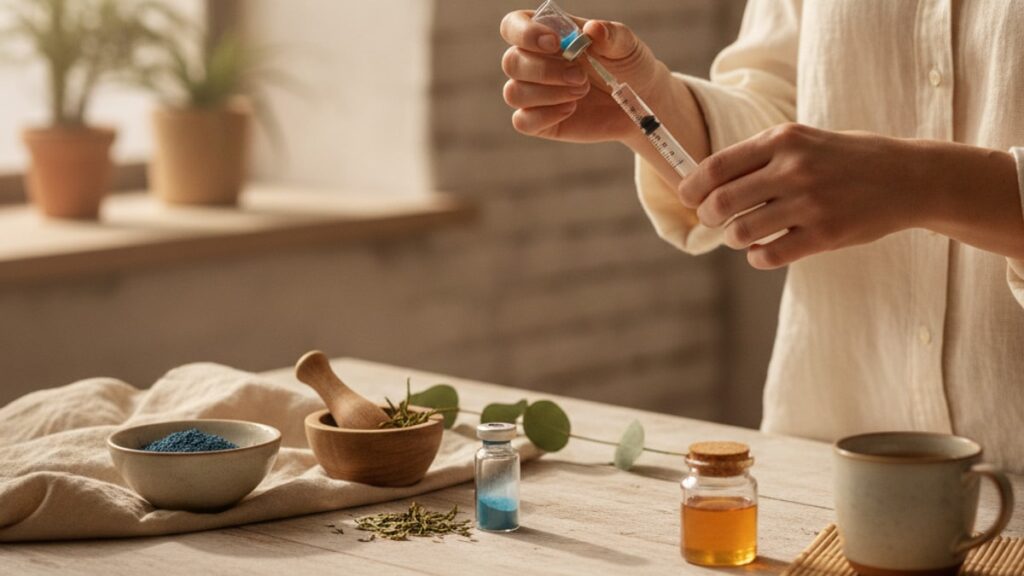
GHK-Cu degradation happens during reconstitution, not after. Follow temperature control, bacteriostatic water ratios, and sterile technique to preserve
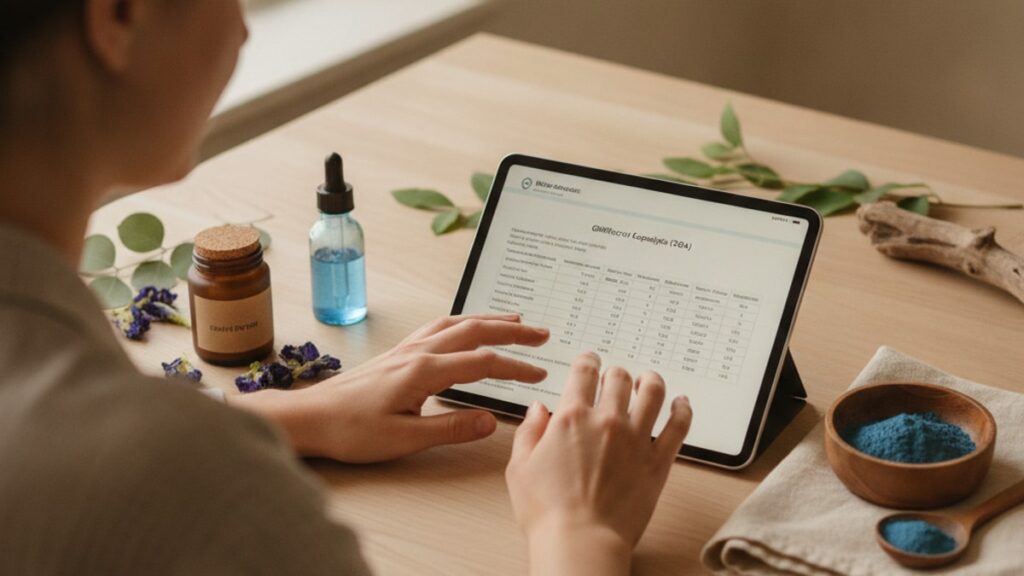
Learn to read GHK-Cu COA documents by identifying purity percentages, HPLC data, and contaminant levels — the three metrics that determine peptide quality
