





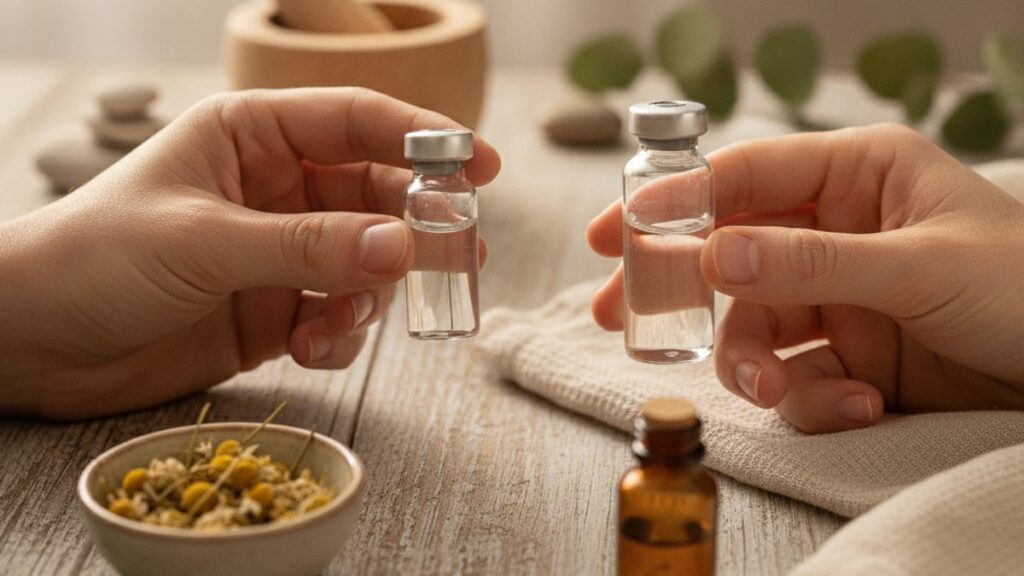
Choose BAC Water Vial Size — Right Volume for Peptide Research
Research conducted at peptide synthesis facilities consistently shows that nearly 40% of reconstitution errors stem from incorrect bacteriostatic water volume selection. Not contamination, not improper mixing technique. The vial size you choose BAC water in determines how many doses you can prepare, how long that open vial remains usable, and whether you'll waste expensive peptide due to volume miscalculation halfway through a study protocol.
Our team has guided researchers through hundreds of peptide reconstitution protocols. The gap between doing it right and doing it wrong comes down to three calculations most suppliers never explain: peptide mass in milligrams, target concentration per injection, and the 28-day bacteriostatic water stability window once opened.
How do you choose BAC water vial size for peptide reconstitution?
Choose BAC water vial size by matching total peptide mass to injection volume requirements. 10mL vials suit single 5mg–10mg peptide vials with daily dosing protocols, while 30mL vials support bulk reconstitution of multiple peptide vials or protocols requiring lower concentrations across extended timelines. The 28-day post-opening stability window of bacteriostatic water limits usable volume regardless of vial size.
Here's what researchers miss: bacteriostatic water isn't indefinitely stable once the seal breaks. The benzyl alcohol preservative maintains sterility for 28 days after first puncture. But only if stored correctly at 2–8°C. That means a 30mL vial you'll use over 60 days isn't actually safer than buying two 10mL vials and opening the second one when needed. This article covers the three vial sizes used in peptide research, the exact calculations that determine which size your protocol requires, and the storage mistakes that compromise an entire reconstitution batch.
Why Vial Size Matters Beyond Volume Convenience
The volume of bacteriostatic water you choose determines final peptide concentration. Which directly controls dosing precision. A 5mg peptide vial reconstituted with 2mL of BAC water produces a concentration of 2.5mg/mL, meaning every 0.1mL injection delivers 250mcg. Reconstitute that same 5mg vial with 5mL instead and concentration drops to 1mg/mL. Now 0.1mL delivers only 100mcg. Peptide concentration isn't cosmetic; it defines whether your dosing protocol hits target ranges or requires you to inject volumes too large for subcutaneous administration comfort.
Researchers working with Real Peptides frequently ask whether a single 30mL vial can serve multiple peptide reconstitutions. Yes. But only if total peptide mass and injection frequency fit within the 28-day sterility window. Bacteriostatic water contains 0.9% benzyl alcohol as a bacteriostatic agent, which prevents microbial growth for 28 days after the vial seal is first punctured. Beyond that window, contamination risk escalates regardless of refrigeration. A 30mL vial opened on day one and still in use on day 35 introduces contamination risk that negates every other sterile precaution in your protocol.
The standard vial sizes. 10mL, 20mL, and 30mL. Exist because peptide research protocols cluster around predictable dosing patterns. Daily subcutaneous injections of 0.2–0.5mL over 20–30 days require different volume planning than twice-weekly 0.1mL doses over 60 days. Matching vial size to protocol duration prevents two failure modes: running out of BAC water mid-protocol, or storing an open vial beyond its sterility guarantee.
The Three Standard BAC Water Vial Sizes and Their Use Cases
10mL vials suit single-peptide reconstitution for protocols using one 5mg or 10mg lyophilised peptide vial with daily or every-other-day dosing. A 5mg peptide reconstituted with 5mL of BAC water at 1mg/mL concentration allows 20 daily doses of 250mcg (0.25mL each). The 10mL vial provides enough volume to reconstitute the peptide and leave 5mL remaining for a second peptide vial if needed. All usable within the 28-day window. This is the most common size for individual researchers running short-term studies.
20mL vials bridge the gap for moderate-volume protocols. Reconstituting two or three peptide vials simultaneously, or preparing lower-concentration solutions that require more diluent. Researchers working with peptides requiring doses below 100mcg often dilute further to achieve injectable volumes (e.g., reconstituting 2mg peptide with 10mL BAC water for 0.2mg/mL, allowing 50mcg doses in just 0.25mL). The 20mL size supports these dilution strategies without opening multiple smaller vials.
30mL vials serve bulk reconstitution needs or lab settings where multiple researchers share a common BAC water supply under controlled access. A 30mL vial can reconstitute up to six 5mg peptide vials at standard concentrations, provided all reconstitutions occur within the first week and all resulting peptide solutions are used within 28 days of the BAC water vial opening. The larger size reduces per-millilitre cost but introduces waste risk if usage doesn't match volume. 15mL of unused BAC water discarded on day 28 represents wasted material and budget.
When choosing BAC water vial size, count total peptide vials in your study, calculate required diluent volume per vial, and multiply by study duration in days divided by dose frequency. If that number exceeds 25mL, consider whether opening a second 10mL or 20mL vial mid-study is safer than risking a 30mL vial nearing the sterility limit.
Calculating Exact BAC Water Volume Requirements for Your Peptide Protocol
Start with peptide mass. A lyophilised peptide vial labelled '5mg' contains 5mg of active peptide plus excipients. Reconstitute it with exactly the volume needed to reach your target concentration. If your protocol calls for 200mcg (0.2mg) per dose and you want each dose to equal 0.2mL of liquid (a comfortable subcutaneous injection volume), you need a final concentration of 1mg/mL. To achieve 1mg/mL from a 5mg peptide vial, add 5mL of bacteriostatic water. That's the fundamental calculation: desired concentration in mg/mL equals peptide mass in mg divided by BAC water volume in mL.
Now account for dose frequency and study length. A 5mg peptide at 1mg/mL yields 25 doses of 0.2mL (200mcg each). If dosing daily, that's a 25-day supply from one vial. If dosing every other day, it stretches to 50 days. But bacteriostatic water only remains sterile for 28 days post-opening. In this case, you'd reconstitute the 5mg peptide with 5mL BAC water from a 10mL vial, use it for 25 days, then prepare a second peptide vial with fresh BAC water for the remaining doses. The 10mL vial size supports this approach cleanly.
Researchers often ask whether leftover BAC water from the first reconstitution can be saved for the second peptide vial. Yes. If stored at 2–8°C and used within 28 days of opening. Mark the vial with the date you first punctured the seal. A 10mL vial opened on February 1st and refrigerated continuously remains usable through February 28th. Open it on February 15th to reconstitute a second peptide and you've stayed within the window. Open it on March 2nd. Even if refrigerated. And contamination risk outweighs cost savings.
Multi-peptide protocols require aggregating volumes. Reconstituting three 5mg peptide vials at 1mg/mL (5mL each) plus one 10mg vial at 2mg/mL (5mL) totals 20mL of BAC water needed. A single 20mL or 30mL vial covers this if all reconstitutions occur on the same day. Staggering reconstitutions across weeks means smaller vials opened as needed align better with the 28-day sterility rule.
Choose BAC Water Vial Size — Right Volume for Peptide Research: Full Comparison
| Vial Size | Peptide Coverage | Ideal Protocol Type | Sterility Consideration | Cost Efficiency | Professional Assessment |
|---|---|---|---|---|---|
| 10mL | 1–2 peptide vials (5mg–10mg total) at standard concentration | Single-researcher, short-term studies (≤30 days), daily or every-other-day dosing | Entire volume typically used within 28-day window, minimising waste | Moderate. Higher per-mL cost but no disposal waste | Best choice for most individual peptide research protocols requiring precise volume control and full utilisation within sterility window |
| 20mL | 2–4 peptide vials or lower-concentration dilutions requiring more diluent | Mid-duration protocols (30–45 days), multiple peptide reconstitutions, or ultra-low-dose studies requiring high dilution ratios | Requires disciplined usage tracking to ensure volume is consumed before day 28 | Balanced. Lower per-mL cost than 10mL, waste risk moderate if usage stalls | Suitable for experienced researchers managing multiple concurrent peptide studies or requiring concentration flexibility |
| 30mL | 4–6 peptide vials or shared lab supply under controlled access | Bulk reconstitution, lab environments with multiple users, or extended low-frequency dosing protocols | High waste risk if volume isn't fully used by day 28. Requires strict date labelling and refrigeration discipline | Best per-mL pricing but only if volume is fully utilised | Choose only if reconstituting multiple peptides within first week and all resulting solutions will be used within 28-day bacteriostatic water sterility window |
Key Takeaways
- Bacteriostatic water remains sterile for exactly 28 days after first puncture when refrigerated at 2–8°C. Larger vial sizes don't extend this window.
- A 10mL BAC water vial suits most single-peptide reconstitutions for studies lasting under 30 days with daily or every-other-day dosing at standard concentrations.
- Final peptide concentration (mg/mL) equals peptide mass in mg divided by BAC water volume in mL. This ratio determines whether each injection volume is practical for subcutaneous administration.
- A 30mL vial offers the lowest per-millilitre cost but introduces waste risk unless you're reconstituting four or more peptide vials within the first week and using all solutions within 28 days.
- Marking the vial with the date of first puncture is not optional. Contamination risk beyond day 28 negates refrigeration and sterile needle use.
What If: BAC Water Vial Size Scenarios
What If I Open a 30mL Vial but Only Use 10mL Within 28 Days?
Discard the remaining 20mL on day 28. The benzyl alcohol preservative loses efficacy beyond the 28-day post-opening window regardless of how much liquid remains or whether the vial stayed refrigerated. Contamination isn't visible. Bacterial colonisation at sub-clinical levels introduces endotoxins that compromise peptide stability and study reproducibility even before you see cloudiness or precipitate. Cost efficiency through bulk purchasing only applies if bulk volume matches actual usage within sterility limits.
What If My Protocol Requires 35mL of BAC Water Over 50 Days?
Use two vials opened sequentially. Not one 30mL vial stretched beyond its sterility window. Reconstitute the first batch of peptides with a 20mL vial on day 1. On day 20, open a second 20mL vial for the remaining reconstitutions. This approach keeps every peptide solution prepared with BAC water no older than 28 days at the time of final injection. The second vial costs more than stretching one large vial, but contamination from expired bacteriostatic water costs far more in failed studies and wasted peptide.
What If I'm Reconstituting Multiple Peptides from Real Peptides — Can I Use One 30mL Vial for All of Them?
Yes, if all reconstitutions happen within the same week and all resulting peptide solutions will be used within 28 days of opening the BAC water vial. Reconstituting five 5mg peptide vials on day 1 with 25mL from a 30mL vial means each peptide solution is prepared with fresh BAC water. If you instead reconstitute one peptide per week over five weeks from the same 30mL vial, the fifth peptide is being mixed with BAC water that's 28+ days old. Unacceptable. Batch your reconstitutions or buy smaller vials.
The Practical Truth About BAC Water Vial Size Selection
Here's the honest answer: most researchers choose BAC water vial size based on unit price per millilitre without considering the 28-day sterility constraint. That's how 30mL vials end up in single-researcher labs where usage never exceeds 15mL before the window closes. The appeal of 'getting more for less' breaks down the moment you're pouring unused bacteriostatic water down the drain on day 28 because continuing to use it introduces contamination risk your protocol can't tolerate.
When you choose BAC water vial size, you're not buying a reagent. You're buying a time-limited sterile diluent with a hard expiration that starts the moment you puncture the seal. A 10mL vial costs more per millilitre than 30mL, but if your protocol uses exactly 10mL within 28 days, the 10mL vial has zero waste and zero contamination risk. The 30mL vial at that point has 20mL of biohazard waste and a lower effective cost only if you ignore disposal.
The calculation that actually matters: total BAC water volume needed for all peptide reconstitutions in your study, divided by 28 days, equals minimum daily usage rate required to justify larger vial sizes. If that rate is under 0.5mL per day, a 10mL vial is the correct choice. If it's 0.8–1.2mL per day, consider 20mL or 30mL. But only if you can commit to using that volume within the window. Buying vial sizes your protocol can't fully consume isn't cost efficiency; it's cost transfer from purchase to disposal.
Researchers working with precision peptide sources like those available through Real Peptides already understand that peptide purity and accurate amino-acid sequencing determine study validity. Bacteriostatic water purity and sterility matter just as much. Compromised diluent compromises the peptide, and vial size mismatches are the most common way sterility gets compromised without the researcher realising it until results fail to replicate.
The short version: choose the smallest BAC water vial size your protocol will fully consume within 28 days. Larger vials make sense only when volume requirements and usage rates align with the sterility window. And when disposal of unused volume on day 28 is already built into your supply budget. Convenience never justifies contamination risk in peptide research.
If your protocol spans multiple months, plan to explore high-purity research peptides in batches timed to BAC water vial life cycles, not the reverse. The reagent serves the study design. The study design doesn't bend to accommodate reagent packaging.
Most reconstitution errors trace back to vial size mismatch. Not because researchers lack sterile technique, but because the volume-to-timeline math was never done before the purchase. Fixing it means choosing BAC water vial size with the same precision you apply to peptide selection itself.
Frequently Asked Questions
How do I choose BAC water vial size for a single 5mg peptide?▼
Choose a 10mL bacteriostatic water vial for reconstituting a single 5mg peptide. This size allows you to add 5mL for a 1mg/mL concentration, leaving 5mL available for a second peptide if needed — all within the 28-day sterility window after opening.
Can I use a 30mL BAC water vial over two months if I refrigerate it?▼
No. Bacteriostatic water remains sterile for exactly 28 days after the seal is first punctured, regardless of refrigeration. Beyond day 28, the benzyl alcohol preservative loses efficacy and contamination risk escalates. Discard any unused volume on day 28 even if the vial appears clear.
What BAC water vial size should I choose for multiple peptide vials?▼
Choose a 20mL or 30mL vial only if you’re reconstituting all peptides within the same week and all resulting solutions will be used within 28 days of opening the BAC water. If reconstitutions are staggered by more than a week, use separate 10mL vials opened as needed to maintain sterility.
What happens if I choose BAC water vial size that’s too small?▼
You’ll run out of bacteriostatic water mid-protocol and need to open a second vial, which is fine if planned but problematic if it delays your dosing schedule. The solution is calculating total volume needed (peptide mass ÷ target concentration) before purchasing.
Does a larger BAC water vial size cost less per millilitre?▼
Yes, but only if you use the entire volume within 28 days. A 30mL vial that leaves 15mL unused on day 28 costs more per usable millilitre than a 10mL vial that’s fully consumed. Cost efficiency requires matching vial size to actual usage within the sterility window.
How should I choose BAC water vial size for low-dose peptide protocols?▼
Low-dose protocols requiring high dilution ratios (e.g., 2mg peptide in 10mL for 0.2mg/mL) may require 20mL or 30mL vials if multiple peptides are involved. Calculate total diluent needed across all reconstitutions and verify it will be fully used within 28 days before selecting the larger size.
Can I combine leftover BAC water from multiple vials?▼
No. Combining partially used vials introduces contamination risk even if both are within their 28-day windows. Each vial should be tracked independently with the date of first puncture clearly marked, and only that vial should be used for subsequent draws until empty or expired.
What is the most common mistake when choosing BAC water vial size?▼
Choosing vial size based on unit price per millilitre without calculating whether that volume will be fully used within the 28-day sterility window. A 30mL vial purchased for cost savings but only 40% used before day 28 represents both wasted material and increased contamination risk.
Should I choose BAC water vial size based on my peptide supplier’s recommendations?▼
Use supplier-provided reconstitution volumes as a starting point but choose BAC water vial size based on your specific protocol duration and dose frequency. Suppliers like Real Peptides provide concentration guidelines, but final vial size selection depends on how many peptides you’re reconstituting and over what timeline.
How do I choose BAC water vial size for a 60-day peptide study?▼
Plan to use two vials opened sequentially — not one large vial. Reconstitute the first batch with a 10mL or 20mL vial, then open a second vial around day 20–25 for remaining reconstitutions. This ensures all peptide solutions are prepared with bacteriostatic water under 28 days old at the time of final use.











