
Catalog · 1 compound
Oral Research Compounds
Every compound has a published independent lab report covering identity, purity, net content, sterility, endotoxin and heavy metals.
Good to know
Oral peptides for sale in this collection are supplied strictly for laboratory research use, grouped by their shared capsule and oral-format presentation rather than by any single research target. The category brings together compounds studied in metabolic, neurological, tissue-repair and receptor-signalling models, including Bromantane, 5 Amino 1MQ, BPC-157 Capsules (100 count), SLU-PP-332 Capsules (100 count), Dihexa Capsules (100 count), Tesofensine Capsules (100 count) and Orforglipron Capsules (90 count), alongside bacteriostatic water for laboratories that also maintain reconstituted lyophilised material.
Lab-tested supply matters because in vitro and in vivo study data is only interpretable when the identity and purity of the test article are documented. Every batch Real Peptides distributes is tested by an independent laboratory, and a certificate of analysis is published per lot so investigators can match the lot number on the container to its published record.
Ordering is handled online by product and count. Orders ship from Florida and California warehouses within 24 hours of being placed.
Choosing within this category
Products here share an oral presentation but differ substantially in the research literature that surrounds them. The comparison below is intended to help laboratories shortlist a test article by study area, format and documentation.
- Bromantane — supplied as a research compound studied in neuropharmacology and dopaminergic signalling models. Batch-tested with a per-lot certificate of analysis.
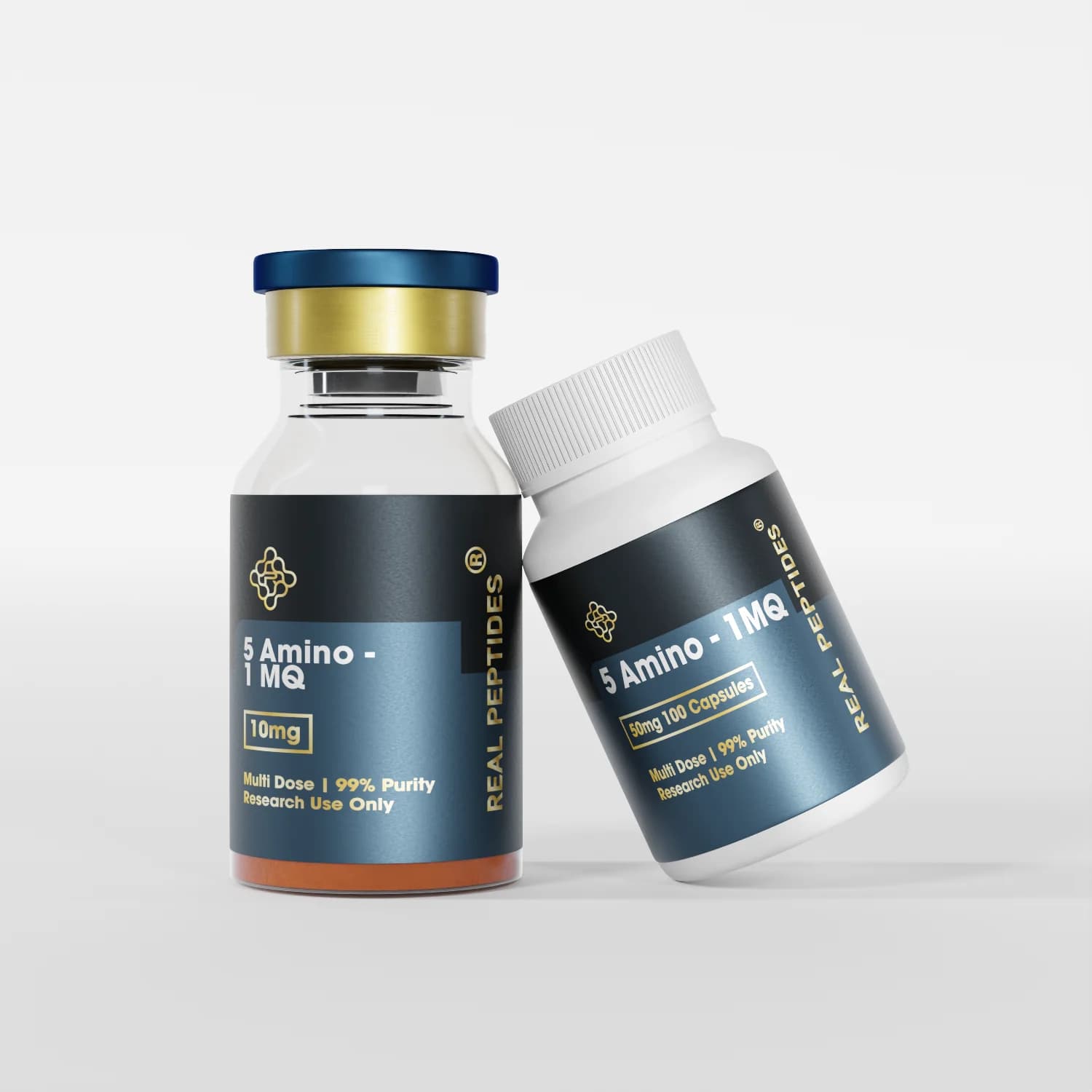
- 5 Amino 1MQ — investigated in enzyme-inhibition and metabolic pathway work; commonly selected for in vitro assay panels.
- BPC-157 Capsules — 100 count — a peptide widely referenced in tissue-repair and gastrointestinal model literature, supplied in a fixed 100-unit count.
- SLU-PP-332 Capsules — 100 count — used in mitochondrial and exercise-mimetic receptor research; 100-unit capsule format.
- Dihexa Capsules — 100 count — associated with neurotrophic and synaptic signalling studies.
- Tesofensine Capsules — 100 count — studied in monoamine reuptake and appetite-regulation models.
- Orforglipron Capsules — 90 count — a non-peptide incretin receptor agonist referenced in metabolic research; 90-unit count.
- Bacteriostatic water — a diluent for laboratories reconstituting lyophilised research peptides held alongside these oral formats.
All items carry independent third-party batch testing with lot-matched certificates of analysis, and all are supplied for research use only.
Common questions
Frequently asked questions
What does the oral research compounds category cover?
It covers research-use-only compounds supplied in oral formats — primarily capsules and capsule counts — rather than lyophilised vials for reconstitution. Current listings include Bromantane, 5 Amino 1MQ, BPC-157, SLU-PP-332, Dihexa, Tesofensine and Orforglipron capsules, plus bacteriostatic water. The grouping is by presentation format, so research areas within the category vary widely from metabolic to neurological models.
Are these oral peptides for sale intended for human use?
No. Every item in this collection is sold for laboratory research use only. The compounds are not foods, dietary supplements or medicines, they are not approved for human or veterinary use, and they are not offered for diagnostic or therapeutic purposes. Purchasers are expected to be qualified researchers handling material in an appropriate laboratory setting under applicable institutional and local rules.
How should a researcher choose between products in this category?
Selection normally follows the research question rather than the format. Investigators typically identify the pathway or model under study — metabolic and mitochondrial signalling, monoamine or receptor pharmacology, tissue-repair models, or neurotrophic pathways — then match a listed compound to that literature. Capsule count, batch documentation and whether the protocol also requires bacteriostatic water for other stocked material are secondary practical considerations.
What purity documentation is available per lot?
Each batch is tested by an independent third-party laboratory, and the resulting certificate of analysis is published per lot in the site's COA section. Researchers can cross-reference the lot number printed on the container against the published document, which supports record-keeping, method validation and reproducibility when results are written up or reviewed internally.
Why are some products listed as capsules and others as powders or water?
Capsule counts such as 100 count or 90 count describe a fixed number of pre-filled units, which suits laboratories wanting consistent unit-to-unit handling. Bacteriostatic water is a diluent listed alongside them for laboratories that also hold lyophilised research peptides requiring reconstitution. Format affects storage and handling logistics in the lab; it does not change the research-use-only status of any item.
Where do orders ship from and how quickly?
Orders are dispatched from warehouses in Florida and California within 24 hours of being placed, with the fulfilment location generally chosen to reduce transit time. Shipping is domestic within the United States. Researchers are advised to check the storage guidance on the individual product page so material can be logged and stored appropriately on arrival.
Can these compounds be resold or used outside a research setting?
No. Material is supplied to researchers, institutions and laboratories for investigational use, and it may not be relabelled, repackaged or redistributed for human consumption. Buyers are responsible for confirming that possession, handling and disposal of any listed compound complies with the regulations that apply in their own jurisdiction and institution.