New Launch Site Discount — 50% off sitewide· +10% with Bank Pay
1 / 6
GLP Peptides · Popular Peptides
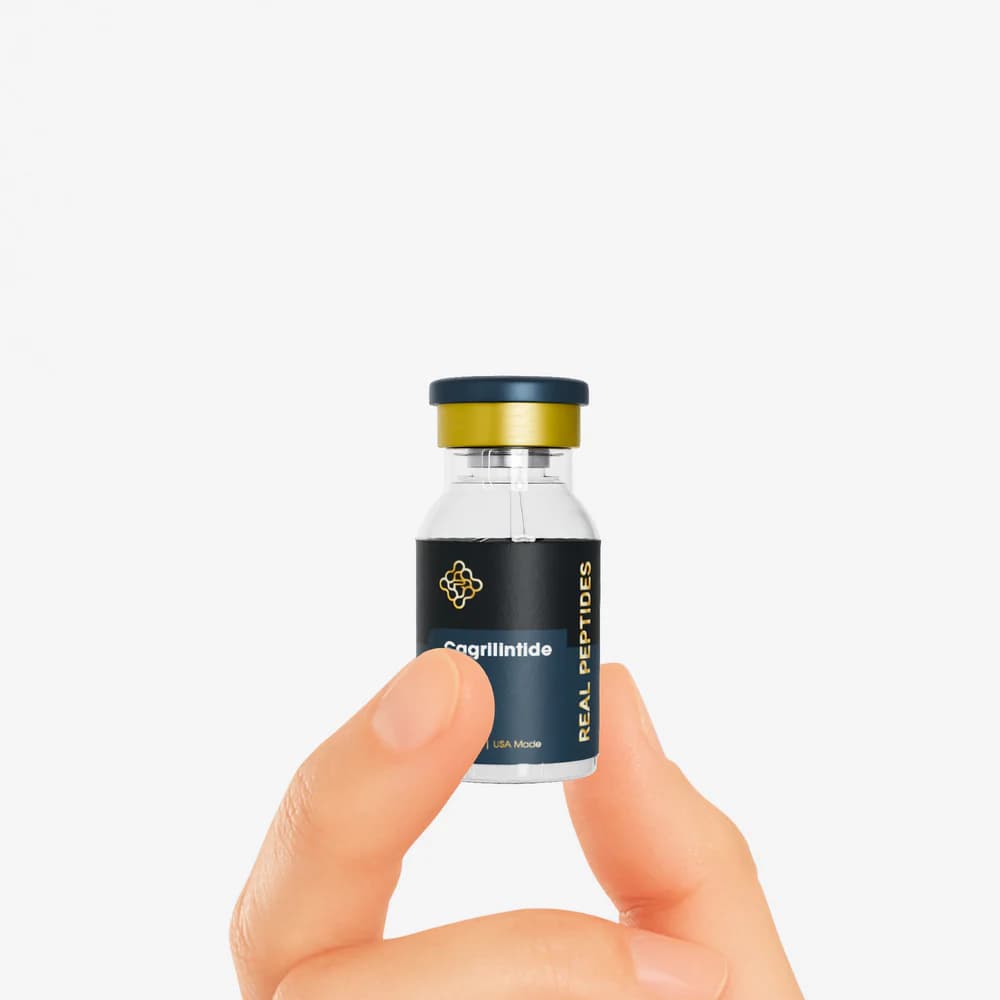
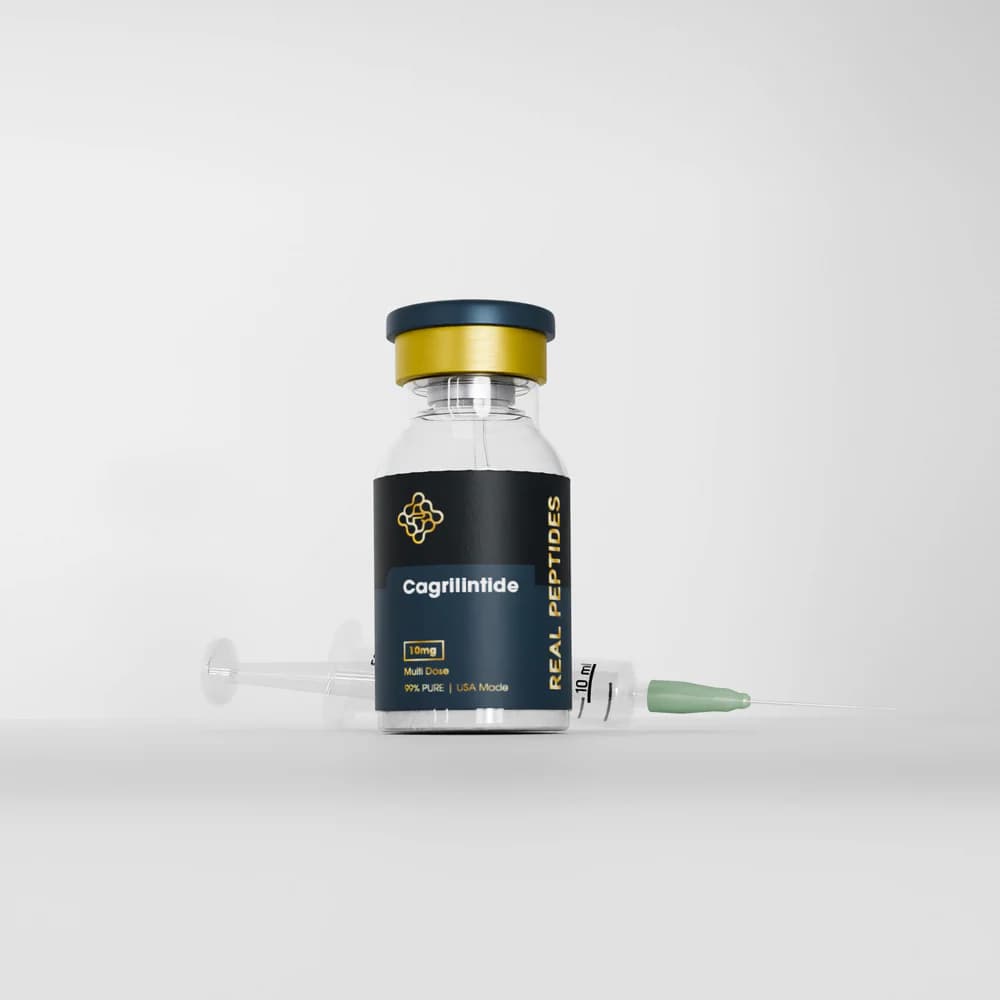
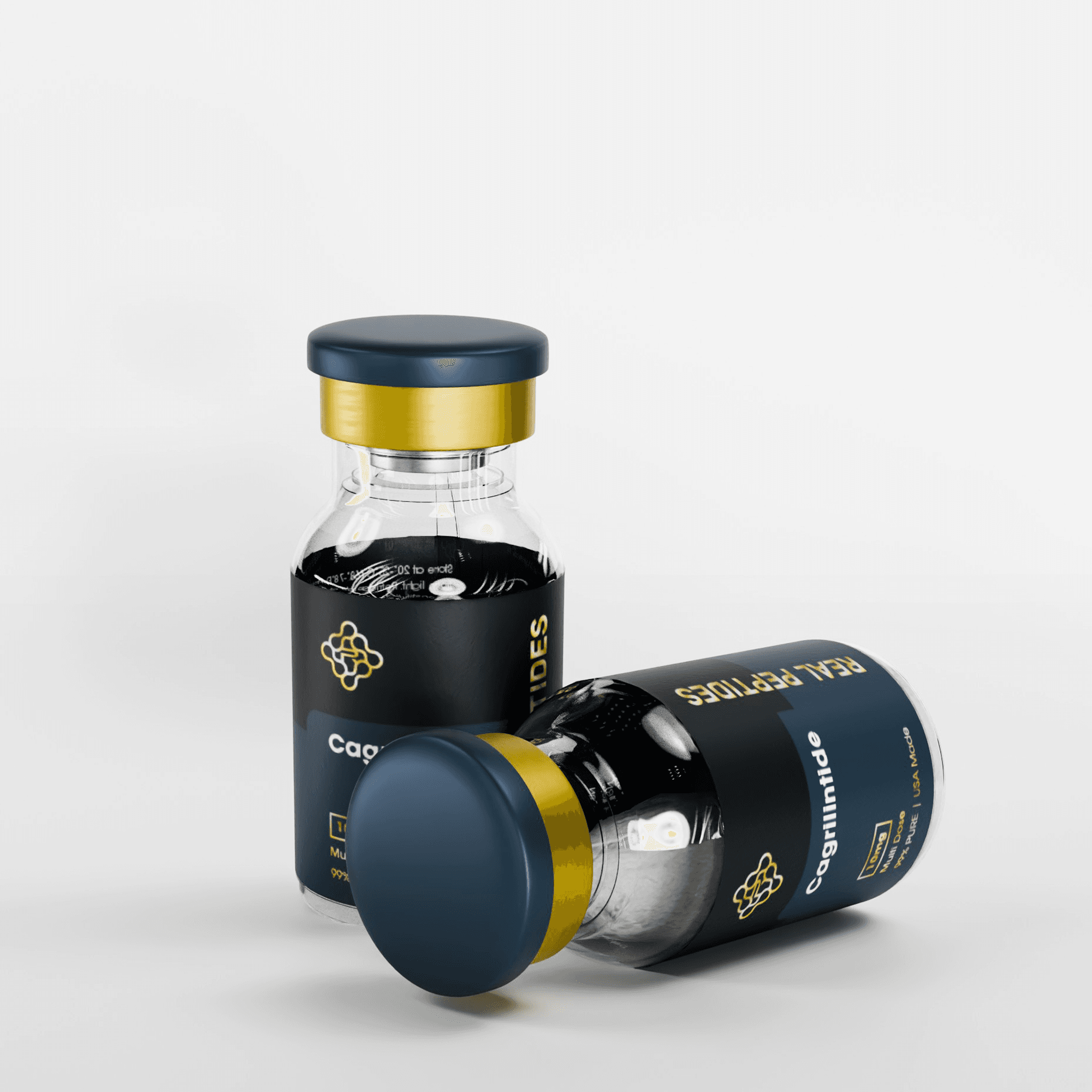
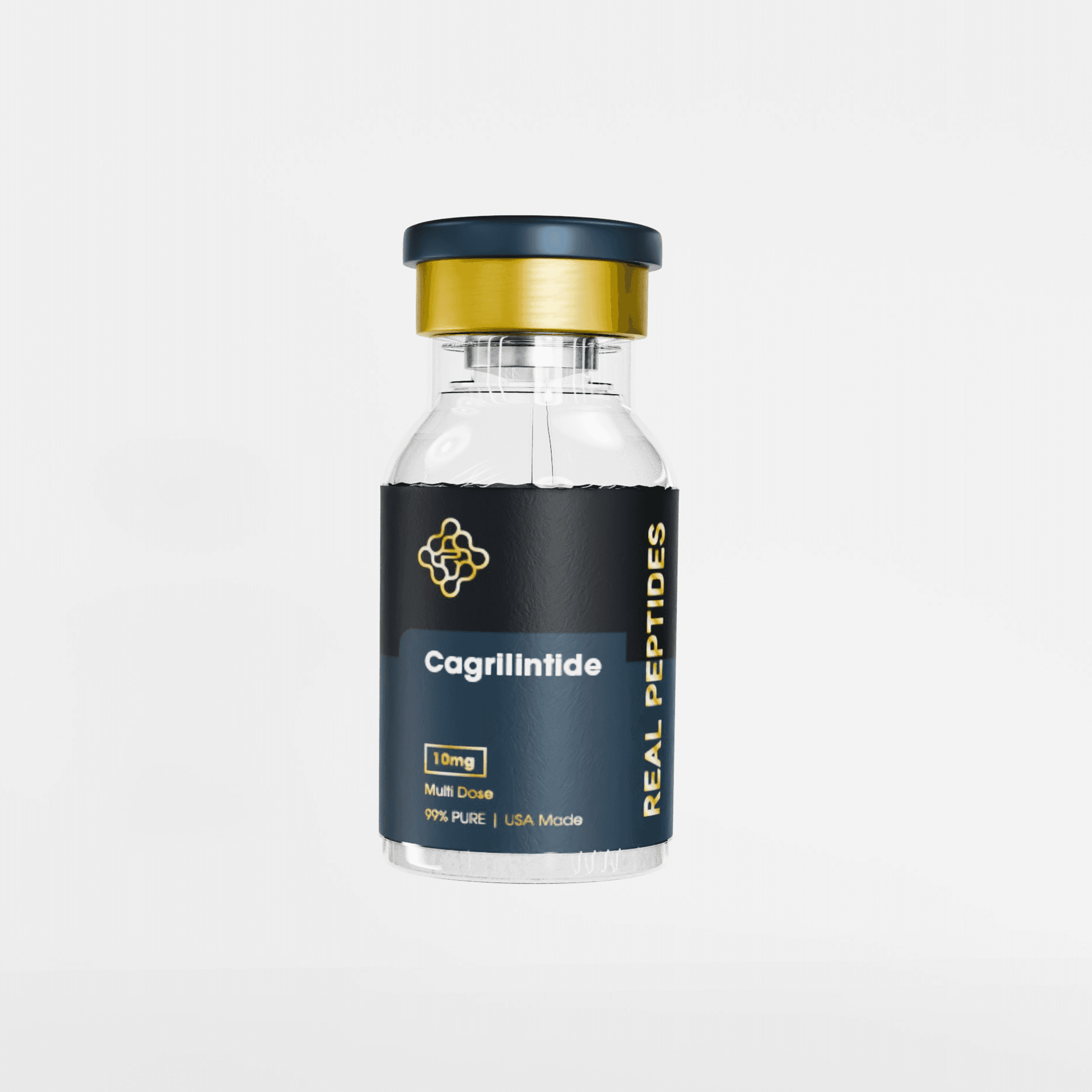
Cagrilintide
$325.00$162.50Save 50%
99% Pure | Multi Dose | Finished in the USA
Cagrilintide is a powerful, long-acting analogue of the naturally secreted hormone amylin—co-released with insulin. Designed to probe appetite control, glycemic balance, and fat-metabolism in lab models, Cagrilintide slows gastric emptying, modulates satiety pathways, and drives body-fat reduction in rodent and primate studies.
For Research Use Only. Not for human consumption or therapeutic treatment.
99% Pure | Multi Dose | Finished in the USA
Cagrilintide is a powerful, long-acting analogue of the naturally secreted hormone amylin—co-released with insulin. Designed to probe appetite control, glycemic balance, and fat-metabolism in lab models, Cagrilintide slows gastric emptying, modulates satiety pathways, and drives body-fat reduction in rodent and primate studies. When paired with GLP-1 agonists like semaglutide or retatrutide, it delivers amplified metabolic effects. Each 10 mg vial is HPLC-tested to ≥99% purity, endotoxin-screened (<0.1 EU/mg), and shipped with a Certificate of Analysis—perfect for high-integrity obesity, diabetes, and NAFLD research.
What Is Cagrilintide?
Cagrilintide is a lab-engineered analogue of amylin—a 37-amino-acid peptide co-released with insulin that naturally suppresses appetite and slows digestion. By extending amylin’s half-life, Cagrilintide allows researchers to study sustained satiety signaling, gastric motility delay, and lipid-metabolism regulation in controlled in vitro and in vivo models without directly engaging insulin or glucagon receptors.
Why Choose Cagrilintide?
Researchers select Cagrilintide for its robust, long-acting action on key metabolic pathways. Its stable pharmacokinetics deliver sustained receptor engagement, yielding reproducible appetite-suppression and glycemic-control data across rodent and primate studies. Manufactured under, cGMP-like conditions, each vial undergoes rigorous HPLC purity testing and endotoxin screening—ensuring the consistency needed for obesity, diabetes, and NAFLD research protocols.
What Sets Cagrilintide Apart?
Unlike native amylin, which is rapidly degraded, Cagrilintide’s sequence modifications confer extended activity, making it uniquely suited for chronic metabolic studies. Its selective amylin-receptor agonism decouples satiety and gastric-motility effects from insulin pathways, allowing clear dissection of appetite and lipid-regulation mechanisms. Coupled with proven stability in both lyophilized and reconstituted forms, Cagrilintide stands out as a precision tool for multi-pathway metabolic research.

 1 / 6
1 / 6