We changed email providers! Please check your spam/junk folder and report not spam 🙏🏻

Is Snap-8 Legal to Purchase for Research? (US Law 2026)

Table of Contents

Is Snap-8 Legal to Purchase for Research? (US Law 2026)

is snap-8 legal to purchase for research - Professional illustration

Is Snap-8 Legal to Purchase for Research? (US Law 2026)

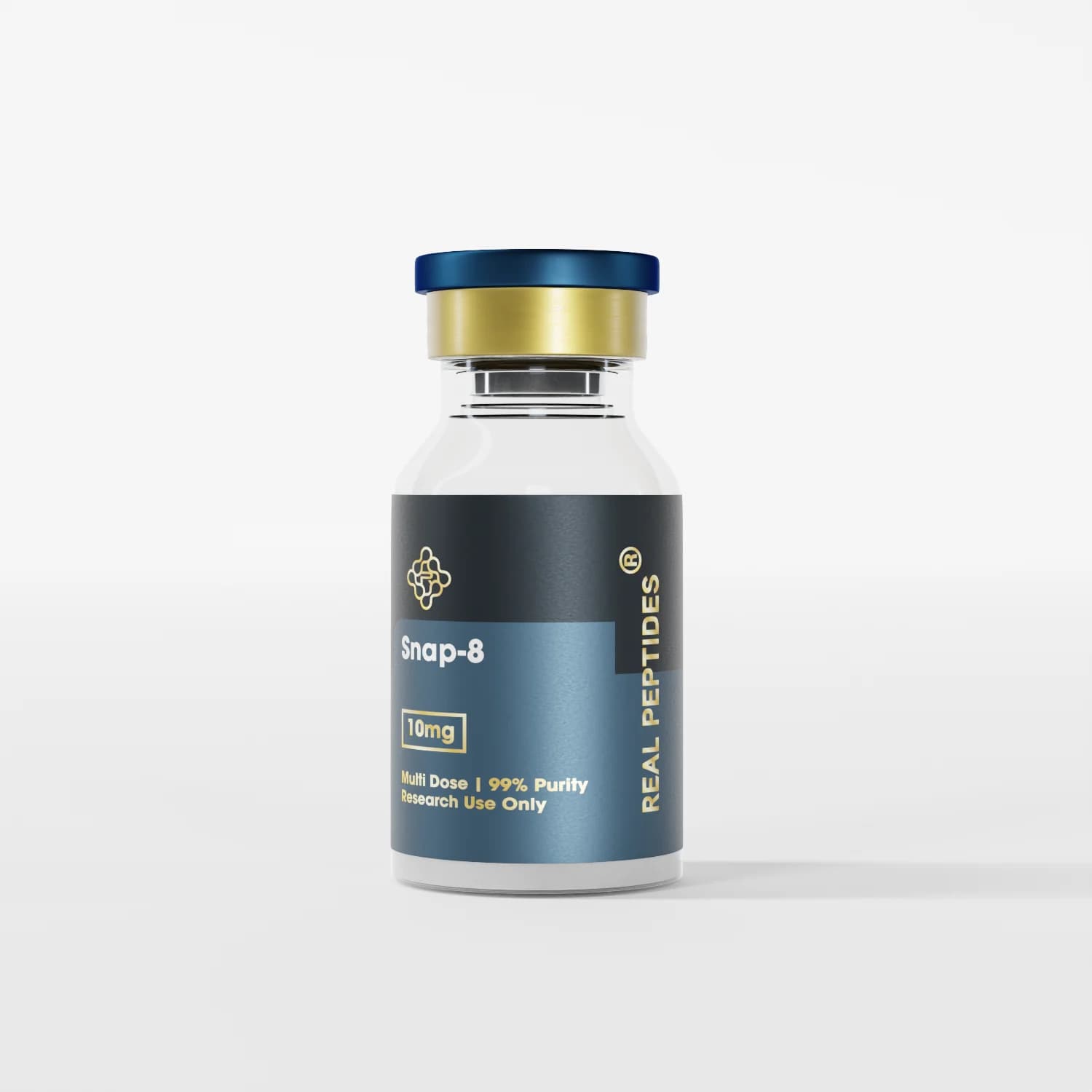
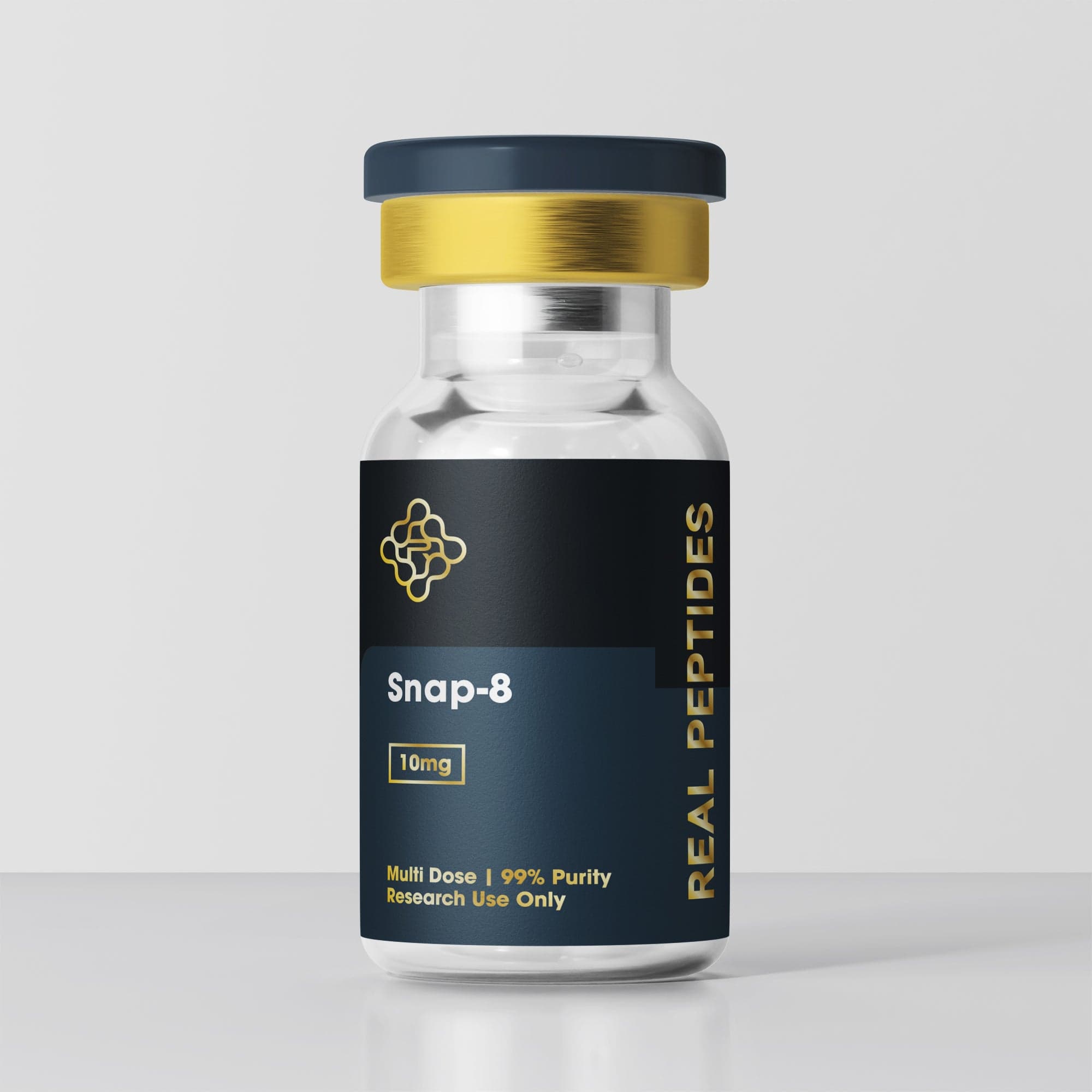
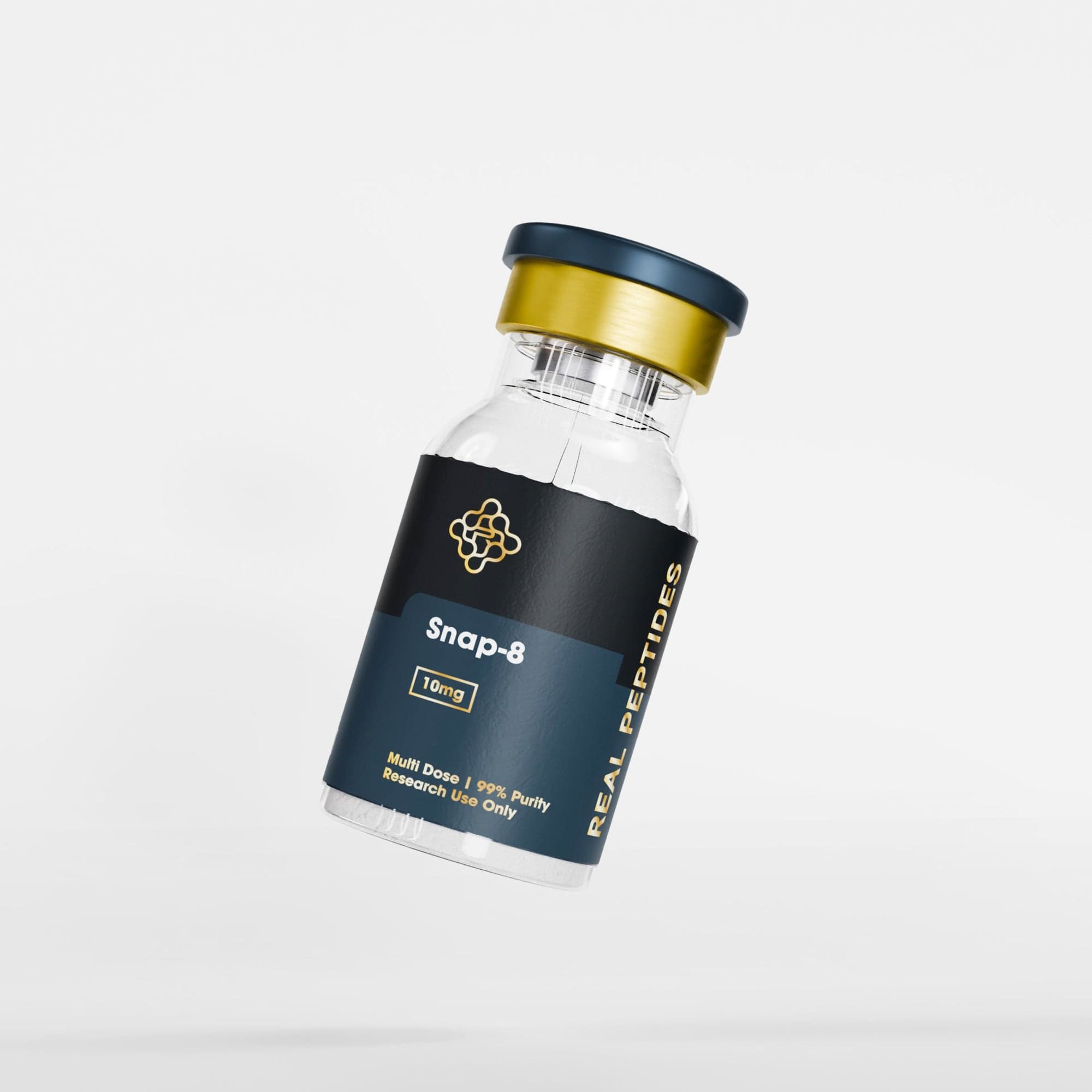
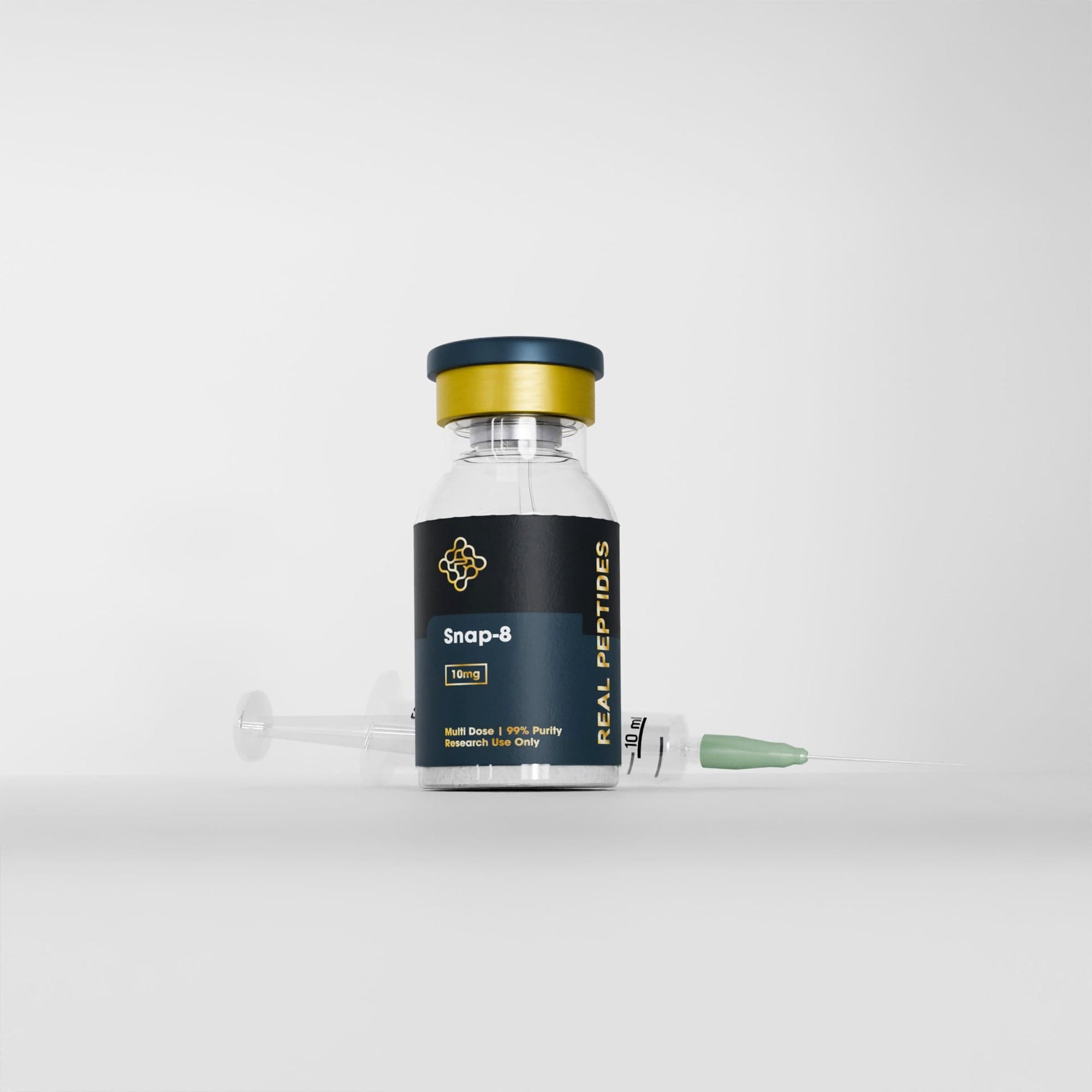
Snap-8 is legal to purchase for research in the US. But the actual rules governing that sale are more specific than most peptide suppliers acknowledge upfront. The FDA does not classify Snap-8 (acetyl octapeptide-3) as a controlled substance, and it appears in cosmetic formulations sold legally at retail. The complication: when you buy Snap-8 as a raw peptide for in-vitro research, the transaction falls under a different set of rules than when it's formulated into a face cream. Suppliers can legally sell it to qualified research buyers provided it's labeled 'not for human consumption' and not marketed with drug claims. That's the short version. But the gap between what's technically legal and what actually protects the buyer or seller in a regulatory audit is wider than most realise.

Our team has worked with research labs across biotechnology, cosmetic chemistry, and peptide formulation for years. The pattern we've seen repeatedly: research buyers assume 'legal to purchase' means 'no restrictions whatsoever,' then discover post-purchase that their institution's compliance office or their own liability insurer has stricter requirements than federal law. This article covers the exact regulatory framework governing Snap-8 sales, what differentiates a compliant research purchase from a non-compliant one, and what you should verify before placing an order.

Is Snap-8 legal to purchase for research in the US?

Yes. Snap-8 (acetyl octapeptide-3) is legal to purchase for research purposes in the US when sold by suppliers as 'not for human consumption' and purchased by qualified research entities. The FDA classifies Snap-8 as a cosmetic ingredient when formulated into topical products, not as a drug or controlled substance. Raw Snap-8 peptide can be sold legally for in-vitro laboratory research without DEA scheduling or prescription requirements, provided the supplier does not make therapeutic drug claims and the buyer intends it for non-clinical research use.

Regulatory Classification — Cosmetic Ingredient vs Research Chemical

Snap-8 occupies a classification zone most peptides don't. It's simultaneously a cosmetic active ingredient (when formulated into topical anti-wrinkle serums) and a research chemical (when sold as raw lyophilised powder). The FDA does not regulate cosmetic ingredients with the same pre-market approval process required for drugs. If Snap-8 is sold as part of a finished cosmetic product, the manufacturer must ensure safety but does not need to file an investigational new drug application. That's why you'll find Snap-8 in hundreds of over-the-counter anti-aging creams sold without prescription.

When sold as a raw peptide for research, however, the legal framework shifts. The supplier must not make any claims that the product treats, prevents, or cures disease. Those are drug claims under 21 CFR 201.128, which would reclassify the peptide as an unapproved new drug. Compliant peptide suppliers label research-grade Snap-8 'for laboratory research use only' or 'not for human consumption.' These disclaimers aren't just legal boilerplate. They're the distinction that keeps the sale outside FDA drug enforcement jurisdiction. Buyers purchasing Snap-8 for legitimate in-vitro research (receptor binding assays, formulation stability studies, cosmetic efficacy testing) are operating within legal bounds. Buyers intending personal use, off-label self-administration, or resale as a supplement are not.

Supplier Compliance — What Separates Legal Vendors from Gray-Market Resellers

Not all peptide suppliers operate at the same compliance standard, and the difference matters if your institution audits vendor qualifications. Legally compliant Snap-8 suppliers maintain verifiable quality documentation. Certificates of analysis (CoA) from third-party labs showing peptide purity (typically ≥95% by HPLC), endotoxin testing results, and molecular weight confirmation via mass spectrometry. These documents prove the peptide you received matches what you ordered and meets research-grade specifications. Without them, you have no verifiable way to know whether the vial contains Snap-8 at the stated concentration, a different peptide entirely, or a contaminated preparation unsuitable for research.

Compliant suppliers also verify the buyer's research intent before completing the sale. That doesn't mean requiring an academic affiliation or institutional purchase order, but it does mean asking what the peptide will be used for and refusing sales to buyers who indicate personal use or therapeutic intent. Some suppliers require a signed attestation that the buyer is purchasing for non-clinical research purposes only. This isn't a legal requirement under federal law, but it's a liability shield. If a buyer later misuses the peptide and claims they weren't informed of restrictions, the supplier's documentation shows otherwise.

Real Peptides maintains full traceability on every peptide batch, with third-party CoAs available before purchase and research-use attestations required at checkout. That level of transparency is what separates a compliant supplier from a gray-market reseller listing peptides on unregulated marketplaces with no purity verification.

Comparison: Snap-8 vs Other Research Peptides — Legal Status

Peptide FDA Classification Prescription Required DEA Scheduled Supplier Labeling Requirement Typical Research Application
Snap-8 (Acetyl Octapeptide-3) Cosmetic ingredient (formulated) / research chemical (raw) No No 'Not for human consumption' Neurotransmitter receptor studies, cosmetic formulation
BPC-157 Unapproved new drug (no FDA approval for any use) No (not legally prescribed) No 'Not for human consumption' Tissue repair mechanisms, gastrointestinal research
Melanotan II Unapproved new drug (FDA warning letters issued) No (not legally prescribed) No 'Not for human consumption' Melanocortin receptor binding, pigmentation pathways
Thymosin Beta-4 Unapproved new drug (no FDA approval outside TB-500 trials) No (not legally prescribed) No 'Not for human consumption' Wound healing, angiogenesis studies
Semaglutide FDA-approved drug (Ozempic, Wegovy) / compounded version available Yes (brand) / Yes (compounded) No Prescription label (brand) / compounding pharmacy label (compounded) GLP-1 receptor agonism, metabolic research

The critical distinction: Snap-8 is the only peptide in this table that appears in legally marketed consumer products (cosmetics) without requiring prescription or FDA drug approval. That doesn't make raw Snap-8 'unregulated'. Suppliers still can't market it with drug claims. But it does mean the baseline legal risk for purchasing it is lower than peptides like BPC-157 or Melanotan II, which have no legal consumer use pathway at all.

Key Takeaways

  • Snap-8 is legal to purchase for research in the US when sold as 'not for human consumption' by compliant suppliers and purchased by qualified research entities.
  • The FDA classifies Snap-8 as a cosmetic ingredient when formulated into topical products, not as a drug or controlled substance, so it is not DEA-scheduled or prescription-required.
  • Compliant suppliers provide third-party certificates of analysis (CoA) showing peptide purity ≥95% by HPLC, endotoxin testing, and molecular weight confirmation.
  • Buyers intending personal use, self-administration, or resale as a supplement are operating outside the legal framework. Research-use labeling is not a loophole for off-label therapeutic use.
  • Institutional buyers should verify that their supplier meets compliance office or liability insurer requirements, which are often stricter than federal minimums.

What If: Snap-8 Research Purchase Scenarios

What If I'm Purchasing Snap-8 for a University Lab — What Documentation Do I Need?

Request a certificate of analysis (CoA) from the supplier before completing the purchase, and verify it includes HPLC purity data, endotoxin levels, and molecular weight confirmation. Most university procurement offices require vendor qualification forms showing the supplier is a registered business entity with verifiable quality assurance processes. Some institutions also require a material safety data sheet (MSDS) for laboratory storage and handling protocols. If your institution's compliance office requires attestation that the peptide is for non-clinical research use only, ask the supplier whether they provide a signed research-use agreement at checkout.

What If the Supplier Doesn't Provide a Certificate of Analysis?

Do not complete the purchase. A certificate of analysis is the only verifiable proof that the peptide you receive matches the stated concentration and purity. Without it, you have no way to confirm molecular identity, detect contamination, or validate experimental results. Suppliers who refuse to provide CoAs are either selling unverified compounds or operating below the compliance standard required for legitimate research use. If a supplier claims 'we don't provide CoAs for privacy reasons' or 'CoAs are available on request after purchase,' that's a red flag. Compliant suppliers make CoAs available before you buy.

What If I Want to Use Snap-8 for Personal Anti-Aging Experiments at Home?

That use case falls outside the legal framework for research-use peptides. Snap-8 sold as 'not for human consumption' is intended for in-vitro laboratory research. Receptor binding assays, formulation stability testing, or cosmetic efficacy studies conducted in controlled lab environments. Self-administration for personal anti-aging purposes reclassifies the peptide as a drug under your use case, even if the supplier sold it legally as a research chemical. If you want to use Snap-8 topically, buy a finished cosmetic product formulated with it. Those are FDA-compliant consumer goods. Attempting to formulate your own topical preparation from raw peptide powder carries formulation risks (incorrect concentration, contamination, instability) and liability risks (no safety testing, no quality control).

The Unflinching Truth About Snap-8 Research Purchases

Here's the honest answer: the phrase 'legal to purchase for research' does not mean 'legal to use however you want.' Snap-8 is one of the least-restricted peptides you can buy in the US. It's in cosmetics, it's not DEA-scheduled, and it doesn't require prescription when sold for research. But the legal sale depends entirely on the supplier labeling it 'not for human consumption' and the buyer using it for legitimate in-vitro research. That's not a loophole. It's the actual regulatory boundary. If you're buying Snap-8 intending to inject it, consume it, or formulate it into a product for personal use, you're operating outside the framework that makes the sale legal in the first place.

The second thing most buyers don't realise: supplier compliance varies wildly. Some peptide vendors provide full third-party testing, verifiable business registration, and research-use attestations. Others list peptides on unregulated marketplaces with no purity data, no quality documentation, and no verification of buyer intent. Both might technically be 'legal' sellers under federal law, but only one meets the standard your institution's compliance office or liability insurer will accept. If your research results depend on peptide purity and molecular identity, buying from a vendor who won't provide a certificate of analysis isn't just a compliance risk. It's a scientific validity risk.

Research Applications — What Snap-8 Studies Actually Investigate

Snap-8 research centres on its mechanism as a SNARE complex inhibitor. It competes with SNAP-25 (synaptosomal-associated protein 25kDa), a protein required for neurotransmitter vesicle fusion at the neuromuscular junction. By partially blocking acetylcholine release, Snap-8 reduces the intensity of muscle contraction in cosmetic applications, which is why it's marketed as a topical alternative to botulinum toxin for expression lines. In-vitro studies published in the International Journal of Cosmetic Science have demonstrated that Snap-8 reduces the depth of wrinkles formed by repeated facial muscle contractions when applied topically at concentrations of 5–10% in emulsion formulations.

Legitimate research applications for raw Snap-8 include receptor binding assays measuring its affinity for SNARE complex components, stability testing in various cosmetic base formulations (creams, serums, gels), and comparative efficacy studies against other neurotransmitter-modulating peptides like Argireline (acetyl hexapeptide-8). Cosmetic chemistry labs use Snap-8 to test formulation variables. Does peptide penetration increase with hyaluronic acid carriers, does stability degrade faster in oil-based versus water-based vehicles, does pH affect bioavailability. These are controlled laboratory experiments with measurable endpoints, not personal anti-aging trials.

If you're considering Snap-8 for research purposes and want to explore other high-purity peptides with well-documented mechanisms, you can explore premium peptides for research that meet the same third-party testing standards.

The gap between a cosmetic supplier selling Snap-8 in a finished product and a peptide supplier selling raw Snap-8 powder comes down to formulation responsibility. When you buy a cosmetic serum, the manufacturer has already tested stability, determined safe concentration ranges, and verified the product won't cause adverse reactions. When you buy raw Snap-8 for research, those responsibilities fall to you. The researcher must determine appropriate concentrations, verify molecular stability over time, and ensure the experimental protocol matches the intended application. That's why research-use peptides require documented lab protocols and qualified personnel, not just a credit card.

Frequently Asked Questions

Is Snap-8 legal to purchase for research without a prescription in the US?

Yes — Snap-8 (acetyl octapeptide-3) is legal to purchase for research purposes in the US without a prescription when sold by suppliers as ‘not for human consumption’ and purchased by qualified research entities. The FDA classifies Snap-8 as a cosmetic ingredient when formulated into topical products, not as a drug or controlled substance, so it does not require DEA scheduling or prescription. Raw Snap-8 can be sold legally for in-vitro laboratory research provided the supplier does not make therapeutic drug claims and the buyer uses it for non-clinical research applications.

What documentation should I expect when purchasing Snap-8 for research?

Compliant Snap-8 suppliers provide a certificate of analysis (CoA) from a third-party lab showing peptide purity (typically ≥95% by HPLC), endotoxin testing results, and molecular weight confirmation via mass spectrometry. You should also receive a material safety data sheet (MSDS) for laboratory handling protocols and, in some cases, a research-use attestation form confirming the peptide is purchased for non-clinical purposes. If a supplier refuses to provide a CoA before purchase, do not complete the transaction — that document is the only verifiable proof of peptide identity and purity.

Can I legally use Snap-8 for personal anti-aging experiments at home?

No — Snap-8 sold as ‘not for human consumption’ is intended for in-vitro laboratory research, not personal use. Self-administration or formulation for personal anti-aging purposes reclassifies the peptide as a drug under your use case, even if the supplier sold it legally as a research chemical. If you want to use Snap-8 topically, purchase a finished cosmetic product formulated with it — those are FDA-compliant consumer goods with verified safety and stability testing. Attempting to formulate your own preparation from raw peptide powder carries formulation risks and liability exposure.

What is the difference between Snap-8 sold for research and Snap-8 in cosmetic products?

Snap-8 in cosmetic products is formulated at safe, tested concentrations (typically 5–10%) in stable emulsion bases with verified shelf life and safety data. Raw Snap-8 sold for research is lyophilised powder intended for in-vitro laboratory experiments — receptor binding assays, formulation stability studies, or cosmetic efficacy testing. The cosmetic product has already undergone formulation optimization and safety verification; raw research peptide requires the buyer to perform those steps themselves in a controlled lab environment with documented protocols.

Is Snap-8 a controlled substance or DEA-scheduled drug?

No — Snap-8 is not classified as a controlled substance and is not DEA-scheduled. The FDA regulates it as a cosmetic ingredient when formulated into topical products, not as a prescription drug. It does not require prescription, DEA registration, or controlled substance handling protocols. Suppliers can legally sell raw Snap-8 for research without DEA oversight provided they label it ‘not for human consumption’ and do not make therapeutic drug claims that would reclassify it as an unapproved new drug.

What happens if a supplier makes drug claims about Snap-8?

If a supplier markets Snap-8 with claims that it treats, prevents, or cures disease — such as ‘reduces wrinkles’ or ‘reverses aging’ on raw peptide listings — those are drug claims under 21 CFR 201.128, which reclassify the product as an unapproved new drug subject to FDA enforcement action. Compliant suppliers avoid this by labeling research-grade Snap-8 ‘for laboratory research use only’ and making no therapeutic claims. Buyers should avoid suppliers making drug claims because those sales operate outside the legal framework that permits research peptide transactions.

Can university labs purchase Snap-8 from any peptide supplier?

Technically yes under federal law, but most university procurement offices and compliance departments require vendor qualification beyond federal minimums. Qualified suppliers provide verifiable business registration, third-party CoAs, liability insurance documentation, and research-use attestation forms. Some institutions maintain approved vendor lists and will not reimburse purchases from unverified suppliers. If you’re purchasing for a university lab, verify that your supplier meets institutional compliance standards before placing the order — federal legality does not guarantee institutional acceptance.

What purity level should research-grade Snap-8 meet?

Research-grade Snap-8 should meet ≥95% purity by HPLC (high-performance liquid chromatography), verified by third-party laboratory testing. Peptides below 95% purity may contain truncated sequences, synthesis byproducts, or contaminants that affect experimental reproducibility. The certificate of analysis should also show endotoxin levels (typically <1 EU/mg for cell culture applications) and molecular weight confirmation via mass spectrometry. If the supplier lists purity as 'pharmaceutical grade' or 'ultra-pure' without providing HPLC data, request the CoA before purchase.

Is Snap-8 legal to resell as a supplement or personal-use product?

No — reselling Snap-8 as a dietary supplement or personal-use product without FDA approval is illegal. The FDA classifies supplements under 21 CFR Part 111, which requires compliance with current good manufacturing practices (cGMP), proper labeling, and no drug claims. Snap-8 has not been evaluated by the FDA for safety or efficacy as a supplement ingredient, and marketing it as such would classify it as an unapproved new drug. Research-use peptides labeled ‘not for human consumption’ cannot legally be repackaged or resold for personal use.

What is the typical concentration of Snap-8 used in cosmetic formulations?

Published cosmetic formulations typically use Snap-8 at concentrations between 5% and 10% by weight in topical emulsions (creams, serums, gels). Studies published in the International Journal of Cosmetic Science found that 10% Snap-8 formulations applied twice daily reduced expression line depth by approximately 30% over 28 days in controlled trials. Lower concentrations (2–5%) may provide milder effects, while concentrations above 10% have not been widely studied for safety or incremental efficacy. Raw research-grade Snap-8 is sold as lyophilised powder for formulation testing, not pre-diluted for direct application.

Best Selling Products

Join Waitlist We will inform you when the product arrives in stock. Please leave your valid email address below.

Search