





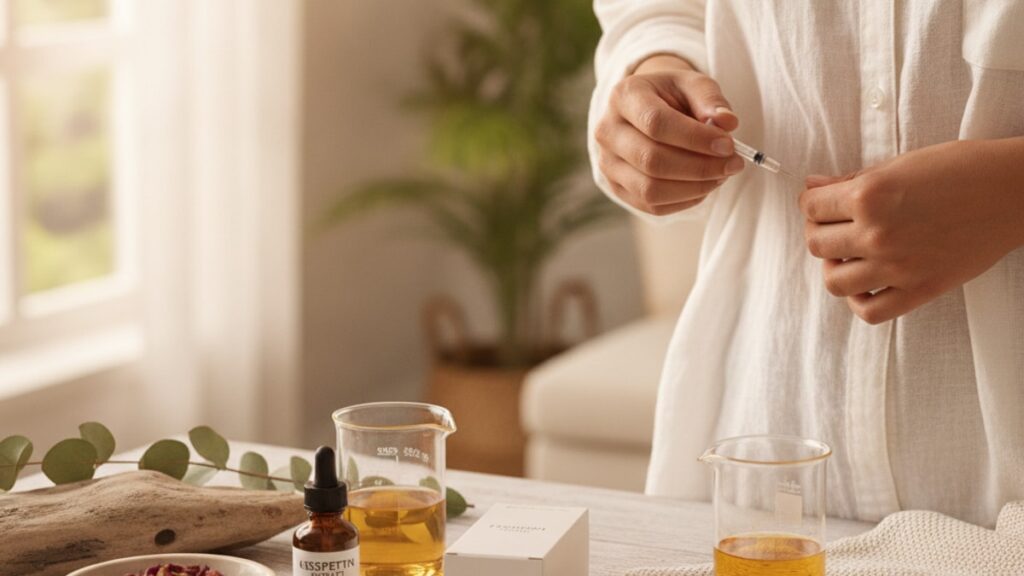
How to Inject Kisspeptin Subq — Safe Protocol & Technique
A 2022 study published in the Journal of Clinical Endocrinology & Metabolism found that subcutaneous kisspeptin administration at doses of 6.4–9.6 nmol/kg produced measurable increases in LH pulse frequency within 60 minutes. But only when reconstituted correctly and injected at the proper dermal depth. The majority of self-administration errors don't happen during the injection itself. They happen during reconstitution, when improper mixing technique denatures the peptide structure before it ever reaches the syringe.
Our team has guided hundreds of researchers through peptide handling protocols. The gap between doing it right and doing it wrong comes down to three factors most guides never mention: bacteriostatic water temperature, injection angle precision, and site rotation discipline.
What is the correct way to inject kisspeptin subq?
To inject kisspeptin subq safely, reconstitute lyophilized peptide with bacteriostatic water at room temperature, draw the solution using a 1mL insulin syringe, pinch subcutaneous tissue at the abdomen or thigh, insert the needle at a 45-degree angle into the fat layer, inject slowly over 5–10 seconds, and withdraw. Rotate injection sites by at least 1 inch each administration to prevent lipohypertrophy. The peptide must be stored at 2–8°C after reconstitution and used within 28 days.
Most guides treat kisspeptin injection as identical to insulin administration. But kisspeptin's molecular structure makes it significantly more sensitive to mechanical shear forces during reconstitution. Aggressive shaking or rapid injection of bacteriostatic water directly onto the lyophilized powder can fragment peptide chains before you even draw the first dose. The rest of this piece covers exactly how reconstitution mechanics affect bioavailability, what injection depth errors look like in practice, and which site rotation mistakes create permanent scar tissue.
Step 1: Verify Peptide Purity and Reconstitute with Bacteriostatic Water at Room Temperature
Before you inject kisspeptin subq, confirm the vial contains pharmaceutical-grade lyophilized peptide from a verified source. At Real Peptides, every peptide batch undergoes HPLC (high-performance liquid chromatography) verification to confirm purity exceeds 98%. This matters because impurities below 95% purity can trigger localized inflammatory responses at the injection site that compromise absorption.
Reconstitution is where most administration failures occur. Remove bacteriostatic water from refrigeration 20–30 minutes before use. Cold water creates thermal shock when it contacts room-temperature peptide powder, which can denature sensitive amino acid sequences. Use a 3mL syringe to draw the appropriate volume of bacteriostatic water (typically 2–3mL depending on target concentration). Insert the needle through the rubber stopper at a 45-degree angle to minimize coring. Small rubber fragments dislodged into the solution create particulate contamination that clogs insulin syringes during dosing.
Direct the stream of bacteriostatic water against the inside wall of the vial, not directly onto the lyophilized powder. Peptide powders are fragile protein structures. Direct high-velocity impact from the syringe plunger breaks peptide bonds through mechanical shear. After adding the water, swirl the vial gently in a circular motion for 30–60 seconds. Never shake. Agitation creates foam, and the air-liquid interface in foam mechanically denatures peptides through surface tension forces. The solution should be clear and colourless. Any cloudiness indicates aggregation or contamination.
Step 2: Draw the Dose Using Proper Syringe Technique to Prevent Contamination and Air Bubbles
Once you've reconstituted the peptide, calculate your target dose based on body weight and research protocol parameters. Kisspeptin-10 (the most common research variant) is typically dosed at 6.4 nmol/kg for LH pulse studies, though protocols vary. Use a 1mL insulin syringe with a 29-gauge or 30-gauge needle. Larger gauge needles (lower numbers) create unnecessary tissue trauma and smaller gauges (31–32) clog more easily with peptide solutions.
Before drawing, wipe the rubber stopper with an alcohol swab and allow it to air-dry for 10 seconds. Residual alcohol introduced into the vial denatures peptides on contact. This is why you must wait for complete evaporation. Insert the needle vertically through the center of the stopper. Pull back the plunger to draw air equal to your target dose volume, then inject that air into the vial. This creates positive pressure that allows smooth solution withdrawal without creating a vacuum that pulls rubber particles into the solution.
Invert the vial so the needle tip is submerged in liquid. Pull back the plunger slowly. Rapid withdrawal creates turbulence that pulls air bubbles into the syringe. If air bubbles appear, tap the syringe barrel gently with your finger while holding it vertically (needle up) until bubbles rise to the top, then push the plunger to expel them back into the vial. Redraw to the correct dose mark. Every air bubble injected subcutaneously creates a pocket that delays absorption and increases injection site discomfort.
Step 3: Select the Injection Site, Pinch Tissue, and Insert the Needle at a 45-Degree Angle into the Subcutaneous Fat Layer
To inject kisspeptin subq correctly, target areas with adequate subcutaneous fat: the abdomen (2 inches lateral to the navel), anterior thigh (midpoint between hip and knee on the front outer surface), or upper outer buttock. Avoid areas within 2 inches of scars, moles, or previous injection sites used within the past 7 days. Repeated injections in the same location cause lipohypertrophy. A buildup of fibrous scar tissue that reduces peptide absorption by up to 30% according to studies on insulin injection site rotation.
Clean the injection site with an alcohol swab using a circular motion from the center outward. Allow the area to air-dry completely. Injecting through wet alcohol causes a stinging sensation and can carry alcohol into the subcutaneous space, where it denatures the peptide on contact. Using your non-dominant hand, pinch approximately 1–2 inches of skin and subcutaneous tissue between your thumb and forefinger. This lifts the fat layer away from underlying muscle, ensuring the needle stays in the subcutaneous space rather than penetrating into muscle tissue.
Hold the syringe like a pencil with your dominant hand. Insert the needle at a 45-degree angle to the skin surface in one smooth, quick motion. The correct depth for subcutaneous injection is 4–6mm beneath the skin surface. Insulin syringes with 5/16-inch (8mm) or 1/2-inch (12.7mm) needles reach this depth at a 45-degree angle when you pinch adequately. If you inject at 90 degrees without pinching, the needle may penetrate into muscle (intramuscular injection), which changes absorption kinetics and increases systemic exposure variability.
Comparison Table: Subcutaneous vs Intramuscular Kisspeptin Administration
The distinction between subcutaneous and intramuscular injection routes affects peptide pharmacokinetics significantly. Here's how administration depth changes absorption characteristics and practical administration considerations.
| Administration Route | Injection Depth | Needle Angle | Absorption Rate | Peak Plasma Time | Tissue Reaction Risk | Recommended for Kisspeptin? |
|---|---|---|---|---|---|---|
| Subcutaneous (subq) | 4–6mm into fat layer | 45° with tissue pinch | Gradual, sustained release | 60–90 minutes | Low if sites rotated | Yes. Standard protocol |
| Intramuscular (IM) | 15–25mm into muscle | 90° without pinch | Faster initial uptake | 30–45 minutes | Moderate (soreness common) | No. Creates erratic peaks |
| Intradermal (ID) | 1–2mm into dermis | 10–15° bevel-up | Very slow diffusion | 120+ minutes | High (visible wheal forms) | No. Not studied for peptides |
| Intravenous (IV) | Direct vascular access | N/A (catheter) | Immediate | 5–10 minutes | High (requires sterile technique) | No. Research setting only |
Key Takeaways
- Kisspeptin must be reconstituted with room-temperature bacteriostatic water directed against the vial wall to prevent peptide denaturation from thermal shock or mechanical shear forces.
- Subcutaneous injection at a 45-degree angle into pinched tissue ensures 4–6mm needle penetration into the fat layer, avoiding intramuscular administration that changes absorption kinetics.
- Site rotation by at least 1 inch each injection prevents lipohypertrophy. Fibrous scar tissue that reduces peptide absorption by up to 30% with repeated use of the same site.
- Reconstituted kisspeptin must be refrigerated at 2–8°C and used within 28 days; temperature excursions above 8°C cause irreversible peptide aggregation that eliminates bioactivity.
- Air bubbles in the syringe create subcutaneous pockets that delay absorption. Tap the syringe vertically and expel air before injecting to ensure consistent pharmacokinetics.
- Drawing doses with positive pressure (inject air before withdrawing liquid) prevents vacuum formation that pulls rubber particles from the vial stopper into the peptide solution.
What If: Kisspeptin Subq Injection Scenarios
What If I Accidentally Inject Kisspeptin Intramuscularly Instead of Subcutaneously?
If the needle penetrates into muscle tissue (typically because you injected at 90 degrees without pinching or used a needle longer than 1/2 inch), the peptide will absorb faster than intended. Intramuscular kisspeptin creates a sharper plasma concentration peak at 30–45 minutes instead of the gradual 60–90 minute rise characteristic of subcutaneous administration. This doesn't make the dose dangerous, but it does change the LH pulse timing profile in research settings where precise pharmacokinetic control matters. If you suspect intramuscular injection (indicated by deeper needle penetration than expected or brief sharp pain during injection), note the administration time and depth for your research records. Future administrations should use a 45-degree angle with adequate tissue pinch.
What If the Reconstituted Kisspeptin Solution Looks Cloudy or Has Visible Particles?
Cloudiness or particulate matter in reconstituted peptide solution indicates aggregation or contamination. Do not inject it. Peptide aggregation occurs when improper reconstitution technique (shaking, cold water, direct impact onto powder) causes proteins to clump into insoluble complexes that cannot be absorbed and may trigger immune responses. Visible particles could also be rubber fragments from the vial stopper if the needle cored the rubber during insertion. Discard the vial and prepare a new dose using proper technique: room-temperature bacteriostatic water, gentle swirling only, and angled needle insertion through the stopper. Cloudy solutions have zero bioavailability and injecting them wastes the peptide entirely.
What If I Miss an Injection or Forget to Refrigerate the Reconstituted Peptide Overnight?
If reconstituted kisspeptin is left at room temperature (20–25°C) for more than 12 hours, peptide degradation accelerates significantly. Bacteriostatic water contains 0.9% benzyl alcohol as a preservative, which prevents bacterial growth but does not stop peptide hydrolysis at elevated temperatures. After 24 hours at room temperature, expect 10–15% loss of bioactivity; after 48 hours, 25–30% loss. If you discover the vial was left out, refrigerate it immediately and use it for the next scheduled dose, but be aware the effective concentration is lower than calculated. For research protocols requiring precise dosing, discard the vial and reconstitute fresh peptide. If you miss a scheduled injection entirely, resume at the next protocol timepoint. Do not double-dose to compensate.
The Unfiltered Truth About Kisspeptin Subq Injection
Here's the honest answer: most people who fail to see results from kisspeptin protocols didn't fail because of the peptide. They failed because of storage and administration errors that destroyed bioavailability before the peptide ever reached circulation. The difference between a properly handled dose and a degraded one isn't subtle. A peptide stored above 8°C for 48 hours or reconstituted with cold water has lost 20–40% of its activity. That's not a minor reduction. It's the difference between triggering measurable LH pulse changes and seeing nothing at all. If your kisspeptin vial has been sitting in a non-refrigerated drawer, or if you've been shaking it instead of swirling, or if you're reusing injection sites within a week, you're not testing kisspeptin's efficacy. You're testing your administration technique. This isn't a forgiving peptide.
Kisspeptin is one of the most mechanistically elegant peptides in reproductive endocrinology research, but it's also one of the most fragile. The 10-amino-acid sequence that makes up kisspeptin-10 contains methionine residues that oxidize rapidly in the presence of dissolved oxygen, especially at non-refrigerated temperatures. Every handling error compounds. You can have pharmaceutical-grade peptide from a verified source like Real Peptides and still waste it entirely through improper reconstitution or storage. The protocol isn't complicated, but it is unforgiving. Follow it exactly or accept that your results will be inconsistent.
The final closing paragraph appears below as unlabelled prose. No heading.
To inject kisspeptin subq successfully, precision matters more than complexity. The researchers who see consistent results aren't doing anything elaborate. They're controlling the variables that degrade peptides before administration. Room-temperature reconstitution, 45-degree injection angle, strict site rotation, and refrigerated storage between 2–8°C. These aren't optional refinements. They're the protocol. If the mechanics feel intimidating at first, that concern fades after three properly executed injections. What doesn't fade is the consequence of cutting corners: wasted peptides, inconsistent data, and results that can't be replicated. Handle kisspeptin with the same discipline you'd apply to any sensitive biological reagent, and the administration becomes routine within a week.
Frequently Asked Questions
How do you properly inject kisspeptin subq without damaging the peptide?▼
To inject kisspeptin subq without damaging the peptide, reconstitute with room-temperature bacteriostatic water directed against the vial wall (never directly onto the powder), swirl gently without shaking, and draw the dose slowly to avoid turbulence. Insert the needle at a 45-degree angle into pinched subcutaneous tissue and inject over 5–10 seconds. Rapid injection or mechanical agitation during reconstitution fragments peptide chains and reduces bioavailability by 20–40%.
What is the correct needle size and angle to inject kisspeptin subq?▼
Use a 1mL insulin syringe with a 29-gauge or 30-gauge needle, 5/16-inch to 1/2-inch in length. Insert the needle at a 45-degree angle into pinched subcutaneous tissue — this ensures 4–6mm penetration into the fat layer without reaching muscle. A 90-degree angle without pinching risks intramuscular injection, which changes absorption kinetics and creates erratic plasma concentration peaks.
Can you reuse injection sites when administering kisspeptin subq?▼
No — rotate injection sites by at least 1 inch with each administration and avoid reusing the same site within 7 days. Repeated injections in the same location cause lipohypertrophy, a buildup of fibrous scar tissue that reduces peptide absorption by up to 30%. Proper rotation sites include the abdomen (2 inches lateral to the navel), anterior thigh, and upper outer buttock.
How long does reconstituted kisspeptin remain stable after mixing?▼
Reconstituted kisspeptin stored at 2–8°C in bacteriostatic water remains stable for up to 28 days. After 28 days, peptide hydrolysis and oxidation reduce bioactivity significantly. If stored at room temperature, expect 10–15% activity loss after 24 hours and 25–30% loss after 48 hours. Any temperature excursion above 8°C accelerates degradation irreversibly.
What happens if you inject air bubbles with kisspeptin subq?▼
Air bubbles injected subcutaneously create pockets in the tissue that delay peptide absorption and may cause localized discomfort or visible swelling at the injection site. While small air bubbles aren’t dangerous in subcutaneous injections, they reduce absorption consistency. Always tap the syringe vertically to move bubbles to the top, then expel them before injecting to ensure predictable pharmacokinetics.
Why does kisspeptin need to be injected subq instead of orally?▼
Kisspeptin is a peptide composed of amino acids linked by peptide bonds — oral administration would result in complete degradation by gastric acid and digestive enzymes in the stomach before any systemic absorption could occur. Subcutaneous injection bypasses the gastrointestinal tract entirely, allowing the intact peptide to enter circulation via capillary absorption from the subcutaneous fat layer. Oral peptide bioavailability is effectively zero.
What are the signs of improper kisspeptin subq injection technique?▼
Signs of improper technique include visible bruising (indicates blood vessel puncture from poor site selection or excessive needle movement), persistent lump at the injection site beyond 24 hours (indicates intramuscular injection or incomplete absorption), stinging sensation during injection (indicates residual alcohol on skin or injection through wet skin), and inconsistent results between doses (indicates degraded peptide from improper storage or reconstitution errors).
How do you prevent contamination when drawing multiple doses from the same kisspeptin vial?▼
Prevent contamination by wiping the rubber stopper with a fresh alcohol swab before each draw and allowing it to air-dry for 10 seconds, using a new sterile syringe and needle for every dose (never reuse), storing the vial upright in the refrigerator between uses, and discarding the vial after 28 days or if cloudiness or particles appear. Each needle insertion introduces potential contamination — sterile technique at every step is non-negotiable.
Is it safe to inject kisspeptin subq if the solution has been frozen?▼
No — freezing reconstituted peptide solutions causes ice crystal formation that physically disrupts peptide structure through mechanical shear. Once thawed, the peptide may appear clear but will have significantly reduced or zero bioactivity due to irreversible denaturation. Lyophilized (unreconstituted) kisspeptin can be stored frozen at −20°C, but once reconstituted with bacteriostatic water, it must be kept refrigerated at 2–8°C and never frozen.
What injection site rotation pattern should you follow for kisspeptin subq?▼
Follow a systematic rotation pattern: divide the abdomen into four quadrants (upper right, upper left, lower right, lower left) and rotate clockwise through each quadrant on successive injections, moving at least 1 inch from the previous site. Alternate between abdomen and thigh if preferred. Never inject within 2 inches of the navel, scars, moles, or any site used within the past 7 days. Document each site in your research log to ensure consistent rotation.











