





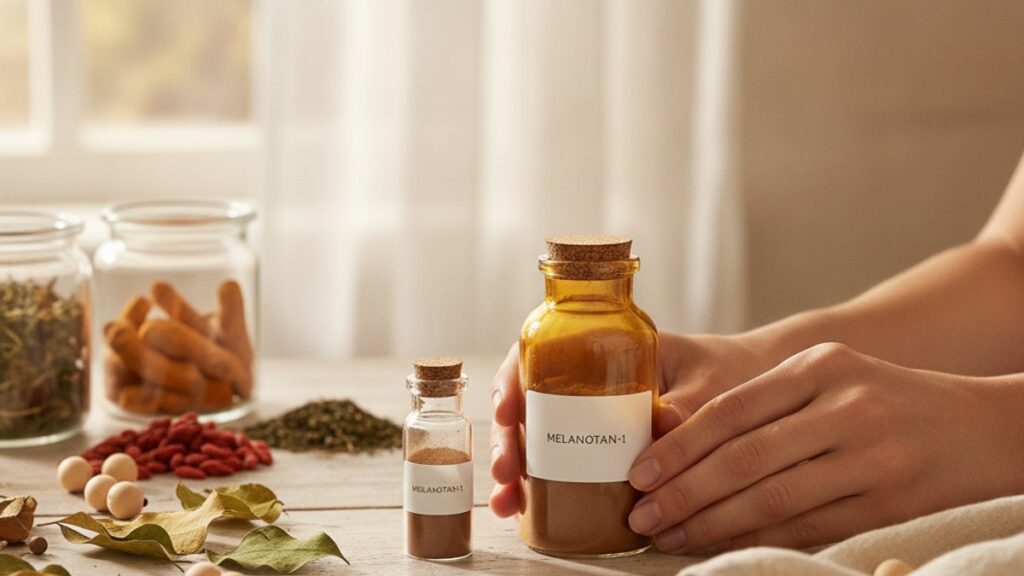
Choose Melanotan-1 Vial Size — Dosing & Storage Guide
The single biggest mistake researchers make when sourcing melanotan-1 isn't peptide purity or vendor selection. It's choosing the wrong vial size for their protocol. A 10mg vial stored at 2–8°C remains stable for 28 days post-reconstitution, but if your protocol only requires 6mg total over that period, you've wasted 40% of the peptide through oxidative degradation. Conversely, running a multi-week protocol with 2mg vials means reconstituting every four days, multiplying contamination risk and calculation errors.
We've guided hundreds of research facilities through peptide sourcing decisions. The gap between doing it right and doing it wrong comes down to three variables most procurement guides never address: total protocol peptide requirement, injection frequency, and refrigeration stability windows.
How do you choose melanotan-1 vial size for research protocols?
Choose melanotan-1 vial size by calculating total peptide requirement for your protocol duration, then selecting the smallest vial that covers that need with 10–15% buffer. A 28-day protocol at 1mg daily requires 28–30mg total, making three 10mg vials more practical than fifteen 2mg vials due to reduced reconstitution frequency and contamination exposure. Larger vials reduce per-dose cost but increase waste if the protocol ends early or peptide degrades before use.
Here's what most peptide procurement guides miss: vial size isn't about cost per milligram. It's about matching peptide quantity to protocol timeline within the 28-day post-reconstitution stability window. Melanotan-1 (afamelanotide) stored as lyophilized powder remains stable at −20°C for 24–36 months, but once reconstituted with bacteriostatic water, the clock starts. After 28 days at 2–8°C, oxidative degradation reduces potency by 8–12% even when stored correctly. This piece covers exactly how vial size affects reconstitution math, how to calculate your protocol's total peptide need, and what preparation mistakes negate stability entirely.
Match Vial Size to Protocol Duration
The fundamental calculation researchers overlook: total peptide requirement equals daily dose multiplied by protocol length, plus 10–15% buffer for measurement error and potential extensions. A loading phase protocol running 1mg daily for 21 days requires 23–24mg total peptide. Making two 10mg vials plus one 5mg vial the optimal configuration. Running that same protocol with 2mg vials means reconstituting twelve separate vials over three weeks, each introducing new contamination risk and requiring fresh dilution math.
Vial size directly determines your reconstitution volume and resulting concentration. A 10mg vial reconstituted with 2mL bacteriostatic water yields 5mg/mL. Meaning each 0.2mL (200 units on an insulin syringe) delivers exactly 1mg. That same 10mg vial reconstituted with 5mL yields 2mg/mL, requiring 0.5mL per 1mg dose. Smaller volumes (1–2mL per vial) produce higher concentrations, reducing injection volume but increasing viscosity. Larger volumes (3–5mL) ease dosing precision for protocols under 500mcg but consume more bacteriostatic water and refrigerator space.
Our team has found that protocols extending beyond 28 days should use multiple smaller vials rather than one large vial. A 60-day protocol at 500mcg daily requires 30mg total. Better served by three 10mg vials reconstituted sequentially than one hypothetical 30mg vial where two-thirds sits refrigerated for 40+ days while potency degrades. The 28-day post-reconstitution window is a hard constraint, not a guideline.
Reconstitution Math and Concentration Control
Every vial size change requires recalculating your dilution to maintain target dose accuracy. The formula is straightforward: concentration (mg/mL) equals total peptide mass (mg) divided by reconstitution volume (mL). A 5mg vial reconstituted with 1mL bacteriostatic water yields 5mg/mL. Each 0.1mL delivers 500mcg. That same 5mg vial with 2.5mL yields 2mg/mL, requiring 0.25mL per 500mcg dose.
Higher concentrations reduce injection volume but increase measurement sensitivity. A 10% dosing error at 10mg/mL (using 0.05mL instead of 0.055mL) costs you 50mcg, while the same percentage error at 2mg/mL costs only 10mcg. Researchers working with sub-milligram doses (200–500mcg) should target 1–2mg/mL concentrations to minimize syringe measurement error. Protocols using 1mg+ doses can tolerate 5–10mg/mL without practical issues.
Bacteriostatic water volume also dictates vial longevity. The benzyl alcohol preservative in bacteriostatic water maintains sterility for 28 days post-puncture when stored correctly, but only if the vial hasn't been breached more than 15–20 times. A 10mg vial used for 1mg daily doses over ten days sees ten needle punctures. Well within safety margins. That same vial stretched to 500mcg doses over 20 days sees 20 punctures, approaching the contamination risk threshold where particulate introduction becomes probable.
Storage Constraints and Peptide Stability
Melanotan-1 stability depends entirely on temperature control across two phases: pre-reconstitution (lyophilized powder) and post-reconstitution (peptide solution). Lyophilized melanotan-1 stored at −20°C maintains 98%+ potency for 24 months according to accelerated stability data from peptide synthesis facilities. Once reconstituted, the peptide must be refrigerated at 2–8°C. Any temperature excursion above 10°C for more than 2 hours initiates irreversible oxidation of methionine residues in the peptide chain.
Vial size directly impacts refrigeration logistics. A 10mg vial reconstituted with 2mL occupies roughly 3mL total space including headspace and rubber stopper. Three vials fit easily in a standard laboratory mini-fridge door rack. Larger custom vials (20–30mg) reconstituted with proportional volumes (4–6mL) require dedicated shelf space and complicate transport for multi-site protocols. Researchers operating mobile laboratories or field studies should default to 5mg vials to minimize cold chain volume.
The 28-day degradation curve isn't linear. Potency loss in the first 14 days post-reconstitution is negligible (less than 2%), but accelerates between days 15–28 as oxidative stress accumulates. A vial reconstituted on day 1 and stored correctly still delivers 96–98% potency on day 28. A vial reconstituted on day 1, used halfway by day 14, then stored another 14 days delivers 92–94% potency in the final doses. The peptide has been exposed to 28 days of oxidative conditions even though half the solution was drawn earlier.
Comparison Table: Melanotan-1 Vial Sizes for Research Protocols
This table compares standard melanotan-1 vial sizes across protocol requirements, reconstitution parameters, and practical logistics.
| Vial Size | Optimal Protocol Duration | Reconstitution Volume | Resulting Concentration (at 2mL) | Doses per Vial (1mg dose) | Refrigeration Space | Storage Stability Post-Reconstitution | Cost Efficiency |
|---|---|---|---|---|---|---|---|
| 2mg | 2–4 days | 0.5–1mL | 2–4mg/mL | 2 doses | Minimal. Fits in door rack | 28 days at 2–8°C | Lowest cost/mg but highest per-protocol cost due to multiple vials |
| 5mg | 5–10 days | 1–2mL | 2.5–5mg/mL | 5 doses | Minimal. 2–3 vials fit in door rack | 28 days at 2–8°C | Moderate. Balances single-vial convenience with low waste |
| 10mg | 10–20 days | 2–4mL | 2.5–5mg/mL | 10 doses | Moderate. Requires small shelf or door rack | 28 days at 2–8°C | High. Best cost/mg for protocols under 28 days |
| 15mg | 15–28 days | 3–5mL | 3–5mg/mL | 15 doses | Moderate. Dedicated shelf space recommended | 28 days at 2–8°C | Highest cost/mg efficiency but risk of waste if protocol shortened |
Key Takeaways
- Calculate total protocol peptide requirement (daily dose × duration + 15% buffer) before selecting vial size. A 21-day protocol at 1mg daily needs 24–25mg total, best served by two 10mg vials plus one 5mg vial.
- Reconstituted melanotan-1 maintains 96–98% potency for 28 days at 2–8°C. Any peptide remaining after day 28 should be discarded regardless of appearance.
- Higher peptide concentrations (5–10mg/mL) reduce injection volume but increase dosing precision requirements. Sub-milligram protocols should target 1–2mg/mL to minimize syringe measurement error.
- Each vial puncture introduces contamination risk. Protocols requiring more than 20 needle entries into a single vial should split across two smaller vials instead.
- Lyophilized melanotan-1 stored at −20°C remains stable for 24+ months pre-reconstitution. Once mixed with bacteriostatic water, the 28-day countdown begins immediately.
What If: Melanotan-1 Vial Size Scenarios
What If My Protocol Extends Beyond 28 Days?
Reconstitute vials sequentially rather than all at once. A 60-day protocol requiring 30mg total should use three 10mg vials: reconstitute vial 1 on day 1, vial 2 on day 21, vial 3 on day 42. Each vial remains within the 28-day stability window, and you avoid exposing unused peptide to extended refrigeration. This approach also allows protocol adjustment. If results plateau at day 40, you haven't wasted the third vial's reconstitution. Sequential reconstitution adds minor calculation overhead but eliminates the single largest source of peptide waste in extended protocols.
What If I Need to Transport Reconstituted Melanotan-1?
Use a validated cold chain container maintaining 2–8°C for the full transport duration. Standard insulin coolers using ice packs work for trips under 12 hours, but longer transport requires phase-change materials (PCM) calibrated to 4°C. Not 0°C freezer packs, which can cause peptide precipitation if the vial contacts frozen surfaces. Transport in 5mg or smaller vials to reduce loss if one vial experiences temperature excursion. Never transport lyophilized (unreconstituted) peptide in the same container as reconstituted vials. The temperature requirements differ (−20°C vs 2–8°C).
What If I Accidentally Reconstitute the Wrong Vial Size?
Adjust your concentration calculations immediately before drawing the first dose. If you reconstituted a 10mg vial intending it to be 5mg, your actual concentration is double what you planned. Recalculate every dose volume before injection. Mark the vial clearly with actual concentration and recalculation date. The peptide itself is unharmed by the reconstitution error, but dosing errors downstream can compromise your entire protocol. This is why we recommend labeling every vial with both peptide mass and reconstitution volume before mixing.
The Honest Truth About Melanotan-1 Vial Economics
Here's the honest answer: most researchers overspend on melanotan-1 by 30–40% because they optimize for per-milligram cost instead of per-protocol cost. A 15mg vial at $4.50/mg looks cheaper than three 5mg vials at $5.20/mg. Until you realize your 18-day protocol only needs 18mg and you're discarding 7mg of degraded peptide on day 29. The real cost isn't the sticker price per vial. It's the peptide you throw away because you bought more than your stability window allows you to use.
Vendors incentivize large vial purchases through volume pricing, but those savings evaporate the moment your protocol duration doesn't perfectly align with vial quantity. A researcher running quarterly 14-day protocols should buy 5mg vials exclusively. Even at higher per-milligram cost. Because three 5mg vials cover one protocol with minimal waste. Buying two 10mg vials
Frequently Asked Questions
How long does reconstituted melanotan-1 remain stable in the refrigerator?▼
Reconstituted melanotan-1 maintains 96–98% potency for 28 days when stored at 2–8°C in a sealed vial. Potency loss is negligible in the first 14 days (under 2%) but accelerates between days 15–28 as oxidative degradation of methionine residues accumulates. After 28 days, discard any remaining solution regardless of appearance — the benzyl alcohol preservative in bacteriostatic water loses efficacy and particulate contamination risk increases with repeated needle punctures.
Can I freeze reconstituted melanotan-1 to extend its shelf life?▼
No — freezing reconstituted peptide solutions causes ice crystal formation that disrupts the three-dimensional peptide structure, leading to aggregation and irreversible potency loss. Melanotan-1 must remain refrigerated at 2–8°C post-reconstitution; it cannot be refrozen. Only lyophilized (unreconstituted) powder should be stored at −20°C. If you anticipate needing peptide beyond the 28-day window, purchase multiple smaller vials and reconstitute them sequentially rather than attempting to freeze a single large batch.
What concentration should I target when reconstituting melanotan-1?▼
Target 2–5mg/mL for most research protocols. This range balances dosing precision with manageable injection volumes. Concentrations below 1mg/mL require large injection volumes (0.5–1mL per dose) that can cause tissue irritation, while concentrations above 10mg/mL increase viscosity and make accurate measurement with standard insulin syringes difficult. For sub-milligram doses (200–500mcg), use 1–2mg/mL to minimize syringe measurement error; for doses above 1mg, 5mg/mL works well.
How do I calculate total peptide requirement for my protocol?▼
Multiply daily dose by protocol duration, then add 10–15% buffer for measurement error and potential extensions. Example: a 21-day protocol at 1mg daily requires 21mg base + 3mg buffer = 24mg total. Round up to the nearest vial increment available from your supplier. A 24mg requirement is best served by two 10mg vials plus one 5mg vial, or five 5mg vials. Never round down — running out mid-protocol forces you to source additional peptide with different lot numbers, introducing batch variability into your data.
Does vial size affect peptide purity or quality?▼
No — vial size is simply the quantity of lyophilized peptide sealed in the container. A 2mg vial and a 10mg vial from the same synthesis batch contain identical peptide with the same purity percentage (typically 98%+ for research-grade melanotan-1). Vial size affects reconstitution math, storage logistics, and cost per protocol — not the peptide’s chemical structure or biological activity. Purity is determined by synthesis method and purification process (typically HPLC), which occurs before the peptide is aliquoted into vials.
What happens if I store melanotan-1 at room temperature accidentally?▼
Lyophilized melanotan-1 tolerates short-term room temperature exposure (up to 25°C for 24–48 hours) with minimal potency loss, but prolonged exposure above 15°C accelerates degradation. Reconstituted peptide is far more sensitive — any temperature excursion above 10°C for more than 2 hours triggers methionine oxidation and peptide aggregation. If a reconstituted vial was left at room temperature overnight, discard it. If still sealed and lyophilized, return it to −20°C immediately and use it within the next protocol cycle rather than storing long-term.
Should I choose melanotan-1 vial size based on cost per milligram?▼
Only if your protocol duration aligns perfectly with the vial quantity and the 28-day post-reconstitution window. Optimizing for cost per milligram ignores waste — a 15mg vial at $4.50/mg costs $67.50 total, but if your protocol only needs 10mg and you discard 5mg after day 28, your effective cost was $6.75/mg for usable peptide. Calculate cost per completed protocol (total spend divided by peptide actually used) rather than sticker price per milligram. For most researchers, buying the smallest vial size that covers one protocol cycle with 10–15% buffer minimizes waste and delivers better true cost efficiency.
How many times can I puncture a melanotan-1 vial before contamination risk increases?▼
Limit needle punctures to 15–20 entries per vial. Each puncture introduces potential particulate contamination and stresses the rubber stopper seal. Bacteriostatic water’s benzyl alcohol preservative suppresses bacterial growth, but it cannot prevent physical particulate introduction from repeated needle insertion. Protocols requiring more than 20 doses from a single vial should split across two smaller vials. Always use a fresh needle for each draw and wipe the stopper with 70% isopropyl alcohol before every puncture.
Can I mix different vial sizes in the same protocol?▼
Yes — as long as you track reconstitution date and concentration for each vial separately. A protocol using one 10mg vial for days 1–20 and one 5mg vial for days 21–28 works perfectly if each vial is labeled with actual concentration and remains within its 28-day window. The challenge is avoiding dosing errors when switching between vials with different concentrations. Mark each vial clearly with mg/mL and required dose volume, and recalculate before every injection. Mixing vial sizes introduces calculation complexity but eliminates peptide waste for protocols that don’t align with single-vial increments.
What is the shelf life of unopened lyophilized melanotan-1?▼
Unopened lyophilized melanotan-1 stored at −20°C maintains 98%+ potency for 24–36 months. The peptide is freeze-dried under vacuum into a stable powder form that resists oxidation when kept frozen and sealed. Once the vial is opened and reconstituted, the 28-day countdown begins. Lyophilized peptide exposed to room temperature during shipping (2–5 days at 15–25°C) typically loses less than 1% potency if promptly returned to −20°C upon receipt. Long-term storage at −80°C can extend shelf life beyond 36 months, but most research facilities use standard −20°C freezers without issue.











