





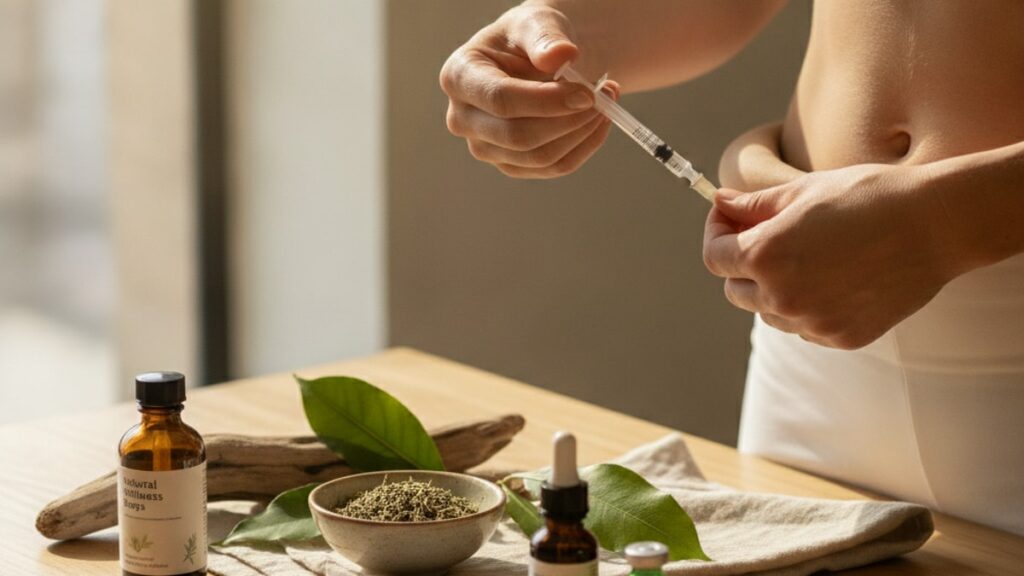
How to Inject ARA-290 Subq — Step-by-Step Protocol
Most injection failures with ARA-290 don't happen at the needle. They happen during reconstitution. Get the mixing ratio wrong or contaminate the vial during draw, and you've turned research-grade peptide into expensive saline. The protocol below covers reconstitution precision, sterile draw technique, injection site rotation, and the one mistake that ruins peptide stability before the first dose.
Our team has guided researchers through hundreds of peptide protocols. The gap between doing it right and wasting a vial comes down to three things most guides skip: bacteriostatic water volume precision, avoiding air introduction during draw, and understanding that ARA-290's mechanism. Activating the innate repair receptor (IRR) without triggering classical erythropoietin pathways. Demands intact molecular structure that improper handling destroys.
How do you properly inject ARA-290 subcutaneously?
To inject ARA-290 subq, reconstitute lyophilized peptide with bacteriostatic water at 1–2mg/mL concentration, allow 60 seconds for dissolution, draw the dose using aseptic technique without introducing air bubbles, pinch subcutaneous tissue at abdomen or thigh, insert the needle at 45° angle, inject slowly, and withdraw while maintaining pinch. Rotate injection sites by 2 inches minimum between doses to prevent lipohypertrophy.
Direct Answer: What Makes ARA-290 Injection Different
Most peptide guides assume you're injecting pre-mixed solutions. ARA-290 arrives as lyophilized powder requiring reconstitution. The step where contamination, incorrect dilution ratios, or air bubble introduction compromise peptide integrity before the first injection. The innate repair receptor pathway ARA-290 activates involves tissue-protective signaling through beta common receptor heterodimers without stimulating red blood cell production. This selective mechanism requires precise molecular configuration that denatures under improper storage or handling.
This article covers bacteriostatic water volume calculations for target concentrations, sterile vial access technique that prevents contamination across multiple draws, subcutaneous injection site selection and rotation patterns that minimize scar tissue formation, and the temperature storage constraints that preserve ARA-290 stability through a 28-day use window.
Step 1: Reconstitute ARA-290 with Bacteriostatic Water
Remove the lyophilized ARA-290 vial from −20°C storage and allow it to reach room temperature for 10–15 minutes before reconstitution. Temperature shock from immediate mixing causes protein aggregation. Clean the rubber stopper with an alcohol prep pad and allow 30 seconds of air-dry time. Residual alcohol denatures peptides on contact.
Calculate bacteriostatic water volume based on vial content and target concentration. For a 5mg vial targeting 1mg/mL concentration, add 5mL bacteriostatic water. For 2mg/mL concentration, add 2.5mL. Draw the calculated volume into a sterile syringe, then inject it slowly down the inside wall of the vial. Never directly onto the lyophilized powder cake. Direct injection causes foaming and protein shearing. Allow 60 seconds for complete dissolution without shaking or agitation.
Inspect the reconstituted solution against light. It should be clear and colorless with no visible particles. Cloudiness indicates protein aggregation from improper mixing or contaminated water. Do not use clouded solutions. Label the vial with reconstitution date. Bacteriostatic water preserves peptide stability for 28 days when refrigerated at 2–8°C, not indefinitely.
Researchers working with peptides from Real Peptides receive detailed reconstitution protocols with every order. Small-batch synthesis with exact amino-acid sequencing means consistent vial content that matches label claims, eliminating the guesswork that undermines concentration accuracy with lower-purity sources.
Step 2: Draw the Dose Using Aseptic Technique
Clean the vial stopper with a fresh alcohol pad before every draw. Bacterial contamination accumulates across multiple accesses. Insert the needle through the stopper at a slight angle to prevent coring (rubber fragments entering the solution). Do not inject air into the vial before drawing. This increases contamination risk and creates pressure that forces solution back through the needle during withdrawal.
Invert the vial and position the needle tip below the solution surface. Draw slightly more than your target dose, then tap the syringe barrel to move air bubbles to the top. Push the plunger slowly until bubbles are expelled and the meniscus reaches your exact dose marking. Air bubbles in subcutaneous tissue cause injection site discomfort and reduce dose accuracy by displacing solution volume.
Withdraw the needle from the vial and recap it using the one-handed scoop technique: place the cap on a clean surface, insert the needle into the cap opening without using your other hand, then secure the cap. This prevents needle-stick exposure. Never attempt to recap by holding the cap with your non-dominant hand.
Step 3: Select and Prepare the Injection Site
Subcutaneous ARA-290 injection targets adipose tissue 5–15mm below skin surface. Deeper than intradermal but above muscle. Preferred sites include lower abdomen (2 inches away from navel in any direction), anterior thigh (mid-thigh avoiding inner thigh vasculature), or outer upper arm (if a second person administers the injection). Avoid areas with visible veins, moles, scars, or previous injection sites used within the past 7 days.
Rotate injection sites systematically to prevent lipohypertrophy. Localized fat tissue buildup that reduces absorption and creates visible lumps. Use a rotation pattern: right lower abdomen, left lower abdomen, right thigh, left thigh, then repeat. Document each injection site and date to ensure minimum 2-inch spacing and 7-day interval before reusing the same location.
Clean the selected site with an alcohol prep pad using concentric circles moving outward from the injection point. Allow the alcohol to air-dry completely. Injecting through wet alcohol carries surface bacteria into tissue and causes stinging. The drying process takes 30–45 seconds depending on ambient humidity.
Step 4: Inject ARA-290 into Subcutaneous Tissue
Pinch approximately 1–2 inches of skin and subcutaneous tissue between thumb and forefinger at the prepared site. This creates a raised area that distances the injection from underlying muscle. Insert the needle at a 45° angle in one smooth motion. Hesitation increases pain perception. For individuals with higher body fat percentage (>25% in men, >32% in women), a 90° perpendicular angle may be used as subcutaneous layer thickness exceeds needle length.
Inject the solution slowly over 3–5 seconds. Rapid injection increases local pressure and discomfort. Keep the pinch maintained throughout injection and for 2 seconds after. Release the pinch, then withdraw the needle at the same angle it entered. Apply gentle pressure with a clean gauze pad for 5–10 seconds if minor bleeding occurs. Do not rub the site, as this can disperse the peptide before absorption initiates.
Dispose of the used needle and syringe in an FDA-approved sharps container immediately. Never recap used needles for disposal. Needle-stick injuries from recapping account for 30–40% of healthcare worker exposures according to CDC data. If a sharps container isn't available, use a rigid plastic container with a screw-top lid labeled 'SHARPS' until proper disposal is accessible.
ARA-290 Subq Injection: Method Comparison
| Injection Method | Needle Gauge | Angle | Absorption Rate | Skill Level Required | Notes |
|---|---|---|---|---|---|
| Subcutaneous (standard) | 27–30G, ½ inch | 45° | 80–95% over 6–8 hours | Moderate | Targets adipose tissue; rotate sites every injection |
| Subcutaneous (high body fat) | 27–30G, ½ inch | 90° | 80–95% over 6–8 hours | Moderate | Perpendicular angle reaches subQ layer in higher BF% |
| Intramuscular (not recommended) | 23–25G, 1 inch | 90° | 90–100% over 2–4 hours | High | Faster absorption but higher pain, bleeding risk, not standard for ARA-290 |
| Intradermal (not applicable) | 26–27G, ⅜ inch | 10–15° | Variable, 60–70% | High | Creates wheal; not suitable for peptide volume or pharmacokinetics |
| Professional Assessment | 27–30G subcutaneous at 45° is the research standard for ARA-290. It balances absorption consistency, injection site tolerance, and technique accessibility for researchers without clinical training. Intramuscular administration offers no bioavailability advantage and increases adverse event risk. |
Key Takeaways
- Reconstitute ARA-290 at 1–2mg/mL using bacteriostatic water, injecting slowly down the vial wall to prevent protein shearing and foaming.
- Refrigerate reconstituted peptide at 2–8°C and use within 28 days. Bacteriostatic water extends stability but doesn't preserve peptides indefinitely.
- Draw doses without injecting air into the vial to minimize bacterial contamination risk across multiple accesses.
- Rotate injection sites by minimum 2 inches and 7 days between uses to prevent lipohypertrophy and maintain consistent absorption.
- Insert the needle at 45° angle into pinched subcutaneous tissue at abdomen or anterior thigh, inject over 3–5 seconds, and dispose of sharps immediately in an approved container.
- ARA-290 activates the innate repair receptor pathway without classical erythropoietin effects. Molecular integrity depends on proper reconstitution and storage technique.
What If: ARA-290 Injection Scenarios
What If the Reconstituted Solution Looks Cloudy After Mixing?
Discard the vial immediately and do not inject. Cloudiness indicates protein aggregation from contaminated bacteriostatic water, improper storage temperature before reconstitution, or direct injection onto the powder cake causing mechanical shearing. ARA-290's beta common receptor binding requires intact tertiary structure. Aggregated peptides lose receptor affinity and may trigger immune responses. Cloudiness will not resolve with time or refrigeration.
What If I Inject Air into the Vial While Drawing?
The primary risk is bacterial contamination being pulled into the solution on subsequent draws. Air injected into a vial under sterile conditions doesn't immediately compromise the peptide, but it creates positive pressure that can force solution droplets back through the needle during withdrawal, contaminating the needle exterior. If air was injected, use a fresh needle for the actual injection and minimize the number of future draws from that vial.
What If I Miss the Subcutaneous Layer and Inject Into Muscle?
Intramuscular ARA-290 injection isn't dangerous but alters pharmacokinetics. Faster absorption with higher peak plasma concentration followed by shorter duration of action. You'll likely experience more injection site soreness and possibly minor bleeding. The dose isn't wasted, but absorption timing differs from the subcutaneous protocol. Document the occurrence and return to proper subcutaneous technique for subsequent injections.
What If I Accidentally Left Reconstituted ARA-290 Out of the Fridge Overnight?
Peptide degradation accelerates at temperatures above 8°C. A single overnight exposure at room temperature (20–25°C) causes measurable but not complete loss of activity. Estimated 10–20% potency reduction based on related peptide stability data. If the vial was out for 8–12 hours, it's still usable but less reliable for dose-dependent research. Beyond 24 hours at room temperature, assume significant degradation and discard the vial.
The Unvarnished Truth About ARA-290 Self-Administration
Here's the honest answer: most people who struggle with peptide injections aren't afraid of needles. They're overwhelmed by the reconstitution step and contamination anxiety. The injection itself takes 10 seconds. The reconstitution, sterile technique discipline, and dose calculation are where errors concentrate. If you've never handled bacteriostatic water or lyophilized compounds before, expect a learning curve across the first 2–3 vials.
The pharmaceutical industry doesn't make this easier. Pre-filled peptide pens exist for insulin and GLP-1 agonists because those compounds have mass-market volume justifying the manufacturing cost. Research peptides like ARA-290 don't. You're responsible for reconstitution precision, contamination prevention, and storage discipline that pre-filled delivery systems handle automatically. That's not a flaw. It's the trade-off for accessing compounds years before (or if) they reach FDA approval and commercial formulation.
Sterile Technique and Contamination Prevention
Bacterial contamination is the most preventable injection complication and the one researchers worry about least until it happens. Symptoms appear 24–72 hours post-injection: redness spreading beyond the injection site, warmth, swelling, and pain intensity increasing rather than resolving. Contamination sources include inadequate alcohol prep time (solution must dry completely), touching the needle after uncapping, reusing needles across draws, or injecting through clothing.
Hand hygiene precedes every injection step. Wash hands with soap for 20 seconds or use alcohol-based sanitizer and allow complete drying. Prepare all materials. Vial, alcohol pads, syringe, sharps container. On a clean surface before starting. Never set an uncapped needle down and pick it up again. Once exposed to air, a needle is no longer sterile.
Bacteriostatic water contains 0.9% benzyl alcohol as a preservative, which inhibits bacterial growth but doesn't sterilize the solution retroactively. If non-sterile implements contact the water or vial interior, contamination occurs. This is why proper vial access technique. Cleaning the stopper before every draw, using a fresh needle for injection after drawing. Matters across a 28-day use window. Early draws from a contaminated vial may cause no issues; bacterial load accumulates with each subsequent access.
Our experience working with researchers using premium research peptides shows that sterile technique errors decrease dramatically after the first five injections. Initial anxiety about contamination transitions into procedural routine. The researchers who maintain injection logs documenting site rotation, reconstitution dates, and any deviations from protocol report higher confidence and fewer complications than those who rely on memory.
Closing
The difference between effective peptide research and wasted vials isn't your pain tolerance. It's reconstitution precision and sterile technique discipline. ARA-290's tissue-protective mechanism through innate repair receptor activation depends on molecular integrity that survives or fails during the mixing step, not the injection itself. If the protocol above feels overwhelming, that's normal. Competence builds across repetitions, not from reading instructions once. Proper technique matters more than speed, and documentation prevents the errors that memory alone can't catch.
Frequently Asked Questions
What needle size should I use to inject ARA-290 subcutaneously?▼
Use a 27–30 gauge needle with ½ inch length for subcutaneous ARA-290 injection. The higher gauge number (thinner needle) reduces injection site trauma and pain while still allowing peptide solution to pass without excessive resistance. Needle length of ½ inch reaches subcutaneous adipose tissue in most body compositions without penetrating underlying muscle when inserted at 45° angle.
Can I reuse the same syringe to draw multiple doses from one ARA-290 vial?▼
No — never reuse syringes or needles for subsequent draws or injections. Each vial access requires a fresh sterile needle to prevent bacterial contamination that accumulates across multiple punctures. While the peptide solution inside a properly stored vial remains stable for 28 days, reusing needles introduces skin bacteria into the vial and onto needle surfaces, dramatically increasing infection risk. The cost savings from reusing syringes is negligible compared to treating an injection site infection.
How much does ARA-290 peptide cost for a typical research protocol?▼
Research-grade ARA-290 costs approximately $180–$320 per 5mg vial depending on purity grade and supplier, with most protocols requiring 2–4 vials per month at standard dosing ranges. Cost per injection ranges from $6–$15 based on dose and concentration. Bacteriostatic water, syringes, and alcohol prep supplies add roughly $15–$25 monthly. Total monthly cost typically runs $400–$700 for ongoing peptide research at therapeutic-range doses.
What are the most common side effects from subcutaneous ARA-290 injection?▼
Injection site reactions — mild redness, swelling, or tenderness lasting 24–48 hours — occur in approximately 15–25% of administrations and typically resolve without intervention. These are mechanical responses to needle trauma and solution volume in tissue, not peptide-specific reactions. Persistent swelling beyond 48 hours, spreading redness, warmth, or pain intensity increasing rather than decreasing suggests bacterial contamination requiring medical evaluation. Systemic effects from ARA-290 itself are rare at research doses due to its selective innate repair receptor pathway that avoids classical erythropoietin effects.
How long does it take for subcutaneous ARA-290 to be absorbed after injection?▼
Subcutaneous peptide absorption follows biphasic kinetics: initial absorption begins within 15–30 minutes post-injection with peak plasma concentration typically reached at 2–4 hours, followed by sustained release over 6–8 hours as the peptide diffuses from adipose tissue into systemic circulation. This differs from intramuscular injection which peaks faster (60–90 minutes) but with shorter duration. Absorption rate varies with injection site vascularity — abdomen absorbs slightly faster than thigh due to higher subcutaneous blood flow.
Is ARA-290 better than BPC-157 for tissue repair research?▼
ARA-290 and BPC-157 activate different repair pathways and aren’t directly comparable — ARA-290 works through innate repair receptor (IRR) signaling affecting inflammatory modulation and neuroprotection, while BPC-157 influences angiogenesis and fibroblast activity through growth factor pathways. Research suggests ARA-290 demonstrates stronger effects in neuropathic and inflammatory models, whereas BPC-157 shows more pronounced benefits in wound healing and tendon repair contexts. Many researchers exploring tissue repair mechanisms examine both peptides to understand their distinct contributions rather than choosing one over the other.
What happens if I inject ARA-290 into a vein accidentally?▼
Accidental intravenous injection during subcutaneous administration is extremely rare due to needle length and angle, but if it occurs you’ll experience immediate systemic distribution with faster onset and higher peak concentration than intended. This isn’t inherently dangerous with ARA-290 at research doses but bypasses the sustained-release pharmacokinetics that subcutaneous injection provides. You may notice brief lightheadedness or flushing as plasma concentration spikes. Pulling back on the plunger slightly before injecting (aspiration) checks for blood return, though this technique is debated — many protocols no longer recommend it for subcutaneous injections.
Do I need to refrigerate ARA-290 before reconstitution?▼
Lyophilized ARA-290 should be stored at −20°C (freezer) before reconstitution for maximum long-term stability, though it can tolerate refrigeration at 2–8°C for 3–6 months without significant degradation. Room temperature storage of lyophilized peptide accelerates degradation — avoid storing above 8°C for more than 48 hours. Once reconstituted with bacteriostatic water, the peptide must be refrigerated at 2–8°C and used within 28 days. Never freeze reconstituted peptide solutions, as ice crystal formation causes irreversible protein denaturation.
Can I mix ARA-290 with other peptides in the same injection?▼
Mixing multiple peptides in a single injection is not recommended unless specific compatibility data exists for those exact compounds — peptide stability, pH requirements, and molecular interactions vary significantly between compounds. ARA-290 has not been formally studied in combination injections with other research peptides. Administering peptides separately in different injection sites guarantees each compound’s stability and allows accurate assessment of individual effects. If injection frequency is a concern, rotating injection timing (morning/evening) is safer than combining unknown peptide mixtures.
Why does my injection site itch several hours after injecting ARA-290 subq?▼
Delayed itching 4–12 hours post-injection typically indicates a mild histamine response to the peptide solution, bacteriostatic water preservative (benzyl alcohol), or mechanical tissue trauma from the injection itself. This is generally benign and resolves within 24–48 hours. Applying a cold compress and avoiding scratching prevents secondary irritation. Persistent or worsening itching accompanied by hive-like welts suggests an allergic reaction to solution components — this is rare but requires discontinuation and medical consultation.











