
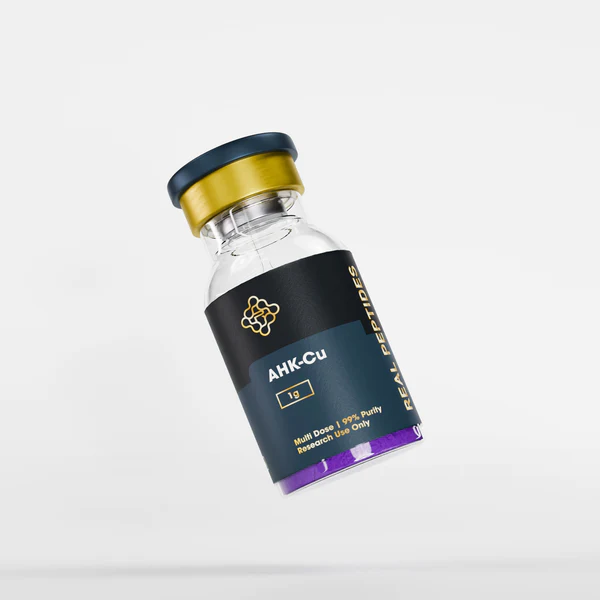

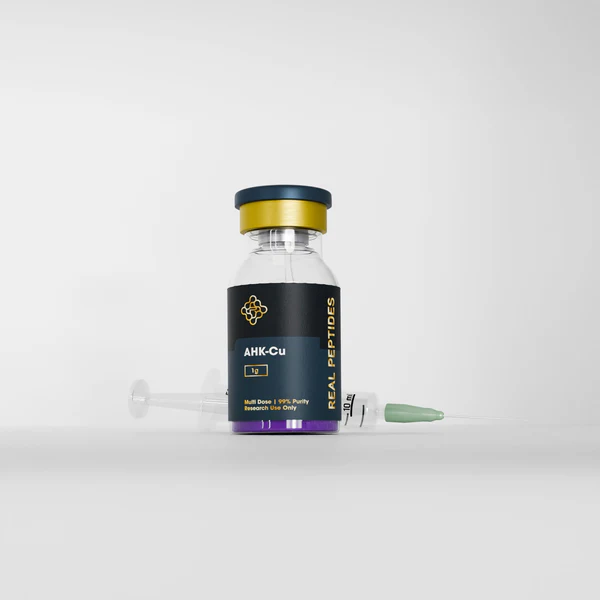
In Stock, Ready to Ship!
$200.00
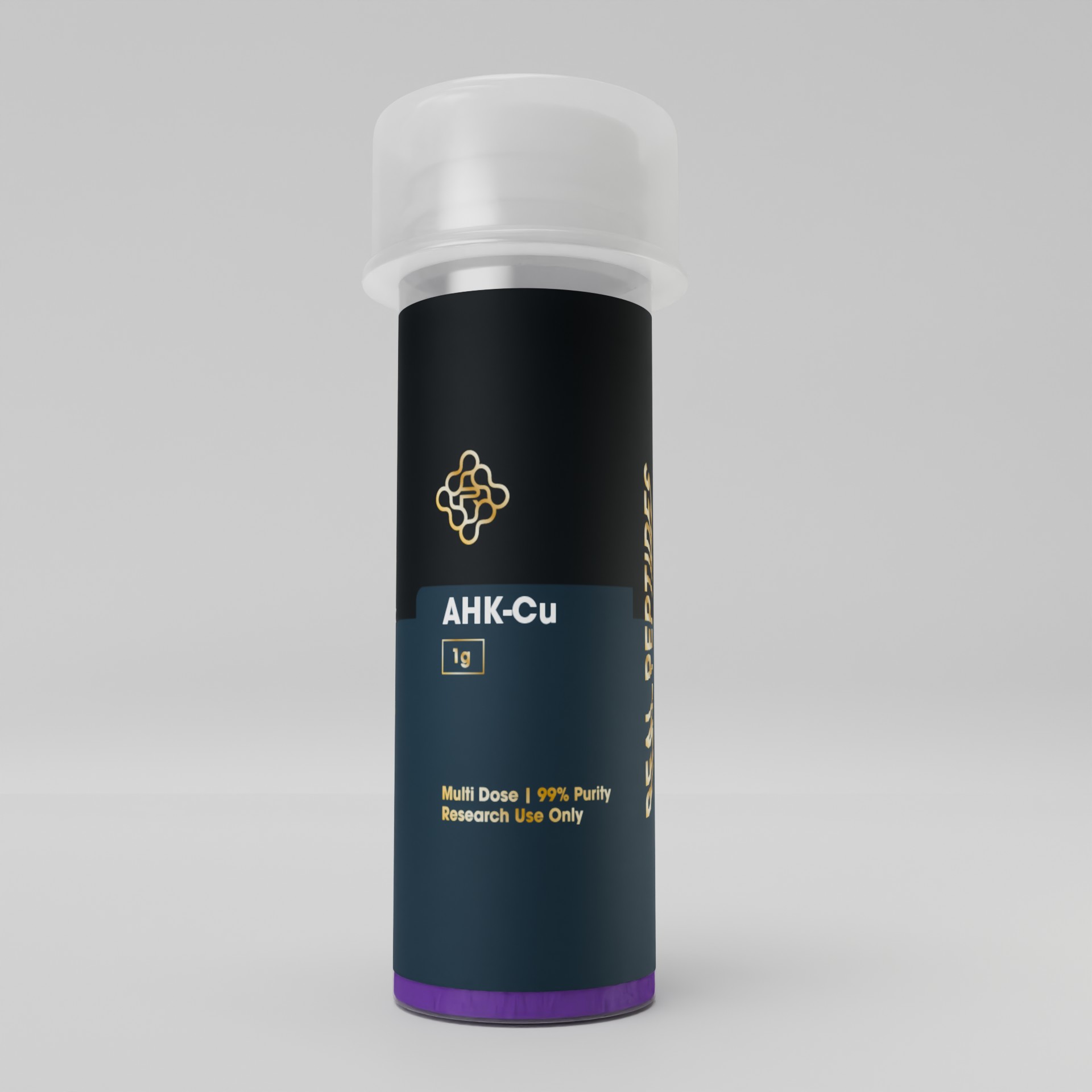
99% Pure | USA Finished | Multi DoseAHK-Cu Peptide (Copper Tripeptide-1) is a premium research peptide combining the amino acids alanine-histidine-lysine with a bioavailable copper ion. Widely used in cellular and tissue models, our 1 gram AHK-Cu peptide supports investigations into collagen synthesis, fibroblast proliferation, and angiogenic signaling. Its small tripeptide structure ensures rapid tissue penetration and reliable receptor engagement, while each batch is verified at ≥99% purity and shipped with a full Certificate of Analysis. Labs rely on AHK-Cu for precise studies in dermal repair, wound healing, and hair follicle biology—all under strict “for laboratory research only” protocols.

Peptides are not ready to use. Must purchase BAC water for reconstitution.
AHK-Cu upregulates Type I and III collagen synthesis in human dermal fibroblast cultures, modeling skin-firming effects in vitro.
In scratch-assay and wound-healing models, AHK-Cu drives rapid fibroblast proliferation and migration, supporting tissue-repair protocols.
AHK-Cu reduces pro-inflammatory cytokines (IL-1β, TNF-α) in keratinocyte assays, providing a tool to study anti-inflammatory pathways.
By enhancing superoxide dismutase (SOD) activity and lowering reactive oxygen species, AHK-Cu offers a model for antioxidant research.
Defines lipolytic potency across 100 nM–10 µM concentrations, giving precise guidance for protocol design.
Demonstrates efficient diffusion and activity in 3D skin equivalents, enabling ex vivo assessment of peptide distribution and efficacy.
Easily reconstituted in SWFI or BAC water, AHK-Cu remains stable at –20 °C (lyophilized) and at 2–8 °C (reconstituted) for up to 7 days.
AHK-Cu, also known as Copper Tripeptide-1, is a synthetically produced peptide that mimics a natural copper-binding sequence found in human plasma. In preclinical research, it’s applied to cultured fibroblasts, keratinocytes, and endothelial cells to study extracellular matrix modulation, antioxidant defenses, and microvascular formation. Its precise copper chelation allows researchers to dissect copper-dependent enzymatic pathways with minimal off-target activity.

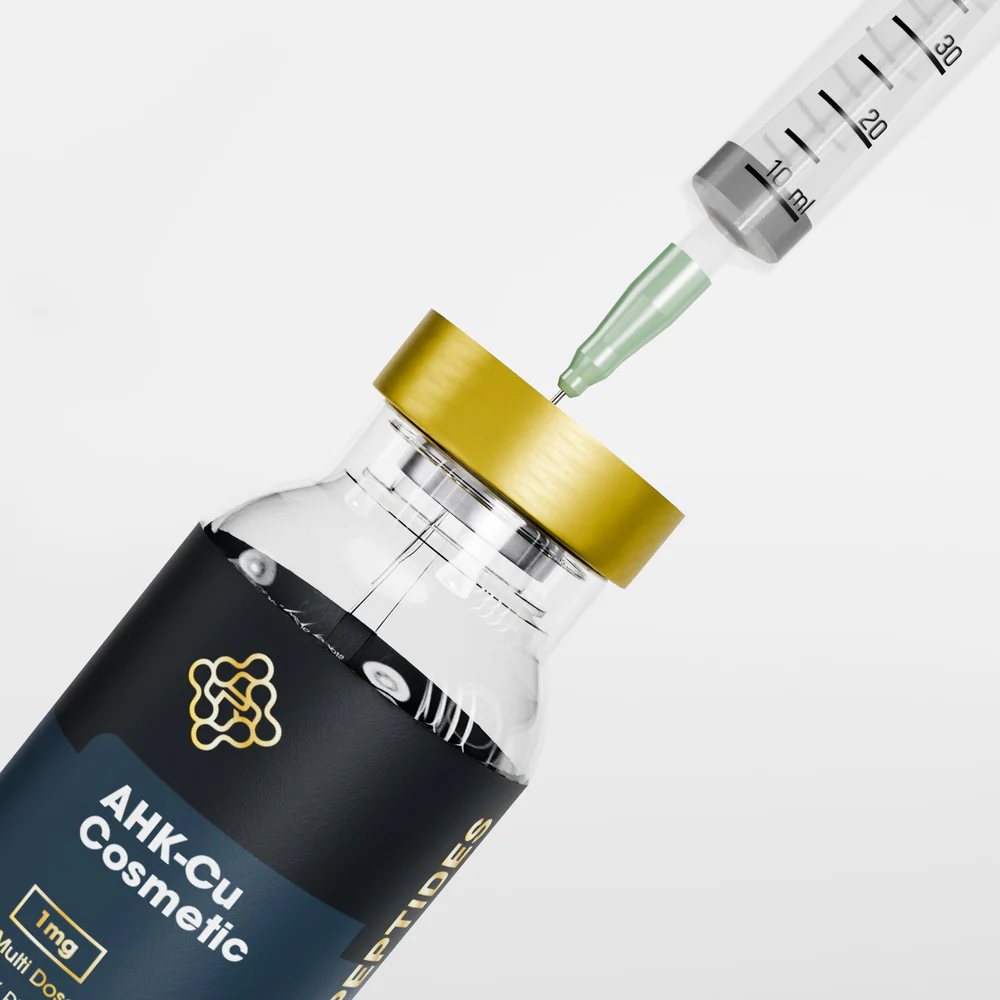
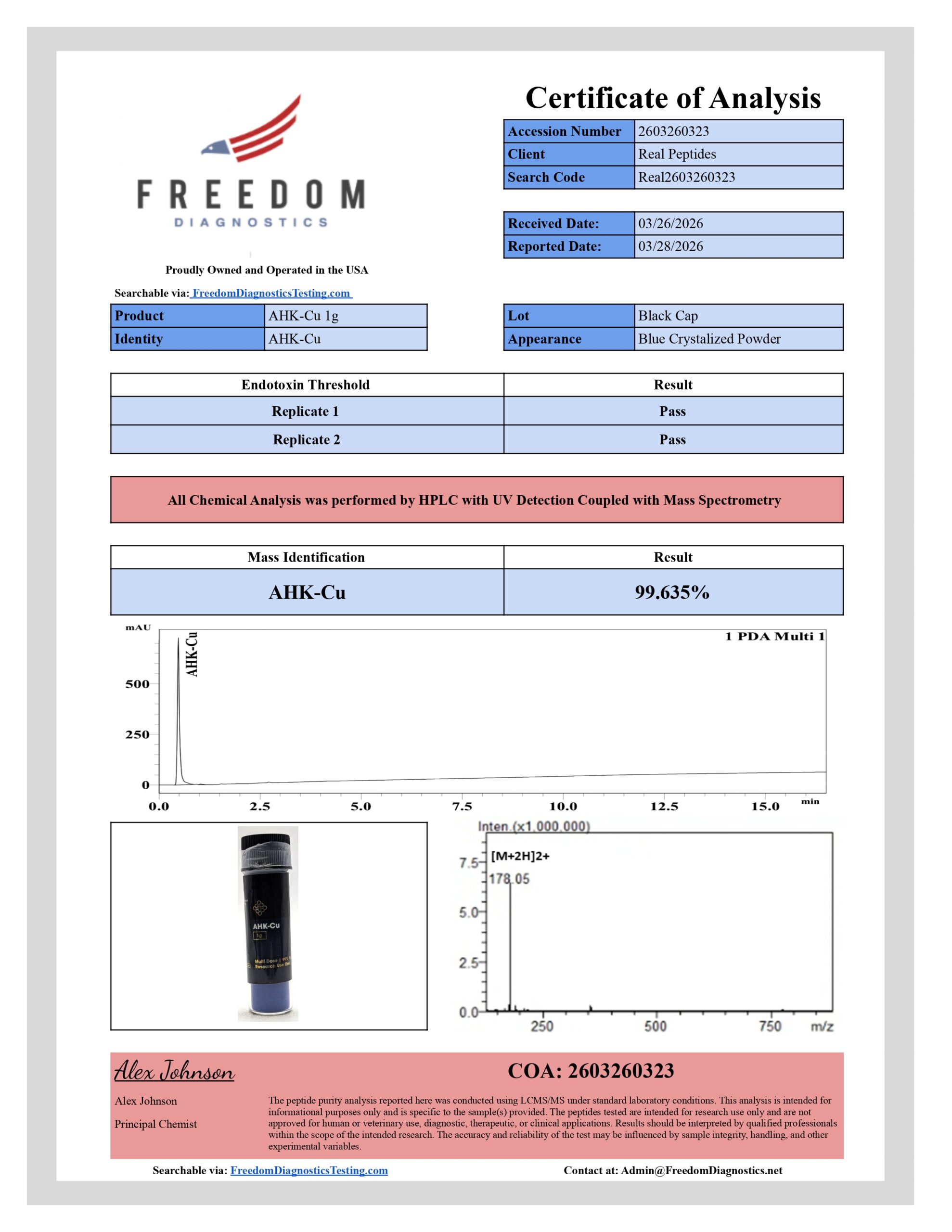
Researchers rely on AHK-Cu for its exceptional copper-binding affinity, which precisely activates key enzymatic pathways—like lysyl oxidase and superoxide dismutase—in dermal and follicular models. Its minimal tripeptide structure ensures rapid diffusion into target cells, while rigorous batch testing (≥99% HPLC purity, MS/MS verification, endotoxin screening) guarantees consistency across experiments. Manufactured under ISO-certified conditions, AHK-Cu delivers the confidence labs need for reproducible studies in skin repair, hair growth, and oxidative-stress mitigation.
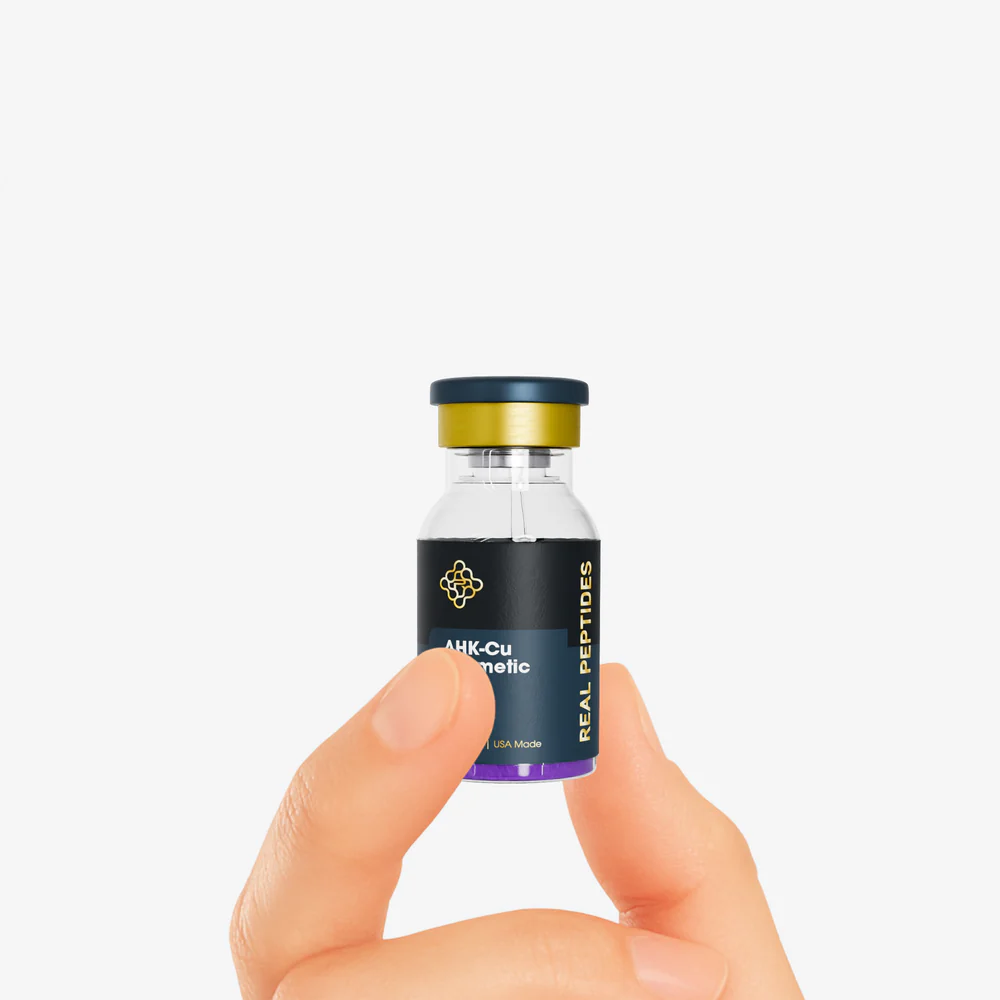
Unlike longer copper peptides, AHK-Cu combines simplicity and potency by linking alanine-histidine-lysine with a copper ion to drive both collagen synthesis and antioxidant defense within a single molecule. This dual-action profile not only promotes extracellular matrix remodeling and wound closure in vitro but also consistently stimulates VEGF-mediated angiogenesis in endothelial assays. Its demonstrated stability—maintaining >98% integrity in both lyophilized and reconstituted forms—makes AHK-Cu an unmatched peptide for high-precision regenerative research.
“Copper Peptides in Dermal Repair,” Journal of Dermatological Science.
Antioxidant Effects of Copper Tripeptides,” Free Radical Biology & Medicine.
“AHK-Cu and Hair Follicle Regeneration,” Experimental Dermatology.
AHK-Cu (Copper Tripeptide-1) is a synthetic tripeptide that binds copper to support collagen synthesis and cell repair in lab models.
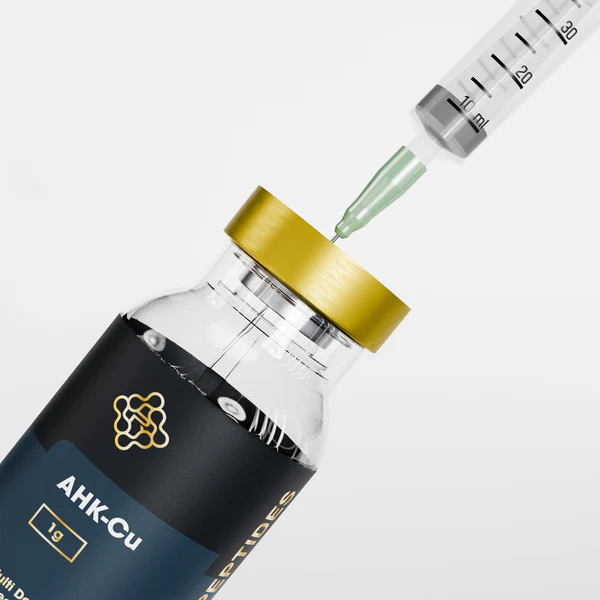
Reconstitute AHK-Cu with SWFI or BAC water, then apply per protocol to cell cultures or tissue explants at concentrations typically ranging from 0.1 to 10 µM.
AHK-Cu is a lab-synthesized peptide designed to mimic natural copper-binding sequences for controlled research applications.
Yes; AHK-Cu is often co-studied with GHK-Cu, Thymosin Beta-4, or IGF-1 peptides to evaluate synergistic regenerative effects.
Research shows AHK-Cu modulates cytokines like IL-1β and TNF-α, reducing inflammation in skin and wound-healing models.
AHK-Cu upregulates collagen types I and III in fibroblast assays, providing a model for skin-firmness and anti-wrinkle research.
Sterile Water for Injection (SWFI) or Bacteriostatic Water (BAC) are standard solvents for accurate peptide dissolution.
For best results, store AHK-Cu lyophilized at –20 °C; short-term room-temperature exposure during handling is acceptable.
No. AOD-9604 is strictly for laboratory research and is not approved for human or veterinary treatment.
Real Peptides synthesizes AHK-Cu in ISO-certified U.S. labs, with every lot tested for ≥99% purity and endotoxin-free status.
Don't hestitate to contact us