

In Stock, Ready to Ship!
$130.00 – $300.00Price range: $130.00 through $300.00
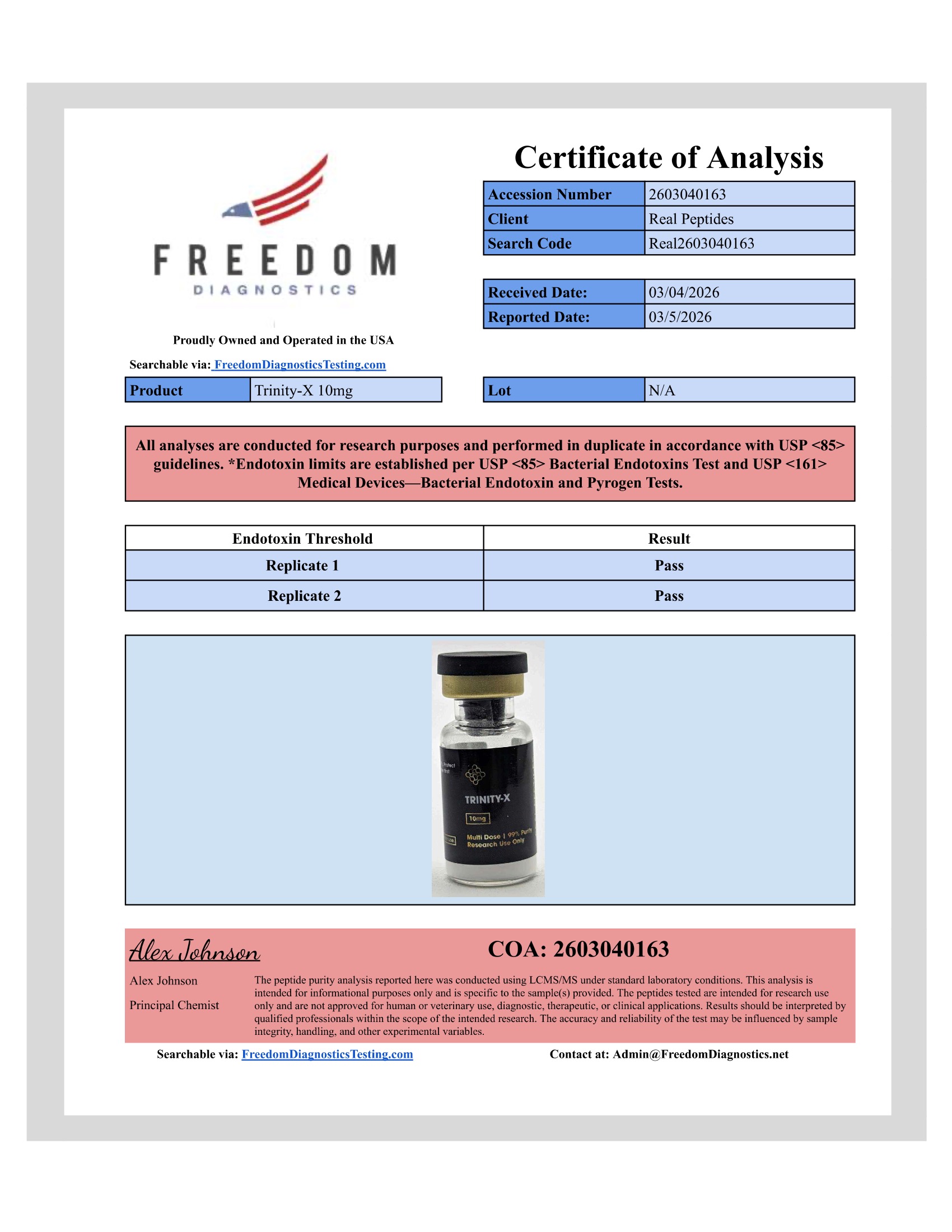
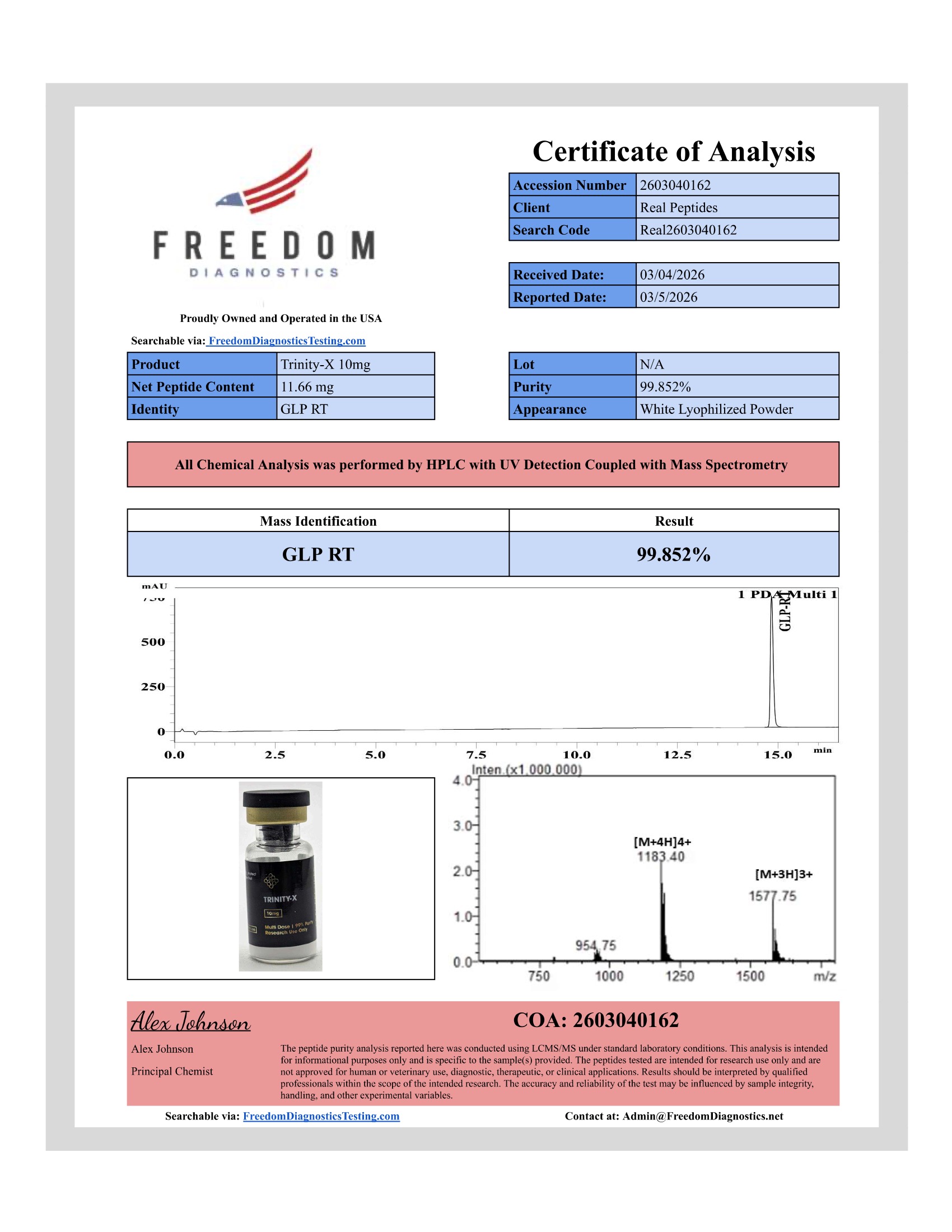
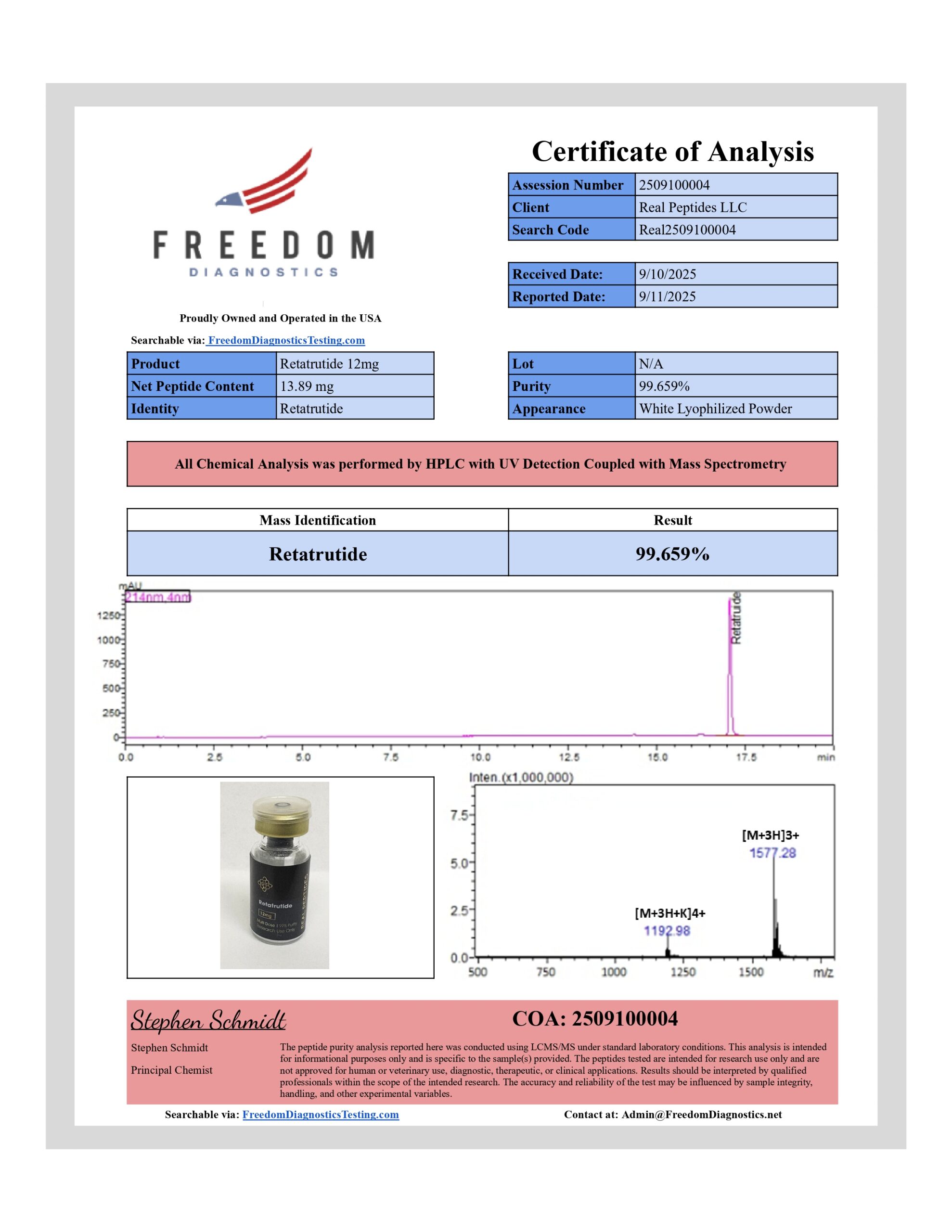
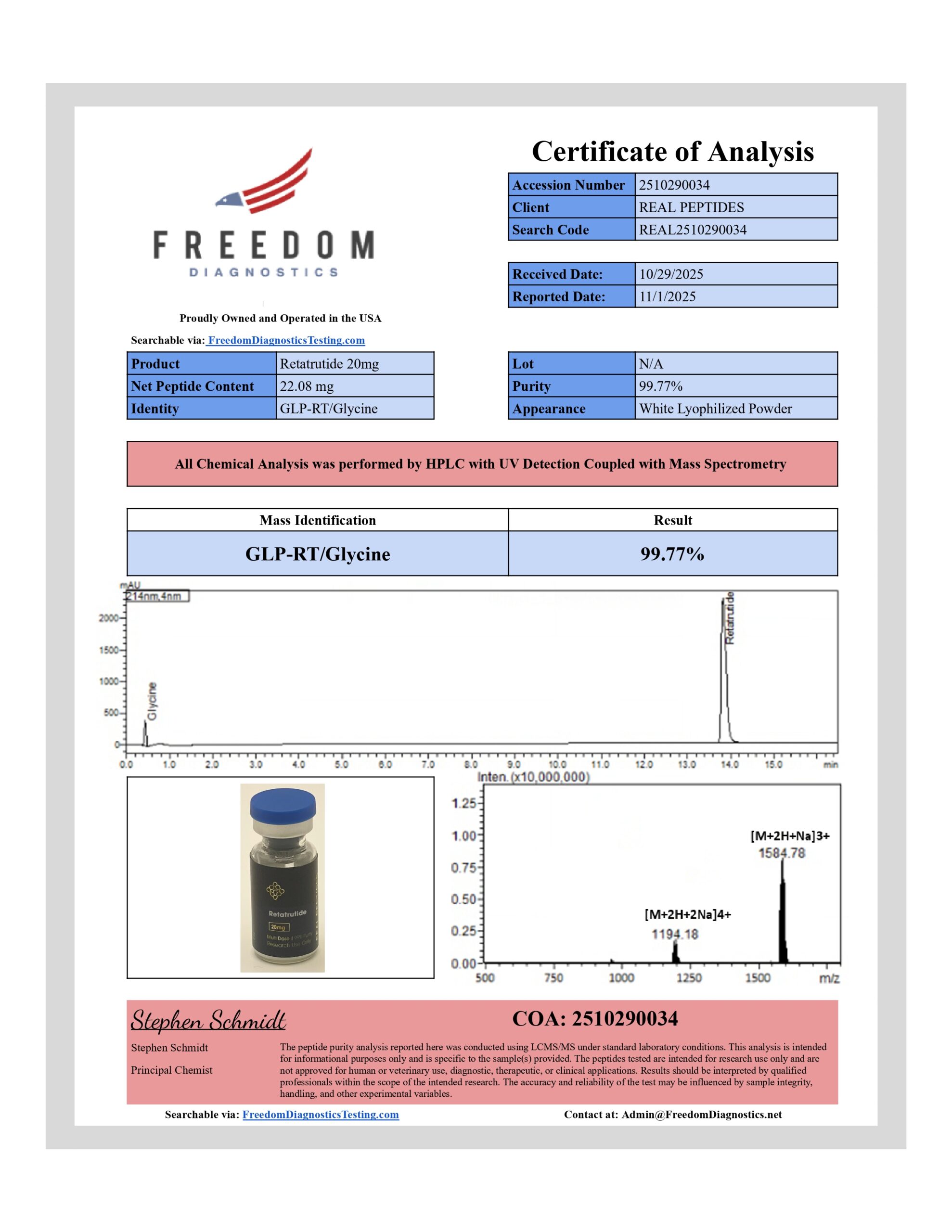
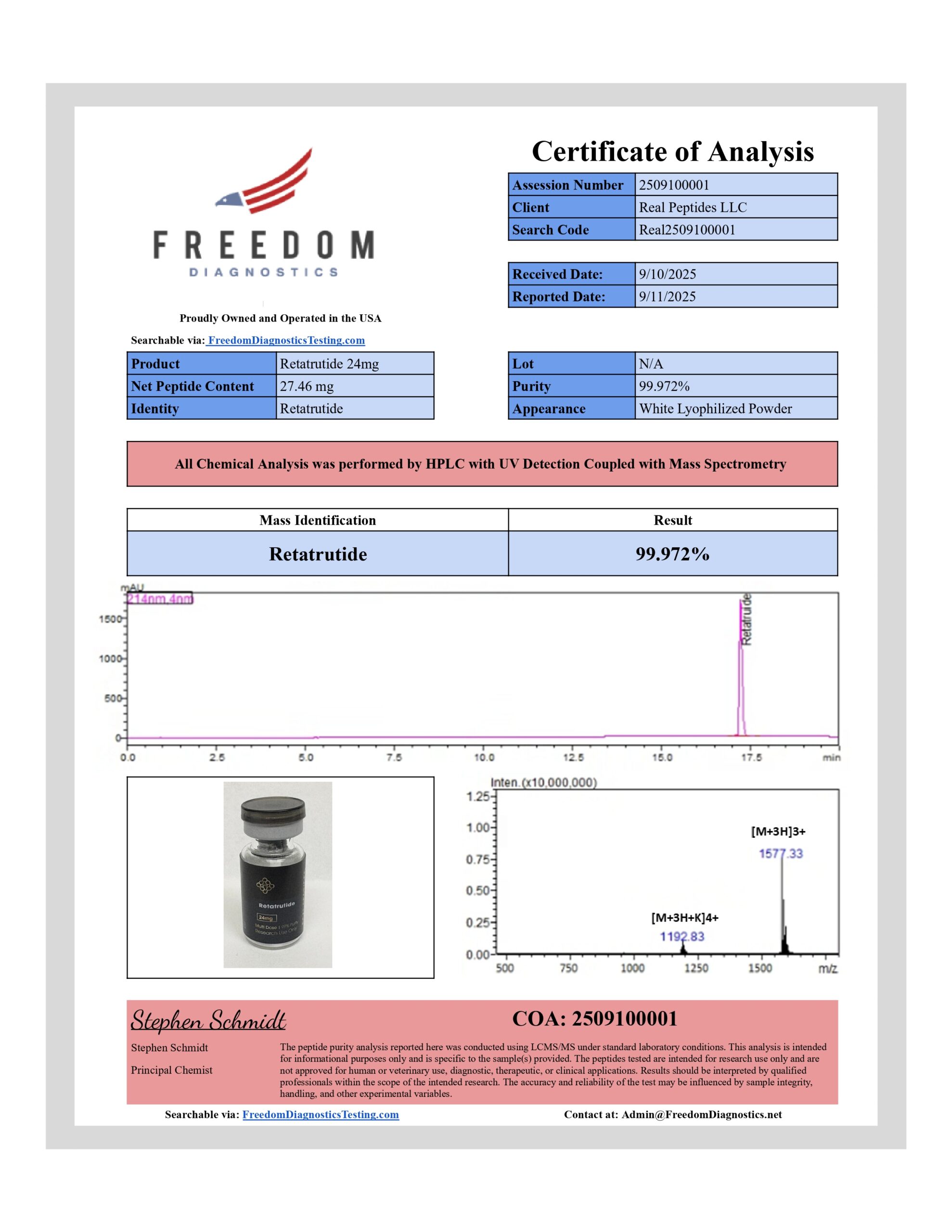
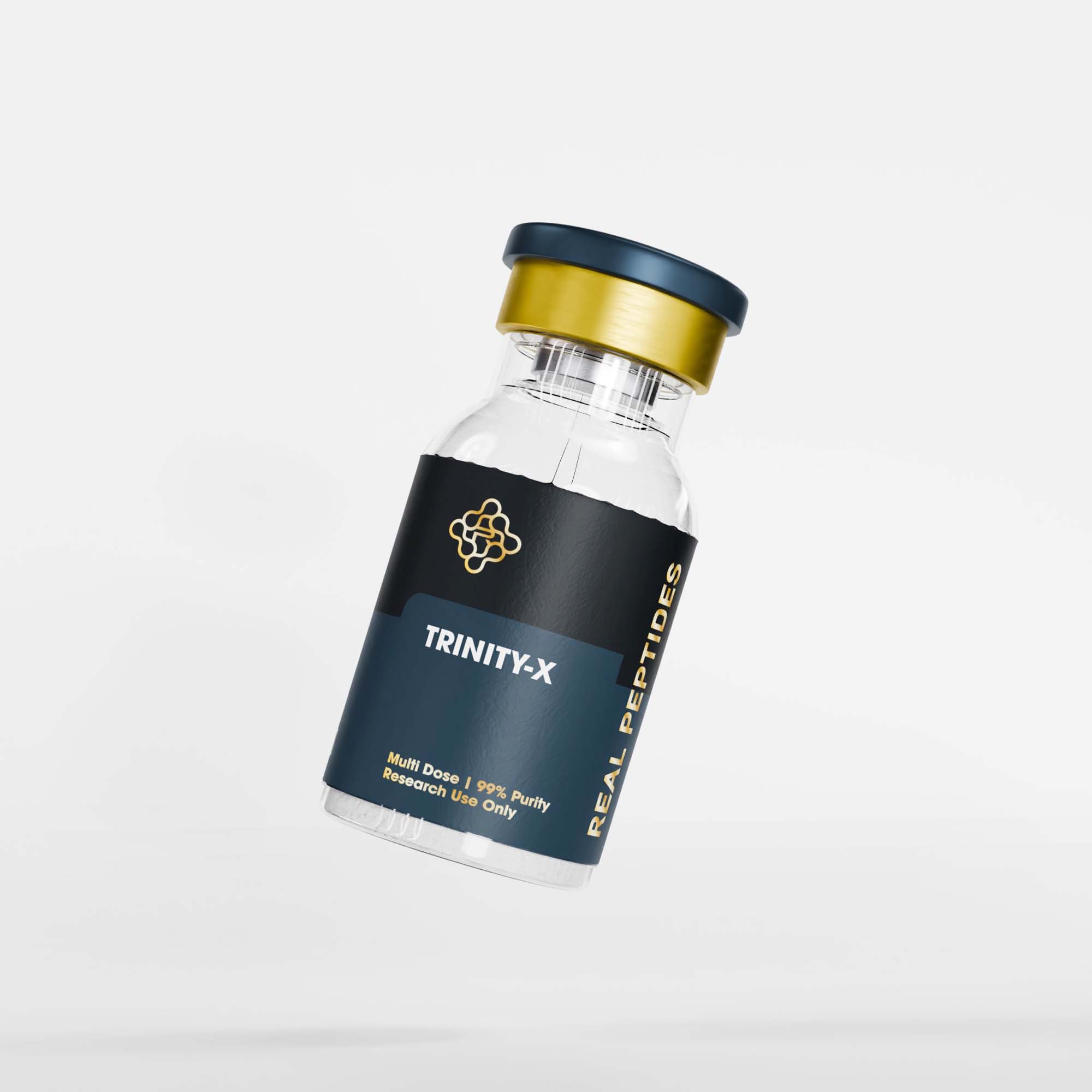
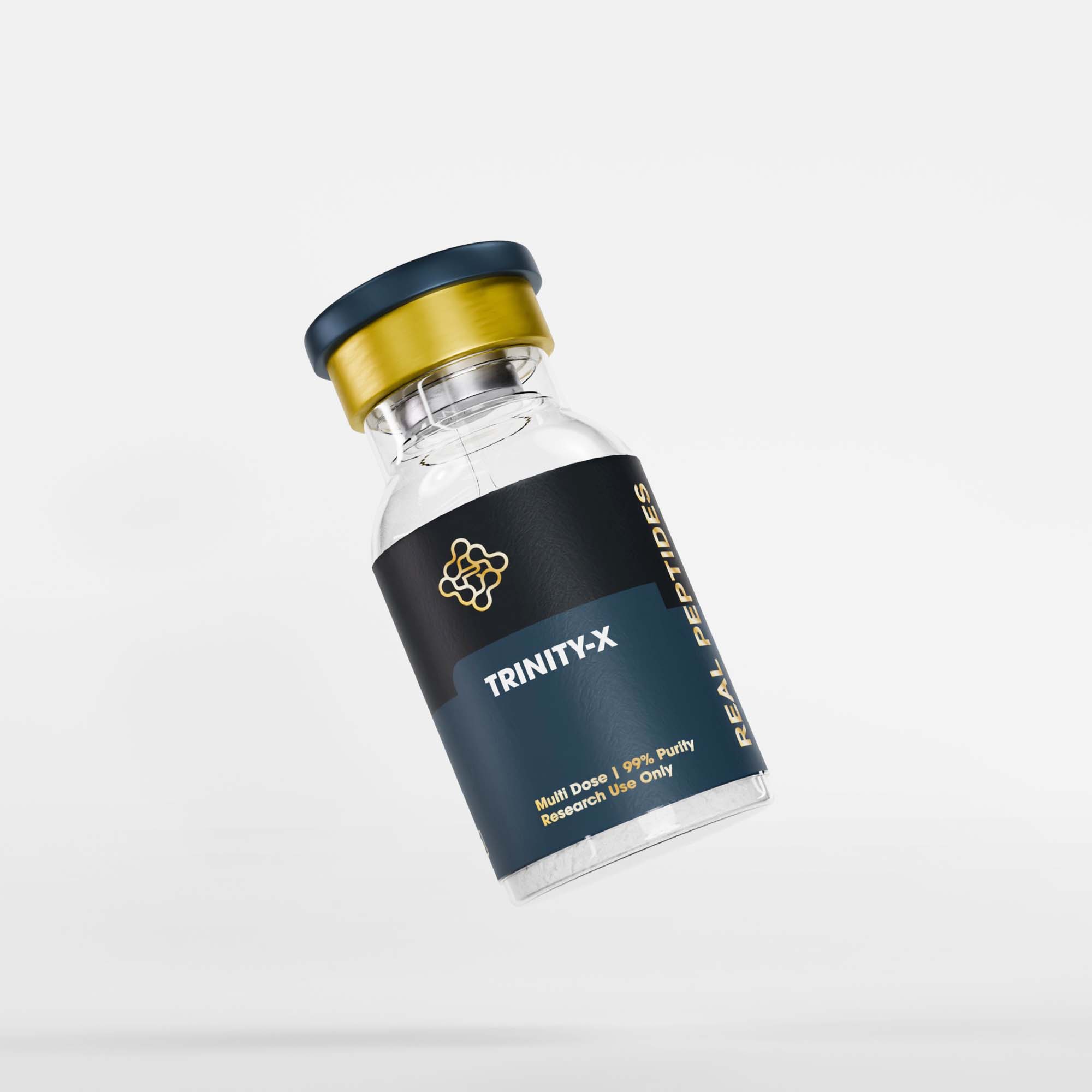
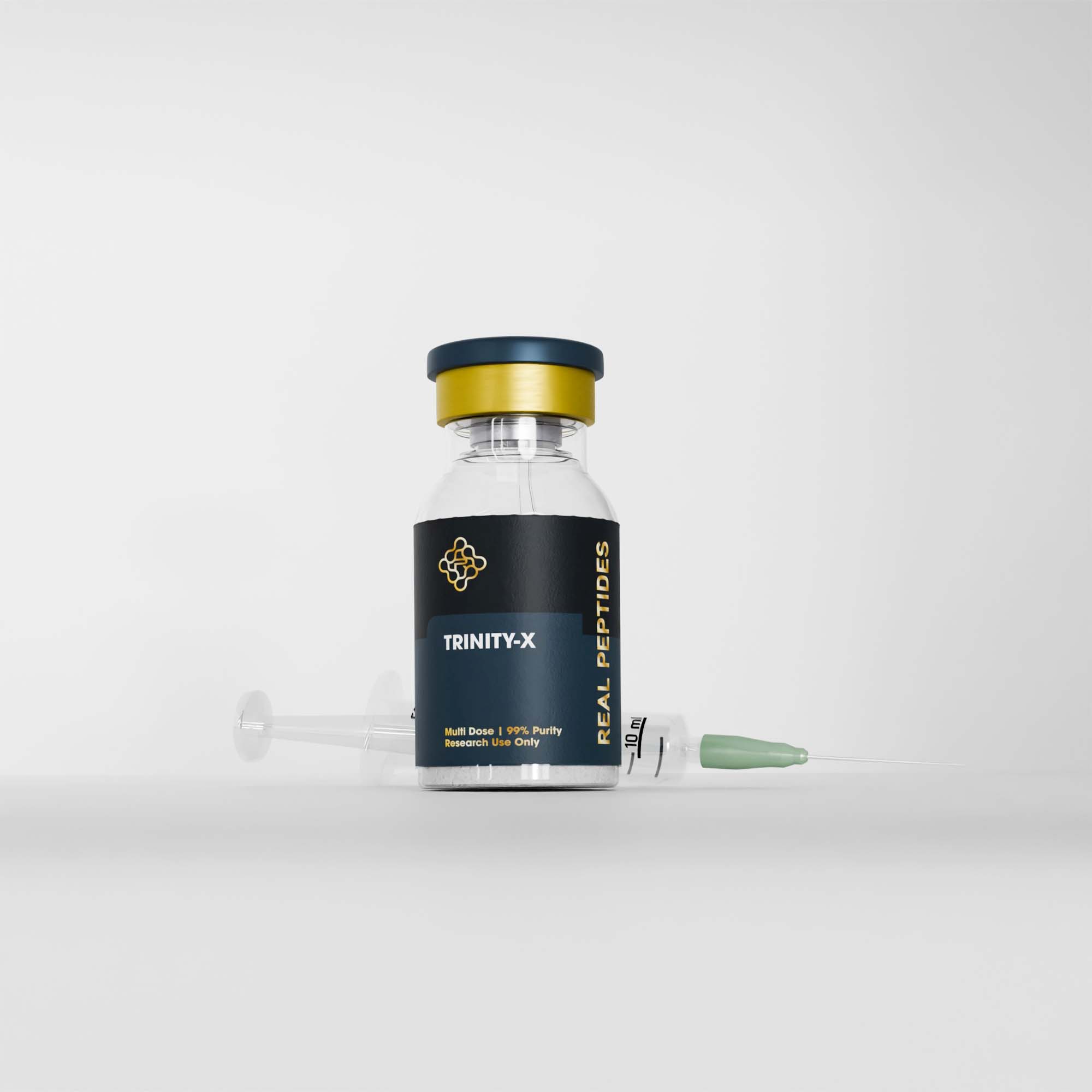
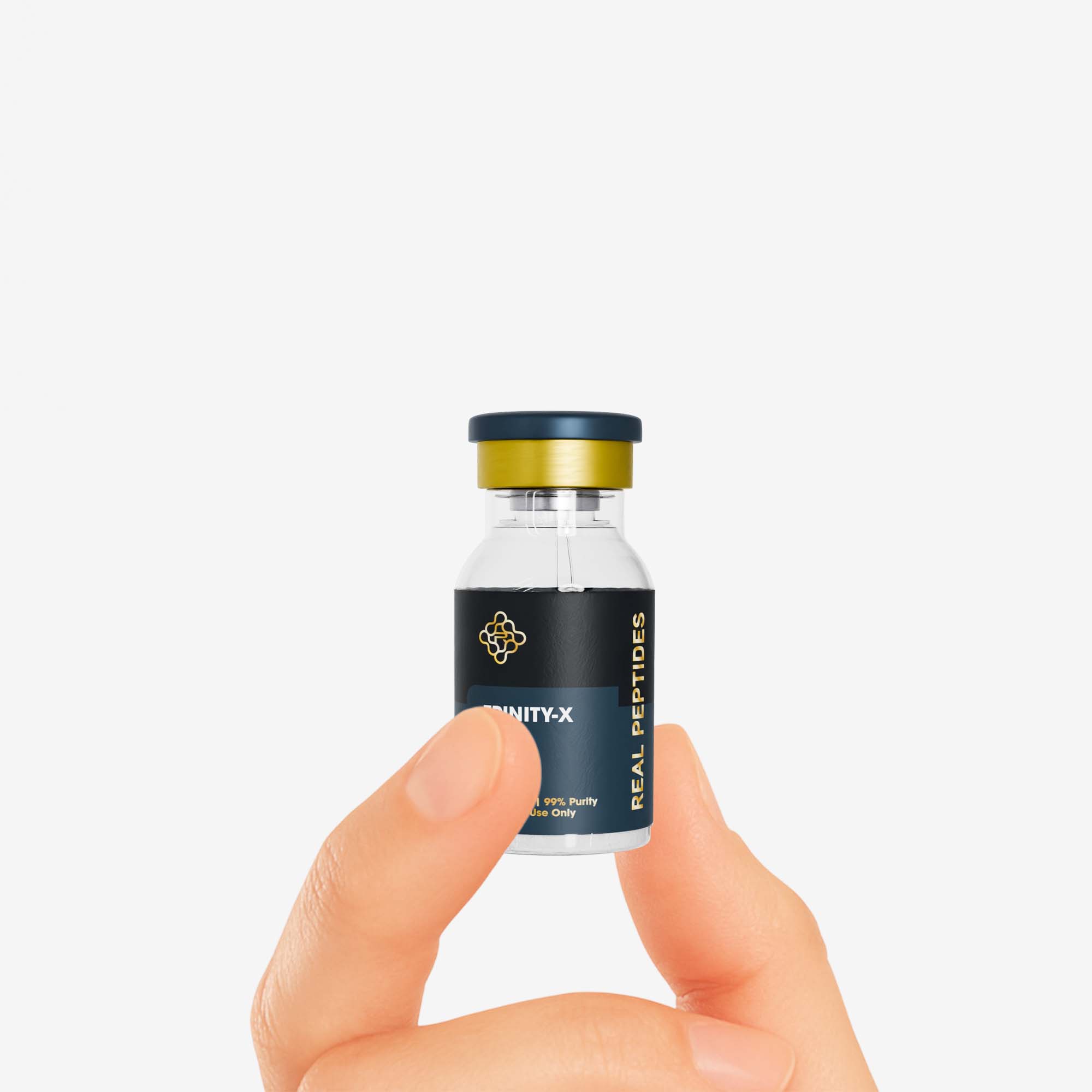
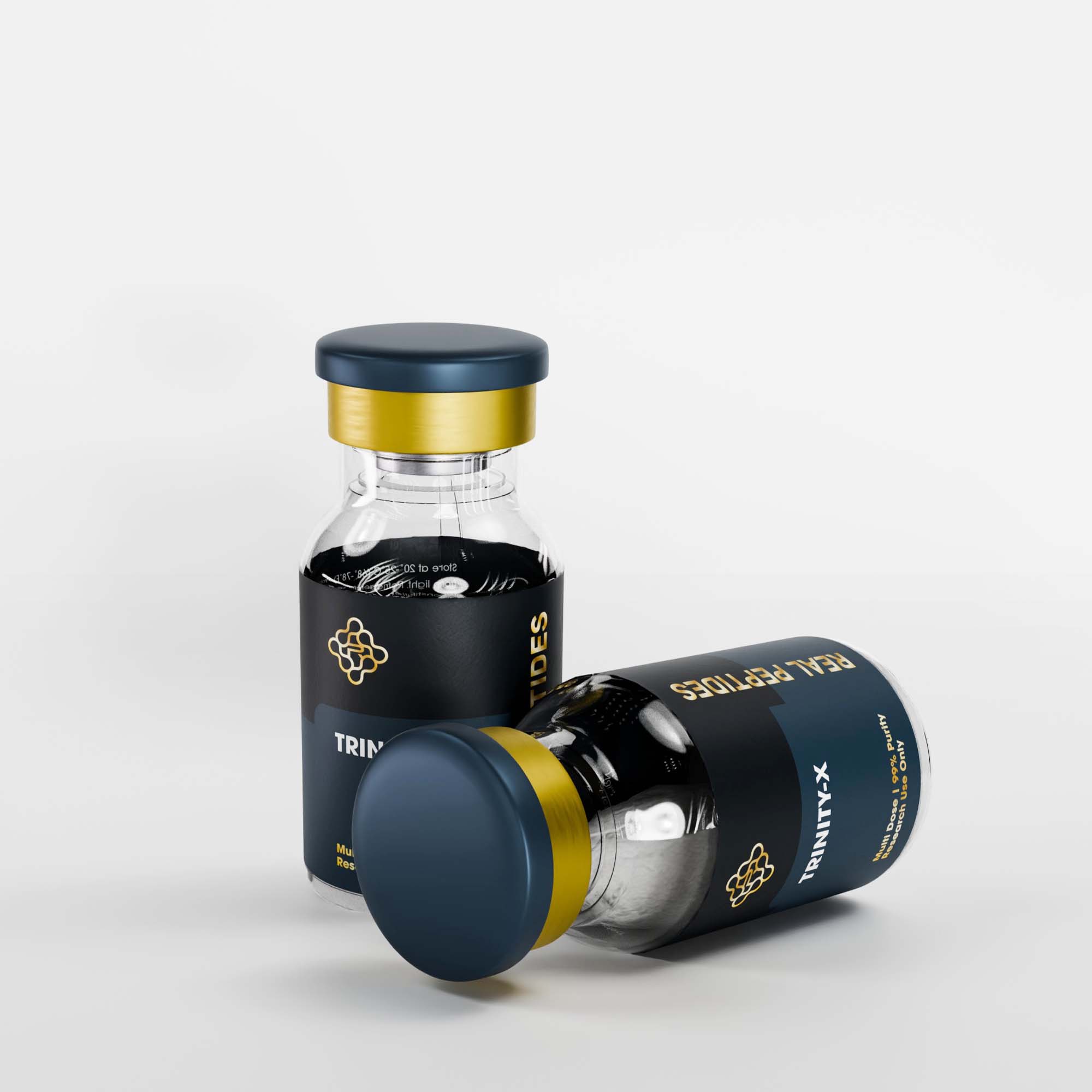
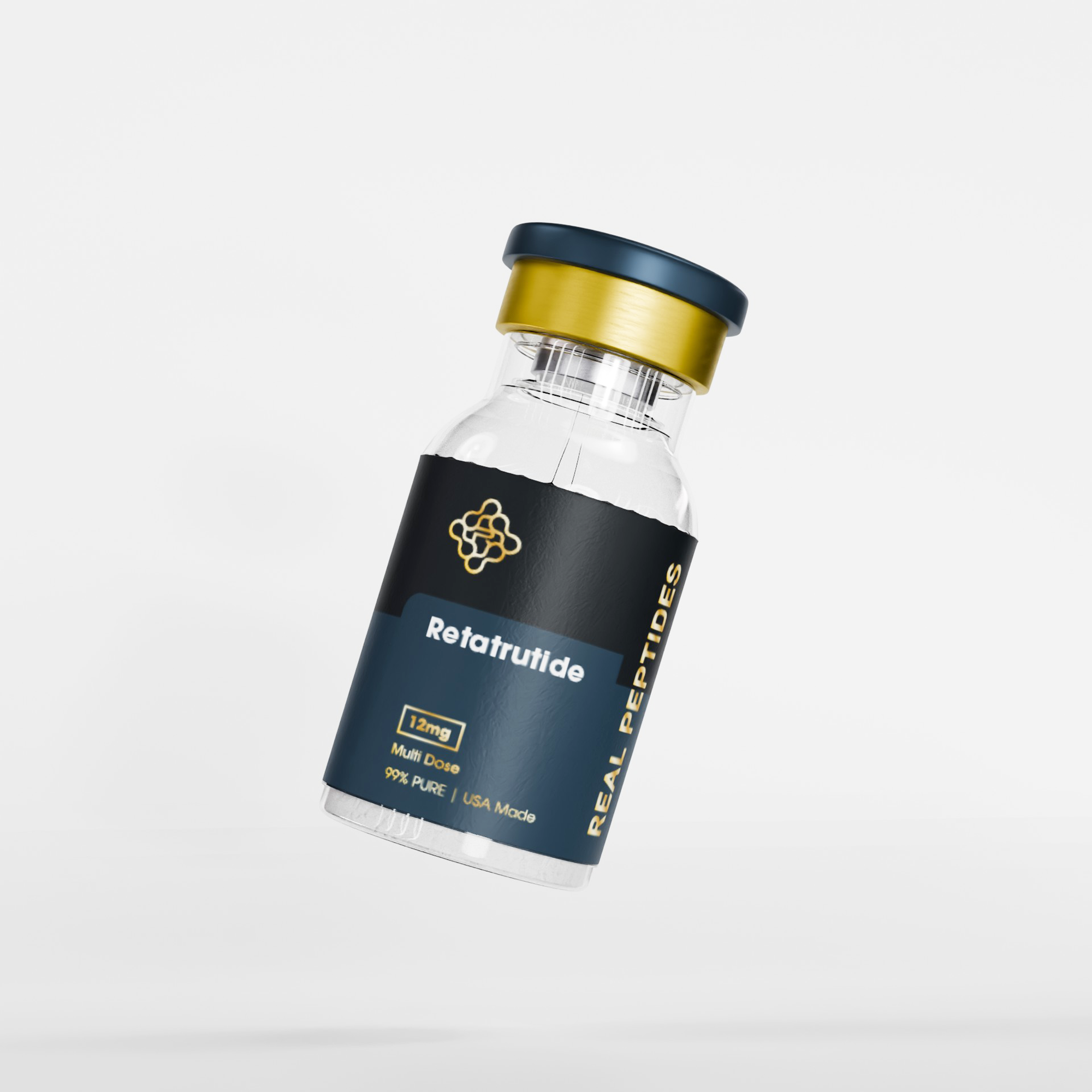
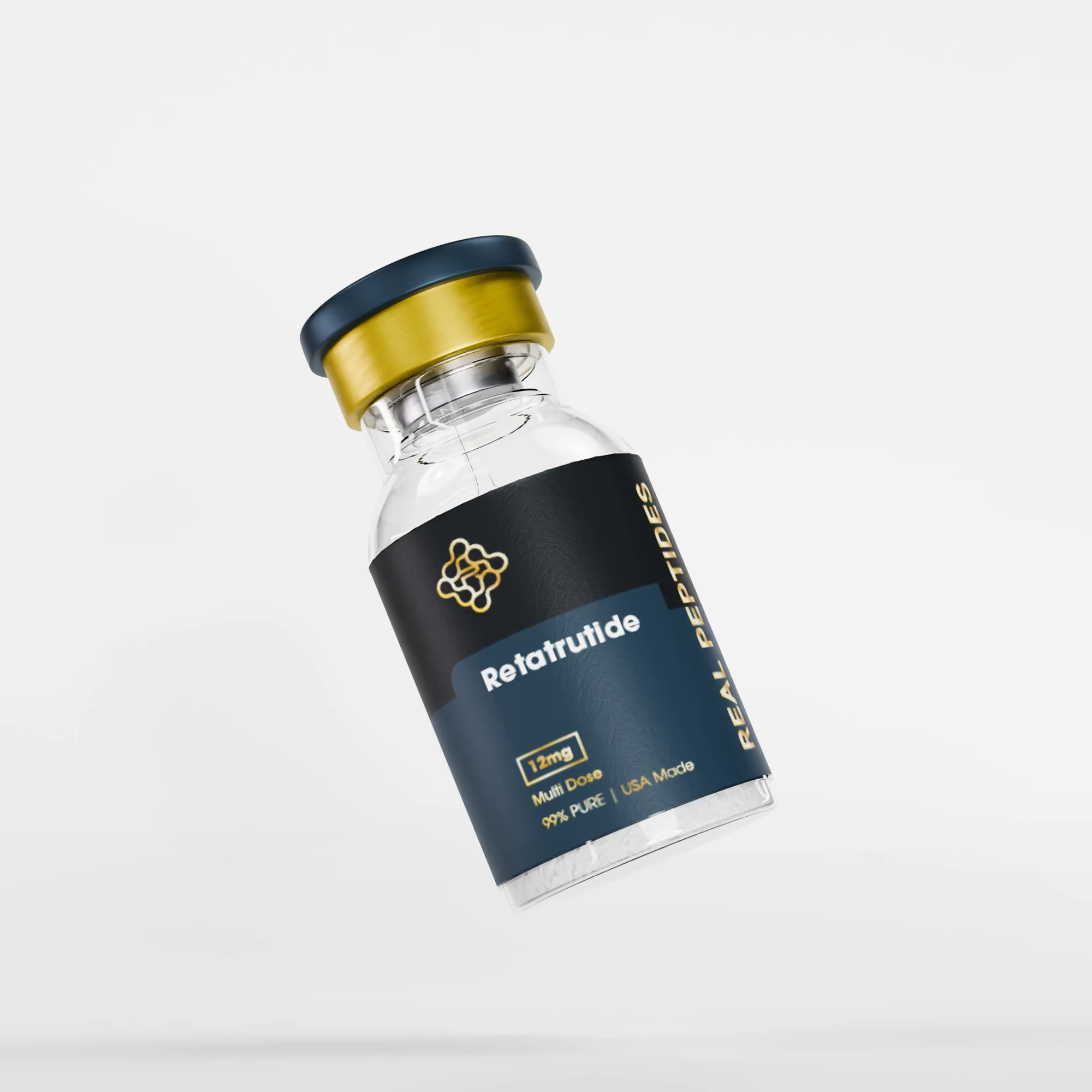
99% Pure | USA Finished | Multi DoseRetatrutide (Trinity-X™) is a cutting-edge tri-agonist peptide that is transforming the field of metabolic research. Engineered to simultaneously activate three key metabolic receptors—GLP-1, GIP, and GCGR (glucagon)—this multifunctional compound offers a comprehensive and synergistic approach to modulating appetite signaling, enhancing insulin function, and accelerating fat metabolism pathways in research settings.

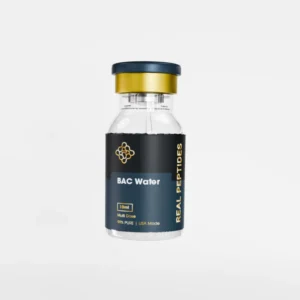
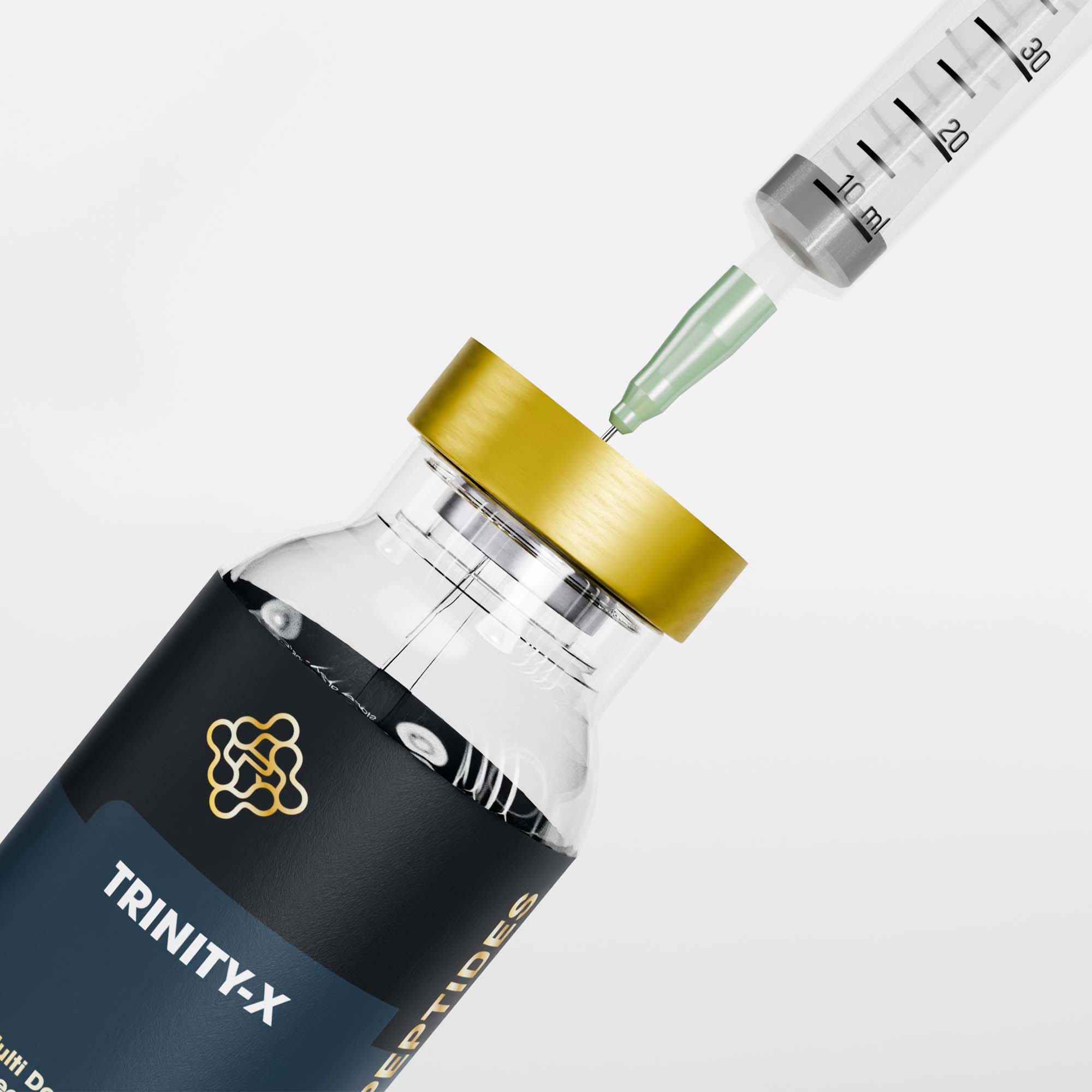
Peptides are not ready to use. Must purchase BAC water for reconstitution.
In controlled laboratory studies, models administered Trinity-X exhibited significant reductions in baseline mass over extended evaluation periods. Phase-2 research data suggests substantial metabolic effects when all three receptor pathways are engaged simultaneously. For research use only. Not for human or veterinary use.
In controlled laboratory studies, Trinity-X has been observed to influence key biomarkers including HbA1c levels, fasting glucose concentrations, and insulin sensitivity in experimental models. These findings suggest significant metabolic modulation potential for further investigation. For research use only.
Not for human consumption or therapeutic application.
In controlled research settings, studies on Trinity-X have observed improvements in systolic and diastolic blood pressure readings, enhanced lipid profiles including LDL markers, and changes in visceral adiposity measurements in animal models. These findings support further exploration in cardiometabolic-focused peptide research. This product is for laboratory research use only.
Not for human or therapeutic use.
Research trials often employ a once-weekly subcutaneous micro-dosing approach, typically around 0.1 mL, to maintain consistent exposure levels in peptide models. This allows for sustained analysis without requiring daily administration, making Trinity-X ideal for longitudinal research protocols. For research use only.
Not approved for human consumption or clinical use.
Research models receiving Trinity-X have shown mild and temporary gastrointestinal responses, generally decreasing as dosage protocols are stabilized. These observations are consistent with incretin-related pathway activation patterns commonly seen in tri-agonist research. Trinity-X is not intended for human or diagnostic use.
For qualified research personnel only.
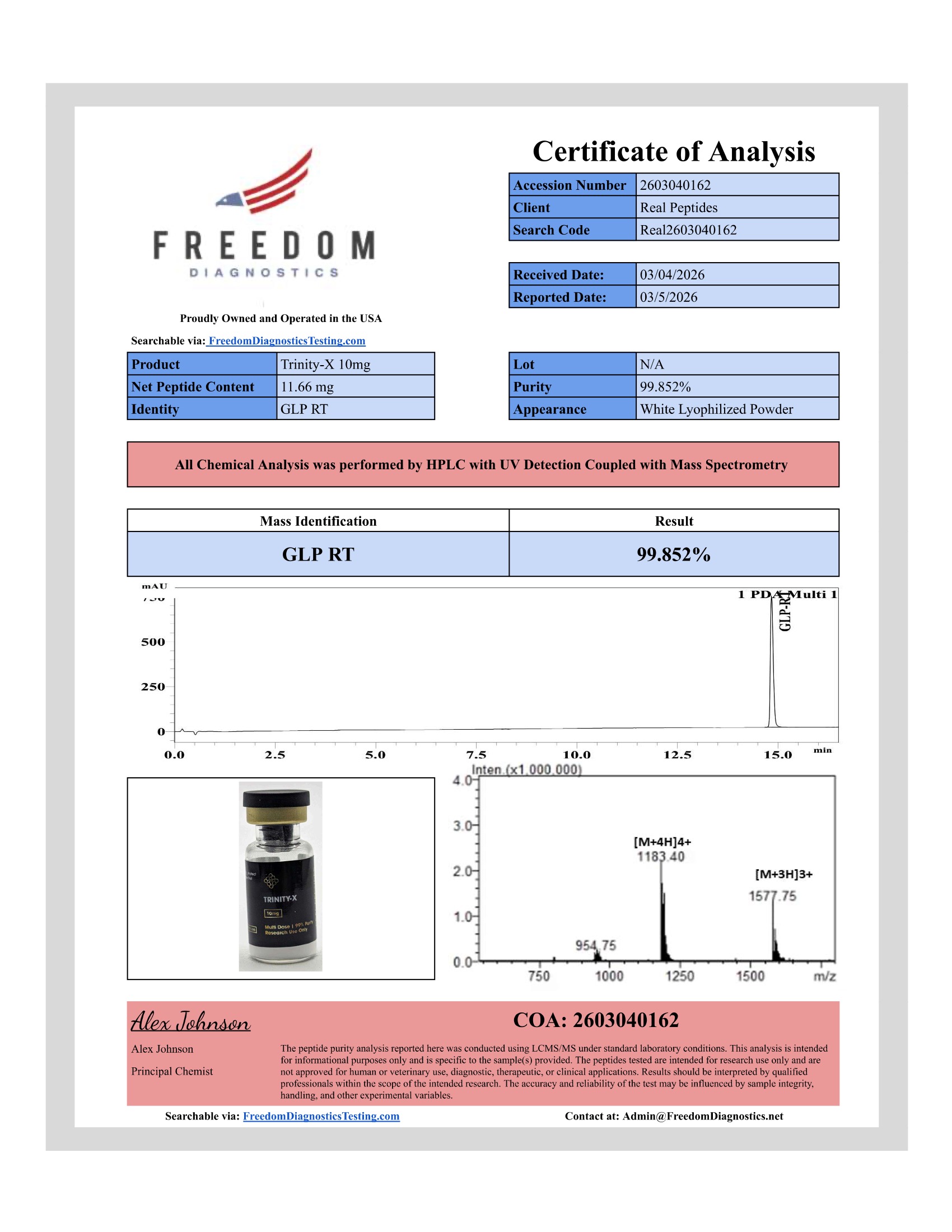
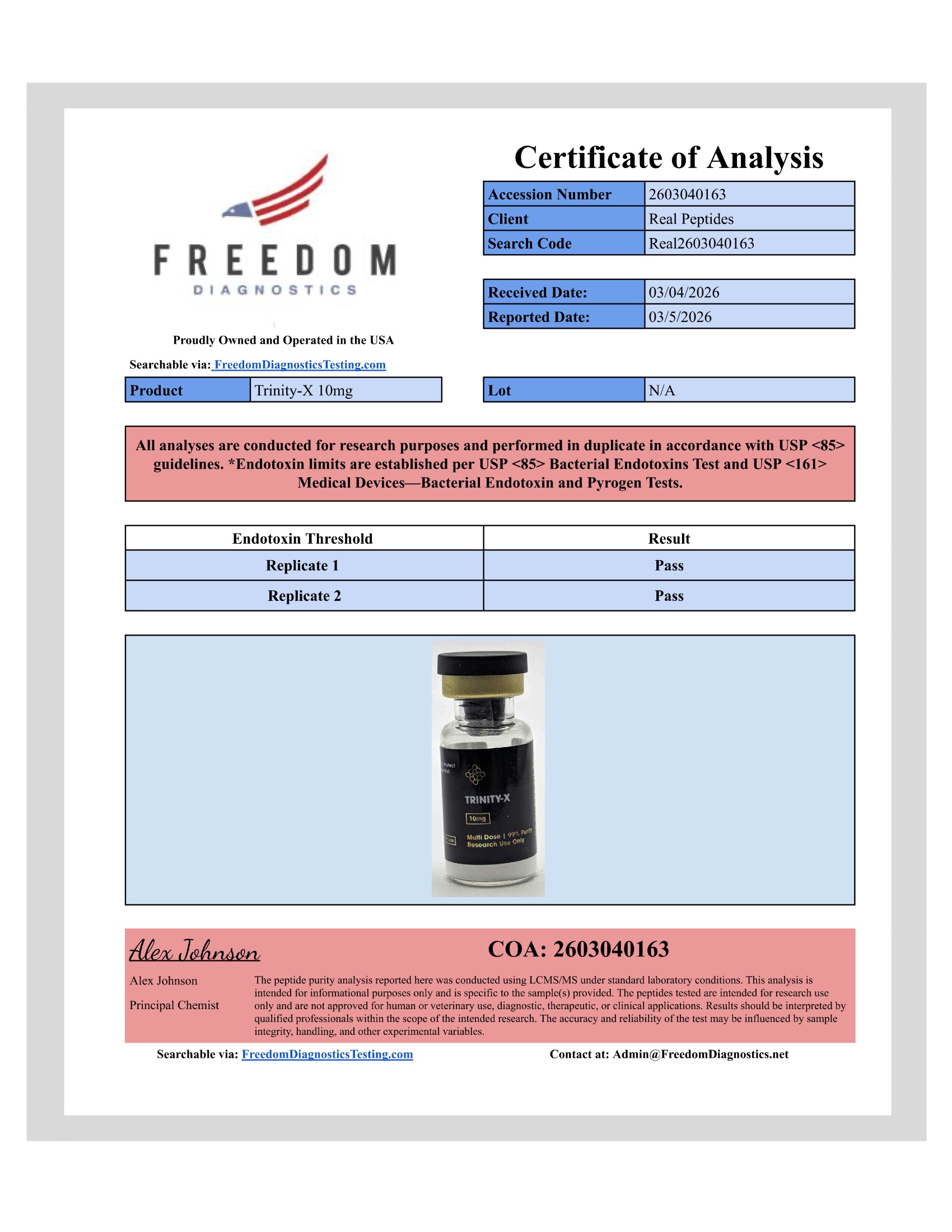
Trinity-X™ is a 39-amino-acid synthetic peptide engineered as a tri-agonist for the GLP-1, GIP, and glucagon receptors. By combining three receptor activities into a single stable compound, Trinity-X provides a powerful research tool to investigate multi-pathway metabolic control, including satiety signaling, insulin secretion dynamics, and lipid breakdown mechanisms—without requiring separate agonists for each pathway.
Researchers choose Trinity-X when they need a single-molecule solution for complex metabolic-health studies. Its tri-agonist design delivers synchronized receptor activation that enables streamlined protocols for:
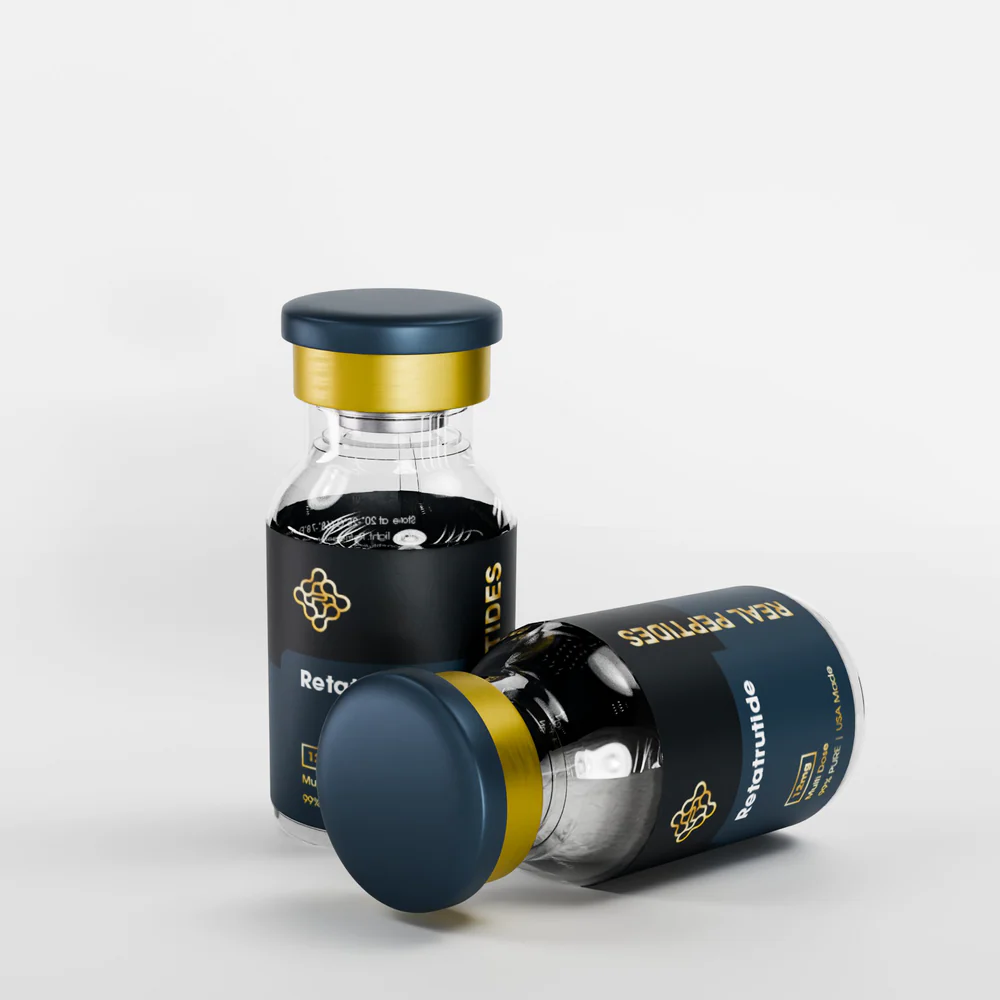
Unlike single-pathway peptides or even dual-agonists, Trinity-X uniquely merges GLP-1, GIP, and glucagon receptor activities into one stable compound. This integrated tri-agonist approach produces synergistic metabolic effects that cannot be achieved with other research peptides:
Source: Jastreboff et al., New England Journal of Medicine, 2023
Source: Killion et al., Nature Metabolism, 2022
Source: U.S. Food & Drug Administration, 2023
Source: Hall et al., Endocrinology Today, 2022
Trinity-X is a research-grade peptide known for its tri-agonist activity— activating GLP-1, GIP, and glucagon receptors simultaneously. It is being studied in scientific settings for its unique mechanism of action across multiple metabolic pathways.
The name “Trinity-X” refers to its triple-receptor mechanism—three pathways activated by one molecule. The “X” represents the cutting-edge, nextgeneration nature of this research compound.
No. Trinity-X is a synthetic peptide, engineered in laboratory settings to mimic and enhance the function of naturally occurring hormonal pathways in research models.
Trinity-X is commonly studied in metabolic, obesity, glucose regulation, and energy balance models. Its triple-receptor profile makes it an ideal candidate for preclinical exploration of multi-receptor metabolic interactions.
Research protocols often begin with 0.25mg and may scale to 0.5mg or 1mg, depending on the experimental model and study goals. Dosage should be determined based on internal SOPs and protocol requirements.
Yes. Dosage charts for Trinity-X are typically created based on model weight, study length, and receptor activation goals. Charts often show titration schedules from 0.25mg up to 1mg over several weeks.
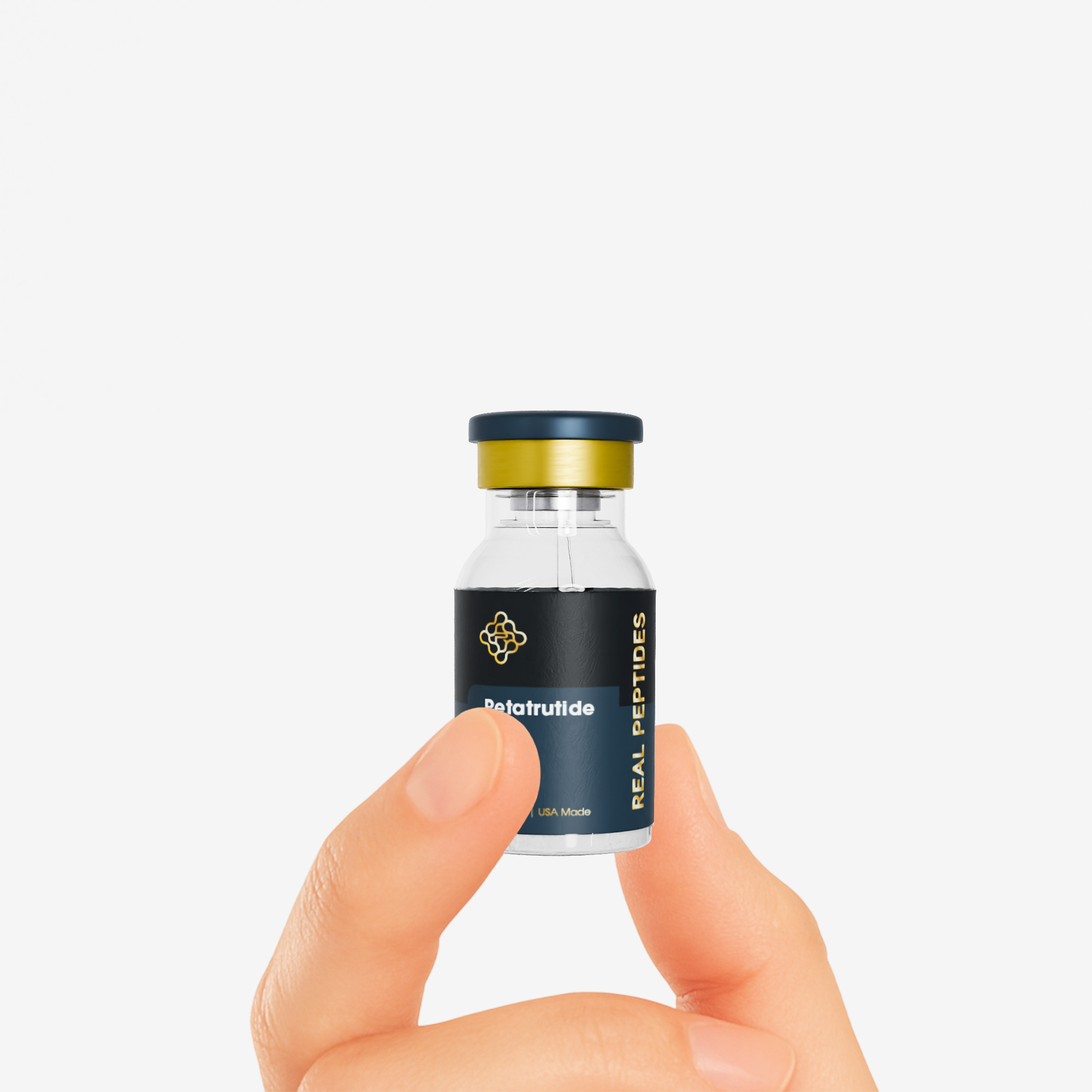
Trinity-X is available in 10mg, 12mg, 20mg, and 24mg vial sizes, allowing researchers to select the optimal quantity for their specific protocols.
Yes. Trinity-X is frequently used in research stacks with peptides such as Tesamorelin, MOTS-c, 5-Amino-1MQ, or Cagrilintide to explore synergistic effects in metabolic modeling.
Trinity-X activates three receptors simultaneously (GLP-1, GIP, glucagon), while single-receptor peptides only target one pathway. This tri-agonist approach produces synergistic metabolic effects not achievable with monoagonists.
Lyophilized Trinity-X should be stored at or below -20°C for long-term stability. After reconstitution, storage in a refrigerated environment (2-8°C) is recommended, with use within 7-14 days per research protocol.
Don't hestitate to contact us