

In Stock, Ready to Ship!
$60.00
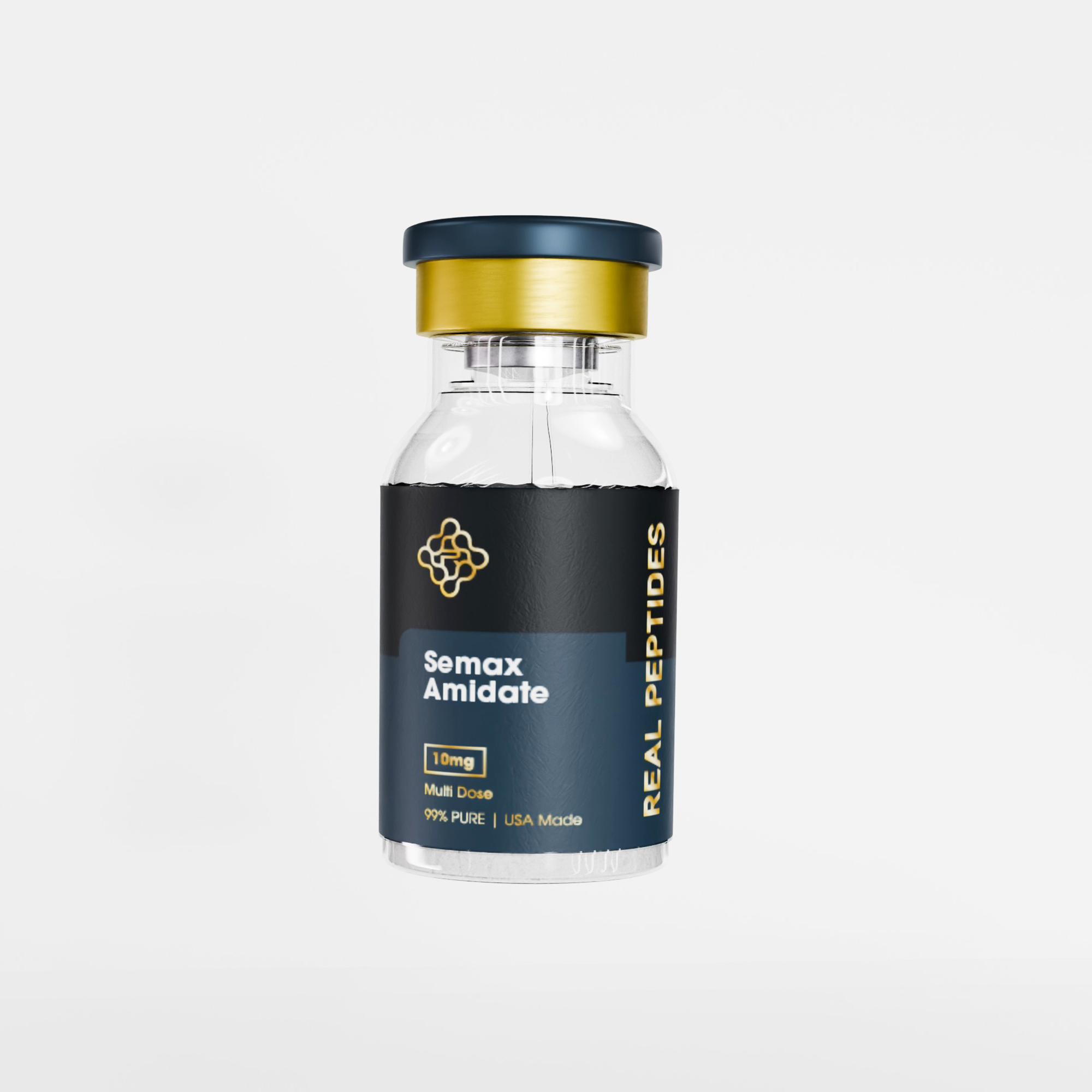
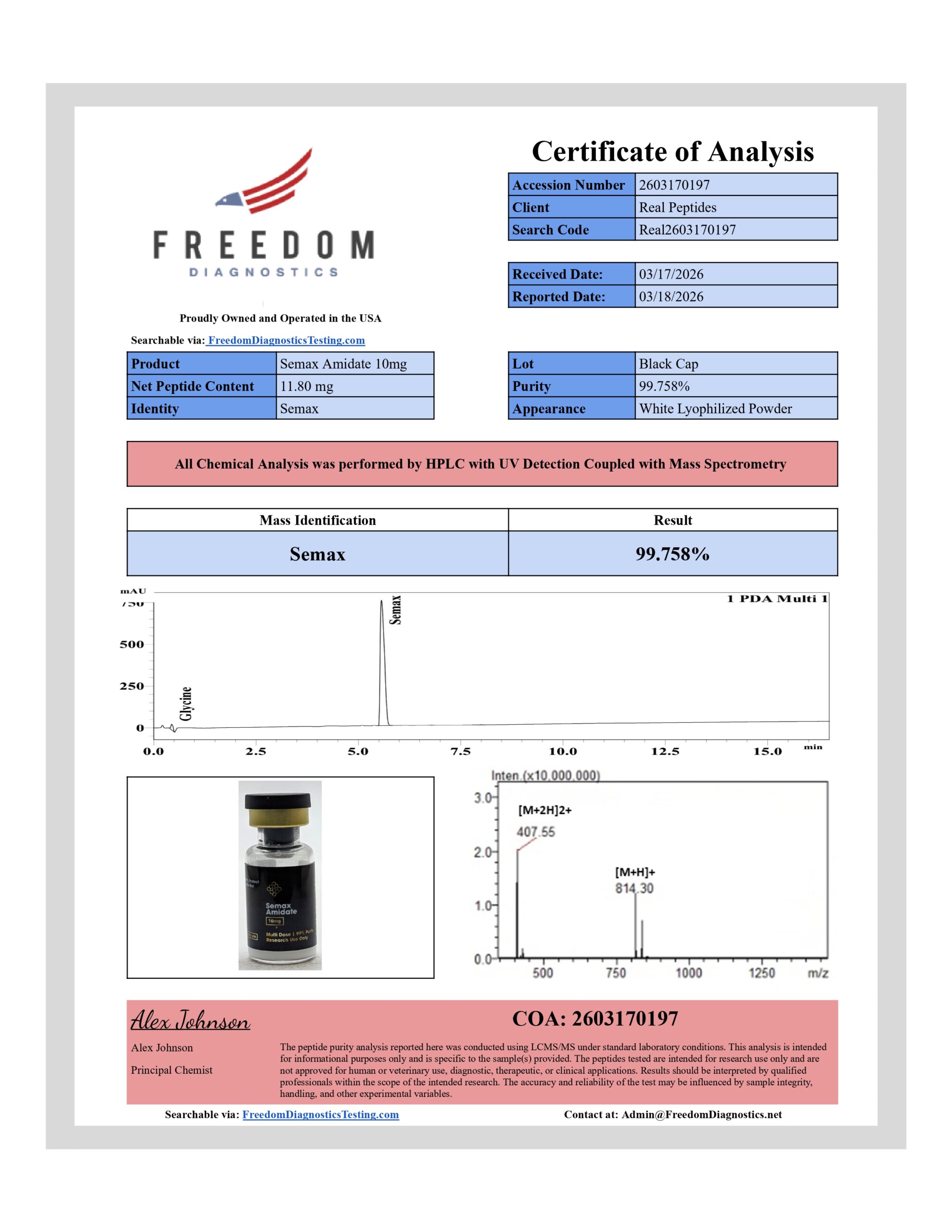
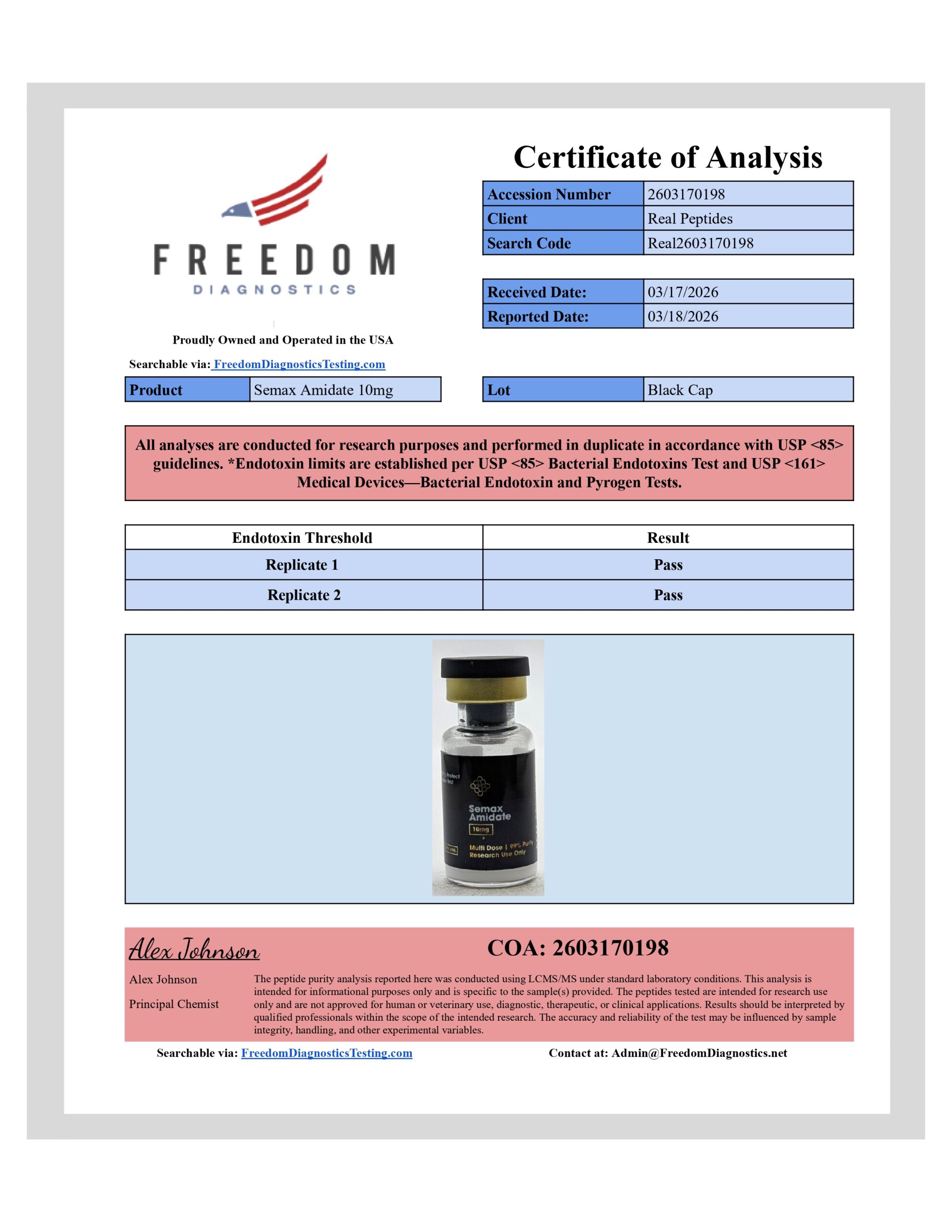
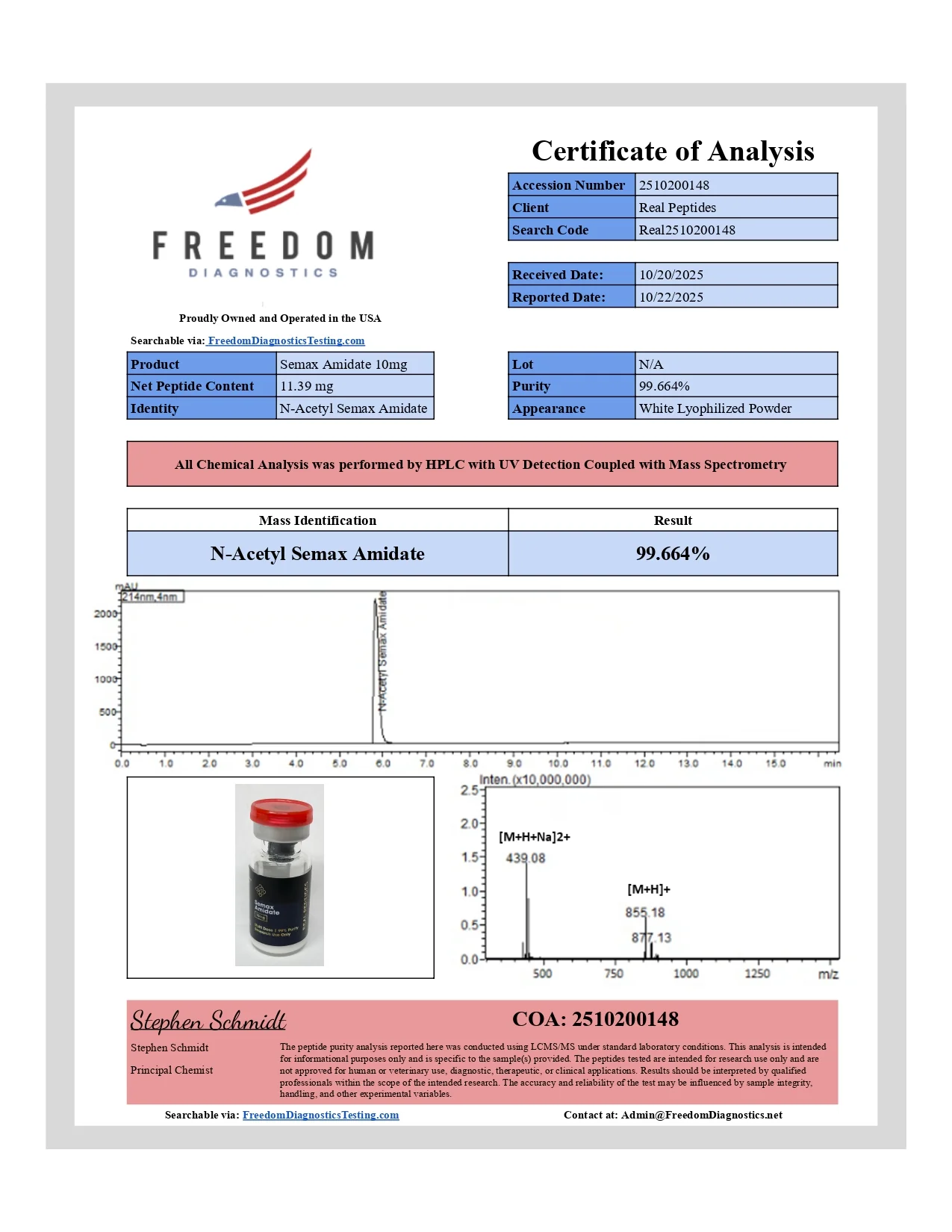
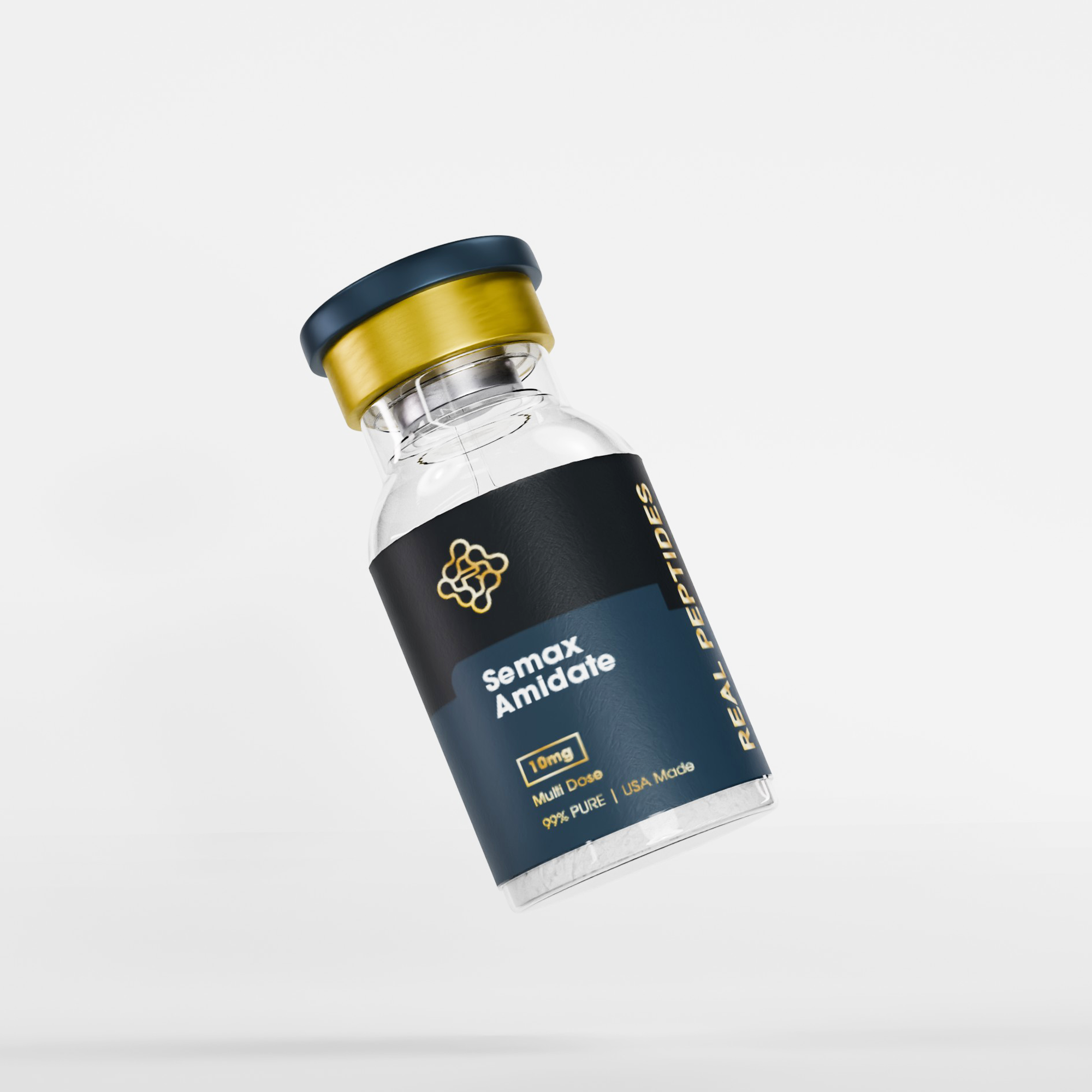
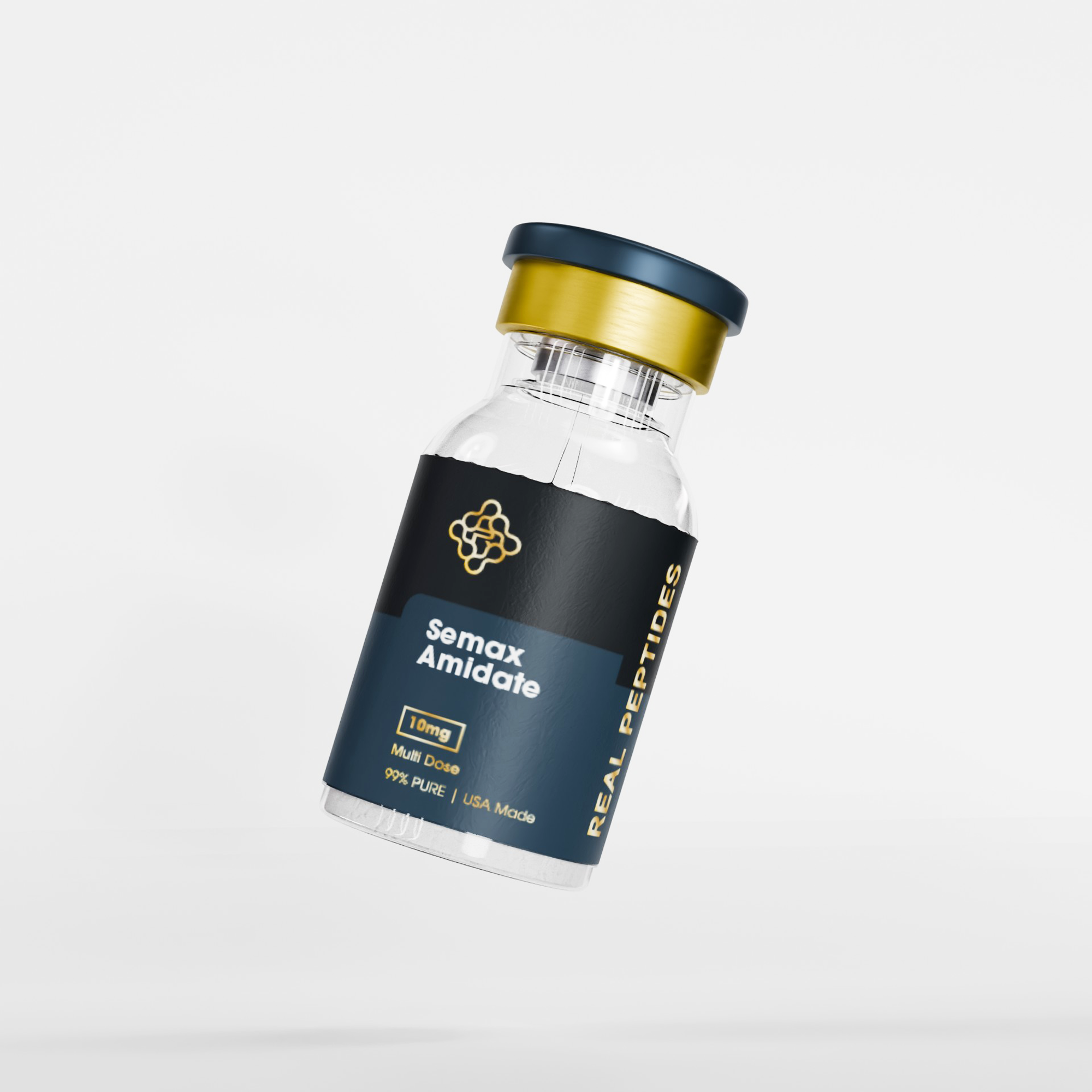
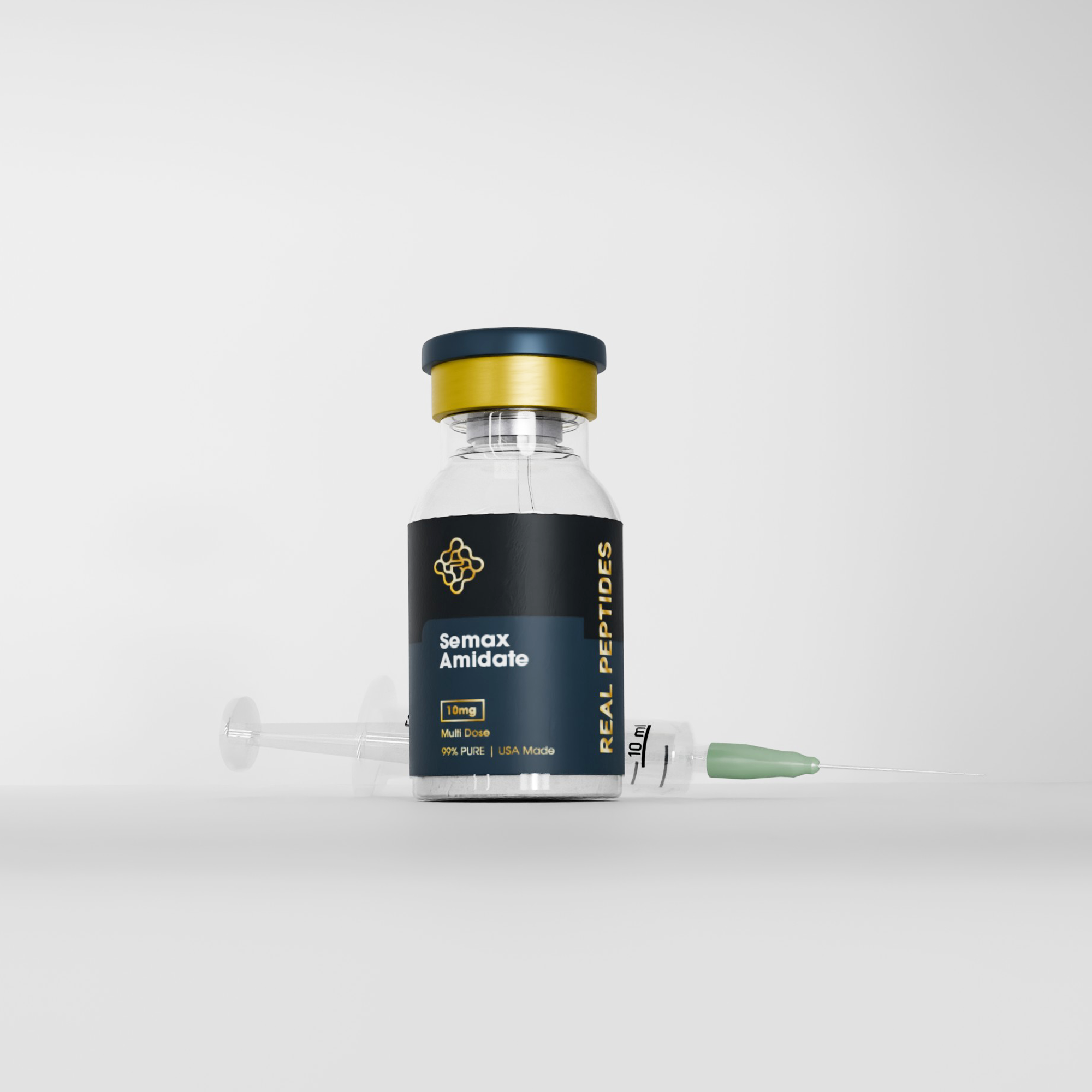
99% Pure | USA Finished | Multi DoseSemax Amidate is a stabilized heptapeptide analog of the endogenous ACTH fragment, designed for preclinical studies of cognitive function, neuroprotection, and stress resilience. In rodent learning-and-memory tasks and neuronal-culture models, Semax modulates BDNF expression, supports antioxidant defenses, and regulates stress-axis markers. Each 10 mg vial is USA-manufactured, HPLC-verified to ≥ 99% purity, endotoxin-screened (< 0.1 EU/mg), and tailored for laboratory research.

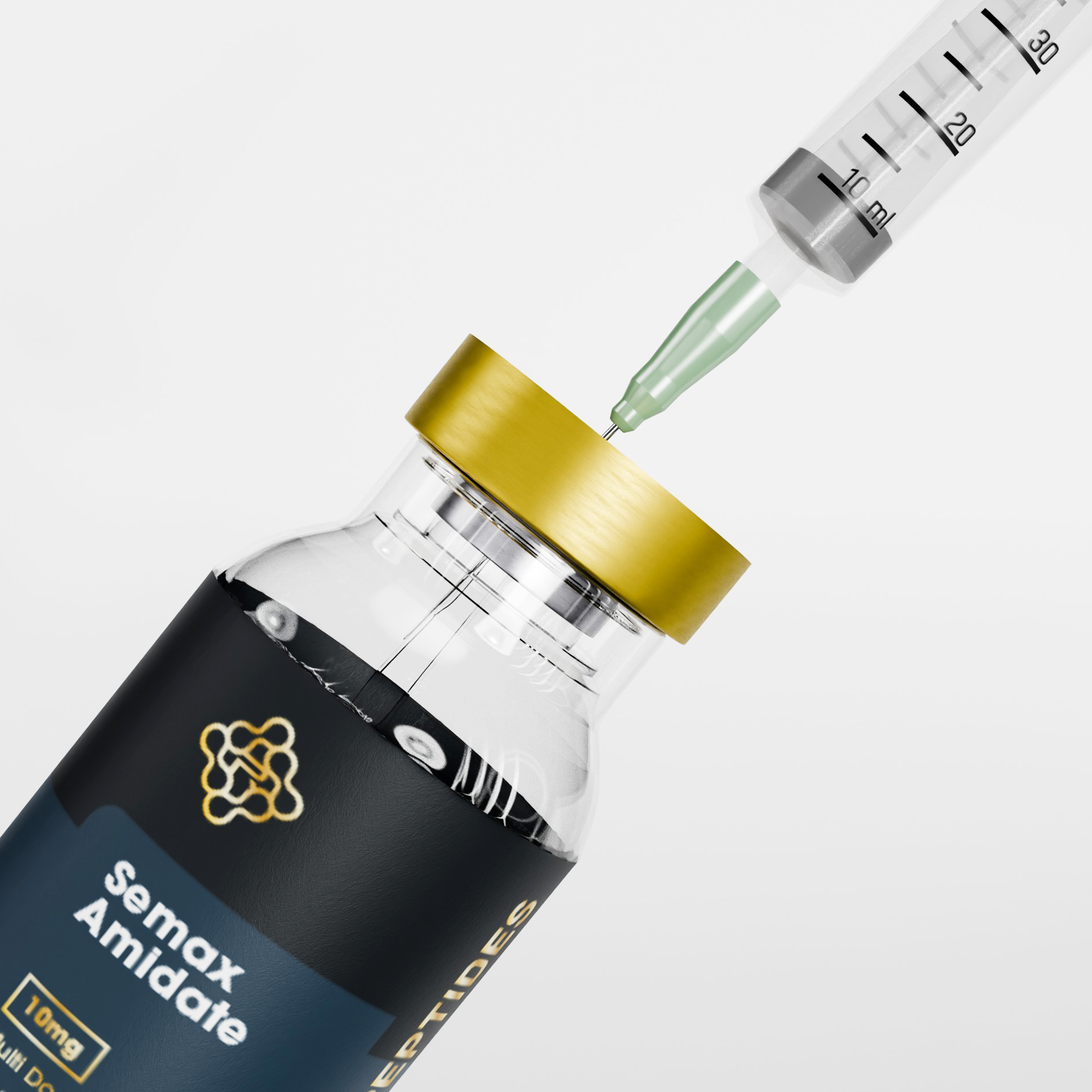
Peptides are not ready to use. Must purchase BAC water for reconstitution.
Semax Amidate boosts BDNF and CREB phosphorylation in hippocampal cultures—modeling learning-and-memory pathways.
In oxidative-stress neuron assays, Semax upregulates antioxidant enzymes (SOD, catalase), supporting cell survival.
Rodent elevated-plus-maze and forced-swim tests show Semax reduces stress-hormone markers (corticosterone), modeling resilience.
Improves synaptophysin and PSD-95 expression in cortical neuron cultures, offering a tool for synaptic-function studies.
Semax downregulates pro-inflammatory cytokines (IL-6, TNF-α) in microglial cultures, linking immune and neural health.
Reconstitute in Sterile Water for Injection (SWFI) or Bacteriostatic Water (BAC). Store lyophilized at – 20 °C; keep reconstituted solution at 2–8 °C for up to 7 days to maintain ≥ 98% integrity.

Semax Amidate is a chemically modified version of the ACTH(4–10) fragment, engineered with C-terminal amidation for enhanced stability. As a nootropic and neuroprotective research peptide, it interacts with neurotrophic and stress-response pathways—making it ideal for exploring BDNF-mediated plasticity, oxidative-stress defenses, and behavioral-stress modulation in vitro and in vivo models.
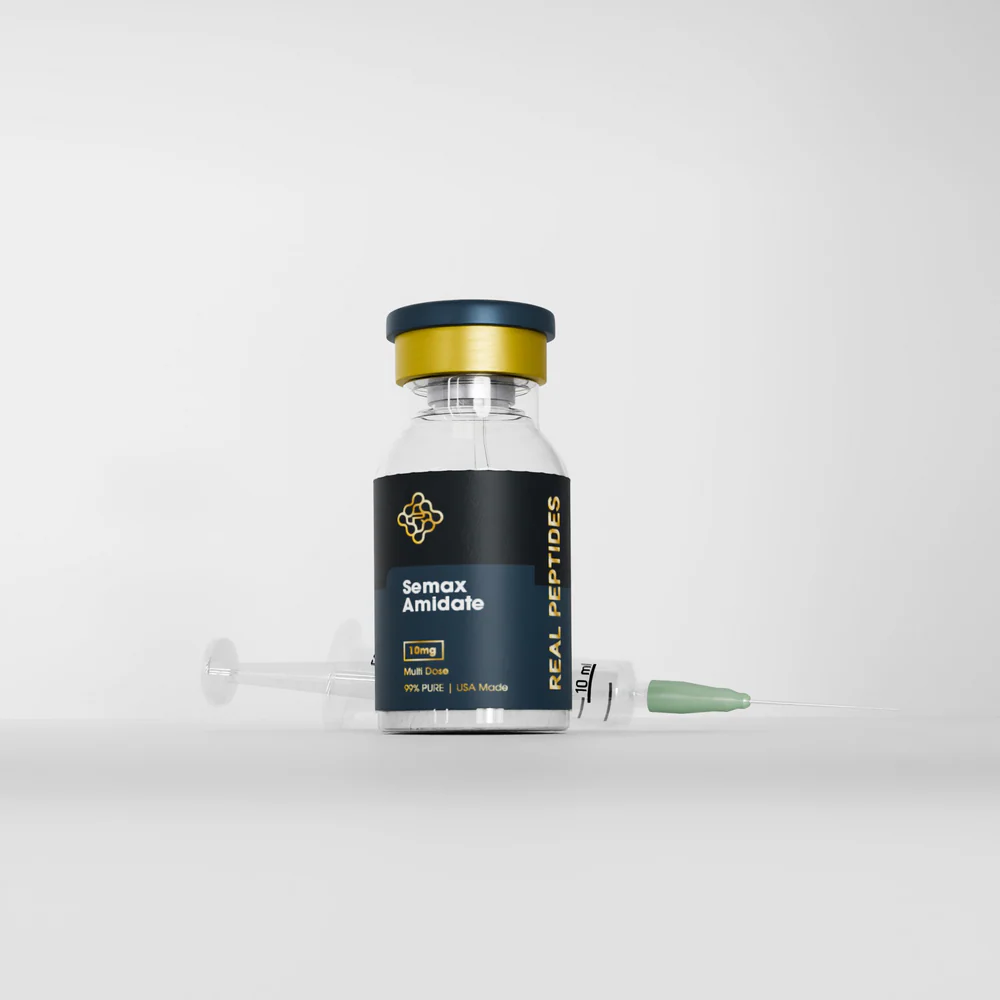
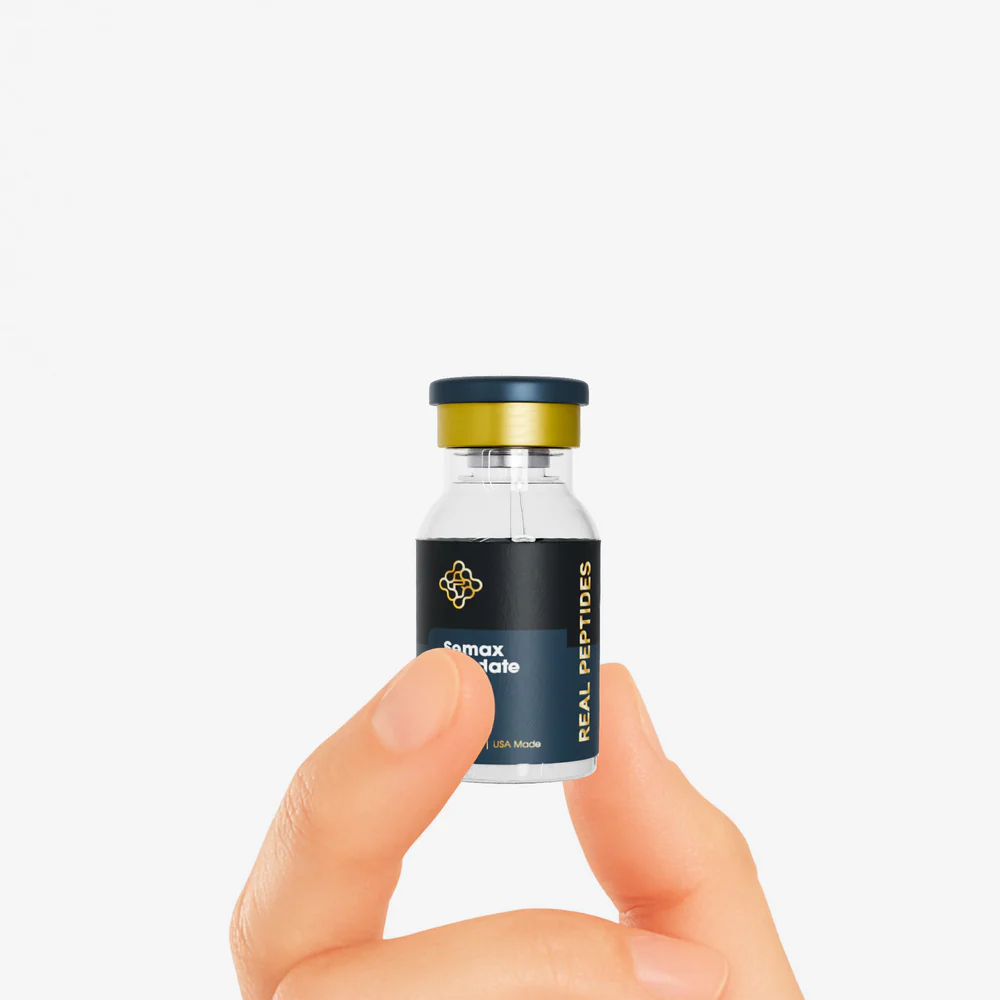
Researchers select Semax Amidate for its dual action on cognitive-enhancement and neuro-resilience. Its proven ability to upregulate BDNF, stabilize synaptic markers, and modulate stress hormones provides a versatile platform for neurodegenerative- and stress-related research. Manufactured under ISO-certified conditions and verified to ≥ 99% purity by HPLC—with endotoxin < 0.1 EU/mg—Semax Amidate delivers consistent, reproducible data for advanced neuroscience studies.
Unlike unmodified peptides, Semax Amidate’s C-terminal amidation and sequence tweaks confer extended enzymatic resistance and improved blood-brain-barrier penetration in rodent models. It uniquely combines cognitive-boosting and neuroprotective effects without affecting systemic hormone levels. This makes Semax Amidate the go-to peptide for dissecting synaptic plasticity, stress resilience, and cell-survival mechanisms in high-resolution preclinical assays.
A stabilized analog of ACTH(4–10) used to study cognitive function, neuroprotection, and stress resilience in lab models.
It increases BDNF and CREB phosphorylation in hippocampal neurons—modeling molecular pathways of learning and memory.
Yes—Semax upregulates antioxidant enzymes like SOD and catalase in neuronal-culture assays.
Common assays include rodent elevated-plus-maze, forced-swim test, and corticosterone measurement protocols.
In vitro ranges span 100 nM–10 µM; in vivo rodent doses often use 0.1–1 mg/kg per protocol.
Dissolve in Sterile Water for Injection (SWFI) or Bacteriostatic Water (BAC) and mix gently until clear.
Store lyophilized at – 20 °C; keep reconstituted peptide at 2–8 °C and use within 7 days.
In microglial assays, Semax reduces IL-6 and TNF-α levels, linking neuroimmune regulation to peptide action.
No—Semax Amidate is strictly for research use only and not approved for human or veterinary application.
Real Peptides offers ISO-certified, USA-made Semax Amidate (10 mg) at ≥ 99% purity and low endotoxin—available for research use only.
Don't hestitate to contact us