







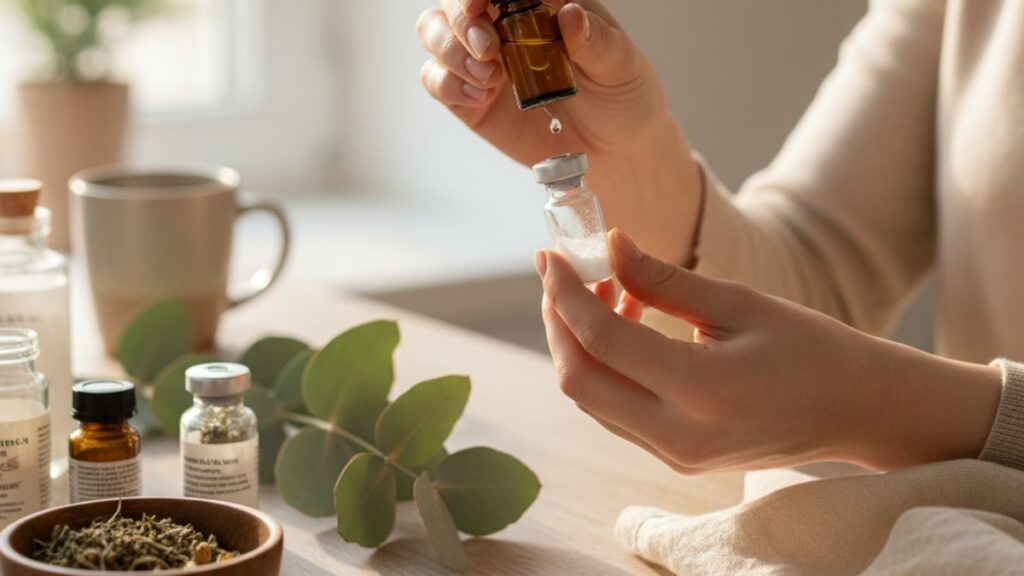
Retatrutide Lyophilized Powder: Safe Handling Guide
Without sterile reconstitution technique, up to 40% of lyophilized peptide samples show bacterial contamination within 72 hours. Rendering them unusable for research applications. The difference between preserved molecular integrity and degraded protein structure comes down to three handling stages most protocols overlook: pre-reconstitution temperature control, sterile water injection technique, and post-mixing storage conditions.
Our team works with research facilities handling high-purity peptides daily. The gap between correct and incorrect handling of retatrutide lyophilized powder isn't subjective. It's measurable through protein assay results and contamination cultures.
How do you properly handle retatrutide lyophilized powder?
Retatrutide lyophilized powder requires storage at −20°C before reconstitution, sterile bacteriostatic water for injection, and aseptic technique throughout mixing. Once reconstituted, the solution must be refrigerated at 2–8°C and used within 28 days to prevent protein denaturation and bacterial growth.
The featured snippet answers what to do. But it doesn't explain why each step matters or what happens when researchers deviate from protocol. Temperature excursions above 8°C cause irreversible aggregation of the peptide chains. Contaminated water introduces endotoxins that invalidate experimental results. Non-sterile injection technique seeds bacterial colonies that multiply exponentially in the reconstituted solution. This article covers the exact reconstitution protocol, the storage requirements that preserve peptide stability, and the handling mistakes that destroy sample integrity before the first use.
Understanding Retatrutide Lyophilized Powder Composition
Retatrutide arrives as a white or off-white lyophilized powder because freeze-drying removes all water content while preserving the peptide's three-dimensional structure. The lyophilization process. Also called freeze-drying. Converts the aqueous peptide solution into a stable solid by sublimating frozen water directly into vapour under vacuum. This removes the solvent that would otherwise allow protein degradation through hydrolysis while maintaining the precise amino acid sequence that defines retatrutide's biological activity as a GLP-1/GIP/glucagon triple agonist.
The powder contains pure retatrutide peptide plus pharmaceutical excipients. Typically mannitol or trehalose as bulking agents and sometimes sodium phosphate buffers to maintain pH stability upon reconstitution. These excipients aren't filler. They prevent peptide aggregation during the freeze-drying cycle and create a uniform powder that dissolves completely when water is reintroduced. Real Peptides produces retatrutide through small-batch synthesis with exact amino-acid sequencing, ensuring each vial contains the specified peptide mass with minimal impurities.
Storage requirements for unreconstituted retatrutide lyophilized powder are non-negotiable: −20°C (standard freezer temperature) in a sealed vial protected from light and moisture. At this temperature, the lyophilized peptide remains stable for 12–24 months depending on manufacturer specifications. Room temperature storage. Even for 48 hours. Initiates slow degradation as residual moisture in the powder allows peptide bond hydrolysis. Refrigerator storage at 2–8°C extends stability compared to room temperature but doesn't match freezer preservation: lyophilized peptides stored at 4°C show measurable potency loss after 6–9 months.
Reconstitution Protocol for Retatrutide Lyophilized Powder
Reconstituting retatrutide lyophilized powder transforms the stable solid into an injectable solution. But the process introduces contamination risk and requires precise volume measurement to achieve target concentration. The standard reconstitution solvent is bacteriostatic water for injection (BWFI), which contains 0.9% benzyl alcohol as a preservative to prevent bacterial growth in multi-dose vials. Sterile water for injection (SWFI) works for single-use applications but lacks antimicrobial protection for vials accessed multiple times over days or weeks.
The reconstitution steps follow aseptic technique throughout. First, allow the lyophilized vial and bacteriostatic water to reach room temperature. Injecting cold water into a frozen vial creates thermal shock that can denature temperature-sensitive peptides. Swab the rubber stopper on both the peptide vial and the BWFI vial with 70% isopropyl alcohol and allow to air-dry for 30 seconds. Using a sterile syringe with an 18-gauge or 20-gauge needle, draw the calculated volume of BWFI required to achieve your target concentration (typically 1–2 mL for a 5 mg vial, yielding 2.5–5 mg/mL final concentration).
Inject the BWFI slowly down the inside wall of the peptide vial. Never spray directly onto the lyophilized powder, which causes foaming and protein aggregation. The goal is gentle dissolution, not turbulent mixing. Once all liquid is added, swirl the vial gently in a circular motion until the powder dissolves completely into a clear solution. This takes 30–90 seconds for most peptides. Do not shake the vial. Vigorous agitation introduces air bubbles and mechanical stress that degrades peptide bonds. If cloudiness or particulates remain after two minutes of gentle swirling, discard the vial. Incomplete dissolution indicates peptide aggregation or contamination.
Our experience with researchers handling peptides like Survodutide and Mazdutide shows that reconstitution errors concentrate in three areas: using non-sterile water (introduces bacteria immediately), rapid injection causing foam (denatures surface-active peptides), and incomplete dissolution followed by administration anyway (delivers inconsistent dosing).
Storage Requirements After Reconstitution
Once reconstituted with bacteriostatic water, retatrutide solution must be refrigerated at 2–8°C and used within 28 days. This 28-day window isn't arbitrary. It represents the maximum period during which benzyl alcohol in BWFI maintains antimicrobial efficacy at refrigerator temperature while peptide degradation remains below 5%. Beyond 28 days, bacterial growth risk increases and peptide potency declines measurably even under ideal storage conditions.
Temperature excursions are the primary cause of reconstituted peptide failure. Every degree above 8°C accelerates protein denaturation. The process where peptide chains unfold and lose their bioactive three-dimensional structure. A vial left at room temperature (20–25°C) for 24 hours loses approximately 15–25% potency depending on the specific peptide sequence. A vial left in a car during summer heat (35–40°C) for even two hours may be completely denatured. There's no visual indicator of this degradation. The solution remains clear and colourless whether fully potent or completely inactive.
Freeze-thaw cycles destroy reconstituted peptides. Freezing causes ice crystal formation that physically disrupts peptide structure, and the osmotic stress during thawing creates aggregates that can't be reversed. If a reconstituted vial accidentally freezes, discard it. Do not attempt to thaw and use. For researchers requiring long-term storage of reconstituted peptides, the only viable option is aliquoting into single-use volumes immediately after mixing and storing those aliquots at −80°C (ultra-low freezer, not a standard −20°C freezer). Each aliquot is then thawed once and used completely, avoiding repeated freeze-thaw damage.
Retatrutide Lyophilized Powder: Handling Comparison
| Handling Stage | Correct Protocol | Common Error | Result of Error |
|---|---|---|---|
| Pre-reconstitution storage | −20°C freezer, sealed vial, protected from light | Room temperature storage for convenience | 10–20% potency loss per month; visible yellowing indicates oxidation |
| Water selection | Bacteriostatic water (0.9% benzyl alcohol) for multi-dose use | Tap water or non-sterile distilled water | Bacterial contamination within 48–72 hours; cloudy solution |
| Injection technique | Slow injection down vial wall, gentle swirling | Rapid spray onto powder, vigorous shaking | Foam formation, peptide aggregation, incomplete dissolution |
| Post-reconstitution storage | 2–8°C refrigerator, use within 28 days | Freezer storage to 'extend shelf life' | Ice crystal damage, irreversible protein denaturation |
| Bottom Line | Sterile technique and temperature control are non-negotiable. Deviations aren't just suboptimal, they render the peptide unusable for research |
Key Takeaways
- Retatrutide lyophilized powder must be stored at −20°C before reconstitution to prevent hydrolytic degradation of peptide bonds.
- Bacteriostatic water for injection (BWFI) is the required reconstitution solvent for multi-dose vials. Sterile water lacks antimicrobial protection beyond single use.
- Temperature excursions above 8°C after reconstitution cause irreversible protein denaturation that visual inspection cannot detect.
- The 28-day use window for reconstituted peptides reflects benzyl alcohol's antimicrobial duration and acceptable peptide degradation limits.
- Freeze-thaw cycles destroy reconstituted peptide structure through ice crystal formation and osmotic stress during thawing.
- Injection technique matters: slow wall injection with gentle swirling prevents foam and aggregation that rapid mixing causes.
What If: Retatrutide Lyophilized Powder Scenarios
What If the Lyophilized Powder Arrives Warm or at Room Temperature?
Place the vial in a −20°C freezer immediately and contact the supplier to report the temperature excursion. If shipping documentation shows the package exceeded 25°C for more than 48 hours during transit, request a replacement. Lyophilized peptides tolerate brief temperature spikes but extended ambient exposure initiates degradation. Most reputable suppliers use cold-chain shipping with temperature loggers; request the data before deciding whether to use or discard the vial.
What If You Accidentally Reconstitute with Sterile Water Instead of Bacteriostatic Water?
Use the entire reconstituted volume within 24 hours or aliquot into single-use portions and freeze at −80°C. Sterile water lacks the benzyl alcohol preservative that prevents bacterial growth in multi-dose vials. Each needle puncture introduces contamination risk, and without antimicrobial protection, bacterial colonies multiply rapidly at refrigerator temperature. This isn't theoretical. Contaminated peptide solutions show visible cloudiness within 48–72 hours when stored as multi-dose vials without preservative.
What If the Reconstituted Solution Looks Cloudy or Contains Particles?
Discard it immediately without attempting to use it. Cloudiness indicates either bacterial contamination, peptide aggregation, or incomplete dissolution. All of which invalidate research use. Attempting to filter the solution through a syringe filter won't remove aggregated peptides or bacterial endotoxins. The financial loss of discarding one vial is negligible compared to the wasted time and resources of conducting experiments with degraded peptides that produce unreliable data.
What If You Miss the 28-Day Use Window?
Potency testing is the only way to determine remaining activity, but most research protocols discard vials beyond 28 days as a safety margin. Visible clarity doesn't correlate with peptide potency. Solutions can appear perfectly normal while containing 40–60% degraded protein. If extending use is necessary, reduce the volume per dose to compensate for assumed potency loss, but recognise this introduces dosing variability that affects experimental reproducibility.
The Uncompromising Truth About Retatrutide Lyophilized Powder Handling
Here's the bottom line: retatrutide lyophilized powder handling isn't forgiving. There's no margin for error on temperature, sterility, or technique. The protocols exist because peptides are fragile molecules. Their biological activity depends on maintaining precise three-dimensional structure that heat, contamination, and mechanical stress all destroy. Researchers who treat peptide handling casually waste money on samples that look fine but deliver inconsistent or invalid results.
The biggest misconception is that lyophilized peptides are 'stable' in a way that tolerates protocol shortcuts. Lyophilization creates storage stability at the correct temperature. It doesn't make peptides indestructible. A vial stored at −20°C for 18 months maintains potency. The same vial left at room temperature for three days during that period loses 30–50% activity. The most expensive mistake isn't buying high-purity peptides. It's degrading them through poor handling before they reach the experiment.
For research facilities working with triple agonists like retatrutide, handling discipline separates reproducible data from experimental noise. Temperature logs, sterile technique validation, and strict adherence to reconstitution protocols aren't optional quality measures. They're the minimum requirement for meaningful research outcomes.
Every peptide vial represents synthesised molecular precision. Handling it with anything less than protocol-level care turns that precision into guesswork. Researchers who maintain cold-chain integrity, use sterile technique without shortcuts, and discard compromised vials regardless of cost consistently produce cleaner data with tighter standard deviations. The alternative. Trying to salvage degraded peptides through extended use or improvised storage. Introduces variability that invalidates months of experimental work.
Frequently Asked Questions
How long can retatrutide lyophilized powder be stored before reconstitution?
▼
Retatrutide lyophilized powder remains stable for 12–24 months when stored at −20°C in a sealed vial protected from light and moisture. Room temperature storage initiates degradation within 48 hours as residual moisture allows peptide bond hydrolysis. Refrigerator storage at 2–8°C extends stability compared to ambient temperature but shows measurable potency loss after 6–9 months. Always verify the expiration date on the manufacturer’s label and maintain freezer storage until ready to reconstitute.
Can you use regular sterile water to reconstitute retatrutide lyophilized powder?
▼
Sterile water for injection works only for single-use applications where the entire reconstituted volume is used immediately. For multi-dose vials accessed over days or weeks, bacteriostatic water for injection containing 0.9% benzyl alcohol is required — it prevents bacterial growth that sterile water allows after the first needle puncture. Without antimicrobial protection, contaminated vials develop visible cloudiness within 48–72 hours at refrigerator temperature.
What is the shelf life of reconstituted retatrutide solution?
▼
Reconstituted retatrutide solution stored at 2–8°C maintains stability for 28 days when prepared with bacteriostatic water. This window reflects the period during which benzyl alcohol preservative remains antimicrobially effective and peptide degradation stays below 5%. Beyond 28 days, bacterial contamination risk increases and potency declines measurably. Solutions reconstituted with sterile water must be used within 24 hours or aliquoted and frozen at −80°C for single-use portions.
What happens if reconstituted retatrutide accidentally freezes?
▼
Freezing reconstituted peptide solutions causes irreversible damage through ice crystal formation that physically disrupts protein structure. The osmotic stress during thawing creates peptide aggregates that cannot be reversed through mixing or filtration. If a reconstituted vial freezes accidentally, discard it — do not attempt to thaw and use. The only exception is intentional aliquoting immediately after reconstitution into single-use portions stored at −80°C, where each aliquot is thawed once and used completely.
How do you know if retatrutide lyophilized powder has degraded?
▼
Visual inspection cannot reliably detect peptide degradation — solutions appear clear and colourless whether fully potent or significantly degraded. The only definitive test is analytical peptide assay through HPLC or mass spectrometry. Warning signs include discoloration of the lyophilized powder (yellowing indicates oxidation), failure to dissolve completely after reconstitution (suggests aggregation), or cloudiness in the reconstituted solution (indicates contamination or precipitation). When in doubt, discard the vial rather than risk invalid experimental results.
What concentration should you aim for when reconstituting retatrutide?
▼
Target concentration depends on your dosing protocol and injection volume preferences, but 2.5–5 mg/mL is standard for most research applications. For a 5 mg lyophilized vial, adding 2 mL bacteriostatic water yields 2.5 mg/mL; adding 1 mL yields 5 mg/mL. Higher concentrations reduce injection volume but increase viscosity slightly. Lower concentrations ease precise measurement but require larger injection volumes. Calculate your target dose per administration and work backward to determine the reconstitution volume needed.
Can retatrutide lyophilized powder be shipped without refrigeration?
▼
Lyophilized peptides tolerate ambient temperature during shipping better than reconstituted solutions, but extended heat exposure still causes degradation. Reputable suppliers use insulated packaging with cold packs or dry ice to maintain cold-chain integrity. If a package arrives warm or tracking data shows temperature excursions above 25°C for more than 48 hours, contact the supplier immediately — request temperature logger data if available and consider requesting a replacement vial rather than risking compromised research.
Why does the reconstitution protocol specify injecting water down the vial wall?
▼
Injecting bacteriostatic water slowly down the inside wall of the vial prevents direct spray impact onto the lyophilized powder, which causes foam formation and mechanical stress that denatures peptides. The wall injection allows water to flow gently across the powder surface, dissolving it through diffusion rather than turbulent mixing. Rapid spraying creates air bubbles trapped in the solution and surface-active peptide aggregation at the air-water interface — both reduce final peptide concentration and bioactivity.
What is the difference between retatrutide lyophilized powder and pre-mixed solutions?
▼
Lyophilized powder offers superior long-term stability (12–24 months at −20°C) compared to pre-mixed aqueous solutions, which typically require refrigeration and use within 28 days from manufacture. The freeze-drying process removes water that would otherwise allow hydrolytic peptide degradation, creating a stable solid that reconstitutes on demand. Pre-mixed solutions offer convenience but sacrifice shelf life — they’re practical for immediate use but impractical for research facilities that need long-term inventory without repeated purchasing cycles.
Is it safe to use retatrutide solution that has been refrigerated for 35 days?
▼
Using peptide solutions beyond the 28-day recommended window introduces unquantified risk. While the solution may appear clear and normal, peptide potency likely declined by 10–20% and bacterial contamination risk increased despite benzyl alcohol preservative. For critical experiments requiring reproducible dosing, discard vials beyond 28 days. If continuation is necessary, reduce dose volume to compensate for assumed potency loss, but recognise this introduces dosing variability that affects data quality and experimental reproducibility.











