



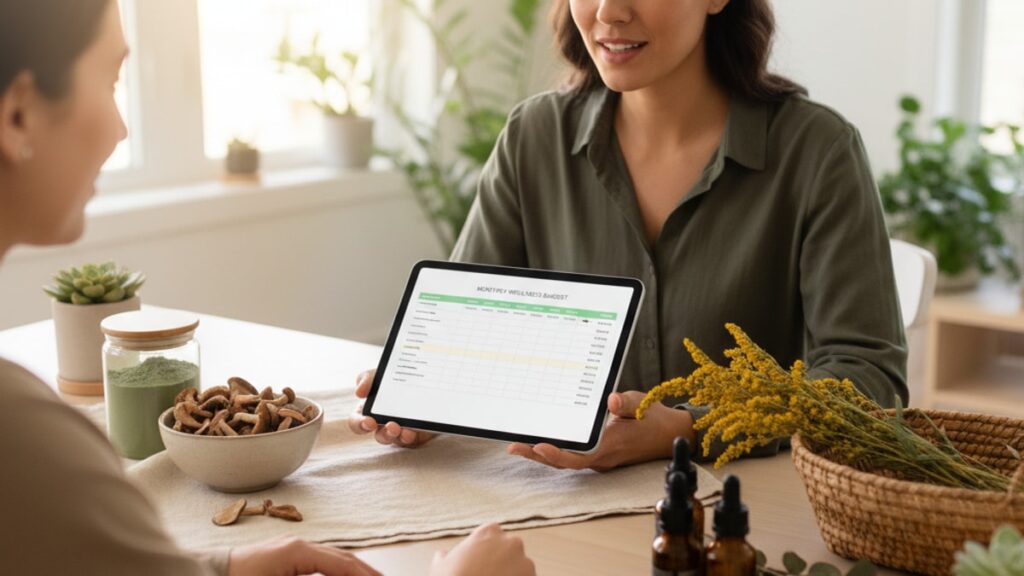
AOD-9604 Cost Per Month Budget — Real Pricing Breakdown
Most people researching AOD-9604 cost per month budget hit the same wall: they find vial prices but no context for actual monthly spend. A 5mg vial listed at $75 sounds straightforward until you realize dosage protocol, injection frequency, reconstitution supplies, and shipping cycles all compound into the real cost. We've worked with researchers budgeting peptide protocols across hundreds of projects. The gap between advertised vial pricing and true monthly expenditure consistently sits at 40–60% higher than expected.
Our team has found that budgeting errors happen at the sourcing stage, not the administration stage. Researchers assume one vial equals one month, but AOD-9604 dosing typically runs 300mcg daily, meaning a 5mg vial lasts 16–17 days maximum. The real AOD-9604 cost per month budget accounts for two vials, bacteriostatic water, alcohol swabs, syringes, and potential wastage from improper reconstitution or storage failures.
What does AOD-9604 cost per month when budgeted correctly?
AOD-9604 cost per month budget ranges from $150 to $300 depending on vial size, dosage protocol, and supplier pricing structure. A typical research protocol using 300mcg daily requires approximately two 5mg vials monthly at $70–$90 per vial, plus $15–$25 in reconstitution supplies and shipping. Higher-dose protocols (500mcg daily) push monthly costs toward $400–$500, while lower experimental doses (150mcg daily) can reduce spend to $100–$150.
Understanding AOD-9604 is the starting point for accurate budgeting. AOD-9604 (Advanced Obesity Drug fragment 9604) is a synthetic peptide derived from the C-terminal fragment of human growth hormone (hGH), specifically amino acids 176–191. Unlike full hGH, AOD-9604 does not interact with growth hormone receptors — it was developed to isolate the lipolytic (fat-breakdown) properties of hGH without the metabolic side effects associated with full-molecule administration. Research conducted at Monash University in the late 1990s demonstrated that this fragment retains hGH's ability to stimulate lipolysis and inhibit lipogenesis in adipose tissue, making it a target for obesity research and body composition studies. The peptide operates by mimicking the way natural growth hormone regulates fat metabolism, binding to beta-3 adrenergic receptors on fat cells to trigger cAMP-mediated lipolysis — the breakdown of stored triglycerides into free fatty acids for energy use. This article covers exactly what drives AOD-9604 cost per month budget variability, how dosage protocol affects spend, what hidden costs inflate budgets, and how to source peptides without overpaying or compromising purity.
What Drives AOD-9604 Monthly Cost Variability
AOD-9604 cost per month budget fluctuates based on three primary variables: vial size and concentration, dosage protocol, and supplier pricing structure. Most research-grade suppliers offer AOD-9604 in 2mg, 5mg, or 10mg lyophilized vials. Larger vials reduce per-milligram cost but require upfront capital and careful storage planning to prevent degradation. A 2mg vial priced at $45–$60 yields approximately 6–7 days of supply at 300mcg daily, meaning monthly procurement requires four vials at $180–$240. A 5mg vial at $70–$90 provides 16–17 days of supply, requiring two vials monthly at $140–$180. The 10mg vial format, when available, offers the best per-milligram value at $120–$160 per vial but introduces storage risk. Once reconstituted with bacteriostatic water, peptide solutions maintain stability for only 28 days under refrigeration at 2–8°C, meaning a 10mg vial used at 300mcg daily will degrade before full depletion unless dosage increases or multi-user protocols are in place.
Dosage protocol is the second cost driver. Standard research protocols test AOD-9604 at 300mcg daily administered subcutaneously, but experimental ranges span 150mcg to 1mg daily depending on study objectives. A 150mcg protocol halves monthly peptide spend to $70–$90 in vial costs alone, while 500mcg daily protocols require three 5mg vials monthly, pushing peptide costs to $210–$270. Higher-dose protocols also accelerate ancillary supply depletion. More frequent injections mean more syringes, alcohol prep pads, and sharps container turnover. We've found that researchers planning multi-month studies underestimate cumulative ancillary costs, which compound at roughly $20–$30 per month regardless of peptide dosage.
Supplier pricing structure introduces the third variable. Research peptide suppliers operate under two models: direct-to-researcher retail pricing and bulk institutional pricing with tiered discounts. Retail pricing for AOD-9604 ranges from $14–$18 per milligram for small vial formats, dropping to $10–$14 per milligram at bulk thresholds (typically 50mg or more). Institutional buyers negotiating standing orders can access pricing as low as $8–$10 per milligram, but this requires upfront commitment and storage infrastructure for larger peptide volumes. Shipping policies also affect monthly cost structure. Flat-rate shipping ($10–$15 per order) favors consolidated monthly orders, while per-item shipping ($5–$8 per vial) penalizes small frequent orders but allows flexible dosing adjustments.
Hidden Costs That Inflate AOD-9604 Budget
Reconstitution supplies are the most commonly overlooked budget item. Lyophilized AOD-9604 requires reconstitution with bacteriostatic water (0.9% benzyl alcohol) before subcutaneous administration. A 30mL vial of pharmaceutical-grade bacteriostatic water costs $8–$12 and reconstitutes approximately six 5mg peptide vials at standard dilution ratios (2mL bacteriostatic water per 5mg vial yields 2.5mg/mL concentration). Insulin syringes with 29–31 gauge needles cost $0.15–$0.30 per unit when purchased in boxes of 100. Daily injections require 30 syringes monthly at $4.50–$9.00. Alcohol prep pads run $0.03–$0.05 per pad, adding $0.90–$1.50 monthly. Sharps disposal containers certified for biohazard waste cost $8–$15 and require replacement every 2–3 months depending on injection frequency.
Storage infrastructure introduces a second hidden cost layer. Unreconstituted lyophilized peptides must be stored at −20°C to maintain stability beyond 6 months. Standard refrigerator freezer compartments rarely maintain consistent sub-zero temperatures, leading to peptide degradation that appears as reduced efficacy rather than visible spoilage. A dedicated laboratory freezer with temperature monitoring costs $200–$400 but prevents peptide loss that can exceed $100 monthly in replaced degraded vials. Once reconstituted, peptide solutions require refrigeration at 2–8°C with protection from light. Clear glass vials expose peptides to photodegradation, necessitating amber vials or foil wrapping. Temperature excursions above 8°C during storage or transport cause irreversible protein denaturation that neither visual inspection nor home potency testing can detect.
Wastage from dosing errors and reconstitution mistakes compounds real monthly cost. Researchers new to peptide protocols frequently reconstitute with incorrect bacteriostatic water volumes, creating concentrations that require recalculation or result in dosing inaccuracies. Overfilling syringes during draw creates air bubbles that displace peptide solution. Injecting air into the vial during subsequent draws introduces contamination vectors that shorten solution viability. We mean this sincerely: the single biggest source of budget inflation in AOD-9604 protocols is replacing peptide vials that degraded due to storage or reconstitution errors, not the initial vial purchase price.
AOD-9604 Cost Per Month Budget: Dosage Protocol Comparison
The following table breaks down monthly peptide and supply costs across three common dosage protocols. Bottom-line assessment includes real-world cost drivers most budgets miss.
| Protocol | Daily Dose | Vials/Month | Peptide Cost | Supplies Cost | Total Monthly | Bottom Line |
|---|---|---|---|---|---|---|
| Low-Dose Research | 150mcg | 1 × 5mg vial | $70–$90 | $15–$20 | $85–$110 | Best for budget-constrained pilot studies; reduces wastage risk but may require protocol extension to observe meaningful endpoints |
| Standard Protocol | 300mcg | 2 × 5mg vials | $140–$180 | $20–$30 | $160–$210 | Most common research dose; balances cost with established lipolytic activity from published studies |
| High-Dose Protocol | 500mcg | 3 × 5mg vials | $210–$270 | $25–$35 | $235–$305 | Used in body composition studies targeting rapid lipolysis; increases wastage risk and requires stricter storage protocols |
| Bulk Sourcing (300mcg) | 300mcg | 1 × 10mg vial | $120–$160 | $20–$30 | $140–$190 | Optimal per-milligram cost but introduces 28-day stability constraint post-reconstitution |
Key Takeaways
- AOD-9604 cost per month budget ranges from $150 to $300 for standard 300mcg daily protocols when vial costs, reconstitution supplies, and shipping are included.
- A 5mg vial of AOD-9604 at typical research dosing (300mcg daily) provides 16–17 days of supply, requiring two vials per month. Not one.
- Reconstitution supplies (bacteriostatic water, syringes, alcohol pads, sharps containers) add $15–$30 monthly to peptide vial costs regardless of dosage protocol.
- Lyophilized AOD-9604 must be stored at −20°C before reconstitution and at 2–8°C after mixing. Temperature excursions above 8°C cause irreversible peptide degradation without visible signs.
- Bulk purchasing (10mg vials) reduces per-milligram cost by 20–30% but introduces wastage risk if peptide solution degrades before the 28-day post-reconstitution stability window closes.
- Hidden costs from storage failures, dosing errors, and reconstitution mistakes inflate actual monthly spend by 40–60% above advertised vial pricing.
What If: AOD-9604 Budget Scenarios
What If I Need to Reduce Monthly Costs Below $150?
Shift to a 150mcg daily protocol using 2mg vials, which cuts peptide spend to $90–$120 monthly including supplies. This dose still activates beta-3 adrenergic receptors for lipolytic activity but extends the timeline to observe measurable endpoints. Early-phase Monash University trials tested doses as low as 1mg daily, so 150mcg falls within established safety margins. Consolidate orders to maximize flat-rate shipping value and source bacteriostatic water in bulk (100mL vials instead of 30mL) to reduce per-reconstitution costs. The trade-off is protocol duration: lower doses may require 12–16 weeks to achieve body composition changes that 300mcg protocols demonstrate in 8–12 weeks.
What If My Peptide Vial Wasn't Stored Properly Before Arrival?
Request a certificate of analysis (CoA) from the supplier showing HPLC purity verification and storage conditions during fulfillment. Reputable research peptide suppliers ship lyophilized vials with cold packs or dry ice to maintain sub-zero temperatures during transit. If your vial arrived at ambient temperature without cold-chain packaging, peptide degradation is likely. Most suppliers replace improperly shipped vials at no cost if reported within 48 hours of delivery. Once received, transfer lyophilized peptides to −20°C storage immediately and avoid repeated freeze-thaw cycles, which denature protein structure even if the peptide appears intact.
What If I Run Out of Peptide Mid-Protocol?
Interrupting AOD-9604 administration mid-protocol doesn't create withdrawal effects or metabolic rebound, but it does reset lipolytic signaling pathways that require 7–10 days of consistent dosing to re-establish. Order replacement peptides 10–14 days before current supply depletes to account for shipping delays and avoid protocol gaps. If supply interruption is unavoidable, resume at the same dosage you stopped. Do not double-dose to 'catch up' on missed days. We've found that researchers who build a 2-week peptide buffer into their monthly budget avoid protocol interruptions entirely, even when shipping delays or supplier backorders occur.
The Blunt Truth About AOD-9604 Cost Per Month Budget
Here's the honest answer: advertised vial prices are marketing, not budgeting tools. A supplier listing AOD-9604 at $75 per 5mg vial is telling you the minimum you'll spend, not the actual monthly cost. The real AOD-9604 cost per month budget sits 50–70% higher once you account for dosing frequency, ancillary supplies, shipping, and the peptide you'll waste learning proper reconstitution technique. Every researcher makes dosing errors in their first month. Overfilled syringes, incorrect dilution ratios, temperature excursions during storage. Budget for it upfront rather than scrambling when your first vial runs out after 12 days instead of 30. The suppliers who claim 'one vial per month' are either assuming sub-therapeutic doses or ignoring basic peptide pharmacokinetics. AOD-9604 at 300mcg daily uses 9mg monthly. That's two 5mg vials minimum, plus the reconstitution supplies most pricing calculators conveniently omit.
If cost is the deciding factor in your research protocol, source peptides from Real Peptides, where small-batch synthesis with exact amino-acid sequencing guarantees the purity your protocol depends on. Budget transparency starts with knowing what you're actually buying. Not what a misleading price-per-vial figure implies.
Sourcing AOD-9604 Without Overpaying or Compromising Purity
Peptide purity directly affects research outcomes, and cost-cutting on sourcing introduces variables that invalidate study results. Research-grade AOD-9604 should meet or exceed 98% purity as verified by high-performance liquid chromatography (HPLC). Suppliers who don't provide third-party CoA documentation with every batch are selling peptides of unknown composition and potency. Lyophilized peptides synthesized through solid-phase peptide synthesis (SPPS) with proper purification steps (reverse-phase HPLC, typically) cost more upfront but eliminate the risk of impurity-driven side effects or null results from degraded product. Peptides sourced from non-certified compounding facilities or overseas manufacturers without GMP compliance may contain synthesis byproducts, incorrect amino acid sequences, or bacterial endotoxins that compromise both safety and efficacy.
Bulk purchasing reduces per-milligram cost but requires infrastructure planning. A 50mg bulk order of AOD-9604 at $10 per milligram costs $500 upfront but supplies nearly six months of 300mcg daily protocols. Compare that to $180 monthly for individual 5mg vials. The constraint is storage: 50mg of lyophilized peptide must remain at −20°C in airtight, desiccant-protected containers to prevent moisture absorption and oxidative degradation. Reconstitute only what you'll use within 28 days, keeping the remainder in lyophilized form. Institutional buyers with laboratory-grade freezers and controlled access can leverage bulk pricing; individual researchers without temperature-controlled storage should stick to monthly vial orders to minimize degradation risk.
Shipping frequency affects both cost and peptide integrity. Consolidating peptide orders into monthly shipments with cold-pack or dry-ice packaging reduces per-order shipping fees and minimizes temperature fluctuation during transit. Suppliers offering 'free shipping' on orders above a threshold ($100–$150 typically) make monthly bulk orders cost-neutral compared to weekly small orders. Peptides shipped without cold-chain logistics during summer months or to warm climates risk heat exposure that degrades product before it reaches refrigeration. Insist on temperature-controlled shipping year-round, even if it adds $5–$10 to order costs. A $10 shipping surcharge is cheaper than replacing a $150 peptide order that arrived degraded.
The sourcing decision that matters most: choose suppliers who stake their reputation on verifiable purity and proper cold-chain logistics. Real Peptides builds every batch through small-batch synthesis with exact amino-acid sequencing, guaranteeing the purity your research protocol depends on. You can explore our full peptide collection to see how precision synthesis and third-party verification extend across compounds like MK 677 and Tesofensine. When monthly budget matters but research integrity matters more, source from labs that publish CoA documentation and maintain cold-chain standards from synthesis to delivery.
If your monthly peptide budget sits between $150 and $300, you're positioned for sustainable research protocols at therapeutic doses. If you're spending less, verify that dosing aligns with established pharmacokinetic data. Sub-therapeutic doses save money upfront but waste time in protocol execution. If you're spending more than $400 monthly on AOD-9604, reassess vial sourcing or consider whether higher doses align with your study endpoints. The cost structure is transparent once you account for all variables. The researchers who succeed long-term are the ones who budget for peptide integrity first and unit price second.
Frequently Asked Questions
How much does AOD-9604 cost per month for a standard research protocol?
▼
AOD-9604 cost per month budget for a standard 300mcg daily protocol ranges from $150 to $210, including two 5mg vials at $70–$90 each plus $20–$30 in reconstitution supplies (bacteriostatic water, syringes, alcohol pads). Higher-dose protocols (500mcg daily) increase monthly costs to $235–$305, while lower experimental doses (150mcg daily) reduce spend to $85–$110. These figures assume retail pricing from research peptide suppliers with per-order shipping included.
Can I reduce AOD-9604 monthly costs by buying larger vials?
▼
Yes — purchasing 10mg vials instead of 5mg vials reduces per-milligram cost by 20–30%, bringing monthly peptide spend for 300mcg daily protocols down to $140–$190. However, reconstituted peptide solutions remain stable for only 28 days under refrigeration at 2–8°C, meaning a 10mg vial used at 300mcg daily will degrade before full depletion unless you increase dosage or implement multi-user protocols. Bulk purchasing works best for researchers with controlled storage and consistent daily administration schedules.
What hidden costs should I include in my AOD-9604 budget?
▼
Hidden costs include bacteriostatic water ($8–$12 per 30mL vial, required for reconstitution), insulin syringes ($4.50–$9 per month for daily injections), alcohol prep pads ($0.90–$1.50 monthly), and sharps disposal containers ($8–$15 every 2–3 months). Storage infrastructure adds another layer: lyophilized peptides require −20°C freezer storage, and reconstituted solutions need refrigeration at 2–8°C with light protection. Temperature excursions cause irreversible peptide degradation without visible signs, making proper storage non-negotiable for budget accuracy.
How long does a 5mg vial of AOD-9604 last at 300mcg daily?
▼
A 5mg vial of AOD-9604 provides 16–17 days of supply at 300mcg daily dosing, not a full month. This is the most common budgeting error researchers make — assuming one vial equals one month. At 300mcg daily, you consume approximately 9mg monthly, requiring two 5mg vials. Once reconstituted with bacteriostatic water, peptide solutions maintain stability for 28 days under proper refrigeration, so timing vial reconstitution to match depletion schedules prevents wastage.
Is compounded AOD-9604 cheaper than research-grade peptides?
▼
Compounded AOD-9604 from 503B facilities may appear cheaper per vial but lacks third-party purity verification and consistent amino acid sequencing. Research-grade peptides synthesized through solid-phase peptide synthesis (SPPS) with HPLC purification cost more upfront but guarantee ≥98% purity with documented CoA results. Peptides of unknown purity introduce variables that invalidate research outcomes — paying $20–$30 less per vial while risking protocol failure from impure product is a false economy. Source from suppliers who publish HPLC verification with every batch.
What happens if I miss doses due to running out of peptide mid-protocol?
▼
Interrupting AOD-9604 administration doesn’t cause withdrawal effects or metabolic rebound, but it does reset lipolytic signaling pathways that require 7–10 days of consistent dosing to re-establish. Resume at your previous dosage when supply is restored — do not double-dose to compensate for missed days. To avoid protocol gaps, order replacement peptides 10–14 days before current supply depletes and maintain a 2-week buffer in your monthly budget to account for shipping delays or supplier backorders.
How should I store AOD-9604 to prevent degradation and budget waste?
▼
Store unreconstituted lyophilized AOD-9604 at −20°C in airtight containers with desiccant packets to prevent moisture absorption. Once reconstituted with bacteriostatic water, refrigerate at 2–8°C in amber glass vials or foil-wrapped clear vials to prevent photodegradation. Temperature excursions above 8°C cause irreversible protein denaturation that neither visual inspection nor home potency testing can detect. A dedicated laboratory freezer with temperature monitoring prevents peptide loss that can exceed $100 monthly in replaced degraded vials.
Should I order AOD-9604 weekly or monthly to reduce costs?
▼
Consolidate peptide orders into monthly shipments to maximize flat-rate shipping value and minimize temperature fluctuation during transit. Suppliers offering free shipping above $100–$150 thresholds make monthly bulk orders cost-neutral compared to weekly small orders. Peptides shipped without cold-chain logistics during warm months risk heat exposure that degrades product before refrigeration — insist on temperature-controlled shipping with cold packs or dry ice year-round, even if it adds $5–$10 to order costs.
What is the most common budgeting mistake with AOD-9604?
▼
The most common mistake is budgeting based on vial price alone without accounting for dosing frequency, reconstitution supplies, and wastage from storage or administration errors. Advertised vial prices represent minimum spend, not actual monthly cost. Real AOD-9604 cost per month budget sits 50–70% higher once ancillary supplies, shipping, and learning-curve wastage are included. First-time researchers should budget for two 5mg vials monthly at 300mcg daily protocols, plus $20–$30 in supplies, to avoid mid-protocol supply gaps.
Can I use regular sterile water instead of bacteriostatic water for reconstitution?
▼
Sterile water lacks the bacteriostatic agent (0.9% benzyl alcohol) that prevents bacterial growth in multi-dose vials over 28 days. Using sterile water shortens solution viability to 48–72 hours under refrigeration, requiring daily reconstitution of new peptide aliquots — this increases wastage, complicates dosing consistency, and raises monthly supply costs. Bacteriostatic water costs $8–$12 per 30mL vial and reconstitutes six 5mg peptide vials safely, making it the standard for peptide protocols requiring daily injections over weeks.











