


In Stock, Ready to Ship!
$80.00
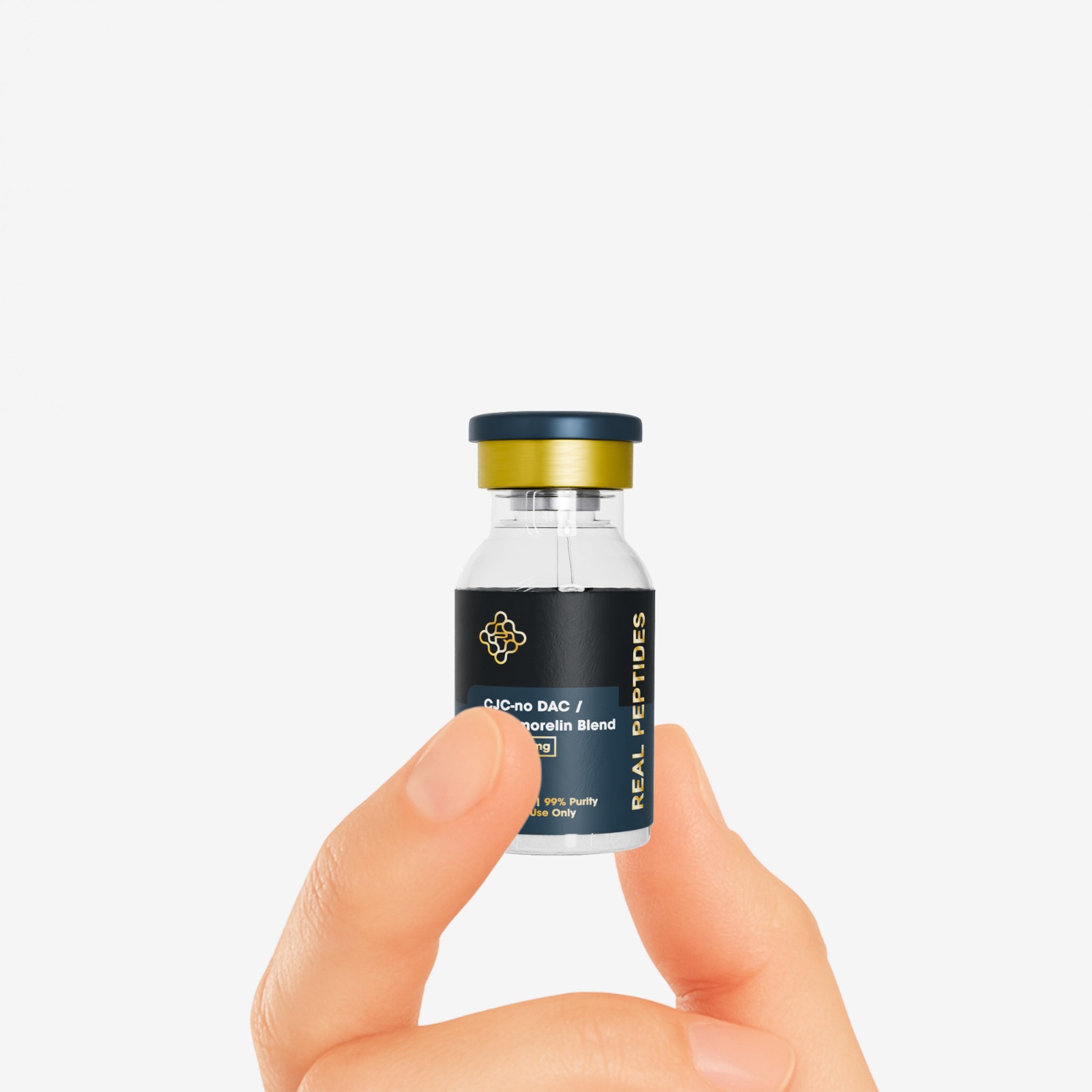
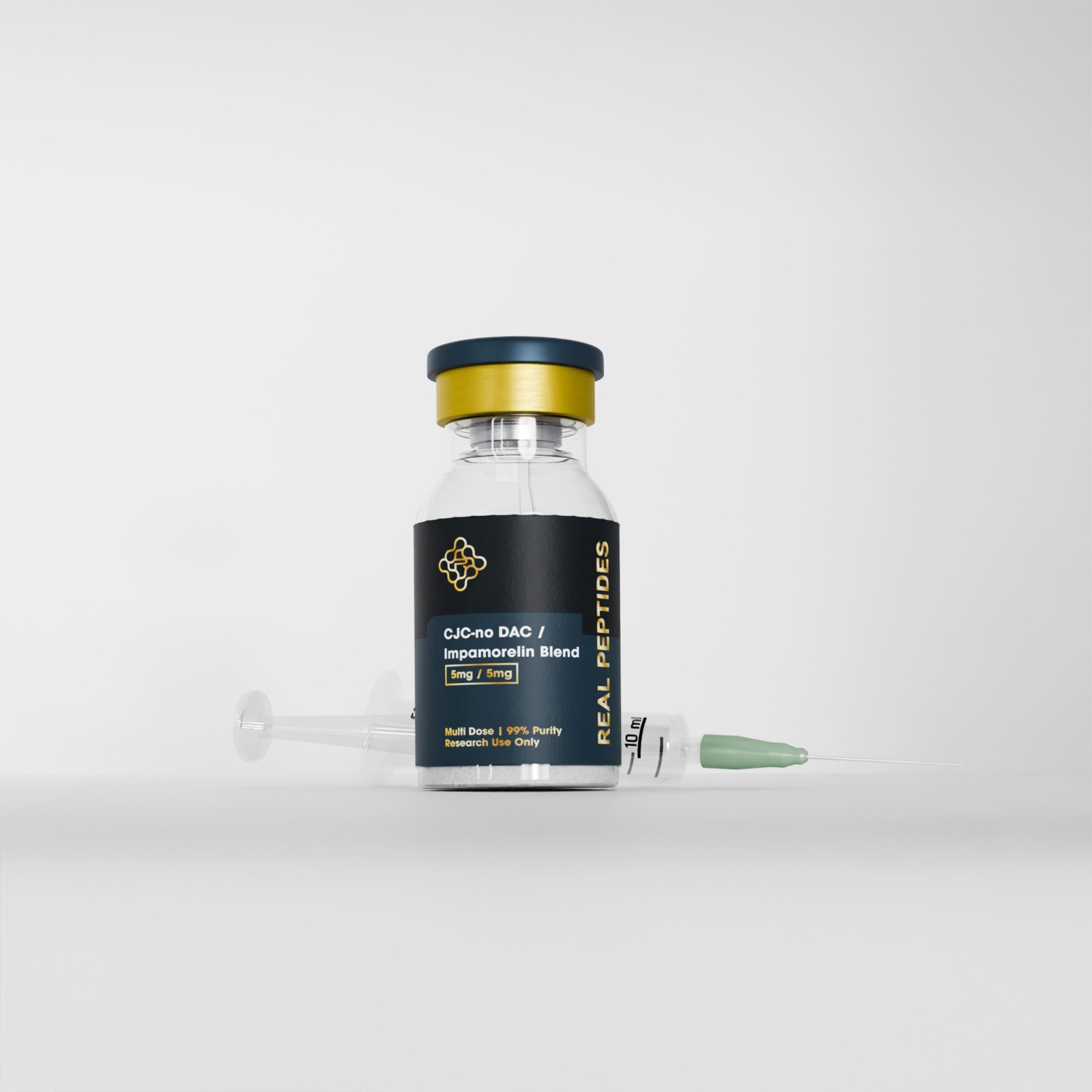
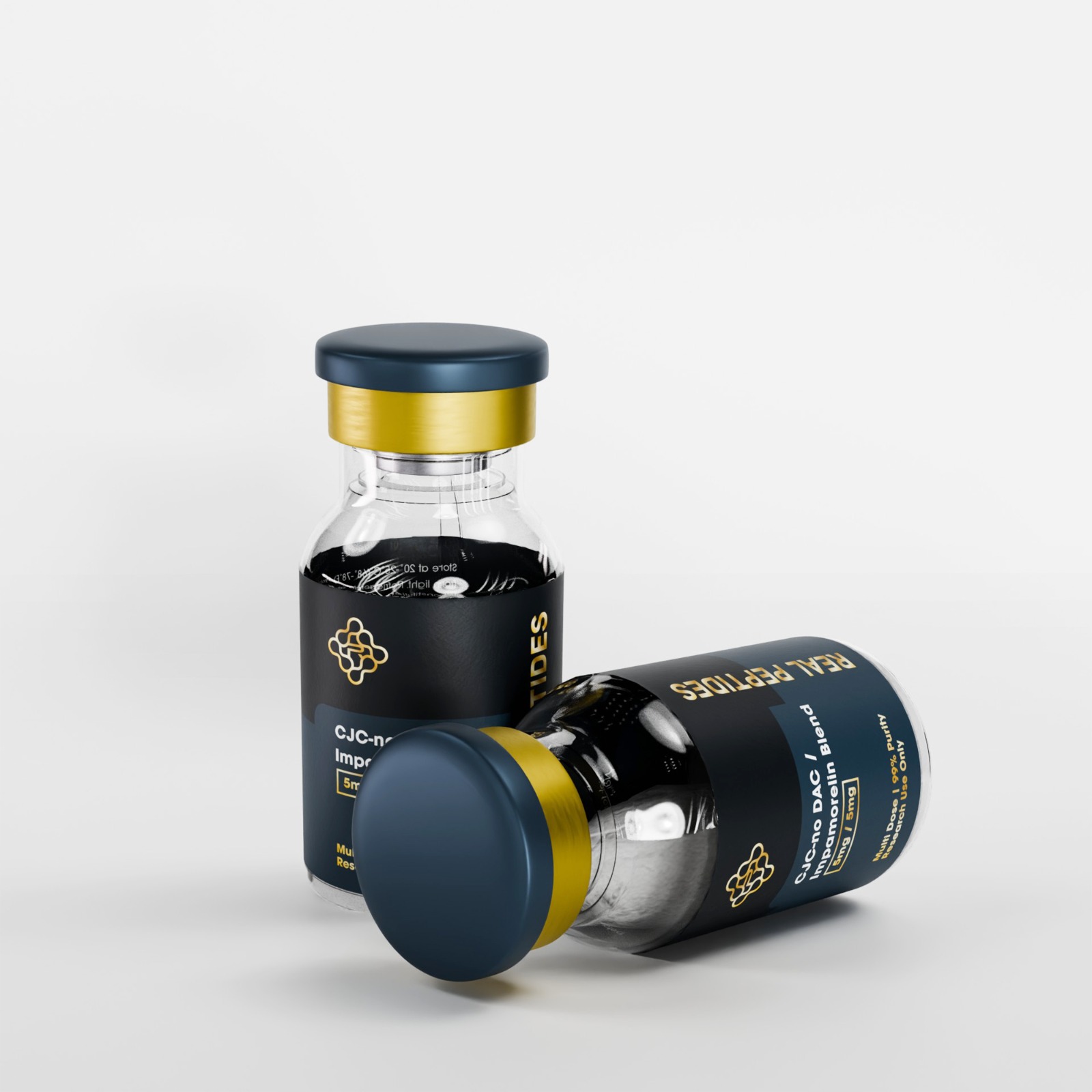
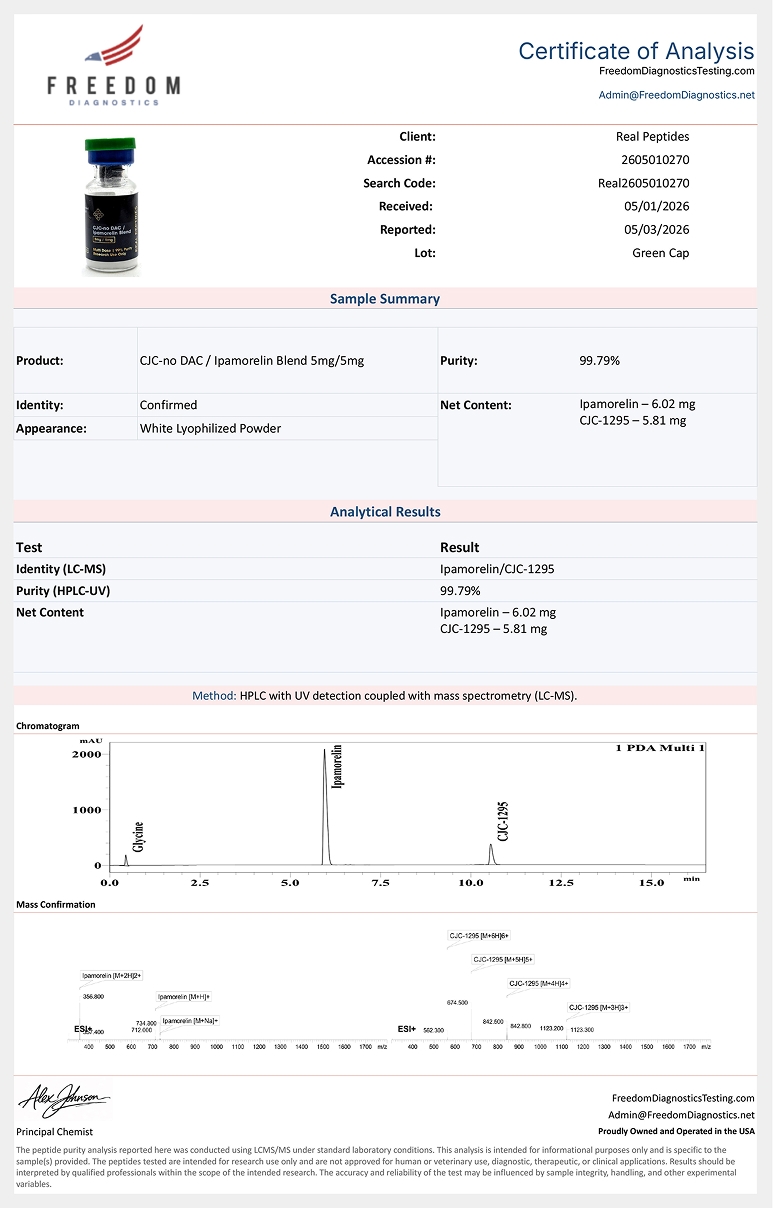
CJC-1295 (no DAC) combined with Ipamorelin at a balanced 5mg/5mg ratio is one of the most studied growth-hormone–releasing peptide stacks used in research to examine natural GH pulsatility, metabolic function, cellular repair, recovery pathways, and age-related decline. This synergistic pairing is designed to amplify growth-hormone secretion through both GHRH- and GHRP-based pathways, offering a dual-mechanism model for researchers studying regeneration, fat metabolism, tissue repair, and peptide-based endocrine modulation.

In Stock, Ready to Ship!
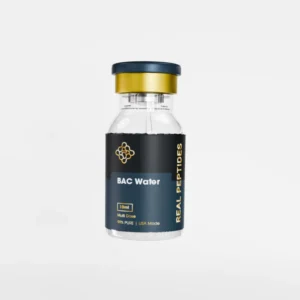
Peptides are not ready to use. Must purchase BAC water for reconstitution.
CJC-1295 (no DAC) acts as a GHRH analog, while Ipamorelin functions as a selective GHRP, allowing two separate receptor systems (GHRH + Ghrelin) to synergize in GH production.
Unlike CJC-1295 DAC, the no-DAC version supports natural GH pulses, which many researchers consider more physiologically relevant for long-term regenerative studies.
The synergy between CJC-1295 (no DAC) and Ipamorelin contributes to increased liver production of IGF-1—an essential peptide studied in muscle growth, recovery, and cellular repair.
This stack preserves endogenous GH feedback mechanisms, preventing the downregulation often seen with synthetic GH administration.
Research shows GH and IGF-1 upregulate enzymes involved in fat oxidation and metabolic turnover.
CJC/Ipa is studied for enhancing natural overnight GH secretion when administered before sleep.
GH pathways are heavily involved in collagen synthesis, tendon repair, and recovery from micro-tears. CJC/Ipa is studied for accelerating post-stress tissue regeneration.
Researchers evaluate CJC/Ipa for effects on cell turnover, mitochondrial function, and age-related decline markers.
GH increases the availability of free fatty acids and enhances metabolic turnover, making this stack popular in metabolic and lipolysis studies.
Because CJC-1295 (no DAC) avoids forced 24-hr elevation, it enables research involving naturalistic GH pulsation.
GH/IGF-1 pathways influence hypertrophy mechanisms, making this stack ideal for performance-oriented research studies.
Frequently combined with Tesamorelin, 5-Amino-1MQ, and MOTS-c for deeper metabolic insights.
GH release peaks during sleep; this stack is commonly studied within sleep-linked recovery pathways.
Researchers explore its role in soft-tissue recovery, wound-repair, and collagen synthesis.
May enhance receptor responsiveness over time in long-term endocrine studies.
Ipamorelin is notable for its selective receptor binding, minimizing unwanted hormonal crossover.
This combination pairs two of the most respected GH secretagogues in research: CJC-1295 (no DAC), a GHRH analog that stimulates GH from the pituitary, and Ipamorelin, a selective ghrelin receptor agonist known for its clean, cortisol-neutral profile. Together, they create a dual-action model that amplifies natural GH pulses while supporting IGF-1 activation, cellular repair pathways, and metabolic improvement.
The synergy between CJC-1295 (no DAC) and Ipamorelin is considered one of the most predictable and physiologically relevant ways to study GH enhancement. Instead of forcing unnaturally high GH levels (as seen with DAC), this version allows researchers to model natural pulsation, receptor sensitivity preservation, and circadian GH activity. This makes it ideal for studies involving aging, tissue repair, fat metabolism, mitochondrial regeneration, and hormonal optimization.
Few peptide combinations have the level of research interest, consistency, and synergy that CJC/Ipa offers. Its balanced dual-pathway GH stimulation appeals to researchers focused on:
It also pairs exceptionally well with additional GH secretagogues like Tesamorelin and metabolic peptides like 5-Amino-1MQ or MOTS-c.
No DAC = Pulsatile, physiologic GH.
DAC = Forced 24-hour elevation.
— No DAC is preferred for anti-aging, recovery, and metabolic studies.
Tesamorelin increases GH but strongly targets visceral fat pathways.
CJC/Ipa is more balanced and broader in scope.
Sermorelin is milder; CJC-1295 no DAC is longer-acting and stronger in amplitude.
MK-677 is an oral ghrelin mimetic, continuous GH.
CJC/Ipa = Pulsatile GH, more physiologic.
It is a dual-pathway GH secretagogue combination where CJC-1295 (no DAC) stimulates the GHRH receptor while Ipamorelin activates the ghrelin receptor, producing synergistic GH release.
No DAC is preferred in many studies because it produces pulsatile GH secretion — more physiological and useful for anti-aging, metabolic, and recovery-based research.
Improved GH pulsatility, enhanced IGF-1 activity, increased recovery, fat-loss pathway activation, and regenerative biology support.
Yes. Many researchers combine CJC/Ipa with Tesamorelin for deeper visceral fat and metabolic studies.
Yes. This is a trending triple-agonist stack in GH research for layered amplitude (CJC-1295), frequency (Ipamorelin), and baseline enhancement (Sermorelin).
It refers to a 5mg CJC-1295 (no DAC) and 5mg Ipamorelin pairing — standardized for synergistic GH stimulation models.
CJC increases GH pulse amplitude; Ipamorelin increases pulse frequency. Together they create a strong but physiologic GH profile.
Yes. It does not significantly raise cortisol, prolactin, or desensitize receptors like GHRP-2 and GHRP-6.
GH and IGF-1 pathways promote lipolysis and fatty acid mobilization, making this stack useful for metabolic research.
Yes, GH naturally spikes at night, and this combination is widely studied in sleep-recovery models.
GH/IGF-1 signaling is deeply involved in aging pathways, cell turnover, and mitochondrial function.
MK-677 provides continuous GH elevation; CJC/Ipa delivers pulses — ideal for physiology-mimicking studies.
CJC-1295 no DAC has a longer half-life and produces stronger GH pulses than Sermorelin.
Yes. Synergy is common with SS-31, MOTS-c, and 5-Amino-1MQ in metabolic studies.
Yes. Synergy is common with SS-31, MOTS-c, and 5-Amino-1MQ in metabolic studies.
Don't hestitate to contact us