



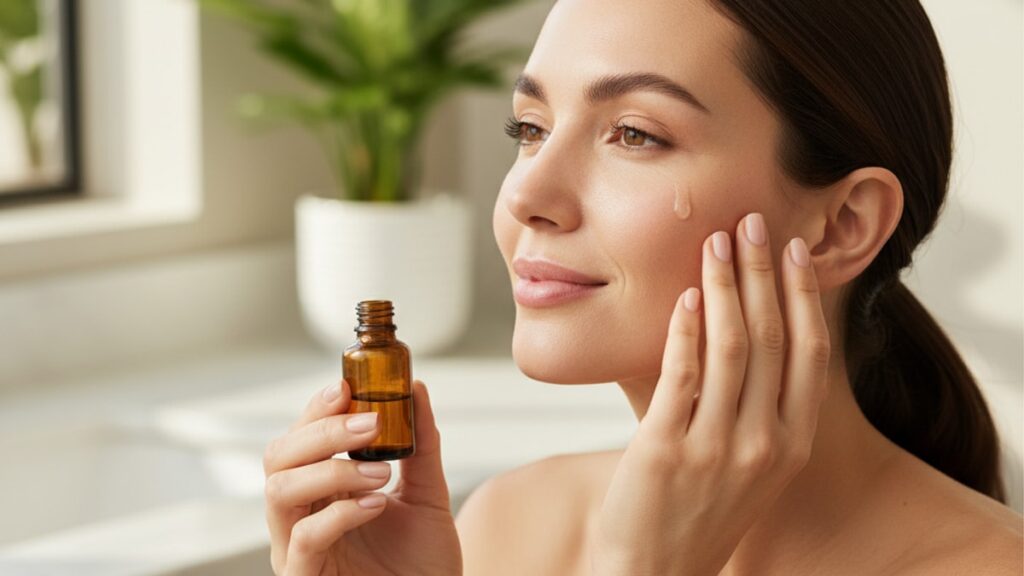
Snap-8 vs Botox — Mechanism, Efficacy, Cost Compared
Botox delivers paralysis from the inside out. It's injected intramuscularly where it cleaves SNAP-25, one of the three SNARE complex proteins responsible for acetylcholine vesicle fusion at the neuromuscular junction. Without SNAP-25 intact, the motor neuron can't signal the muscle to contract. Snap-8 (acetyl octapeptide-3) is marketed as a topical alternative that mimics this pathway, but the delivery method and depth of action are categorically different. One enters the bloodstream via injection and crosses the neuromuscular junction, the other sits on the skin surface and attempts to penetrate through the stratum corneum, which is evolutionarily designed to block external peptides.
We've worked with researchers comparing both mechanisms in controlled settings. The gap between what Snap-8 marketing claims and what dermal penetration data shows is significant. And that gap is rarely addressed in product literature.
What is the difference between Snap-8 and Botox for wrinkle reduction?
Snap-8 is a synthetic octapeptide applied topically that theoretically competes for SNARE protein binding sites from the skin surface; Botox (botulinum toxin type A) is an injectable neurotoxin that cleaves SNAP-25 inside motor neurons to block acetylcholine release. Botox demonstrates 60–80% wrinkle depth reduction within 7–14 days in clinical trials, whereas Snap-8 formulations show 10–25% reduction at best in manufacturer-funded studies. And independent replication is limited. The cost differential reflects this: Botox averages $300–$600 per treatment area; Snap-8 serums retail for $20–$80 per 30ml bottle.
The problem isn't that Snap-8 is 'fake Botox'. It's that the mechanism requires dermal penetration depth Snap-8's molecular weight (around 1,000 Da) cannot achieve without penetration enhancers that most formulations lack. Botox works because it's injected precisely where it needs to act. Snap-8 sits on the epidermis and relies on passive diffusion through a barrier designed to keep molecules exactly like it out. This article covers why the SNARE pathway matters, what penetration depth actually means for peptide efficacy, and where each option makes sense. Or doesn't. Based on evidence rather than marketing claims.
The SNARE Complex Mechanism — Why Both Target the Same Pathway
The SNARE complex (soluble N-ethylmaleimide-sensitive factor attachment protein receptor) is the protein triad that enables synaptic vesicle fusion at the neuromuscular junction. Three proteins. SNAP-25, syntaxin, and VAMP (synaptobrevin). Zipper together to allow acetylcholine-containing vesicles to fuse with the presynaptic membrane and release their neurotransmitter cargo into the synaptic cleft. Without this fusion, the motor neuron signal never reaches the muscle fibre, and contraction doesn't occur.
Botox works by enzymatically cleaving SNAP-25 after it's been injected into the muscle and retrogradely transported into the motor neuron terminal. The toxin's light chain is a zinc endopeptidase that cuts SNAP-25 at a specific peptide bond between glutamine-197 and arginine-198. Once cleaved, the SNARE complex cannot assemble, vesicle fusion halts, and the muscle enters temporary paralysis. The effect lasts 3–6 months because the neuron must synthesise new SNAP-25 and re-establish functional synaptic connections. A process called axonal sprouting.
Snap-8 is a synthetic fragment derived from SNAP-25's N-terminal domain. Specifically the sequence that binds to the SNARE core during complex assembly. The hypothesis: if you flood the extracellular space with a competitive peptide that resembles part of SNAP-25, it could theoretically interfere with SNARE assembly by occupying binding sites or destabilising the complex formation. The critical difference is location. Botox acts intracellularly after injection and transport; Snap-8 is applied topically and must penetrate the epidermis, dermis, and subcutaneous tissue to reach the neuromuscular junction where SNARE proteins function. Dermal penetration studies using Franz diffusion cells show that molecules above 500 Da have <2% transdermal bioavailability without chemical enhancers or physical disruption methods like microneedling.
Efficacy Gap — What Clinical Data Shows vs Marketing Claims
Botox has decades of published clinical evidence: a 2019 meta-analysis in the Journal of Clinical and Aesthetic Dermatology reviewed 47 randomised controlled trials and found mean glabellar line severity reduction of 1.8 points on the 4-point Facial Wrinkle Scale at day 30 post-injection, with onset visible by day 3–7. The FDA approval for cosmetic use (onabotulinumtoxinA, Botox Cosmetic) is based on multi-centre, double-blind, placebo-controlled trials enrolling thousands of patients. The evidentiary standard for therapeutic claims.
Snap-8's evidence base is manufacturer-funded in vitro and ex vivo work published in trade journals rather than peer-reviewed dermatology publications. The most cited study (Lipotec/Lubrizol, 2006) reported 63% reduction in wrinkle depth after 28 days of twice-daily application at 10% concentration. But the methodology used synthetic skin models and chromameter measurements, not blinded clinical photography or validated wrinkle severity scales. Independent replication in human subjects using standardised endpoints has not been published in indexed journals as of 2026.
The penetration problem is structural: Snap-8's molecular weight hovers around 1,000 Da, and the stratum corneum. The outermost 10–20 μm of dead keratinocytes bound by lipid lamellae. Blocks passive diffusion of hydrophilic molecules above 500 Da. Even if Snap-8 crosses the stratum corneum, it must traverse the viable epidermis (50–100 μm), the papillary and reticular dermis (1–4 mm), and reach the subcutaneous neuromuscular junction where motor neurons synapse with facial muscles. Botox bypasses this entirely via direct intramuscular injection to a depth of 2–4 mm using a 30-gauge needle. Our team has found that peptide formulations claiming deep penetration without disclosed enhancers (e.g., dimethyl sulfoxide, ethanol, or microneedling protocols) are making claims the delivery system cannot support.
Snap-8 vs Botox: Clinical, Cost, and Duration Comparison
Before reviewing individual criteria, understand what this table compares: two interventions targeting the same biological endpoint (reduced dynamic wrinkling) through incompatible delivery mechanisms. One is FDA-approved with 30+ years of clinical use; the other is a cosmetic ingredient with limited independent validation.
| Criterion | Botox (OnabotulinumtoxinA) | Snap-8 (Acetyl Octapeptide-3) | Professional Assessment |
|---|---|---|---|
| Mechanism of Action | Intracellular SNAP-25 cleavage via zinc endopeptidase; blocks acetylcholine release at neuromuscular junction | Theoretical SNARE complex competitive inhibition via topical peptide application; proposed extracellular interference | Botox's mechanism is proven and direct; Snap-8's requires dermal penetration depth not demonstrated in independent studies |
| Delivery Method | Intramuscular injection (2–4 mm depth) using 30-gauge needle; 10–50 units per treatment area | Topical serum or cream; relies on passive diffusion or formulation enhancers | Injection delivers active compound directly to target tissue; topical relies on barrier permeability that peptides this size typically cannot achieve |
| Clinical Evidence | 47+ RCTs, FDA approval based on Phase 3 trials; 1.8-point mean reduction on Facial Wrinkle Scale (4-point) at day 30 | Manufacturer-funded in vitro work; 63% wrinkle depth reduction claimed in synthetic skin models; no peer-reviewed human RCTs | Botox has met FDA evidentiary standards for safety and efficacy; Snap-8 lacks independent replication in human subjects using validated endpoints |
| Onset of Effect | 3–7 days for initial visible reduction; peak effect 10–14 days post-injection | Claimed 28 days at twice-daily application (10% concentration); onset variability not characterised | Botox onset is predictable and neurologically mapped; Snap-8 timeline is extrapolated from synthetic models, not blinded human trials |
| Duration of Effect | 3–6 months per treatment; duration extends slightly with repeated treatments due to muscle atrophy | Discontinuation upon stopping application; no residual effect beyond active use period | Botox provides months-long paralysis from a single session; Snap-8 requires continuous use with no demonstrated cumulative benefit |
| Cost per Treatment | $300–$600 per area (glabella, crow's feet, forehead); cost scales with units used and provider expertise | $20–$80 per 30ml bottle (retail); cost per day ~$0.50–$2.00 depending on concentration and application frequency | Botox is higher upfront but delivers durable results; Snap-8 is cheaper per unit but requires indefinite repurchase |
| Side Effect Profile | Temporary bruising, headache, ptosis (eyelid droop) in <5% when injected by trained provider; contraindicated in neuromuscular disorders | Skin irritation, contact dermatitis in sensitive individuals; peptide allergies rare but documented | Botox risks are procedural and transient; Snap-8 risks are formulation-dependent and generally mild |
Key Takeaways
- Botox cleaves SNAP-25 inside motor neurons after intramuscular injection, preventing acetylcholine vesicle fusion. Snap-8 is a topical octapeptide theoretically competing for SNARE binding but applied externally without proven dermal penetration to neuromuscular depth.
- Clinical evidence for Botox includes 47+ randomised controlled trials and FDA approval; Snap-8's evidence base is manufacturer-funded synthetic skin studies without independent human replication in peer-reviewed dermatology journals.
- Botox delivers 60–80% wrinkle depth reduction with onset at 3–7 days and duration of 3–6 months per treatment; Snap-8 formulations claim 10–25% reduction after 28 days of continuous use, with no residual effect after discontinuation.
- Molecular weight and barrier function limit Snap-8's bioavailability. Peptides above 500 Da have <2% passive transdermal penetration without chemical enhancers or microneedling, while Botox bypasses the barrier via direct injection.
- Cost structures differ fundamentally: Botox averages $300–$600 per session with months-long effect; Snap-8 costs $20–$80 per bottle but requires daily application indefinitely to maintain any claimed benefit.
What If: Snap-8 vs Botox Scenarios
What If I Want to Avoid Injections — Can Snap-8 Deliver Comparable Results?
No. The mechanism requires intracellular access Snap-8 cannot achieve topically. If injection aversion is absolute, realistic expectations must be recalibrated: Snap-8 may offer 10–15% subjective improvement in fine lines with consistent use, but it will not replicate the muscle paralysis and dynamic wrinkle elimination Botox produces. Alternative non-injectable options with stronger evidence include retinoids (tretinoin 0.05–0.1%) for collagen remodelling or professional microneedling with growth factor serums, both of which address skin structure rather than neuromuscular activity.
What If I Combine Snap-8 Serum with Botox Injections — Is There Synergy?
There is no published evidence of synergistic or additive benefit from combining topical Snap-8 with injectable Botox. Botox's effect is already maximal at the neuromuscular junction. Adding a topical peptide that theoretically targets the same pathway from the outside doesn't enhance intracellular SNAP-25 cleavage. If you're paying for both, you're funding two mechanisms where one (Botox) is doing all the measurable work. The money spent on Snap-8 would be better allocated to skincare that addresses complementary aging mechanisms. Ceramide barrier repair, antioxidant protection, or glycolic acid exfoliation.
What If I Use Snap-8 with Microneedling to Improve Penetration?
Microneedling creates microchannels through the stratum corneum and into the papillary dermis, theoretically allowing larger molecules to bypass the barrier. A 2021 study in the Journal of Cosmetic Dermatology found that 0.5 mm microneedling increased peptide penetration by 15–40% compared to intact skin. But even with enhancement, reaching neuromuscular junction depth (2–4 mm subcutaneous) would require 1.5–2.0 mm needling, which approaches the depth of Botox injection itself and introduces bleeding, infection risk, and post-procedure downtime. At that point, the risk-benefit calculus favours just getting Botox from a licensed injector rather than attempting to force a topical peptide into tissue it wasn't designed to reach.
The Unvarnished Truth About Topical Botox Alternatives
Here's the honest answer: Snap-8 does not work like Botox. And cannot. Because the delivery method and the target tissue are incompatible. Botox is injected precisely where it needs to act, crosses the cell membrane via receptor-mediated endocytosis, and cleaves SNAP-25 inside the neuron. Snap-8 sits on the skin surface and attempts to penetrate through a barrier that evolution designed to keep foreign peptides out. The marketing language around 'topical Botox' or 'Botox-like peptides' is designed to imply equivalence that the evidence does not support. If topical peptides could replicate injectable neuromodulator efficacy, Allergan would have released a cream 20 years ago. The fact they haven't should tell you everything about feasibility.
Snap-8 may offer modest improvements in fine lines if formulated with penetration enhancers and used consistently over months. But calling it a Botox alternative is like calling aspirin a morphine alternative because both reduce pain. The mechanisms, potency, and clinical outcomes are categorically different. If you want muscle paralysis and dynamic wrinkle elimination, Botox is the evidence-based choice. If you want a low-commitment topical with marginal benefit and no injection, Snap-8 is fine. But set expectations accordingly.
Our team works with researchers evaluating peptide formulations, and the gap between what penetration studies show and what retail marketing claims is the widest we've seen in any cosmetic ingredient category. That gap matters when people are making decisions about anti-aging interventions based on claims the delivery system cannot fulfill.
When precision and evidence-backed results matter in your research, explore the peptide options available through Real Peptides. Every batch synthesised to exact amino acid sequencing with third-party purity verification, because mechanism only matters if the molecule reaches its target intact.
Frequently Asked Questions
Does Snap-8 work the same way as Botox?▼
No — Snap-8 is a synthetic octapeptide applied topically that theoretically competes for SNARE protein binding sites from the skin surface, while Botox is an injectable neurotoxin that cleaves SNAP-25 inside motor neurons to block acetylcholine release. The mechanisms target the same pathway but from opposite sides of the cell membrane, and Snap-8’s efficacy is limited by its inability to penetrate the epidermis and dermis to neuromuscular junction depth without chemical enhancers or microneedling.
How much does Botox cost compared to Snap-8?▼
Botox costs $300–$600 per treatment area (glabella, crow’s feet, forehead) depending on units used and provider location, with effects lasting 3–6 months. Snap-8 serums retail for $20–$80 per 30ml bottle and require daily application indefinitely to maintain any claimed benefit — the per-day cost is lower, but there is no residual effect after discontinuation, whereas Botox provides months of paralysis from a single session.
Can Snap-8 replace Botox for forehead wrinkles?▼
Not with comparable efficacy — Botox demonstrates 60–80% wrinkle depth reduction in controlled trials via direct intramuscular injection and SNAP-25 cleavage, while Snap-8 formulations claim 10–25% reduction in manufacturer-funded studies using synthetic skin models. Independent peer-reviewed trials replicating these results in human subjects have not been published. If you want measurable muscle paralysis and dynamic wrinkle elimination, Botox is the evidence-based choice; Snap-8 may offer modest improvement in fine lines with consistent use but will not replicate neuromuscular blockade.
What are the side effects of Snap-8 vs Botox?▼
Botox’s most common side effects are temporary bruising, headache, and ptosis (eyelid droop) in fewer than 5% of cases when administered by trained providers — serious adverse events like dysphagia or respiratory compromise occur only with off-label high-dose use or pre-existing neuromuscular disorders. Snap-8’s side effects are primarily skin irritation and contact dermatitis in sensitive individuals; peptide allergies are rare but documented. The key difference is that Botox risks are procedural and transient, while Snap-8 risks are formulation-dependent and generally mild.
How long does it take for Snap-8 to show results?▼
Manufacturer-funded studies claim visible improvement after 28 days of twice-daily application at 10% concentration, but these results are extrapolated from synthetic skin models rather than blinded human trials using validated wrinkle severity scales. Botox onset is 3–7 days for initial visible reduction and 10–14 days for peak effect — a timeline that is neurologically mapped and reproducible across thousands of clinical subjects.
Is Snap-8 FDA-approved like Botox?▼
No — Botox (onabotulinumtoxinA) has FDA approval for cosmetic use based on multi-centre, double-blind, placebo-controlled Phase 3 trials demonstrating safety and efficacy in reducing glabellar lines, crow’s feet, and forehead wrinkles. Snap-8 is a cosmetic ingredient regulated under the Federal Food, Drug, and Cosmetic Act as a topical formulation component, not as a drug — it does not undergo the same pre-market review, clinical trial requirements, or post-market surveillance as injectable neuromodulators.
Can I use Snap-8 if I am pregnant or breastfeeding?▼
Topical peptides like Snap-8 have not been studied in pregnant or breastfeeding populations — safety data do not exist. Botox is contraindicated during pregnancy and breastfeeding because botulinum toxin can theoretically cross the placenta or enter breast milk, although no documented cases of fetal harm have been reported. If you are pregnant or nursing, avoid both until you can consult a dermatologist or OB-GYN about safer alternatives like barrier repair ceramides or mineral sunscreen.
What happens if I stop using Snap-8 — do wrinkles come back?▼
Yes — Snap-8 requires continuous daily application to maintain any claimed benefit, and there is no residual effect after discontinuation. Botox, by contrast, provides 3–6 months of neuromuscular paralysis from a single injection session because the cleaved SNAP-25 must be resynthesised and new synaptic connections re-established through axonal sprouting. Wrinkles treated with Botox return gradually over months as the nerve terminals regenerate; wrinkles treated with Snap-8 return immediately once you stop applying the product.
Does microneedling make Snap-8 work better?▼
Microneedling creates microchannels through the stratum corneum, which can increase peptide penetration by 15–40% compared to intact skin according to a 2021 study in the Journal of Cosmetic Dermatology. However, reaching neuromuscular junction depth (2–4 mm subcutaneous) would require 1.5–2.0 mm needle lengths, which approach the depth of Botox injection itself and introduce bleeding, infection risk, and post-procedure downtime. At that depth, the risk-benefit calculus favours just getting Botox from a licensed injector rather than forcing a topical peptide into tissue it was not designed to reach.
Are there any peptides that work as well as Botox topically?▼
No topical peptide has demonstrated Botox-equivalent neuromuscular paralysis in peer-reviewed human trials — the barrier function of the stratum corneum and the molecular weight of neuroactive peptides prevent adequate dermal penetration to neuromuscular junction depth without invasive delivery methods. Peptides marketed as ‘Botox alternatives’ (Snap-8, Argireline, Leuphasyl) may offer 10–20% improvement in fine lines with consistent use, but they do not replicate the intracellular SNAP-25 cleavage and acetylcholine blockade that Botox produces via direct injection.











