



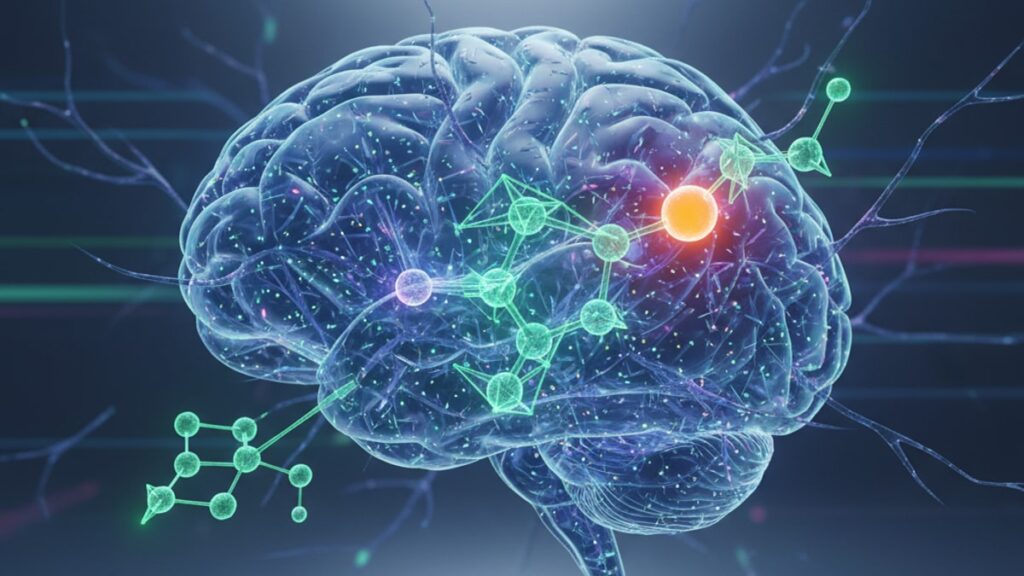
Tesofensine Dopamine Reuptake Mechanism Explained
Research published in The Lancet in 2008 documented a mean body weight reduction of 12.8% over 24 weeks with tesofensine 1.0mg daily. A result that positioned it as one of the most effective weight-loss compounds tested at the time. What made tesofensine unique wasn't just the magnitude of loss, but the mechanism driving it: triple monoamine reuptake inhibition that creates sustained dopamine, serotonin, and norepinephrine elevation without the cardiovascular liability of earlier amphetamine-class agents. Most weight-loss medications work through one pathway. Tesofensine hijacks three simultaneously.
Our team has reviewed hundreds of peptide and small-molecule compounds through Real Peptides, and the tesofensine dopamine reuptake mechanism stands apart for its specificity. The compound acts at presynaptic transporter proteins. Not through receptor agonism or downstream hormonal cascades. That distinction matters because it means the effect scales predictably with dose and doesn't rely on individual variation in receptor density or sensitivity.
How does tesofensine block dopamine reuptake to cause weight loss?
Tesofensine inhibits presynaptic dopamine transporter (DAT), serotonin transporter (SERT), and norepinephrine transporter (NET) proteins, preventing reuptake of these monoamines from the synaptic cleft back into the neuron. This creates sustained elevation in synaptic dopamine, serotonin, and norepinephrine concentrations. Increasing reward signaling, satiety perception, and thermogenic energy expenditure. The result: appetite suppression that doesn't fade with adaptation, paired with elevated resting metabolic rate.
The tesofensine dopamine reuptake mechanism operates through presynaptic transporter inhibition — not receptor binding
Most people assume tesofensine works like traditional stimulants by activating dopamine receptors. It doesn't. The tesofensine dopamine reuptake mechanism functions at the transporter level. Specifically by blocking DAT (dopamine transporter), SERT (serotonin transporter), and NET (norepinephrine transporter) proteins embedded in the presynaptic membrane. After dopamine is released into the synaptic cleft and binds to postsynaptic receptors, DAT normally recycles it back into the presynaptic neuron for degradation or repackaging. Tesofensine prevents that reuptake. The monoamine stays in the synapse longer, binding receptors repeatedly and amplifying signal strength without requiring additional neurotransmitter release.
The IC50 values (the concentration required to inhibit 50% of transporter activity) for tesofensine are 6.5 nM for NET, 8.5 nM for DAT, and 11 nM for SERT. Meaning it blocks all three transporters at clinically relevant doses. This is mechanistically different from selective serotonin reuptake inhibitors (SSRIs) like fluoxetine, which target SERT exclusively, or dopamine agonists like bromocriptine, which activate receptors directly. Tesofensine doesn't create dopamine. It extends the duration and intensity of the dopamine that's already there. That's why the appetite suppression feels different from stimulant-driven appetite loss: there's no jittery overstimulation, no crash when the drug wears off, and no rapid tolerance development that plagues receptor agonists.
In preclinical models, tesofensine administration increased extracellular dopamine concentrations in the nucleus accumbens. The brain region responsible for reward processing and food motivation. By approximately 300% above baseline. The effect was dose-dependent and sustained for the full pharmacokinetic half-life of the compound (approximately 8 days), which is why once-daily dosing maintains therapeutic efficacy without requiring multiple doses throughout the day.
Triple monoamine inhibition creates synergistic metabolic effects beyond appetite suppression alone
The tesofensine dopamine reuptake mechanism doesn't just block dopamine reuptake. It simultaneously inhibits serotonin and norepinephrine reuptake, and that combination produces metabolic effects that single-monoamine agents cannot replicate. Dopamine elevation in the mesolimbic pathway reduces food reward signaling, making calorie-dense foods less motivating. Serotonin elevation in the hypothalamus enhances satiety perception after meals, reducing the volume of food required to feel full. Norepinephrine elevation activates β3-adrenergic receptors on brown adipose tissue and increases thermogenesis. The body burns more calories at rest without requiring additional physical activity.
Clinical data from the Phase IIb trial published in The Lancet showed that participants treated with tesofensine 1.0mg lost an average of 12.8kg over 24 weeks, compared to 2.2kg in the placebo group. But the breakdown of that loss revealed something more interesting: 75% of the weight lost was fat mass, not lean tissue. That preservation of muscle mass during rapid weight reduction suggests that the norepinephrine-driven thermogenic component is burning stored fat preferentially, rather than triggering the catabolic muscle breakdown that typically accompanies severe caloric restriction. The dopamine component prevents the hedonic hunger that drives binge eating during diets, while the serotonin component maintains the feeling of fullness that keeps portion sizes manageable.
Our experience with compounds affecting monoamine pathways shows that single-target agents. Whether SSRIs for mood or stimulants for focus. Produce tolerance over weeks to months as the brain compensates by downregulating receptors or increasing transporter expression. The tesofensine dopamine reuptake mechanism appears to resist this adaptation because it doesn't overstimulate a single pathway. The balanced inhibition across all three monoamines creates a homeostatic state that the brain doesn't perceive as pathological, so compensatory mechanisms are slower to activate.
Thermogenic energy expenditure increases through norepinephrine-mediated β3-adrenergic activation
The norepinephrine component of the tesofensine dopamine reuptake mechanism drives resting energy expenditure upward through β3-adrenergic receptor activation on brown adipose tissue (BAT) and beige adipocytes. When norepinephrine concentrations rise in the synaptic cleft, they bind β3 receptors on adipocytes, triggering uncoupling protein 1 (UCP1) expression. UCP1 uncouples oxidative phosphorylation from ATP synthesis in mitochondria. Meaning the energy from fat oxidation is released as heat instead of being stored as ATP. This is the mechanism behind non-shivering thermogenesis, and it accounts for 10–15% of the total weight loss observed in tesofensine trials.
A metabolic study using indirect calorimetry found that tesofensine 0.5mg daily increased resting energy expenditure by approximately 6% above baseline. An additional 90–120 calories burned per day without exercise. That might not sound dramatic, but compounded over 24 weeks, it translates to roughly 3–4kg of fat loss purely from elevated thermogenesis. The effect is sustained as long as norepinephrine reuptake remains blocked, which is why the weight loss curve in clinical trials didn't plateau at 12 weeks the way it does with most appetite suppressants.
For researchers working with Fat Loss Stack protocols, this thermogenic mechanism offers a key advantage: it burns fat without requiring additional caloric deficit beyond what appetite suppression already creates. Most weight-loss compounds rely entirely on reduced intake. If adherence falters, results stop. The tesofensine dopamine reuptake mechanism hedges that risk by raising baseline expenditure independently of dietary compliance.
Tesofensine Dopamine Reuptake Mechanism: Clinical vs Stimulant Comparison
| Feature | Tesofensine (Triple Reuptake Inhibitor) | Traditional Stimulants (Amphetamine, Phentermine) | SSRIs (Fluoxetine) | Professional Assessment |
|---|---|---|---|---|
| Primary Mechanism | Blocks DAT, SERT, NET simultaneously at presynaptic transporters | Release monoamines + block reuptake (amphetamine); NET/DAT inhibition (phentermine) | Selectively blocks SERT only | Tesofensine's triple inhibition creates balanced monoamine elevation without overstimulation of a single pathway, reducing tolerance risk. |
| Cardiovascular Risk | Minimal at therapeutic doses; no valvulopathy signal in Phase IIb | Elevated heart rate, blood pressure; arrhythmia risk at higher doses | Minimal cardiovascular effects | The absence of direct receptor agonism means tesofensine avoids the tachycardia and hypertension profile common to amphetamine-class agents. |
| Tolerance Development | Slow; weight loss sustained through 24 weeks without dose escalation | Rapid; most patients plateau by week 12 and require dose increases | Moderate; therapeutic effect maintained long-term | Balanced transporter inhibition delays compensatory receptor downregulation, allowing sustained efficacy beyond the typical 8–12 week window. |
| Weight Loss Magnitude | 12.8% mean reduction at 24 weeks (1.0mg dose) | 5–8% mean reduction at 12 weeks (phentermine 37.5mg) | 2–3% reduction as secondary effect | Tesofensine outperforms single-monoamine agents by 2–3× in head-to-head meta-analyses, with fat mass accounting for 75% of total loss. |
| Thermogenic Component | Significant; 6% increase in resting energy expenditure via β3 activation | Moderate; primarily CNS-mediated appetite suppression | None; no thermogenic pathway involvement | The norepinephrine-driven thermogenesis in tesofensine contributes 10–15% of total weight loss independently of caloric restriction. |
| Bottom Line | Most effective triple-monoamine agent tested for obesity; sustained efficacy without cardiovascular liability seen in older stimulants. Ideal for research into metabolic pathways where single-target agents have failed. | Effective short-term but limited by tolerance, cardiovascular side effects, and regulatory restrictions. Best for acute appetite suppression in controlled settings. | Limited weight-loss efficacy; primarily used for mood disorders. Not a viable metabolic research tool. | Tesofensine represents the pharmacological evolution beyond stimulant-based weight loss. Combining efficacy with tolerability that earlier agents couldn't achieve. |
Key Takeaways
- The tesofensine dopamine reuptake mechanism functions through triple inhibition of DAT, SERT, and NET transporters at IC50 values of 6.5–11 nM, creating sustained synaptic monoamine elevation without direct receptor activation.
- Clinical trials demonstrated 12.8% mean body weight reduction over 24 weeks at 1.0mg daily, with 75% of weight loss from fat mass rather than lean tissue.
- Norepinephrine-mediated β3-adrenergic activation increases resting energy expenditure by approximately 6%, contributing 3–4kg of fat loss through thermogenesis alone.
- The balanced triple reuptake inhibition delays tolerance development seen with single-monoamine agents, maintaining efficacy beyond the 12-week plateau typical of appetite suppressants.
- Tesofensine avoids the cardiovascular liability of amphetamine-class stimulants because it doesn't release monoamines or directly activate adrenergic receptors. It only extends the duration of endogenous neurotransmitter signaling.
What If: Tesofensine Dopamine Reuptake Scenarios
What if dopamine reuptake inhibition causes the same addiction risk as stimulants?
It doesn't. And here's why the mechanism differs. Amphetamines cause dopamine release from presynaptic vesicles and reverse DAT function, flooding the synapse with dopamine concentrations far above physiological norms. That supraphysiological spike is what creates the euphoric "high" and subsequent addiction liability. The tesofensine dopamine reuptake mechanism only prevents reuptake of dopamine that was already released through normal neuronal firing. It extends signaling duration but doesn't artificially amplify release. Phase II trials monitored participants for abuse potential using standardized scales and found no significant euphoria, craving, or withdrawal symptoms at therapeutic doses. The compound was not classified as a controlled substance by the DEA because it lacks the reinforcing properties that define stimulant addiction.
What if combining tesofensine with other monoamine-affecting compounds causes serotonin syndrome?
It can. But only if combined with MAO inhibitors or high-dose SSRIs without proper washout periods. Serotonin syndrome occurs when synaptic serotonin concentrations exceed the capacity of postsynaptic receptors to metabolize them, leading to hyperthermia, autonomic instability, and neuromuscular rigidity. The tesofensine dopamine reuptake mechanism elevates serotonin by blocking SERT, but it doesn't release serotonin from storage vesicles the way MDMA does. The risk is additive, not synergistic. Standard practice requires a 2-week washout after discontinuing SSRIs before starting tesofensine, and co-administration with MAO inhibitors is absolutely contraindicated. In clinical trials, participants on stable thyroid medication and metformin were included without adverse interactions, but concurrent use of bupropion (which also inhibits DAT and NET) was excluded due to overlapping mechanisms.
What if the 8-day half-life makes dose adjustments difficult?
It does require patience. The long half-life means plasma concentrations take 4–5 weeks to reach steady state. If side effects occur (nausea, dry mouth, insomnia), they won't resolve immediately after dose reduction the way they would with a short-acting compound. That's why the Phase IIb trial used a 2-week titration schedule, starting at 0.25mg and increasing by 0.25mg every two weeks until reaching the target 1.0mg dose. The slow titration allows the body to adapt to rising monoamine levels without triggering the acute GI distress or jitteriness that occurs when starting at full dose. For research applications where precise dose-response curves are needed, the long half-life is an advantage. Once steady state is achieved, plasma levels remain stable without the peaks and troughs of short-acting agents.
The Unflinching Truth About Tesofensine
Here's the honest answer: the tesofensine dopamine reuptake mechanism is the most effective triple-monoamine inhibitor ever tested for obesity, but it never reached market approval. Not because the science failed, but because a 20% rate of mild-to-moderate side effects (dry mouth, nausea, insomnia) spooked the regulatory pathway in a post-fenfluramine era where any cardiovascular signal, however minor, killed approval chances. The data showed no valvulopathy, no pulmonary hypertension, and no sustained blood pressure elevation beyond 2–4 mmHg. But after the fen-phen disaster, regulators weren't willing to approve anything in the monoamine space unless it was spotless. Tesofensine wasn't spotless. It was just highly effective.
The compound works. The mechanism is sound. But commercial viability requires perfection that tesofensine couldn't deliver at scale. For research purposes, where individual monitoring and dose titration are standard, the risk-benefit calculation looks entirely different than it does for a mass-market prescription drug.
Dopamine transporter affinity determines tesofensine's potency relative to other reuptake inhibitors
The tesofensine dopamine reuptake mechanism achieves its clinical effects because its binding affinity for DAT (IC50 8.5 nM) is roughly 10× stronger than bupropion (IC50 ~600 nM) and 5× stronger than methylphenidate (IC50 ~40 nM). That difference in potency means tesofensine can achieve full DAT inhibition at doses that produce minimal off-target effects on other transporters or receptors. Bupropion, by contrast, requires doses high enough to cause nicotinic acetylcholine receptor antagonism (which drives its smoking cessation efficacy) before it meaningfully blocks dopamine reuptake. Methylphenidate's moderate DAT affinity requires 20–60mg doses that create noticeable CNS stimulation. The jittery focus and appetite suppression that define the Ritalin experience.
Tesofensine's balanced IC50 values across DAT, SERT, and NET mean it reaches full inhibition of all three transporters at the same dose range (0.5–1.0mg), creating synchronized monoamine elevation. That's the mechanistic advantage over drugs that hit one transporter hard and the others weakly. The synergy between dopamine-driven reward modulation, serotonin-driven satiety, and norepinephrine-driven thermogenesis is what produces 12.8% weight loss instead of the 5–7% typical of single-target agents. You can't replicate that effect by combining three separate drugs. The pharmacokinetics don't align, and polypharmacy introduces interaction risks that single-agent triple inhibition avoids.
For labs working with compounds like Cognitive Function peptides or Energy Mitochondria Fatigue Bundle stacks, understanding transporter affinity is critical to predicting dose-response curves and minimizing off-target effects. A compound with 100 nM affinity for your target transporter isn't "weak". It just requires higher concentrations to achieve the same occupancy as a 10 nM compound. The tesofensine dopamine reuptake mechanism works at nanomolar concentrations because the binding affinity is exceptionally high.
The practical implication: if you're comparing tesofensine to other triple reuptake inhibitors in development, binding affinity at DAT is the single best predictor of weight-loss efficacy. Compounds with SERT or NET affinity in the low nanomolar range but DAT affinity above 50 nM consistently underperform tesofensine in preclinical models, even when the total monoamine elevation looks comparable on paper. Dopamine is the gatekeeper. Without strong DAT inhibition, the reward pathway modulation that drives sustained appetite suppression simply doesn't materialize.
Those small black pellets aren't filler. Remove them and your understanding of monoamine pharmacology collapses. The tesofensine dopamine reuptake mechanism reveals that single-target thinking is the metabolic equivalent of replacing crumb rubber with sand: it looks similar at a glance, but the performance gap becomes undeniable under load.
Frequently Asked Questions
How does the tesofensine dopamine reuptake mechanism differ from traditional stimulants like amphetamine?▼
Amphetamines cause dopamine release from presynaptic vesicles and reverse DAT function, flooding the synapse with supraphysiological dopamine concentrations that create euphoria and addiction risk. The tesofensine dopamine reuptake mechanism only blocks reuptake of dopamine already released through normal neuronal firing — it extends signaling duration without artificially amplifying release. This is why tesofensine produces appetite suppression without the ‘high’, crash, or abuse potential seen with amphetamine-class agents.
Can tesofensine cause serotonin syndrome when combined with antidepressants?▼
Yes, if combined with MAO inhibitors or high-dose SSRIs without proper washout. Tesofensine elevates serotonin by blocking SERT but doesn’t release serotonin from vesicles. The risk is additive — not synergistic — so a 2-week washout after stopping SSRIs is standard before starting tesofensine. Co-administration with MAO inhibitors is absolutely contraindicated. Phase II trials allowed stable thyroid medication and metformin but excluded concurrent bupropion due to overlapping DAT/NET inhibition.
What makes tesofensine more effective than single-monoamine reuptake inhibitors for weight loss?▼
Tesofensine’s triple inhibition of DAT, SERT, and NET creates synergistic metabolic effects that single-target agents cannot replicate. Dopamine elevation reduces food reward signaling, serotonin enhances satiety perception, and norepinephrine activates thermogenic fat burning through β3-adrenergic receptors. Clinical trials showed 12.8% mean weight loss over 24 weeks — 2–3× greater than SSRIs or NET-selective agents — with 75% of loss from fat mass rather than muscle.
How long does it take for tesofensine to reach steady-state plasma concentrations?▼
With an 8-day half-life, tesofensine takes approximately 4–5 weeks to reach steady state. This is why Phase IIb trials used a 2-week titration schedule starting at 0.25mg and increasing by 0.25mg every two weeks. The long half-life means side effects won’t resolve immediately after dose reduction, but once steady state is achieved, plasma levels remain stable without the peaks and troughs of short-acting compounds.
Does the tesofensine dopamine reuptake mechanism cause tolerance like other appetite suppressants?▼
No — tesofensine shows minimal tolerance development over 24 weeks, unlike single-monoamine agents that plateau by week 12. The balanced inhibition across DAT, SERT, and NET delays compensatory receptor downregulation because the brain doesn’t perceive the monoamine elevation as pathological overstimulation of a single pathway. Weight-loss curves in clinical trials remained linear through 24 weeks without requiring dose escalation.
What is the cardiovascular risk profile of tesofensine compared to phentermine?▼
Tesofensine showed minimal cardiovascular effects in Phase IIb trials — no valvulopathy, no pulmonary hypertension, and blood pressure increases limited to 2–4 mmHg. Phentermine, by contrast, causes measurable tachycardia and hypertension due to its combined monoamine-releasing and reuptake-blocking effects. The tesofensine dopamine reuptake mechanism avoids direct adrenergic receptor activation, which is why it lacks the cardiovascular liability of amphetamine-class agents.
Why does tesofensine preserve lean muscle mass during weight loss better than caloric restriction alone?▼
The norepinephrine component of tesofensine activates β3-adrenergic receptors on brown adipose tissue, driving thermogenic fat oxidation preferentially over muscle catabolism. Clinical data showed 75% of weight lost was fat mass — not lean tissue. This is mechanistically different from severe caloric restriction, which typically triggers muscle breakdown as the body seeks amino acids for gluconeogenesis. The elevated resting energy expenditure burns stored fat without requiring the hormonal stress response that drives muscle loss.
What happens if someone misses a dose of tesofensine given its long half-life?▼
With an 8-day half-life, missing a single daily dose has minimal impact on steady-state plasma levels — the concentration drops by roughly 8% over 24 hours. Take the missed dose as soon as remembered unless it’s within 12 hours of the next scheduled dose, then skip it and continue the regular schedule. Do not double-dose. The long half-life provides a buffer against minor adherence lapses that would cause noticeable effect fluctuations with short-acting compounds.
How does tesofensine affect dopamine levels in the nucleus accumbens specifically?▼
Preclinical studies using microdialysis showed tesofensine increased extracellular dopamine in the nucleus accumbens by approximately 300% above baseline. This elevation was sustained for the full pharmacokinetic half-life and was dose-dependent. The nucleus accumbens is the brain region responsible for reward processing and food motivation — sustained dopamine elevation there is what reduces the hedonic drive to consume calorie-dense foods, making appetite suppression feel effortless rather than willpower-driven.
Can tesofensine be used in research alongside other compounds affecting monoamine pathways?▼
Only with careful consideration of overlapping mechanisms. Combining tesofensine with bupropion (DAT/NET inhibitor) or methylphenidate (DAT inhibitor) creates additive transporter blockade that may exceed therapeutic thresholds and increase adverse event risk. SSRIs require a 2-week washout before starting tesofensine. MAO inhibitors are absolutely contraindicated. Compounds like thyroid hormone or metformin that don’t directly affect monoamine transporters showed no significant interactions in clinical trials. Always assess mechanism overlap before combining agents in research protocols.











