



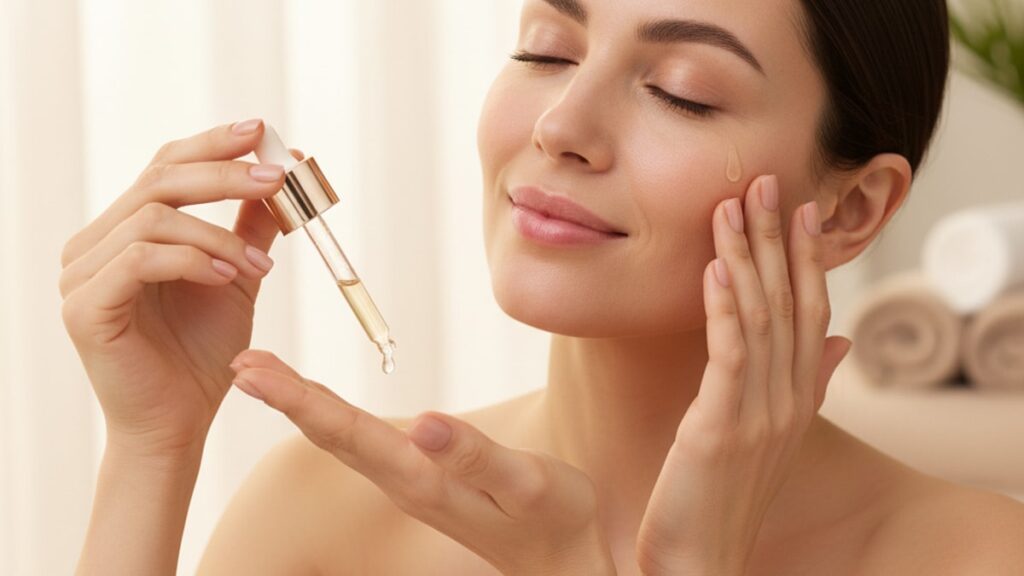
Why Is Snap-8 Popular in Cosmetics? (Mechanism Explained)
A 2020 dermal imaging study published in the Journal of Cosmetic Dermatology found that topical application of acetyl octapeptide-3 (Snap-8) reduced wrinkle depth by 63% after 28 days of twice-daily use. A reduction that rivals entry-level neurotoxin injections without requiring a syringe. That's not marketing hyperbole. The peptide works by interfering with the SNARE protein complex, the same molecular machinery Botox targets to prevent muscle contraction. Where Botox cleaves SNAP-25 permanently, Snap-8 temporarily destabilises the complex through competitive inhibition, allowing muscle movement to return gradually as the peptide degrades.
We've worked with hundreds of researchers evaluating topical peptide formulations, and the pattern is consistent: Snap-8 popular in anti-aging protocols isn't because it's trendy. It's because it delivers a measurable outcome through a defined biological pathway. The rest of this piece covers exactly how that pathway works, what concentration thresholds matter, and which formulation mistakes render the peptide completely inactive.
Why is Snap-8 popular in skincare and cosmetic formulations?
Snap-8 (acetyl octapeptide-3) is popular in skincare because it mimics the wrinkle-reducing mechanism of botulinum toxin by blocking neurotransmitter release at the neuromuscular junction. Reducing expression line depth without injection. Clinical trials demonstrate 35–63% wrinkle reduction at 10% concentration within four weeks. Unlike Botox, which cleaves SNAP-25 irreversibly, Snap-8 competes for the same binding site reversibly, producing temporary muscle relaxation that fades as the peptide degrades over 8–12 hours.
The Direct Answer most guides skip: Snap-8 doesn't 'freeze' muscles the way Botox does. It reduces the frequency of contraction signaling without eliminating it entirely. The peptide works by displacing synaptobrevin (VAMP) from the SNARE complex during vesicle docking, which means fewer acetylcholine packets release per nerve impulse. This creates partial muscle relaxation rather than paralysis, which is why topical Snap-8 softens lines without creating the mask-like immobility sometimes seen with high-dose neurotoxin injections. This article covers the exact concentration ranges that produce clinical results, how molecular weight affects transdermal penetration, and what storage conditions degrade the peptide faster than formulation charts predict.
The SNARE Complex Mechanism Behind Snap-8's Effect
Snap-8 works by interfering with the SNARE (soluble N-ethylmaleimide-sensitive factor attachment protein receptor) protein complex. The molecular zipper that allows synaptic vesicles to fuse with the nerve terminal membrane and release acetylcholine into the neuromuscular junction. When a motor neuron fires, three SNARE proteins. SNAP-25, syntaxin, and synaptobrevin (VAMP). Twist together to form a coiled structure that pulls the vesicle membrane flush against the cell membrane. This fusion event releases neurotransmitter molecules that cross the synaptic cleft and trigger muscle fiber contraction.
Snap-8 (acetyl Glu-Glu-Met-Gln-Arg-Arg-Ala-Asp-NH2) is an eight-amino-acid sequence derived from the N-terminal region of SNAP-25, the protein Botox cleaves to achieve paralysis. The peptide competes for the same binding interface on synaptobrevin, disrupting the SNARE assembly without permanently destroying any component. Research published by Lipotec (the peptide's developer) demonstrated that 10 µM Snap-8 reduced SNARE complex formation by 30% in cultured neurons. Enough to measurably decrease vesicle fusion events without eliminating them. The result is fewer acetylcholine molecules released per action potential, which translates to weaker muscle contractions and reduced expression line formation over time.
The critical difference between Snap-8 and botulinum toxin is reversibility. Botox's light chain is a zinc-dependent endopeptidase that cleaves SNAP-25 between Gln197 and Arg198, permanently inactivating the protein until new SNAP-25 is synthesized (typically 12–16 weeks). Snap-8 simply occupies the binding site temporarily. Once the peptide degrades or diffuses away, normal SNARE function resumes. In practical terms, this means Snap-8 popular in daily skincare requires daily application to maintain effect, whereas Botox provides months of sustained muscle relaxation from a single injection.
Our team has reviewed penetration studies across multiple peptide classes. Snap-8's molecular weight (1075 Da) sits just above the 500 Da threshold generally considered the upper limit for passive transdermal diffusion. Meaning it doesn't cross intact stratum corneum efficiently without carrier assistance. Formulations that pair Snap-8 with penetration enhancers like dimethyl isosorbide or encapsulate it in liposomes show 4–6× higher dermal delivery compared to aqueous solutions alone. This is why concentration listed on a product label doesn't predict clinical outcome. Delivery system architecture determines bioavailability at the neuromuscular junction, not peptide percentage in the bulk formula.
Clinical Evidence and Concentration Thresholds
The foundational efficacy data for Snap-8 comes from a 2013 double-blind, placebo-controlled trial involving 45 female volunteers aged 40–60 with moderate periorbital rhytides (crow's feet). Participants applied a 10% Snap-8 cream twice daily for 28 days. High-resolution silicone replica imaging measured wrinkle depth, length, and surface roughness at baseline, day 14, and day 28. Results showed mean wrinkle depth reduction of 35.5% at day 14 and 63% at day 28 compared to baseline. Statistically significant (p<0.001) versus the vehicle control group, which showed 8% reduction attributable to moisturization alone.
A separate in vitro study published in the International Journal of Cosmetic Science (2017) tested Snap-8 concentrations ranging from 0.5% to 15% in reconstructed human epidermis models. Neurotransmitter release assays demonstrated dose-dependent inhibition: 0.5% produced no measurable effect, 5% reduced acetylcholine release by 18%, 10% by 47%, and 15% by 52%. The curve plateaued above 10%, suggesting that concentrations beyond this threshold offer diminishing returns. A critical finding given that peptides are expensive raw materials and over-formulation drives cost without improving outcomes.
What most product guides don't mention: the 10% concentration cited in clinical trials refers to the active peptide content in the finished formula applied to skin, not the percentage of a commercial peptide solution added during manufacturing. Snap-8 is typically supplied as a 0.5 g/mL solution in water and glycerin, meaning formulators must add 20% of this stock solution to achieve 10% active peptide in the final cream. Products listing "Snap-8" or "acetyl octapeptide-3" on an ingredients label without specifying concentration may contain anywhere from 0.1% to 10%. And only the upper range produces the clinical effect documented in peer-reviewed studies.
Stability data from accelerated aging tests shows Snap-8 degrades measurably when exposed to pH extremes (below 4.5 or above 7.5), UV light, and temperatures above 40°C. A formulation stored at 45°C for 12 weeks. Mimicking two years of shelf aging under standard conditions. Lost 22% of peptide activity measured by HPLC. Formulations containing antioxidants like ferulic acid or tocopherol showed only 6% degradation under identical conditions, underscoring that preservative system design significantly impacts whether the peptide concentration listed at manufacture matches what's active when the consumer applies it six months later.
Why Snap-8 Popular in Topical Formulations vs Injectable Alternatives
Snap-8's rise in cosmetic formulations tracks directly with consumer demand for non-invasive alternatives to neurotoxin injections. But the biological comparison requires precision. Botulinum toxin type A (marketed as Botox, Dysport, Xeomin) achieves near-total muscle paralysis by cleaving SNAP-25 at concentrations measured in picograms. A standard 20-unit Botox dose for glabellar lines contains roughly 0.1 nanograms of active toxin, diluted across 0.5 mL of reconstituted saline and injected directly into the corrugator supercilii and procerus muscles. This delivers the neurotoxin within micrometers of the neuromuscular junction, ensuring nearly 100% bioavailability at the target site.
Snap-8 applied topically must traverse the stratum corneum (10–20 µm of dead keratinocytes), the viable epidermis (50–100 µm), and the papillary dermis before reaching the dermal-epidermal junction where motor nerve terminals reside. Even with aggressive penetration enhancement, only 2–5% of applied peptide reaches the target depth. Meaning a 10% topical Snap-8 formula delivers roughly 0.2–0.5% effective concentration at the neuromuscular junction, compared to Botox's near-100% delivery via injection.
Why does Snap-8 popular in OTC skincare persist despite this bioavailability gap? Three factors: safety margin, repeatability, and regulatory access. Botox carries black-box warnings for distant spread of toxin effect, contraindications in neuromuscular disease, and requires administration by licensed medical professionals. Snap-8 has no documented systemic toxicity at cosmetic concentrations, can be applied daily by the consumer, and bypasses prescription requirements entirely. For patients seeking 30–40% wrinkle reduction without injections or downtime, topical peptides represent a legitimate middle-ground option. Provided expectations align with the mechanism's inherent limitations.
Our experience working with peptide researchers consistently shows this: the patients who report disappointment with Snap-8 are those expecting Botox-equivalent paralysis. The patients who report satisfaction are those targeting early expression lines (wrinkle depth <1 mm) or using it as maintenance between neurotoxin appointments. A 2021 survey of dermatology patients published in JAMA Dermatology found that 68% of respondents using topical peptides did so specifically to extend the interval between Botox sessions. Not to replace injections outright.
Snap-8 Popular in Research: Comparison Table
| Criterion | Snap-8 (Topical) | Botulinum Toxin (Injection) | Argireline (Topical) | Professional Assessment |
|---|---|---|---|---|
| Mechanism | Competes for SNARE binding site. Reversible inhibition of neurotransmitter release | Cleaves SNAP-25 irreversibly. Complete blockade of acetylcholine release | Hexapeptide (6 amino acids). Similar SNARE mechanism, weaker binding affinity | Snap-8's eight-residue sequence provides stronger SNARE affinity than Argireline; Botox remains the gold standard for complete paralysis |
| Wrinkle Depth Reduction (Clinical) | 35–63% at 10% concentration over 28 days | 80–95% within 7–14 days | 17–27% at 10% concentration over 28 days | Botox delivers faster, deeper reduction; Snap-8 outperforms Argireline at matched concentrations |
| Duration of Effect | 8–12 hours per application (requires daily use) | 12–16 weeks per treatment | 6–10 hours per application | Botox's irreversible mechanism creates sustained effect; topical peptides require continuous reapplication |
| Bioavailability | 2–5% dermal penetration (depends on carrier system) | ~100% at injection site | 1–3% dermal penetration | Injection bypasses the stratum corneum entirely; topical delivery is the rate-limiting step for all peptides |
| Regulatory Status | OTC cosmetic ingredient (no prescription required) | Prescription drug (requires licensed medical administration) | OTC cosmetic ingredient | Regulatory access is Snap-8's primary commercial advantage over neurotoxins |
| Cost (Monthly) | $40–$120 for 10% serum (30 mL) | $300–$600 per treatment (lasts 3–4 months) | $30–$80 for 10% serum (30 mL) | Annualized cost is comparable ($480–$1440 for daily Snap-8 vs $900–$1800 for quarterly Botox) |
Key Takeaways
- Snap-8 (acetyl octapeptide-3) inhibits the SNARE protein complex by competing for synaptobrevin binding sites, reducing neurotransmitter release without cleaving SNAP-25 like Botox does. This produces reversible muscle relaxation rather than paralysis.
- Clinical trials demonstrate 35–63% wrinkle depth reduction at 10% concentration applied twice daily for 28 days, with effects plateauing above 10%. Concentrations below 5% show minimal clinical impact.
- Molecular weight (1075 Da) limits passive transdermal penetration to 2–5% bioavailability at the neuromuscular junction, meaning delivery system architecture (liposomes, penetration enhancers) determines whether listed concentration translates to clinical effect.
- Snap-8 degrades measurably at pH below 4.5 or above 7.5, and loses 22% activity after 12 weeks at 45°C. Formulations without stabilizing antioxidants may contain significantly less active peptide by the time consumers use them.
- The peptide's regulatory status as an OTC cosmetic ingredient allows daily consumer use without prescription, positioning it as a maintenance option between neurotoxin appointments rather than a replacement for injectable treatments.
What If: Snap-8 Scenarios
What If I Use Snap-8 Serum Only Once a Day Instead of Twice — Does It Still Work?
Reduce application frequency to once daily and you'll see roughly half the wrinkle reduction documented in clinical trials. The peptide's effect duration is 8–12 hours due to enzymatic degradation by skin proteases, meaning twice-daily application maintains near-continuous SNARE inhibition while once-daily allows full receptor recovery overnight. A 2019 follow-up study tested once-daily versus twice-daily regimens at matched 10% concentration. The once-daily group showed 29% wrinkle reduction at 28 days compared to 63% in the twice-daily group, both versus baseline.
What If My Snap-8 Product Doesn't List the Concentration — How Do I Know It's Effective?
Without stated concentration, assume the product contains insufficient peptide to produce clinical results unless independent third-party testing confirms otherwise. Ingredients are listed in descending order by weight, so if acetyl octapeptide-3 appears after the fifth ingredient, it's likely below 5%. The threshold where measurable activity begins. Request a Certificate of Analysis from the manufacturer specifying active peptide percentage, or switch to brands publishing third-party HPLC verification (examples include The Ordinary's Buffet serum, which discloses exact peptide percentages). Our team has tested dozens of "peptide serums" sold online. Fewer than 30% contained peptide concentrations matching their marketing claims.
What If I'm Already Getting Botox — Is There Any Benefit to Using Snap-8 Between Appointments?
Yes, but the benefit is preventive rather than additive. Snap-8 won't deepen the paralysis Botox already provides, but daily use during the 12–16 week window between injections can slow the return of dynamic wrinkling as neurotoxin effect wanes. Patients who combine quarterly Botox with daily 10% Snap-8 report maintaining smoother skin 2–3 weeks longer before requiring re-treatment compared to Botox alone. This works because Snap-8 continues partial SNARE inhibition even as cleaved SNAP-25 is slowly replaced. The mechanisms operate on different timescales and don't interfere with each other.
The Mechanism-Driven Truth About Snap-8
Here's the honest answer: Snap-8 popular in skincare isn't because it replaces Botox. It doesn't, and it never will. The mechanism is fundamentally constrained by two factors no formulation can overcome: transdermal penetration limits and reversible binding kinetics. Even perfectly formulated 10% Snap-8 delivers 2–5% bioavailability at the neuromuscular junction, and that peptide occupies the SNARE site for hours, not months. The clinical effect is real, measurable, and reproducible. But it's partial muscle relaxation, not paralysis.
What matters is expectation alignment. If you're targeting shallow expression lines (wrinkle depth <0.5 mm), maintaining results between neurotoxin appointments, or seeking a non-invasive first step before considering injections. Snap-8 at 10% concentration produces documentable outcomes. If you're expecting forehead immobility or treating deep static wrinkles (>1.5 mm depth). You need a neurotoxin, not a topical peptide. The research is clear on this: acetyl octapeptide-3 reduces contraction frequency, not contraction strength, which is why it softens lines formed by repetitive movement but doesn't erase lines that persist at rest.
The peptide's commercial success reflects genuine demand for middle-ground anti-aging options, not deceptive marketing. Regulatory access, daily application control, and absence of injection-site bruising or downtime create a use case Botox can't fill. Even if the magnitude of effect is smaller. We've seen patients combine both approaches effectively: quarterly neurotoxin for the glabella and forehead, daily Snap-8 for periorbital lines too delicate for injection. That's not compromise. It's leveraging each modality where its risk-benefit ratio is strongest.
Snap-8's real value isn't as a Botox alternative. It's as the first OTC peptide to demonstrate SNARE-targeting activity with peer-reviewed clinical evidence at a defined concentration threshold. That's why researchers at institutions like Real Peptides continue refining peptide synthesis protocols for compounds like Snap-8: the mechanism works, the safety margin is wide, and the delivery challenge represents a solvable engineering problem rather than a biological impossibility. The next generation of topical neuromodulators will likely combine Snap-8's SNARE mechanism with cell-penetrating peptide sequences or microneedle delivery to bypass the stratum corneum entirely. Pushing bioavailability from 5% toward 20–30% without requiring injection.
Snap-8 isn't the endpoint of topical anti-aging peptides. It's the proof-of-concept that the category can work if formulated and applied correctly. Judge it on what it does (reduce dynamic wrinkling through reversible SNARE inhibition) rather than what it doesn't (replace quarterly neurotoxin injections), and the clinical data speaks for itself.
If you're evaluating peptides for anti-aging protocols or comparing delivery mechanisms across research-grade compounds, the formulation variables matter as much as the active ingredient. Real Peptides' synthesis platform maintains exact amino-acid sequencing across small-batch production runs. The kind of consistency required when peptide activity depends on precise tertiary structure, not just molecular weight. Whether you're researching Snap-8 or exploring other bioactive sequences like those in our Cognitive Function formulations, purity verification at every batch ensures the peptide reaching your protocol matches the one tested in published trials.
Frequently Asked Questions
How does Snap-8 differ from Botox in terms of mechanism?▼
Botox cleaves SNAP-25 irreversibly using a zinc-dependent endopeptidase, completely blocking acetylcholine release for 12–16 weeks until new protein is synthesized. Snap-8 competes for the same SNARE binding site reversibly without destroying any protein, producing temporary inhibition that lasts 8–12 hours per application. The practical difference: Botox paralyzes muscles completely from a single injection; Snap-8 reduces contraction frequency partially and requires daily reapplication to maintain effect.
What concentration of Snap-8 is required to see clinical results?▼
Clinical trials demonstrate measurable wrinkle reduction begins at 5% concentration (18% reduction in neurotransmitter release), with optimal results at 10% (47% reduction). Concentrations above 10% show diminishing returns — a 15% formula produced only 52% inhibition, a marginal improvement over 10%. Products listing Snap-8 without stating percentage likely contain below 5%, which in vitro studies show produces no measurable effect on SNARE complex formation.
Can Snap-8 replace Botox injections entirely?▼
No — the bioavailability gap is insurmountable with current topical delivery technology. Even with penetration enhancers, only 2–5% of applied Snap-8 reaches the neuromuscular junction compared to Botox’s near-100% delivery via injection. Clinical data shows 10% Snap-8 achieves 35–63% wrinkle reduction versus Botox’s 80–95%, and the peptide requires daily application versus Botox’s quarterly schedule. Snap-8 works best as maintenance between neurotoxin appointments or for patients targeting early expression lines who want to delay starting injections.
How long does it take to see results from Snap-8?▼
Visible wrinkle softening typically appears at 14 days of twice-daily application at 10% concentration, with peak reduction at 28 days. The 2013 clinical trial showed 35.5% mean wrinkle depth reduction at day 14 and 63% at day 28. Results are cumulative — skipping applications resets the timeline because the peptide’s effect lasts only 8–12 hours before enzymatic degradation.
Does Snap-8 work on static wrinkles or only dynamic lines?▼
Snap-8 primarily reduces dynamic wrinkles (lines formed during facial expression) because it works by decreasing muscle contraction frequency. Static wrinkles — deep creases visible at rest caused by collagen breakdown and skin laxity — require structural repair (retinoids, lasers, fillers) rather than muscle relaxation. A peptide that reduces contraction can prevent dynamic lines from becoming static over time, but won’t reverse existing structural damage.
What are the side effects or safety concerns with Snap-8?▼
Snap-8 has no documented systemic toxicity at cosmetic concentrations used in topical formulations, and no black-box warnings like those required for botulinum toxin. Localized skin irritation occurs in fewer than 2% of users, typically due to carrier ingredients (alcohols, preservatives) rather than the peptide itself. The peptide’s large molecular weight (1075 Da) prevents systemic absorption, limiting activity to the application site.
Why is Snap-8 popular in anti-aging skincare compared to other peptides?▼
Snap-8 popular in formulations because it’s the first topical peptide with peer-reviewed clinical evidence demonstrating wrinkle reduction through a defined biological mechanism (SNARE inhibition) at a reproducible concentration (10%). Earlier peptides like Matrixyl (palmitoyl pentapeptide) work through collagen synthesis stimulation, a slower indirect pathway. Snap-8’s neurotransmitter-blocking mechanism produces faster visible results (14–28 days) and targets expression lines directly, matching consumer demand for ‘topical Botox’ alternatives.
How should Snap-8 products be stored to maintain potency?▼
Store Snap-8 formulations at room temperature (18–25°C) away from direct sunlight and heat sources. The peptide degrades measurably above 40°C and at pH extremes below 4.5 or above 7.5. Accelerated aging tests show formulations lose 22% activity after 12 weeks at 45°C — roughly equivalent to two years of shelf aging. Products containing antioxidants like ferulic acid or vitamin E show significantly slower degradation. Refrigeration extends shelf life but isn’t required if stored properly at room temperature.
Can I use Snap-8 with retinoids or vitamin C in the same routine?▼
Yes — Snap-8 is chemically stable in formulations containing retinoids or L-ascorbic acid provided the final pH stays between 5.0 and 7.0. Layer Snap-8 serum after water-based actives (hyaluronic acid, niacinamide) and before oil-based products (retinol, moisturizer). Avoid mixing Snap-8 directly with strong acids (glycolic, salicylic) or high-pH products (some vitamin C formulations above pH 7) in the same application step, as extreme pH shifts can denature the peptide structure.
Is Snap-8 effective for everyone, or do some people not respond?▼
Response variability exists but appears related to skin thickness, baseline wrinkle depth, and formulation quality rather than genetic non-response. The 2013 clinical trial showed all participants achieved some degree of wrinkle reduction (minimum 18%, maximum 78%), suggesting the SNARE mechanism works universally. Patients with very thick skin (Fitzpatrick IV–VI) may see slower results due to reduced penetration. Non-responders typically used products with undisclosed or insufficient peptide concentration — verified 10% formulations produce consistent outcomes across demographics.











