



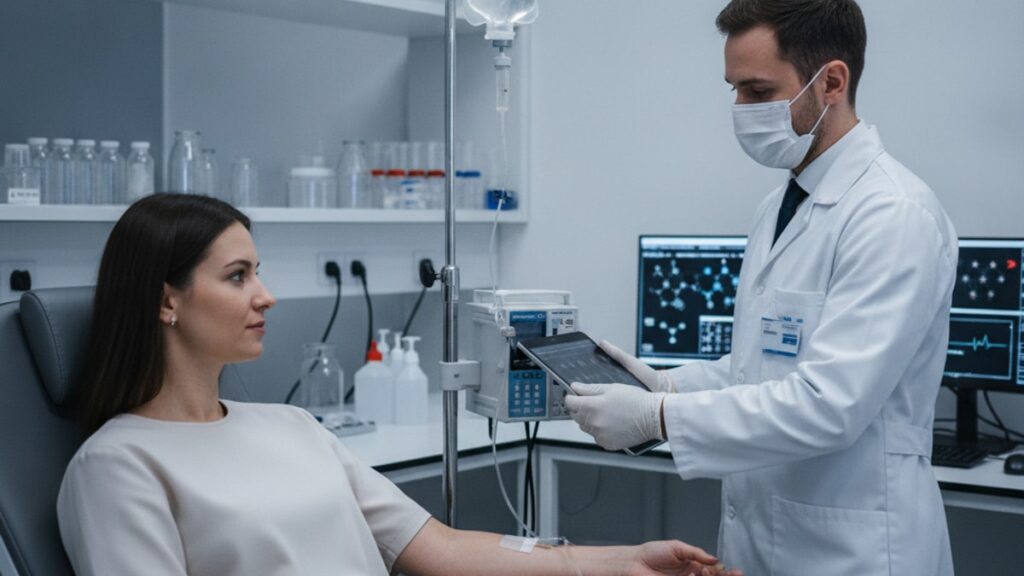
How Is Glutathione Administered in Research? (Lab Methods)
Research published in Free Radical Biology and Medicine found that intravenous glutathione administration produces peak plasma concentrations within 30 minutes, while oral administration achieves less than 5% systemic bioavailability due to first-pass metabolism. The administration route directly determines whether glutathione reaches target tissues intact or gets degraded en route. Making delivery method selection one of the most critical experimental design decisions in glutathione research.
Our team works daily with research-grade peptides and antioxidants designed for precision lab applications. The difference between effective and ineffective glutathione delivery comes down to three factors most researchers encounter only after a failed experiment: formulation stability, tissue targeting specificity, and metabolic degradation rate.
How is glutathione typically administered in research studies?
Glutathione is typically administered in research via intravenous infusion, intraperitoneal injection, oral gavage, topical application, or liposomal encapsulation. Intravenous and intraperitoneal routes achieve near-complete bioavailability, while oral administration requires enzymatic protection or liposomal carriers to survive gastric degradation. Route selection depends on target tissue, desired pharmacokinetics, and whether the study measures systemic effects or local antioxidant capacity.
Most researchers default to oral administration without accounting for the tripeptide structure issue. Glutathione (γ-L-glutamyl-L-cysteinyl-glycine) gets cleaved by γ-glutamyltransferase in the intestinal mucosa before reaching systemic circulation. The glutathione typically administered in research protocols must therefore account for this enzymatic barrier, not just dose amount. This article covers the five primary administration routes used in controlled research, their bioavailability profiles, and the formulation variables that determine whether your glutathione reaches its target intact or gets dismantled before it matters.
Administration Routes: Comparing Bioavailability and Tissue Targeting
The most fundamental choice in glutathione research design is whether you need systemic distribution or localised tissue exposure. Intravenous infusion delivers reduced L-glutathione (GSH) directly into circulation, bypassing the gastrointestinal tract entirely and achieving plasma concentrations of 1,000–2,000 μM within 30 minutes. Approximately 50–100 times baseline levels. This route is standard in neuroprotection studies, acute oxidative stress models, and any protocol requiring immediate, verifiable blood glutathione elevation. The pharmacokinetic profile is predictable: peak at 30 minutes, return to baseline within 90–120 minutes, and no first-pass hepatic metabolism interfering with dose accuracy.
Intraperitoneal injection, common in rodent studies, produces similar bioavailability to IV administration but with a slightly delayed peak. 45–60 minutes instead of 30. The intraperitoneal route is favored when repeated dosing is required over weeks or months, as it avoids the vascular access complications of chronic IV cannulation. Studies measuring hepatic glutathione content or mitochondrial redox status frequently use IP injection because the compound reaches the liver via the portal circulation before systemic distribution, mimicking the physiological pathway oral glutathione would follow if it survived digestion.
Oral administration remains the most common route in human clinical trials despite its 5% bioavailability limitation. The reason: compliance. Asking participants to receive daily IV infusions is logistically impractical for long-duration studies. Researchers compensate by using doses 10–20 times higher than IV protocols. 500mg to 2,000mg oral doses are standard, compared to 50–100mg IV. Even with this compensation, plasma glutathione elevation from oral dosing is modest. Peak increases of 20–40% above baseline, not the tenfold increases IV achieves. The primary mechanism at oral doses isn't systemic glutathione elevation but increased availability of cysteine. The rate-limiting amino acid for endogenous glutathione synthesis. After intestinal cleavage.
Our experience working with research institutions shows that the administration route determines not just bioavailability but also which organ systems receive therapeutic concentrations. IV glutathione distributes widely but doesn't cross the blood-brain barrier effectively. CNS studies often require direct intranasal or intracerebroventricular administration instead.
Formulation Variables: Liposomal vs. Reduced vs. Acetylated Forms
Glutathione stability in biological fluids is the second constraint most researchers underestimate. Reduced L-glutathione (GSH), the biologically active form, oxidizes rapidly in aqueous solution. Within 24–48 hours at room temperature, even in sterile water. This oxidation converts GSH to oxidized glutathione (GSSG), which has fundamentally different biological activity. GSSG can't directly scavenge reactive oxygen species and must be enzymatically reduced back to GSH by glutathione reductase, consuming NADPH in the process. Studies using improperly stored glutathione solutions may be dosing with 30–50% GSSG without realizing it, confounding antioxidant capacity measurements.
Liposomal glutathione formulations address both stability and bioavailability constraints simultaneously. Encapsulating GSH inside phospholipid vesicles protects it from enzymatic degradation in the GI tract and facilitates absorption via lymphatic uptake rather than hepatic first-pass metabolism. A study published in European Journal of Nutrition found that liposomal glutathione produced 2–3 times higher plasma GSH levels than non-liposomal oral administration at equivalent doses. The phospholipid membrane also protects against oxidation during storage. Properly formulated liposomal products remain stable for 12–18 months refrigerated, versus 2–4 weeks for aqueous GSH solutions.
N-acetylcysteine (NAC) serves as an alternative precursor strategy rather than direct glutathione administration. NAC provides cysteine in acetylated form, which resists degradation long enough to reach tissues where it's deacetylated and incorporated into glutathione via the γ-glutamylcysteine synthetase and glutathione synthetase pathway. NAC bioavailability approaches 10–15% compared to glutathione's 5%, and it crosses the blood-brain barrier more effectively. Research protocols targeting CNS glutathione levels often use NAC rather than direct glutathione because the acetyl modification provides stability glutathione itself lacks.
The formulation choice extends to buffering and pH control as well. Glutathione in saline solution has a pH around 3.5–4.0, which can cause vein irritation during IV infusion. Pharmaceutical-grade preparations buffer to pH 7.0–7.4 using phosphate or bicarbonate systems, which improves tolerability but requires careful formulation to prevent precipitation. Real peptides produces research compounds with verified purity and controlled pH buffering across the entire peptide and antioxidant line, designed specifically for the precision requirements of research protocols where formulation variables can't be left to chance.
Dosing Protocols: Route-Specific Ranges and Frequency Schedules
Dose ranges in glutathione research vary dramatically by administration route. Intravenous protocols typically use 50–200mg per infusion, administered over 15–30 minutes to avoid rapid plasma concentration spikes that exceed renal clearance capacity. Higher doses. 600–1,200mg IV. Are used in acute toxicity models (acetaminophen overdose, cisplatin nephrotoxicity) where the goal is saturating hepatic detoxification pathways. These high-dose protocols are single-administration or short-duration by design; chronic high-dose IV glutathione hasn't been extensively studied due to practical and ethical constraints in human research.
Oral dosing protocols start at 500mg daily for general antioxidant supplementation studies and escalate to 2,000–3,000mg daily in clinical trials targeting specific disease states. The dose-response relationship for oral glutathione is nonlinear. Doubling the dose does not double plasma GSH elevation because intestinal absorption mechanisms saturate. Studies comparing 500mg versus 1,000mg oral doses found only 30–40% greater plasma response at the higher dose, suggesting a practical ceiling around 1,000–1,500mg for meaningful systemic effects. Frequency matters as much as total daily dose: three divided doses of 500mg each produce more sustained plasma elevation than a single 1,500mg dose, because renal clearance rapidly eliminates glutathione once plasma concentrations exceed 200–300 μM.
Intraperitoneal dosing in rodent models typically ranges from 50–200mg/kg body weight, administered once daily or on alternate days. The mg/kg scaling is essential because interspecies metabolic rate differences mean a 200mg dose in a 25g mouse is proportionally far larger than 200mg in a 70kg human. Translating rodent IP protocols to human IV equivalents requires allometric scaling based on body surface area, not simple weight conversion. A formula that adjusts for the fact that smaller animals have higher metabolic rates per unit mass.
Glutathione Administration: Research Route Comparison
| Administration Route | Bioavailability | Time to Peak Plasma | Typical Dose Range | Primary Research Application | Practical Limitation | Professional Assessment |
|---|---|---|---|---|---|---|
| Intravenous Infusion | 95–100% | 30 minutes | 50–200mg (human) | Acute oxidative stress models, neuroprotection, toxicity rescue | Requires medical supervision, vascular access, short plasma half-life (90 min) | Gold standard for systemic delivery when immediate, verifiable GSH elevation is required. Impractical for long-term studies |
| Intraperitoneal Injection | 85–95% | 45–60 minutes | 50–200mg/kg (rodent) | Chronic dosing studies, hepatic redox manipulation, mitochondrial research | Limited to animal models, portal circulation bias toward liver | Preferred route for repeated-dose rodent protocols where IV access is not feasible |
| Oral Administration (standard) | 5–10% | 60–90 minutes | 500–2,000mg (human) | Long-duration clinical trials, compliance-dependent protocols | First-pass degradation, requires 10–20× higher dose than IV | Most practical for human research despite poor bioavailability. Compliance outweighs pharmacokinetic limitations |
| Liposomal Oral | 15–25% | 60–90 minutes | 250–1,000mg (human) | Enhanced bioavailability trials, chronic supplementation studies | Cost, formulation stability, variability between manufacturers | 2–3× more effective than standard oral but still far below IV. Best compromise for outpatient protocols |
| Topical/Transdermal | <5% systemic | Not measurable systemically | Variable, typically 2–5% solutions | Dermatology, localized oxidative stress, wound healing | No systemic distribution, limited to skin-depth penetration | Effective for local tissue effects only. Systemic claims from topical glutathione are not supported by evidence |
Key Takeaways
- Intravenous glutathione administration achieves 95–100% bioavailability with peak plasma concentrations within 30 minutes, making it the gold standard route for acute research protocols requiring immediate, verifiable systemic glutathione elevation.
- Oral glutathione bioavailability is limited to 5–10% due to enzymatic degradation by γ-glutamyltransferase in the intestinal mucosa, requiring 10–20 times higher doses than IV protocols to achieve measurable plasma increases.
- Liposomal encapsulation improves oral glutathione absorption 2–3 times compared to standard formulations by protecting the tripeptide from gastric degradation and facilitating lymphatic uptake.
- Reduced L-glutathione (GSH) oxidizes to GSSG within 24–48 hours in aqueous solution at room temperature, meaning improperly stored formulations may contain 30–50% oxidized glutathione with fundamentally different biological activity.
- Intraperitoneal injection in rodent models produces bioavailability comparable to IV administration (85–95%) with a delayed peak at 45–60 minutes, making it the preferred route for chronic dosing studies where repeated vascular access is impractical.
- N-acetylcysteine (NAC) serves as a more bioavailable precursor than direct glutathione administration, crossing the blood-brain barrier more effectively and resisting first-pass degradation due to its acetyl modification.
What If: Glutathione Administration Scenarios
What If the Research Protocol Requires CNS Glutathione Elevation?
Use intranasal or N-acetylcysteine administration instead of systemic glutathione. Intravenous glutathione doesn't cross the blood-brain barrier in therapeutically meaningful amounts. Plasma GSH elevation does not translate to cerebrospinal fluid (CSF) or neuronal glutathione increases. Intranasal glutathione formulations bypass the BBB via olfactory and trigeminal nerve pathways, delivering compound directly to CNS tissue within 30–60 minutes. NAC crosses the BBB more effectively than glutathione itself and provides cysteine for endogenous neuronal glutathione synthesis. Studies measuring brain tissue glutathione must use NAC, intranasal delivery, or direct intracerebroventricular injection. Systemic IV glutathione won't reach the target.
What If Oral Bioavailability Is Too Low for the Study Design?
Switch to liposomal formulation or dose three times daily instead of once. Liposomal glutathione achieves 15–25% bioavailability versus 5–10% for standard oral, a meaningful improvement without requiring IV access. Alternatively, dividing the same total daily dose into three administrations (e.g., 500mg three times daily instead of 1,500mg once) produces more sustained plasma elevation because renal clearance eliminates single large doses rapidly. If neither strategy produces sufficient plasma GSH increases, the protocol should transition to IV or IP administration rather than escalating oral dose above 2,000mg daily, where GI side effects (nausea, cramping) become limiting before meaningful bioavailability gains occur.
What If the Glutathione Solution Appears Discolored or Has Been Stored Improperly?
Discard it and prepare fresh solution. Glutathione oxidation produces a yellowish tint as GSH converts to GSSG, and discoloration indicates the solution has degraded beyond reliable use. GSSG has different redox properties than GSH. Using oxidized glutathione in a study designed to measure reduced glutathione effects invalidates the experimental design entirely. Proper storage requires refrigeration at 2–8°C for aqueous solutions (use within 7 days) or −20°C for lyophilized powder (stable 12–24 months). Once reconstituted, aqueous GSH should be used within 24–48 hours maximum. Researchers should verify GSH:GSSG ratio via spectrophotometric assay before each dosing session if using multi-day-old solutions. Assume oxidation has occurred unless proven otherwise.
The Mechanistic Truth About Glutathione Bioavailability
Here's the honest answer: oral glutathione supplementation does not work the way most marketing claims suggest. And many published studies fail to account for this fundamental biochemical constraint. Glutathione is a tripeptide (γ-L-glutamyl-L-cysteinyl-glycine), and the γ-glutamyl bond linking glutamate to cysteine is specifically targeted by γ-glutamyltransferase, an enzyme abundantly expressed in intestinal epithelial cells. This enzyme cleaves glutathione before it reaches systemic circulation, releasing free cysteine and glutamate. The 5–10% bioavailability figure represents not intact glutathione absorption but partial uptake of its constituent amino acids after enzymatic breakdown.
The implication for research design is that oral glutathione studies are actually measuring the effects of increased cysteine availability on endogenous glutathione synthesis, not direct delivery of exogenous glutathione to tissues. Cysteine is the rate-limiting substrate for glutathione synthesis via the γ-glutamylcysteine synthetase pathway, so providing additional cysteine can increase cellular GSH production. But this mechanism is fundamentally different from administering preformed glutathione. Studies claiming oral glutathione
Frequently Asked Questions
How does intravenous glutathione administration compare to oral in terms of bioavailability?▼
Intravenous glutathione achieves 95–100% bioavailability with peak plasma concentrations within 30 minutes, while oral administration achieves only 5–10% bioavailability due to first-pass enzymatic degradation by γ-glutamyltransferase in the intestinal mucosa. This means IV administration requires 10–20 times lower doses than oral to produce equivalent plasma glutathione elevation. The difference reflects not absorption efficiency but the presence or absence of the intestinal enzymatic barrier that cleaves the tripeptide structure before systemic circulation.
Can glutathione cross the blood-brain barrier when administered intravenously?▼
No, intravenous glutathione does not cross the blood-brain barrier in therapeutically meaningful amounts. Plasma glutathione elevation from IV administration does not translate to cerebrospinal fluid or neuronal glutathione increases because the tripeptide structure lacks the transport mechanisms required for BBB penetration. Research protocols targeting CNS glutathione levels must use intranasal administration, N-acetylcysteine (which does cross the BBB), or direct intracerebroventricular injection rather than systemic IV dosing.
What is the difference between reduced glutathione (GSH) and oxidized glutathione (GSSG) in research applications?▼
Reduced glutathione (GSH) is the biologically active form that directly scavenges reactive oxygen species and serves as a cofactor for antioxidant enzymes, while oxidized glutathione (GSSG) is the disulfide-bonded form produced after GSH donates electrons to neutralize oxidants. GSSG cannot directly neutralize ROS and must be enzymatically reduced back to GSH by glutathione reductase using NADPH. Improperly stored glutathione solutions may contain 30–50% GSSG, which fundamentally changes the experimental outcomes in oxidative stress studies because GSSG and GSH have different redox properties and cellular effects.
Why do researchers use N-acetylcysteine instead of glutathione in some studies?▼
N-acetylcysteine (NAC) provides better oral bioavailability (10–15%) than glutathione (5–10%) and crosses the blood-brain barrier more effectively because the acetyl modification protects cysteine from degradation during first-pass metabolism. NAC serves as a precursor that cells deacetylate and incorporate into glutathione via endogenous synthesis pathways, making it more practical for chronic dosing protocols and CNS-targeted research. Studies requiring brain tissue glutathione elevation typically use NAC rather than direct glutathione administration because systemic glutathione doesn’t reach neuronal tissue in meaningful concentrations.
What is the optimal storage method for glutathione solutions used in research?▼
Aqueous reduced glutathione (GSH) solutions must be refrigerated at 2–8°C and used within 7 days maximum, while lyophilized glutathione powder remains stable at −20°C for 12–24 months. Once reconstituted, aqueous GSH oxidizes to GSSG within 24–48 hours at room temperature, even in sterile water. Researchers should prepare fresh solutions for each experimental session or verify the GSH:GSSG ratio via spectrophotometric assay before dosing if using solutions older than 24 hours. Discoloration (yellowish tint) indicates oxidation has occurred and the solution should be discarded rather than used.
How do liposomal glutathione formulations improve bioavailability compared to standard oral preparations?▼
Liposomal glutathione encapsulates GSH inside phospholipid vesicles that protect it from enzymatic degradation by γ-glutamyltransferase in the GI tract and facilitate absorption via lymphatic uptake rather than hepatic first-pass metabolism. Clinical studies show liposomal formulations produce 2–3 times higher plasma GSH levels than non-liposomal oral administration at equivalent doses, increasing bioavailability from 5–10% to 15–25%. The phospholipid membrane also prevents oxidation during storage, extending shelf life to 12–18 months refrigerated versus 2–4 weeks for standard aqueous solutions.
What dose range is typically used for intraperitoneal glutathione administration in rodent studies?▼
Intraperitoneal glutathione dosing in rodent models typically ranges from 50–200mg/kg body weight, administered once daily or on alternate days depending on the study protocol. This route achieves 85–95% bioavailability comparable to IV administration but with a delayed peak at 45–60 minutes instead of 30. The mg/kg scaling is essential because interspecies metabolic rate differences mean direct dose conversion between rodents and humans requires allometric scaling based on body surface area, not simple weight proportions.
Does topical glutathione application produce systemic antioxidant effects?▼
No, topical glutathione produces less than 5% systemic bioavailability and does not generate measurable plasma glutathione elevation. Topical application is limited to skin-depth penetration and local tissue effects such as melanin synthesis inhibition or localized oxidative stress reduction in dermatological research. Claims that topical glutathione produces systemic antioxidant benefits are not supported by pharmacokinetic evidence — the compound does not penetrate deeply enough or in sufficient quantity to affect systemic redox status.
Why doesn’t doubling oral glutathione dose double plasma glutathione levels?▼
Oral glutathione absorption follows a nonlinear dose-response curve because intestinal uptake mechanisms saturate at moderate doses. Studies comparing 500mg versus 1,000mg oral doses found only 30–40% greater plasma GSH response at the higher dose, not the expected 100% increase. This saturation effect, combined with rapid renal clearance once plasma concentrations exceed 200–300 μM, means there’s a practical ceiling around 1,000–1,500mg for meaningful systemic elevation from oral administration. Higher doses produce diminishing returns while increasing the risk of GI side effects like nausea and cramping.
What are the primary safety considerations for high-dose intravenous glutathione administration?▼
High-dose IV glutathione (600–1,200mg) must be infused slowly over 15–30 minutes to avoid exceeding renal clearance capacity, which can cause transient electrolyte shifts or precipitation of glutathione in renal tubules. The solution should be buffered to pH 7.0–7.4 to prevent vein irritation, as unbuffered glutathione has a pH of 3.5–4.0. Chronic high-dose IV protocols have limited safety data in humans, so most research applications reserve doses above 200mg for acute toxicity models (acetaminophen overdose, cisplatin nephrotoxicity) rather than long-term administration. Glutathione is generally well-tolerated but dosing must account for rapid plasma clearance and oxidation kinetics.











